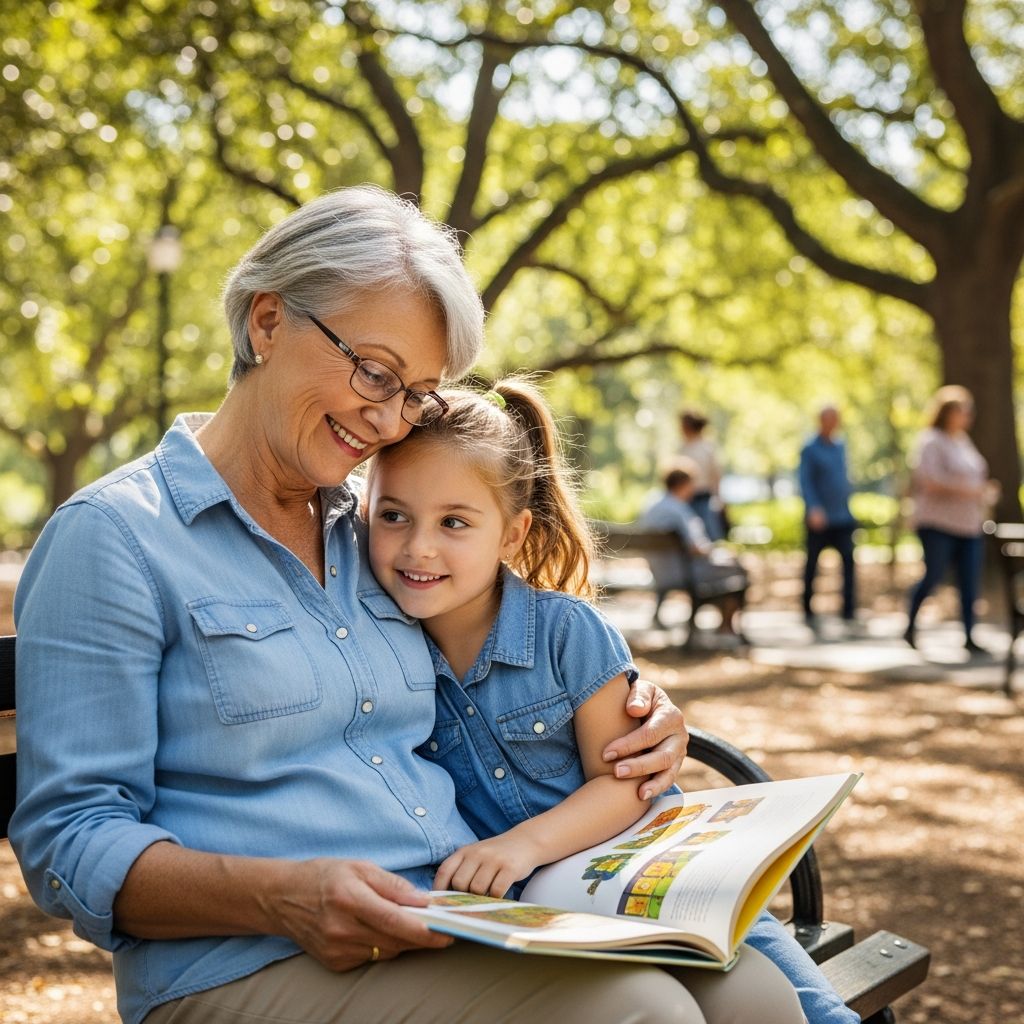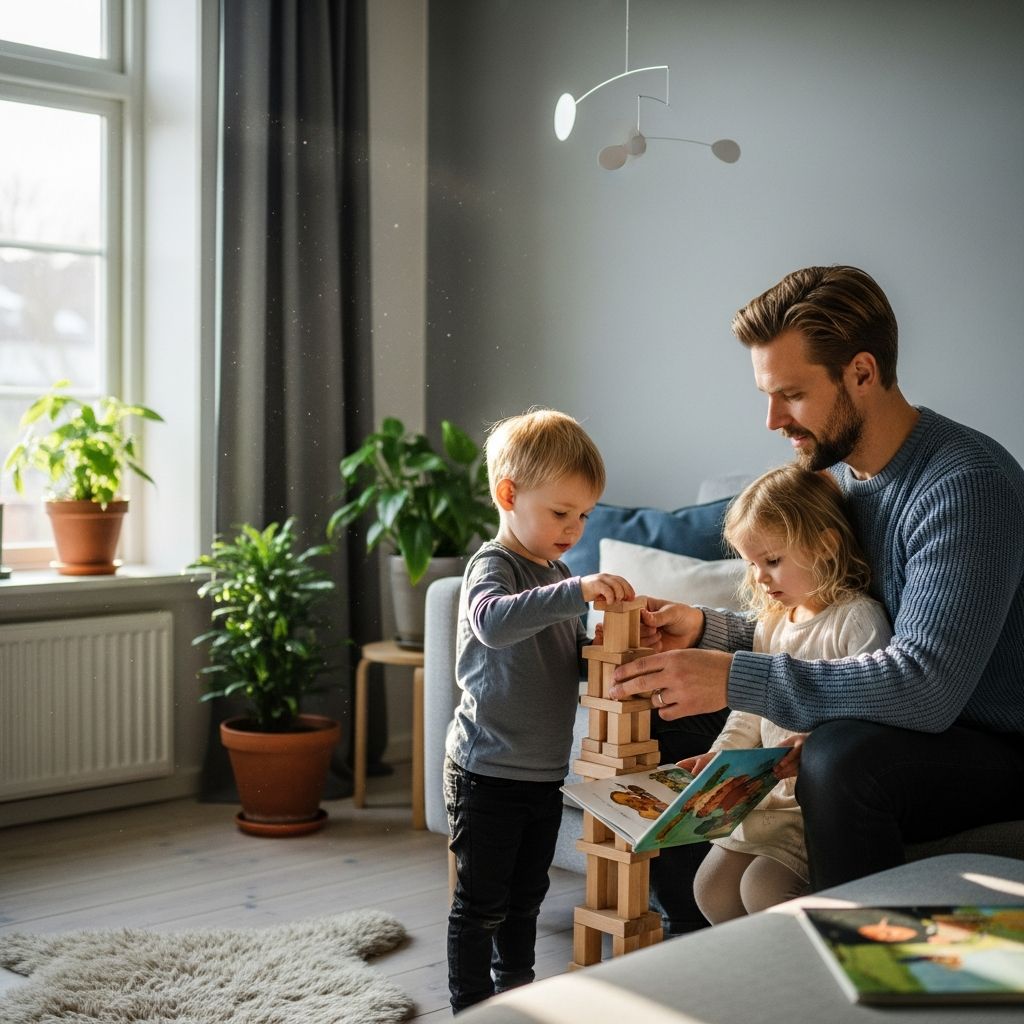
In Sweden, fatherhood looks noticeably different from the old stereotype of the distant, breadwinning dad who only appears at bedtime or weekends. Many Swedish fathers spend months at home with newborns, push strollers through city parks on weekday afternoons, and attend parent-teacher meetings as a matter of course rather than exception.
What Makes Swedish Dads Stand Out?
Several factors come together to shape the modern Swedish dad: strong social policies, cultural expectations of gender equality, and a growing belief that close, emotionally warm parenting benefits children and adults alike. Fatherhood is treated less as “helping” and more as a shared responsibility and privilege built into the structure of everyday life.
- Generous, flexible parental leave that explicitly includes fathers.
- High rates of employment for both mothers and fathers, making shared caregiving a practical necessity.
- Cultural ideals that value warmth, low authoritarianism, and children’s rights.
How Parental Leave Shapes Everyday Fatherhood
Sweden designed its parental leave system so that both parents are encouraged to take time away from work, and a specific portion is reserved for each parent on a “use it or lose it” basis. Today, fathers in Sweden take a notable share of the total parental leave days, and this time at home tends to normalize dads as primary caregivers in the early years.
When fathers stay home alone with their children, they gain practical skills and confidence—from managing sleepless nights to juggling schedules—that used to fall mostly on mothers. Over time, this shared experience helps equalize the emotional and logistical load of parenting across the couple.
Key Elements of Swedish Parental Leave
- Income-linked benefits that make it financially realistic for fathers to take time off.
- Reserved months for each parent, which cannot simply be transferred to the other.
- A strong legal framework discouraging workplace penalties for caregivers.
Warmth Over Authoritarianism
Research on parents in Sweden finds that both mothers and fathers tend to favor warm, progressive attitudes over authoritarian, highly controlling styles of parenting. Swedish fathers in particular show high levels of emotional warmth and often link their role to listening, supporting independence, and encouraging open conversation.
Rather than measuring success by obedience or strict discipline, Swedish families commonly value honesty, responsibility, and mutual respect between adults and children. This approach lines up with wider cultural norms that stress consensus, egalitarianism, and children’s rights in both law and daily life.
Inside Swedish Family Life: Roles and Routines
At home, Swedish dads are visible not just at special events but in routine caregiving: cooking, bedtime, homework, laundry, and the mundane logistics of family life. High employment rates for both parents mean that everyday tasks are more often divided according to practicality and fairness rather than traditional gender roles.
Even after separation, Swedish fathers are increasingly involved in their children’s lives, with many families opting for joint physical custody where children alternate between households. This setup reinforces the idea that both parents remain central figures in the child’s world, not just occasional visitors.
Typical Ways Swedish Dads Participate
- Taking solo parental leave days and handling full-time care during that period.
- Sharing school drop-offs, pick-ups, and after-school activities.
- Being present at health checkups, parent meetings, and important milestones.
Work–Life Balance: The Structural Backbone
Sweden’s work culture plays a crucial role in enabling involved fatherhood, thanks to norms that support reasonable work hours and flexibility for parents. Many workplaces accept that employees will occasionally leave early for a school event or stay home with a sick child, and this expectation applies to men as well as women.
Policies like subsidized childcare, predictable work schedules, and strong employee protections create an environment where parents are not forced to choose entirely between career and caregiving. In such a system, the hands-on dad becomes not a heroic exception but an ordinary feature of daily life.
How Swedish Dads See Themselves
Many Swedish fathers describe their role less in terms of providing financially and more in terms of being present, emotionally available, and practically involved. They are often aware of cultural messages promoting gender equality and see shared parenting as a natural extension of those values rather than a radical lifestyle choice.
Fathers in Sweden are also likely to view their children as individuals whose opinions and preferences deserve real consideration, even at a young age. This mindset leads to more negotiation, explanation, and collaboration in daily routines, instead of relying solely on rules and authority.
Benefits for Children, Fathers, and Mothers
The Swedish model of engaged fatherhood appears to benefit children by offering more stable, warm relationships with both parents. Studies link paternal warmth and shared caregiving to positive child adjustment, including fewer internalizing problems and better social functioning.
Fathers themselves often gain deeper emotional bonds with their children, as well as a more balanced sense of identity that includes both work and caregiving. For mothers, equal parenting can reduce the burden of unpaid labor and make it easier to maintain or advance their careers.
| Dimension | Traditional Model | Swedish-Style Model |
|---|---|---|
| Primary role | Main economic provider, limited caregiving. | Shared provider and active caregiver from infancy onward. |
| Parental leave | Little or no dedicated leave for fathers. | Dedicated, income-linked leave days reserved for dads. |
| Parenting style | More authoritarian and rule-driven. | Higher warmth, progressive attitudes, emphasis on dialogue. |
| Daily caregiving | Often concentrated on mothers. | Shared duties like feeding, bedtime, and school runs. |
| Workplace culture | Long hours; caregiving seen as secondary. | Work–life balance and flexibility supported by policy and norms. |
Limits and Ongoing Challenges
Despite its strengths, the Swedish model of fatherhood is not free from tension or inequality; mothers still take more parental leave days overall and often carry a larger share of the invisible mental load. Social class and cultural background can also influence how easily families access or benefit from the system, with many public representations of Swedish dads focusing on relatively privileged, middle-class experiences.
In addition, ideals of the “perfect, equal” family can create pressure on parents who struggle to meet those expectations due to work constraints, health issues, or family structure. Recognizing these limitations is important to avoid romanticizing any national model as universally achievable or flawless.
Lessons Other Parents Can Adapt
Families outside Sweden may not have access to the same policies, but they can still draw inspiration from the underlying principles that shape Swedish fatherhood. The core ideas center on shared responsibility, emotional availability, and a deliberate effort to treat children as full members of the family whose needs matter.
- Reframe fatherhood as an active caregiving role, not “helping out.”
- Build routines that give both parents solo time with the children, even without formal leave.
- Prioritize warmth, conversation, and respect over strict control in everyday interactions.
Practical Ideas for More Equal Parenting at Home
Even without sweeping policy changes, couples can often shift the balance of caregiving through intentional conversations and small structural tweaks at home. The goal is not to copy Swedish life exactly but to create a family rhythm where both parents feel competent, included, and connected to their children.
- List out recurring tasks (bedtime, cooking, laundry, school communication) and redistribute them so both parents own at least a few core responsibilities.
- Schedule regular “dad days” or “parent days” where one parent leads all child-related decisions and logistics.
- Agree that either parent can take the lead with schools and doctors, instead of defaulting to one by habit.
Media Images and the “Swedish Dad” Myth
International media and cultural projects have turned the Swedish dad into a kind of symbol of modern, gender-equal parenting, often depicted pushing strollers or bottle-feeding babies in serene surroundings. While these images highlight real policy achievements and cultural shifts, they can also simplify or idealize family life by leaving out the messier, more stressful parts of caregiving.
Researchers note that public portrayals of Swedish fathers tend to center on diversity and inclusion while still skewing toward middle-class norms. This suggests that, like any national ideal, the “Swedish dad” image mixes aspiration with selective storytelling.
Frequently Asked Questions About Swedish Fatherhood
Do Swedish fathers really take months of parental leave?
Yes, many Swedish fathers take extended parental leave, supported by a system that reserves a portion of paid leave days specifically for each parent and offers income-linked compensation. While mothers still take more leave overall, fathers now account for a substantial share, and this visibility helps normalize hands-on fatherhood from the earliest stages.
Are Swedish dads less strict than fathers elsewhere?
Studies of Swedish parents suggest that both mothers and fathers tend to favor progressive, warm parenting styles over authoritarian approaches. This does not mean there are no rules; rather, rules are often discussed, explained, and adapted in conversation with children rather than enforced solely through punishment.
How common is shared custody after separation?
In Sweden, shared physical custody, where children alternate living with both parents, has become increasingly common and reflects a belief that both parents remain important after separation. Even when children live primarily with one parent, fathers are more likely than in many countries to stay engaged in daily life.
Can other countries simply copy the Swedish model?
Directly transplanting Sweden’s system is difficult because it rests on decades of policy decisions, labor-market structures, and cultural values that support gender equality and work–life balance. However, other societies can still adopt key principles—such as incentivizing paternal leave, protecting caregivers at work, and promoting warm, shared parenting—as they craft their own approaches.
What is the main takeaway from the Swedish example?
The central message is that fatherhood changes when societies treat caregiving as a right and responsibility for both parents, backed by real structural support. When dads are encouraged and enabled to be present, children gain, mothers gain, and fathers discover a richer, more connected version of family life.