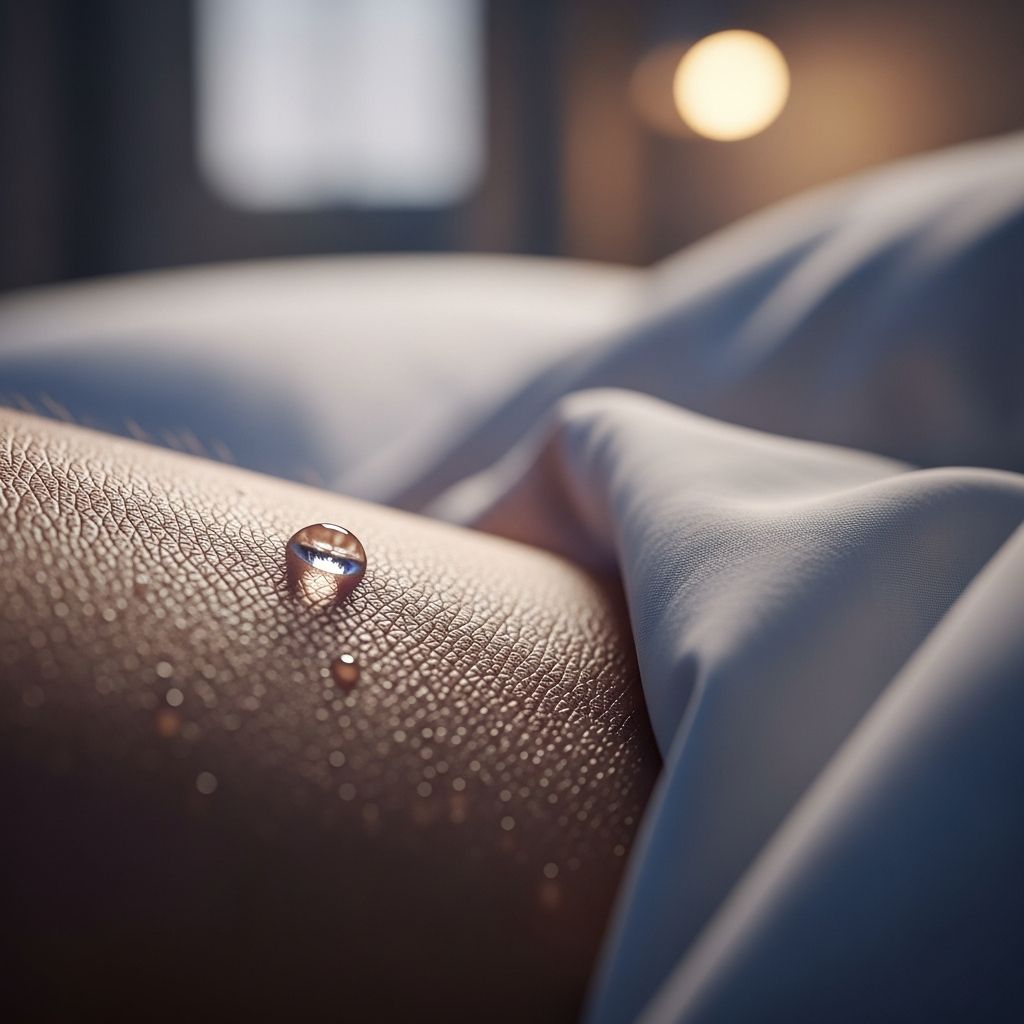
Perspiration is one of the body’s oldest and smartest survival tricks, yet most people only think about it when it leaves a mark on a shirt or shows up as a sheen across the nose. Sweating cools you down, reflects your stress levels, and even shapes the ecosystem of tiny microbes that live on your skin. Understanding how sweat works can help you manage breakouts, interpret night sweats, and feel more in control of your body.
Why Humans Sweat In The First Place
Humans are unusually good at sweating compared with most mammals. Instead of relying on fur and panting, the body uses a network of sweat glands to move water and electrolytes to the surface of the skin, where they evaporate and cool the blood circulating just underneath. This efficient air-conditioning system is one of the reasons people can run long distances and tolerate hot climates better than many other animals.
Not all sweat serves the same purpose. Some sweat is mostly about temperature control, while other types are tied to stress and emotion. The glands involved, where they appear on the body, and what they release are all part of the story.
The Two Main Types of Sweat Glands
Most of the sweat your body produces comes from eccrine glands. These tiny structures cover nearly the entire skin surface and secrete a watery fluid made largely of water, sodium, and other minerals. When you exercise, spend time in hot weather, or sit in a warm room, eccrine glands are doing most of the work to cool you down.
Apocrine glands behave differently. They cluster in specific regions such as the armpits, groin, and around the nipples and start working at puberty. The fluid they release is thicker and richer in proteins and fats, which bacteria on the skin can break down into the compounds responsible for body odor. This is why a high-stress meeting can sometimes make your underarms smell stronger than a walk outside.
| Feature | Eccrine glands | Apocrine glands |
|---|---|---|
| Main role | Cooling and temperature control | Stress and scent-related sweating |
| Where they are | All over the body, especially hands, feet, forehead | Armpits, groin, around nipples, sometimes scalp |
| Sweat type | Watery, mostly water and salts | Thicker, contains proteins and fats |
| Odor potential | Usually little to no smell | Becomes smelly when skin bacteria break it down |
| What triggers them | Heat, exercise, fever | Stress, strong emotions, hormonal changes |
What Sweat Is Actually Made Of
Sweat is mostly water, but the remaining ingredients matter. Mixed into the fluid are electrolytes such as sodium, chloride, and potassium, along with small amounts of calcium, magnesium, and other minerals. These dissolved salts explain why heavy sweating can leave white crusty marks on dark clothing or sting when it drips into the eyes.
Alongside minerals, sweat may also contain traces of urea, lactate, and various metabolic by-products. The exact recipe differs from person to person and can change with diet, fitness level, heat exposure, and genetics. This is why some athletes lose salt faster than others and why certain people notice more intense body odor under the same conditions.
- Water: Usually more than 98 percent of sweat volume.
- Sodium and chloride: The primary electrolytes lost in large amounts during heavy exertion.
- Potassium and other minerals: Lost in smaller quantities but still important for muscle and nerve function.
- Organic compounds: Including lactate and urea in small amounts, which reflect normal metabolic processes.
How Sweat Talks To Your Skin
Perspiration does not automatically cause pimples, but the conditions around sweating can create a perfect storm for breakouts. When sweat mixes with oil, dead skin cells, and friction from clothing or equipment, pores can become blocked and irritated. This combination is especially common on the forehead under hats, on the back beneath tight sportswear, and along the jawline where long hair or beard stubble traps moisture.
Skin also hosts a community of bacteria and yeast that thrive in warm, moist environments. Occasional sweating is normal and even healthy, but staying in a damp shirt or sleeping on unwashed pillowcases gives microbes more time to multiply and interfere with the delicate balance on the skin’s surface.
Why Workouts Sometimes Lead To Pimples
Exercise itself can improve skin health by boosting blood flow and reducing stress, but the routine around a workout matters. When someone finishes training and remains in tight, synthetic clothing for hours, the combination of heat and pressure can contribute to clogged follicles, sometimes called “sweat acne” or folliculitis. This shows up as scattered red bumps or small pus-filled spots on areas that rub against fabric or gear.
Face breakouts after the gym are also common. Heavy makeup, thick sunscreens, and dirty headbands can act like a film on the skin. When sweat and oil collect underneath that layer, pores have fewer ways to release their contents cleanly, which can lead to blackheads and inflamed pimples.
Practical Sweat-Smart Skin Habits
The goal is not to stop sweating but to change the environment sweat lives in. Simple shifts in routine can prevent many sweat-related breakouts without complicated treatments. The focus should be on gentle cleansing, breathable fabrics, and minimizing friction against the skin.
- Shower or at least rinse exposed skin within 30 minutes of heavy sweating when possible.
- Choose loose, breathable workout clothing and change out of damp fabrics as soon as you can.
- Use a mild, non-comedogenic cleanser after exercising instead of harsh scrubs that damage the skin barrier.
- Wash hats, pillowcases, and sports gear regularly to reduce buildup of oil and microbes.
- Avoid thick, occlusive makeup during workouts; opt for lighter, sweat-friendly formulas.
Night Sweats: From Annoying To Alarming
Waking up a little warm under a stack of blankets is normal. Night sweats become a concern when they drench clothing or sheets, happen often, and do not clearly match the bedroom environment. The body’s temperature control system operates around the clock, and changes in hormones, medications, or underlying health conditions can all push it toward overheating during sleep.
Not every episode of nighttime sweating signals a serious illness. Caffeine, alcohol, spicy foods before bed, and even intense dreams can all raise heart rate and body temperature for a short period. The key is to notice patterns, associated symptoms, and how disruptive the sweating becomes over time.
Common Everyday Triggers
Many cases of night sweats comes down to simple lifestyle factors or temporary changes in the body. Overly warm bedding, memory-foam mattresses that trap heat, and closed windows can all make a bedroom feel like a sauna by 3 a.m. On top of this, habits during the evening can nudge the thermostat inside the body upward.
- Sleeping in synthetic pajamas or multiple layers that do not let heat escape.
- Eating large, spicy, or high-fat meals close to bedtime, which stimulates digestion and raises core temperature.
- Drinking alcohol or caffeine in the evening, both of which can interfere with normal temperature regulation.
- Going to bed stressed or anxious, which activates the sympathetic nervous system and can trigger sweating even in a cool room.
When Night Sweats Might Signal a Health Issue
Persistent, unexplained night sweats can sometimes reflect underlying medical conditions. Hormonal shifts, such as those that occur around menopause or with certain endocrine disorders, alter the brain’s perception of heat and can cause sudden surges of warmth followed by heavy sweating. In other situations, infections or immune-related illnesses drive up body temperature and lead to repeated episodes of sweating overnight.
Other symptoms matter just as much as the sweat itself. Unexpected weight loss, ongoing fever, swollen lymph nodes, or breathlessness alongside night sweats are reasons to talk with a clinician promptly. Even when the cause turns out to be benign, ruling out serious possibilities can provide welcome peace of mind.
| Category | Examples | Typical clues |
|---|---|---|
| Environment & lifestyle | Heavy bedding, warm room, spicy meals, alcohol, stress | Improves with cooler room, lighter clothes, or habit changes |
| Hormonal changes | Perimenopause, menopause, thyroid disorders, low testosterone | Hot flashes, mood shifts, cycle changes, fatigue |
| Infections | Viral or bacterial infections, some chronic infections | Fever, chills, feeling unwell, body aches |
| Medications | Certain antidepressants, hormone therapies, some pain medicines | Started or changed medication before symptoms appeared |
| Other medical conditions | Sleep apnea, metabolic and immune disorders, some cancers | Snoring, daytime sleepiness, weight changes, persistent fatigue |
Building a Nighttime Routine That Respects Your Body’s Thermostat
Because sweating is tied to both environment and biology, the most effective approach targets both. Cooling down the bedroom and lowering stress before bed can reduce many cases of mild to moderate night sweats. For people who still struggle, tracking patterns provides useful information to share with a healthcare professional.
- Keep the bedroom slightly cool and well-ventilated, using light, breathable bedding rather than heavy layers.
- Choose pajamas made from natural fibers such as cotton or moisture-wicking technical fabrics instead of thick synthetics.
- Avoid large, spicy, or high-alcohol meals within a few hours of bedtime.
- Build a pre-sleep routine that calms the nervous system, such as stretching, reading, or gentle breathing exercises.
- Consider keeping a brief sleep and symptom journal to note when night sweats happen and what you ate, drank, or did that evening.
When Sweating Becomes “Too Much”: Understanding Excessive Sweating
Everyone sweats, but some people sweat far more than seems necessary to stay cool. Excessive sweating that interferes with daily activities, stains clothing, or causes social embarrassment may be a sign of hyperhidrosis. This condition can affect the underarms, hands, feet, face, or multiple areas and may show up even at rest or in cool environments.
In some cases, hyperhidrosis has no clear cause and simply reflects overactive sweat glands. In others, it may be linked to medical issues such as hormonal disorders, infections, or side effects from medications. Because the impact on confidence and quality of life can be significant, anyone struggling with constant heavy sweating deserves a thoughtful medical evaluation.
Modern Options For Managing Heavy Sweating
Beyond regular antiperspirants and deodorants, several treatments can help control excessive perspiration. Clinical-strength antiperspirants use higher concentrations of aluminum salts and are often applied at night to allow better absorption into the sweat ducts. For localized sweating, such as underarms or palms, a clinician may suggest prescription medications, targeted injections, or device-based therapies that temporarily shut down or destroy overactive glands.
Supportive strategies also matter. Wearing breathable clothing, using absorbent shoe inserts, carrying spare shirts or wipes, and choosing darker or patterned fabrics can make day-to-day life more manageable. Psychological support may also help people address the anxiety and social avoidance that often build up around chronic sweating.
Hydration, Electrolytes, and Performance
Because sweat is mostly water, losing large volumes during sports, outdoor work, or heat exposure can quickly lead to dehydration. Signs include dry mouth, headaches, dizziness, darker urine, and feeling unusually tired. People who sweat heavily or exercise for more than an hour at a time may also need to replace electrolytes to avoid muscle cramps and drops in performance.
Hydration needs vary widely between individuals. Body size, fitness, climate, clothing, and how hard someone is working all play a role. A flexible way to approach this is to drink regularly throughout the day, pay attention to thirst, and sip additional fluids before, during, and after strenuous activity rather than waiting until feeling extremely thirsty.
- Use thirst and urine color as simple day-to-day guides rather than forcing a fixed amount of water.
- During intense or prolonged exercise, consider drinks that replace some sodium and carbohydrates.
- Avoid overdrinking plain water during very long events, which can dilute blood sodium and cause problems of its own.
- Remember that fruits, vegetables, soups, and other foods also contribute meaningfully to overall fluid intake.
Frequently Asked Questions About Sweat
Does sweating mean a workout is more effective? No. Sweat rate mostly reflects temperature, humidity, clothing, and individual physiology, not how many calories are being burned. A person can have an excellent workout with minimal sweating in a cool environment, while another might drip with sweat doing light tasks on a hot, humid day. Can sweat “detox” the body? The liver and kidneys do the heavy lifting when it comes to removing toxins, not the sweat glands. While sweat carries small amounts of metabolic by-products, its main purpose is temperature regulation. Trying to sweat excessively for “detox” can actually lead to dehydration and imbalanced electrolytes without meaningful cleansing benefits. Why do some people smell worse when they sweat? Body odor depends on the mix of sweat type, skin bacteria, and personal factors such as hormones, diet, and hygiene habits. Apocrine sweat, found in areas like the underarms, contains more proteins and fats that bacteria transform into smelly compounds. Regular washing, breathable clothing, and appropriate deodorant or antiperspirant use can all reduce odor. Is it bad to block sweat with antiperspirant? Antiperspirants work by forming temporary plugs in sweat ducts near the skin’s surface, which reduces local sweating. For most people in good health, using them on small areas such as the underarms is considered safe and does not stop the body from cooling itself overall. People with certain skin conditions or allergies may need to choose gentler formulas or apply them less often. When should someone see a doctor about sweating? Medical advice is important if sweating is sudden, much heavier than usual, or accompanied by symptoms such as fever, weight loss, chest pain, shortness of breath, or significant fatigue. It is also reasonable to seek help whenever sweating causes regular embarrassment, affects sleep, or interferes with work and social life, even if no obvious illness is present.
Listening To What Your Sweat Is Saying
Sweating is a sign that the body’s built-in cooling system is doing its job, not something to feel ashamed of. At the same time, patterns in how and when you sweat can highlight needs for better skin care, more thoughtful sleep habits, or a medical check-in. Taking sweat seriously as a source of feedback, rather than just a nuisance, can lead to practical changes that improve comfort, confidence, and long-term health.
By adjusting clothing, cleansing routines, bedroom conditions, and activity levels, most people can reduce the downsides of sweating while keeping its cooling benefits. When perspiration seems out of proportion or comes with worrisome symptoms, partnering with a healthcare professional offers the best path toward safe and effective relief.