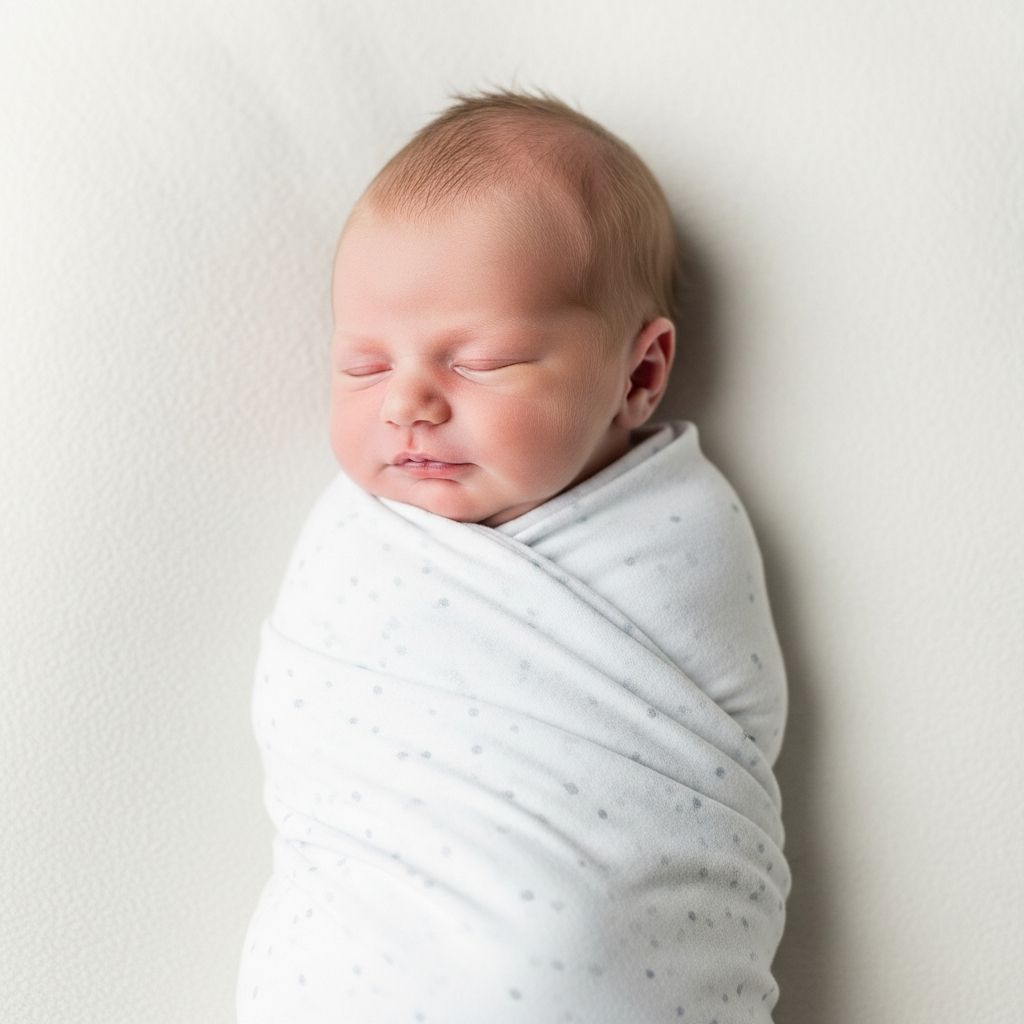
Swaddling blankets can be a lifesaver during the exhausting newborn phase, but they can also be confusing, overhyped, or misused. This guide breaks down what actually matters so you can keep your baby comfortable and safe without overspending or drowning in fabric.
Why Swaddling Matters in the Newborn Months
Newborns arrive with a strong startle (Moro) reflex that can easily wake them from sleep. A snug swaddle mimics the close, contained feeling of the womb, which can help them feel secure and reduce those sudden jerks that interrupt rest.
For many families, safe and appropriate swaddling becomes one tool in a larger sleep strategy, alongside room-sharing, consistent routines, and responsive caregiving. The goal is not to “force” babies to sleep, but to remove unnecessary disturbances that leave everyone overtired and frazzled.
Key Benefits of Swaddling (When Done Safely)
- More settled sleep: By limiting flailing arms and legs, a snug swaddle can reduce self-waking caused by the startle reflex.
- Soothing effect: Many babies calm faster when wrapped, especially when swaddling is paired with rocking, white noise, or gentle shushing.
- Reduced face scratching: Covered hands keep sharp newborn fingernails away from delicate skin.
- Warmth without loose blankets: Instead of piling covers in the crib, a swaddle offers contained warmth that is less likely to migrate over the face when used correctly.
Real Risks Parents Need to Understand
Swaddling is not automatically safe just because it’s common or marketed as such. The problems rarely come from swaddling itself and more often from how, when, and with what it is done.
- Risk of suffocation: If the blanket comes loose, it can cover the baby’s face or bunch around the neck. Poorly secured swaddles and oversized blankets are frequent culprits.
- Breathing and SIDS concerns: Swaddled babies placed on their sides or stomachs have a higher risk of dangerous breathing issues than those placed on their backs.
- Overheating: Heavy fabrics, multiple layers, and warm rooms can push a baby’s temperature too high, which is linked to unsafe sleep conditions.
- Hip problems: Wrapping the legs too tightly or forcing them straight can interfere with healthy hip development.
Safe Sleep Ground Rules Before You Swaddle
Think of swaddling as an add-on to safe sleep practices, never as a replacement. The basics still rule.
- Always put your baby down on their back to sleep.
- Use a firm, flat sleep surface (crib, bassinet, or play yard) with a fitted sheet only.
- Keep the sleep space free of pillows, loose blankets, bumpers, toys, and positioners.
- Avoid bed-sharing when your baby is swaddled, as you may not feel subtle changes in their breathing or position.
- Stop swaddling as soon as your baby shows signs of rolling, even once.
Common Types of Swaddling Products
Not all swaddling blankets are created equal. Some are simple and flexible; others promise a “magic” solution but add complexity or risk.
| Product Type | What It Looks Like | Main Advantages | Possible Downsides |
|---|---|---|---|
| Classic square blanket | Large fabric square, usually muslin, cotton, or bamboo blend. | Very versatile; can be used for swaddling, burping, nursing cover, stroller shade. | Requires learning a fold; can come loose if wrapped incorrectly or too loosely. |
| Velcro or snap swaddle | Pouch or sack with wings that fasten with Velcro, snaps, or zippers. | Easy to use; faster nighttime changes; more consistent fit. | Less flexible fit for unusual body shapes; noisy Velcro can startle baby when adjusting. |
| Sack with “arms up” design | Wearable sack that holds arms up near the face instead of pinned at the sides. | Allows self-soothing by hand-to-mouth; can be a good bridge to sleep sacks. | Not ideal for every baby; fit and sizing must be correct to avoid riding up. |
| Stretchy wrap | Long, stretchy knit fabric used to wrap snugly around the body. | Very snug, womb-like feel; adjustable tension. | Steeper learning curve; can lead to overheating in warm climates. |
Materials and Fabric Weight: Getting It Right
Swaddling fabric should be breathable, lightweight, and appropriate for your climate and bedroom temperature. A good rule of thumb: dress your baby in one more layer than you would wear comfortably in the same room.
- Muslin cotton: Popular for a reason—lightweight, breathable, softens with washing, and works in most seasons with correct clothing layers underneath.
- Jersey knit: Stretchy and cozy; great for snug wraps, but can trap more heat than open-weave muslin.
- Bamboo blends: Often very soft and drapey; can be comfortable in warmer conditions but may be pricier.
- Avoid thick fleece for sleep: Fleece and very plush fabrics are better as receiving blankets or for supervised wake time, not for overnight swaddling.
Good, Bad, and Gimmicky Swaddling Purchases
It’s easy to spend a lot of money on baby products that sound amazing but don’t deliver. Swaddling gear is no exception.
Smart Swaddling Purchases
- A small set (3–6) of large, lightweight square blankets that wash and dry quickly.
- One or two easy-closure swaddles (Velcro or zipper) in newborn and 0–3 month sizes.
- Neutral designs that can work for future babies or be resold or passed along.
Products to Question or Skip
- Weighted swaddles or blankets: Extra weight can put unnecessary pressure on a baby’s chest and interfere with natural movement and breathing.
- Oversized, thick blankets for sleep: They tend to come loose, ride over the face, and cause overheating.
- Complex multi-piece systems: Anything that requires multiple clips, inserts, or positioning aids often adds risk and frustration without clear benefit.
- Products claiming to “prevent SIDS”: Be extremely skeptical of safety claims that sound too good to be true. Good swaddling supports safe sleep practices; it doesn’t replace them.
How to Swaddle Safely: Practical Checklist
There are many wrapping techniques, but the underlying safety principles are the same. Focus less on perfection and more on the following checkpoints.
- Neckline below the shoulders: The top edge of the swaddle should rest at or below the shoulder line, never near the mouth or nose.
- Snug across the chest: You should be able to fit two fingers between the fabric and the baby’s chest, but the blanket should not gape or sag.
- Roomy at the hips: Hips and legs should move freely into a frog-like position; avoid wrapping legs straight and tight together.
- Arms position chosen intentionally: Some babies settle best with arms down, others with hands near the face; whichever position you choose, the fabric should not creep up over the chin.
- Regular temperature checks: Feel the baby’s chest or back, not hands and feet, to gauge warmth; sweaty skin, damp hair, or flushed cheeks are signs to remove a layer.
Signs Swaddling Is Not Working for Your Baby
Some babies simply do not enjoy being swaddled, and forcing the issue can backfire. Watch your child’s cues instead of assuming every newborn “needs” a swaddle.
- Persistent, escalated crying every time you attempt to wrap, even when you adjust technique, room temperature, and timing.
- Visible struggle to break free, resulting in half-unwrapped blankets and fabric bunching near the face.
- Worsening sleep once wrapped compared with free-limb naps in a safe sleep environment.
Transitioning Away from Swaddling
Swaddling is a short-term tool, not a permanent sleep solution. The transition away from it usually happens much earlier than new parents expect.
- Start when rolling appears: The very first attempts to roll (even if incomplete) mean traditional arms-in swaddling should end.
- Move to arms-out or sleep sacks: Many families shift to wearable blankets that leave arms free but keep the torso warm.
- Wean in stages: Try one arm out for a few nights, then both arms, then eventually a regular sleep sack or well-fitting pajamas without swaddling.
How Many Swaddles Do You Really Need?
Baby gear marketing suggests you need an overflowing drawer of specialty products. In reality, a modest, well-chosen collection is enough for most families.
- 3–4 large muslin blankets for rotating through laundry, spit-ups, and daytime use.
- 2–3 easy-closure swaddles in the current size for nighttime use.
- 1–2 next-size-up sleep sacks on deck for when you stop swaddling.
Balancing Safety, Budget, and Convenience
When deciding what to buy, filter every option through three lenses: safety, practicality, and affordability. The cutest pattern or trendiest brand is irrelevant if the fabric runs hot, rides up, or never leaves its package.
- Choose products that clearly explain age, weight range, and safe use on the packaging.
- Prioritize easy washing and drying—newborn life involves constant laundry.
- Resist stockpiling in advance; your baby’s size, temperament, and seasonal needs may differ from what you expected.
Frequently Asked Questions About Swaddling Blankets
How long can I safely swaddle my baby?
Most babies are swaddled effectively only during the first two or three months, and many parents stop sooner. Once your baby shows signs of rolling, arms-in swaddling should end immediately, even if they still seem to sleep better that way.
Is it okay to swaddle for every nap and overnight sleep?
Swaddling for both naps and nighttime is common, but breaks are valuable. Allowing your baby some awake time with free arms and legs supports movement, stretching, and motor development, especially during the day.
What if my baby only sleeps when swaddled?
If your newborn settles only in a swaddle, focus on using it safely while you gradually build other soothing strategies, like consistent bedtime routines and responsive comfort. Start introducing short, supervised naps in a sleep sack as your baby gets closer to rolling.
Are hand-me-down swaddles safe to use?
Hand-me-down swaddles are often perfectly safe if they are in good condition and made from breathable, non-weighted fabrics. Check that fasteners still hold well, seams are intact, and the size is appropriate for your baby’s current weight and age.
Can I swaddle if I practice contact naps or babywearing?
Swaddling and babywearing or contact naps should not be combined without great care, because the extra layers and restricted movement can lead to overheating or awkward head positions. When your baby is in a carrier or asleep on your chest, dress them lightly instead and keep airways fully visible.
Final Thoughts on Swaddling Blankets
Swaddling blankets are tools, not magic wands. Used thoughtfully, they can ease your baby’s transition from womb to world and buy your family a bit more rest, especially in those blurry first weeks. The safest and most satisfying choices are usually simple: breathable fabrics, sensible quantities, and careful attention to your baby’s cues and developmental milestones.