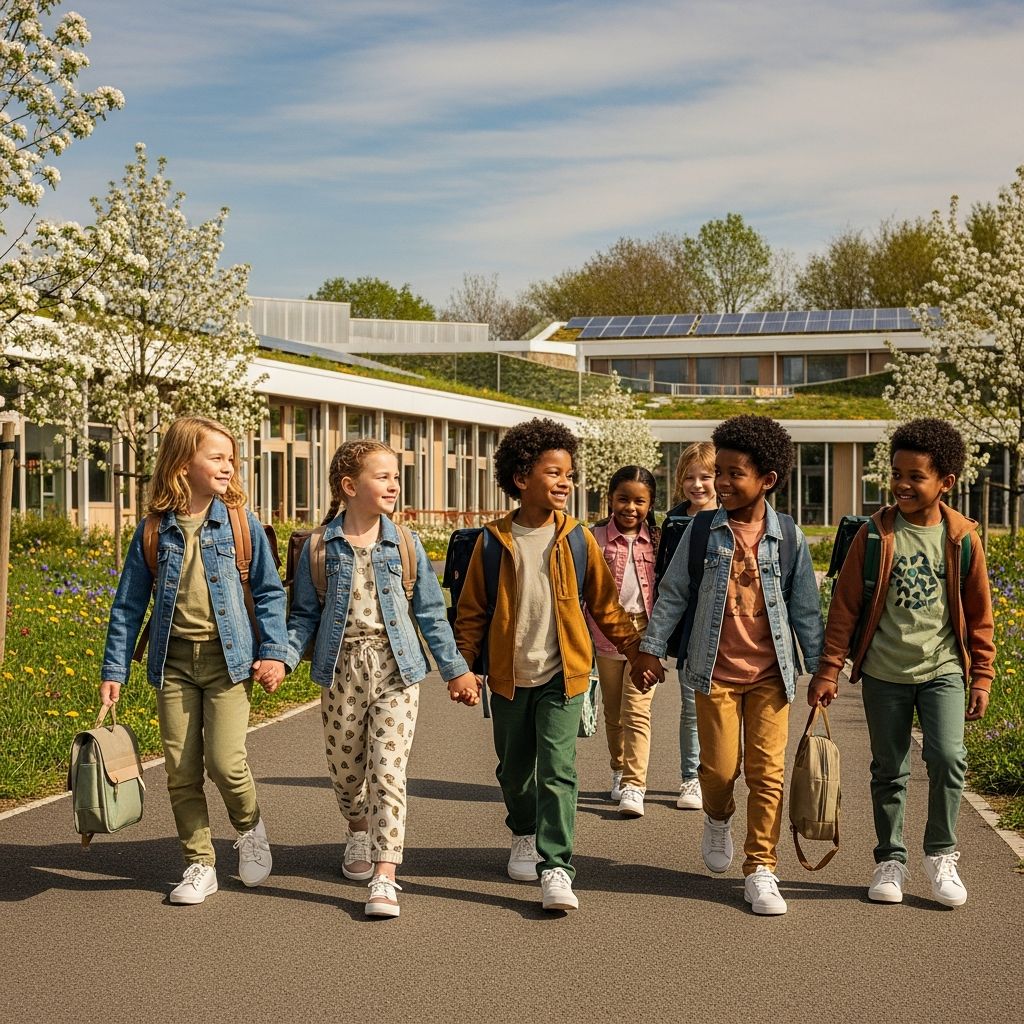
As parents prepare for the academic year ahead, the conversation around children’s clothing has shifted beyond simple aesthetics and price points. Today’s caregivers increasingly recognize that the choices made during back-to-school shopping carry broader implications for their children’s health, comfort, and the planet’s wellbeing. The fashion industry, particularly the sector producing children’s apparel, represents a significant environmental challenge, with conventional manufacturing processes consuming vast amounts of water and chemicals while generating substantial textile waste. By thoughtfully selecting sustainable options, parents can address these concerns while simultaneously investing in clothing that offers superior durability and comfort for active children navigating their daily school adventures.
Understanding the Foundation: Why Organic Cotton Matters for Children
The fabric foundation of any thoughtful children’s wardrobe begins with understanding material composition and its implications. Organic cotton stands as a cornerstone of sustainable kids’ clothing, distinguished by its cultivation practices that exclude synthetic pesticides and fertilizers. This distinction carries real-world benefits that extend from the growing fields to the skin of young wearers.
Conventional cotton production, while ubiquitous, relies heavily on chemical inputs that can persist on fabric fibers and potentially irritate sensitive young skin. Organic cotton, certified through rigorous standards such as the Global Organic Textile Standard (GOTS), undergoes production processes that eliminate these concerns. The certification requires verification at every stage, from fiber cultivation through manufacturing, ensuring transparency that parents can trust. Beyond individual health considerations, the environmental mathematics support organic production: organic cotton farming requires significantly less water than conventional methods and generates healthier soil ecosystems over time.
When evaluating back-to-school clothing, looking for the GOTS certification mark provides parents with reliable assurance that garments meet established organic standards. Many leading sustainable brands now make this certification a cornerstone of their product lines, recognizing that parent-consumers increasingly demand this level of accountability and transparency.
Creating a Functional Capsule System: Strategic Pieces Over Quantity
The traditional approach to children’s clothing shopping often emphasizes volume—accumulating numerous items to create seemingly endless outfit combinations. However, a more sustainable and practical philosophy prioritizes intentionally selected pieces that work together harmoniously, reducing overall volume while expanding actual wearing options.
This capsule wardrobe approach begins with essential basics. High-quality, breathable tees and long-sleeved tops in neutral colors form the foundation. These pieces serve multiple purposes: they layer beneath outerwear for temperature management, operate as standalone garments during milder weather, and coordinate effortlessly with other wardrobe components. By selecting these items in organic cotton with superior construction, parents invest in pieces that withstand repeated laundering and the active play that characterizes childhood.
Layering pieces represent another critical component of functional children’s wardrobes. Lightweight cardigans and jackets accommodate fluctuating classroom temperatures and seasonal transitions without requiring entirely new seasonal wardrobes. Quality layering pieces made from sustainable materials prove invaluable for extending the wearable life of core garments while providing flexibility that responds to children’s varying activity levels throughout the school day.
Durable bottoms designed for movement complete the foundation. Children require pants and other legwear that accommodate active recess periods, physical education classes, and general playground adventures. Sustainable brands increasingly offer bottoms constructed from organic cotton blends or innovative recycled materials that provide stretch and resilience without synthetic plastic-based fibers. These garments maintain their shape and color through frequent washing—a practical necessity for children’s clothing that many budget-focused alternatives fail to deliver.
Material Innovation: Beyond Traditional Organic Cotton
While organic cotton dominates sustainable kids’ fashion discussions, the landscape of eco-conscious materials continues expanding. Contemporary sustainable brands now incorporate recycled fibers, hemp blends, and other innovative materials that reduce environmental impact while maintaining the comfort and durability children require.
Recycled materials represent one significant innovation stream. Textiles reclaimed from post-consumer waste or manufacturing byproducts undergo processing that returns them to fiber form for new garment production. This circularity model reduces pressure on virgin resource extraction while providing a functional solution to textile waste challenges. Brands incorporating recycled materials into children’s collections demonstrate that sustainability and quality need not exist in tension.
Hemp and other plant-based fibers offer additional options for environmentally conscious families. These materials require fewer inputs during cultivation than conventional cotton while providing natural durability and breathability. Some sustainable brands blend these materials with organic cotton, creating hybrid fabrics that combine the advantages of multiple fibers while optimizing performance characteristics.
The manufacturing processes accompanying these materials matter equally. Brands employing solar-powered facilities, water recycling systems, and chemical-free dyeing methods fundamentally reduce the environmental footprint of each garment produced. When evaluating sustainable options, investigating not just materials but also production methodologies provides a more complete picture of a brand’s genuine commitment to environmental responsibility.
Ethical Production and Fair Labor Considerations
Sustainable children’s clothing encompasses more than environmental practices; it fundamentally includes ethical labor conditions and fair compensation for workers. Parents selecting sustainable options often discover that these brands prioritize transparent supply chains and Fair Trade certifications that guarantee workers receive equitable wages and operate in safe conditions.
Many leading sustainable kids’ clothing brands maintain domestic manufacturing or partner with facilities maintaining rigorous labor standards. This approach, while sometimes reflected in slightly higher price points, ensures that the value chain—from fiber production through final garment delivery—honors human dignity alongside environmental protection. For families seeking to align their purchasing with their values, this ethical dimension represents a crucial consideration that distinguishes truly sustainable brands from those employing superficial “greenwashing” strategies.
Practical Shopping Recommendations for Back-to-School Success
- Prioritize quality over quantity: Select fewer garments of superior construction and materials rather than accumulating numerous lower-quality items that deteriorate quickly
- Verify certifications: Look for recognizable certifications like GOTS on organic items and Fair Trade marks on ethically produced clothing
- Consider durability features: Seek reinforced seams, high-quality fasteners, and fabrics designed to withstand repeated washing and active wear
- Choose neutral foundational colors: Build around colors that coordinate easily and allow accessories to introduce variety without necessitating duplicate core pieces
- Invest in layering options: Quality hoodies, cardigans, and lightweight jackets extend seasonal versatility and reduce the need for climate-specific replacements
- Research brand transparency: Investigate manufacturing locations, material sourcing, and environmental certifications before purchasing
- Explore second-hand options: Thrift stores and children’s consignment retailers offer sustainable alternatives to new purchases while supporting circular consumption models
Addressing Common Parent Concerns About Sustainable Children’s Clothing
Cost Considerations and Long-Term Value
The perception that sustainable children’s clothing commands premium pricing often reflects an incomplete cost analysis. While sustainable garments may cost more per item, their superior durability means fewer replacements over time. A single quality organic cotton shirt lasting two school years represents better value than purchasing three lower-quality alternatives annually. When calculating true cost-per-wear, sustainable options frequently emerge as the economical choice, particularly for families with multiple children who can pass garments forward through sibling wardrobes.
Style and Fashion Expression
Sustainable brands increasingly recognize that children deserve clothing reflecting contemporary aesthetics rather than sacrificing style for environmental principles. Contemporary sustainable collections feature thoughtful design, age-appropriate aesthetics, and color palettes that appeal to young wearers while maintaining the durability and quality that define the category. Children can express individuality through sustainable fashion without compromise.
Sizing and Fit for Growing Children
Quality construction and natural fibers maintain their integrity through sizing ranges that accommodate children’s growth. Garments designed with generous hems and adjustable features can transition across sizing changes, extending wear life further. Some sustainable brands specifically design collections with growth accommodations in mind, recognizing that children outgrow clothing through height and development rather than garment deterioration.
Frequently Asked Questions About Sustainable Kids’ Fashion
Q: What makes GOTS certification meaningful for children’s clothing?
A: GOTS (Global Organic Textile Standard) certification establishes rigorous requirements across the entire supply chain, from fiber cultivation through garment manufacturing. It ensures organic cotton is grown without synthetic pesticides or fertilizers and processed without harmful chemicals, guaranteeing that garments touching children’s skin meet established safety and environmental standards.
Q: How can I identify genuine sustainable brands versus companies using greenwashing?
A: Authentic sustainable brands provide transparent information about material sourcing, manufacturing locations, certifications, and environmental practices. Look for verifiable third-party certifications rather than unsubstantiated brand claims. Research company websites and contact manufacturers directly with questions about their production methods.
Q: Are sustainable children’s clothes appropriate for active play and sports?
A: Yes, sustainable brands increasingly design collections specifically for active children. Organic cotton blends, recycled materials, and innovative fabrics provide the stretch, durability, and breathability necessary for playground activities, physical education, and active play while maintaining environmental and ethical standards.
Q: Can sustainable clothing be passed between siblings effectively?
A: Quality sustainable clothing often retains its integrity through multiple children and years of wear. Superior construction, natural fibers, and thoughtful design mean garments maintain color, shape, and function through extended use. This makes sustainable pieces ideal investments for families planning to reuse clothing across multiple children.
Q: Where can families find sustainable children’s clothing options?
A: Many established sustainable kids’ brands operate online stores with direct-to-consumer models. Additionally, specialty retailers focusing on sustainable products, conventional retailers’ eco-conscious lines, and second-hand consignment shops all offer sustainable options at various price points.
Q: How should I care for organic cotton and sustainable materials to maximize garment life?
A: Follow care label instructions carefully, typically involving cool-water washing and line drying to preserve fiber integrity. Avoid excessive heat, which can damage natural fibers. Proper care extends garment lifespan significantly and maintains the performance characteristics that justify investment in quality sustainable pieces.
Building Long-Term Sustainability Habits Through Children’s Fashion Choices
Back-to-school shopping represents more than a seasonal logistical necessity; it constitutes an opportunity for families to align consumption practices with environmental values. By selecting sustainable children’s clothing, parents model decision-making that considers broader impacts beyond immediate convenience or lowest cost. These choices communicate to young people that quality, durability, and environmental responsibility merit consideration in purchasing decisions—lessons extending far beyond fashion into lifelong consumption patterns.
Sustainable children’s clothing evolves continually as brands respond to parent demand for quality, ethics, and environmental responsibility. The contemporary marketplace offers genuine alternatives to conventional fast fashion approaches, providing families with options that serve children’s immediate comfort needs while contributing to long-term environmental health. Whether beginning with a single organic cotton shirt or committing to an entire sustainable wardrobe overhaul, each choice represents meaningful progress toward more responsible consumption patterns.
References
- Global Organic Textile Standard (GOTS) — GOTS International Working Group. Accessed 2026-04-02. https://www.global-standard.org/
- Back to School Shopping List: The Sustainable Version — Mini Mioche. Accessed 2026-04-02. https://minimioche.com/blogs/the-mmanual/back-to-school-shopping-list-the-sustainable-version
- 9 Sustainable Brands For Organic Kids Clothes — The Good Trade. 2026. https://www.thegoodtrade.com/features/childrens-organic-clothing/
- Top 5 Sustainable Brands for Kids: Back-to-School Edition — Jenel Elizabeth’s Journals. October 5, 2023. https://jenelizabethsjournals.com/2023/10/05/top-5-sustainable-brands-for-kids-back-to-school-edition/
- Fair Trade International — Fair Trade USA & Fairtrade International. Accessed 2026-04-02. https://www.fairtradeusa.org/
- Organic Cotton Facts and Figures — Textile Exchange. 2025. https://www.textileexchange.org/