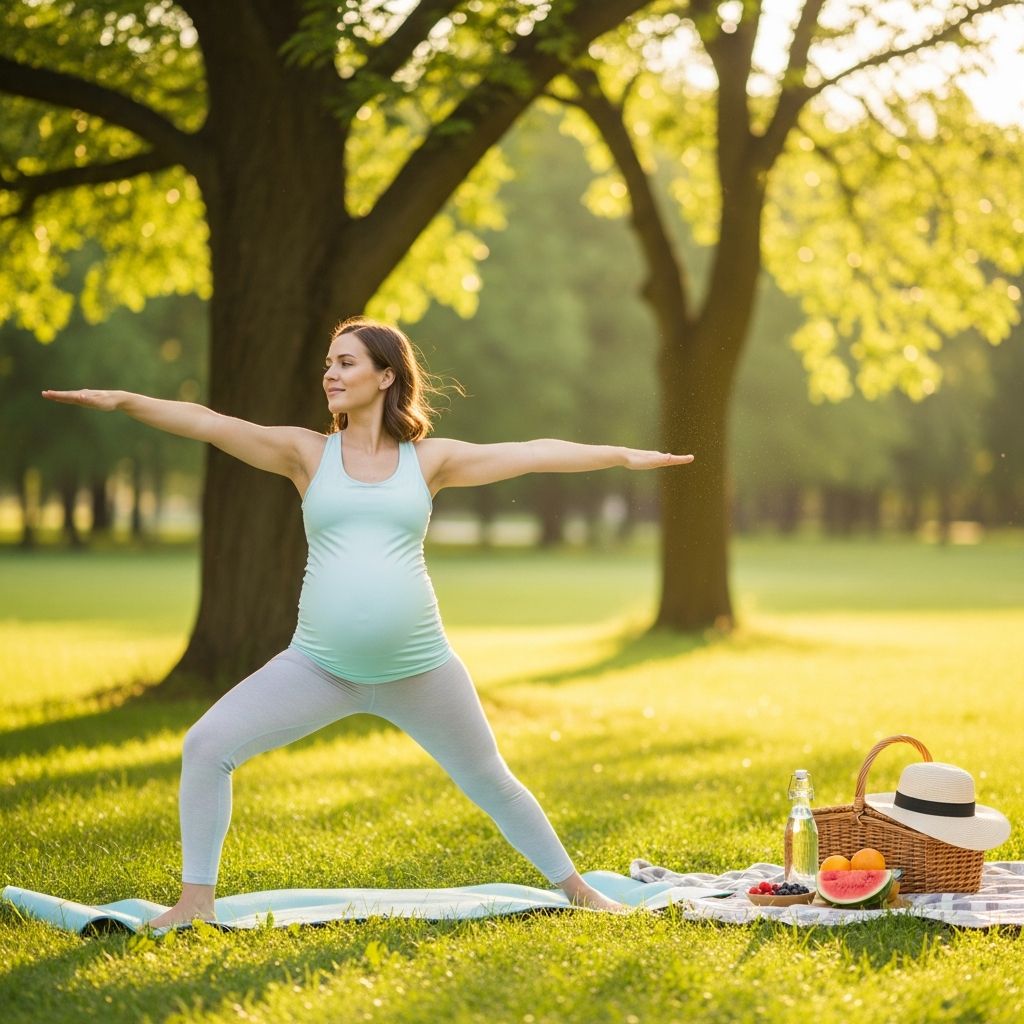
Understanding Pregnancy and Summer Heat Sensitivity
Pregnancy fundamentally alters how a woman’s body responds to environmental conditions, particularly high temperatures. During this critical period, a pregnant woman’s body undergoes significant physiological changes that make her more susceptible to heat-related complications. The increased blood volume circulating through the body brings additional warmth closer to the skin’s surface, creating a sensation of heightened temperature sensitivity that can make even mild summer days feel intensely hot.
This increased heat sensitivity isn’t merely a matter of discomfort—it carries genuine health implications. Pregnant women face elevated risks of experiencing heat exhaustion, heat stroke, and other heat-related illnesses compared to non-pregnant individuals. Additionally, dehydration during pregnancy can trigger serious complications including headaches, dizziness, overheating, and potentially even preterm contractions. Understanding these physiological changes is the first step toward implementing effective protective measures.
Comprehensive Hydration Strategy for Expectant Mothers
Water intake becomes critically important during pregnancy, and summer conditions amplify this necessity significantly. The human body requires more water during pregnancy to support increased blood volume, the development of amniotic fluid, and the baby’s overall growth and development. When summer heat enters the equation, hydration demands rise even further as the body works overtime to regulate internal temperature.
The American Pregnancy Association recommends that pregnant women consume 8 to 12 glasses of water daily under normal circumstances. However, during summer months or when at higher elevations, healthcare providers often recommend increasing intake to 2 to 3 liters of pure water each day. This baseline should be supplemented with an additional 8-ounce glass for every hour of outdoor exercise or work.
Hydration extends beyond water consumption alone. While water should serve as the primary source of fluid intake, other beverages and foods contribute to overall hydration. Fresh fruits, particularly those with high water content like watermelon and strawberries, offer both hydration and essential nutrients. Coconut water provides electrolytes that help with fluid retention and balance. Even refreshing smoothies made with fruits and yogurt can contribute meaningfully to daily fluid intake while providing additional nutritional benefits.
The key is developing a consistent hydration habit rather than waiting until thirst signals emerge. By the time thirst becomes noticeable, mild dehydration may have already begun affecting the body. Keeping a water bottle readily accessible throughout the day serves as a practical reminder to maintain consistent fluid intake, particularly during outdoor activities or when engaging in physical exercise.
Strategic Sun Protection and Skin Care During Pregnancy
Pregnancy triggers hormonal changes that significantly alter skin pigmentation patterns and increase sensitivity to ultraviolet radiation. One particularly common condition that develops during pregnancy is melasma, characterized by dark patches appearing on the face. These spots result from increased melanin production stimulated by hormonal fluctuations and sun exposure. While melasma typically fades after pregnancy, the condition can persist in some cases, making prevention through sun protection particularly valuable.
Sunscreen selection requires careful consideration during pregnancy. Healthcare providers consistently recommend mineral-based sunscreen formulations containing zinc oxide or titanium dioxide as active ingredients. These mineral formulations sit on top of the skin rather than being absorbed into the bloodstream, offering a safer profile for both mother and developing baby compared to chemical sunscreen alternatives. Pregnant women should seek broad-spectrum protection with a minimum SPF of 30, though SPF 50 provides additional security.
Application protocol matters significantly for sunscreen effectiveness. Initial application should occur before heading outdoors, with reapplication required every two hours during outdoor time. Reapplication becomes especially critical after sweating, swimming, or water activities. Even on cloudy days, ultraviolet rays penetrate cloud cover and reach the skin, so sun protection should remain part of the daily routine regardless of weather conditions.
Beyond sunscreen, additional protective measures provide comprehensive coverage. Wide-brimmed hats with a minimum 3-inch brim effectively shield the face, ears, and neck from direct sun exposure. UV-blocking sunglasses protect delicate eye tissue and the surrounding facial skin. When possible, lightweight long-sleeved shirts and pants made from breathable materials provide physical barriers against ultraviolet radiation while maintaining comfort in warm weather.
Sun exposure timing also influences overall safety and comfort. The sun’s ultraviolet intensity peaks between 10 a.m. and 4 p.m., making this window the optimal time to limit outdoor exposure or seek protective shade. Scheduling outdoor activities during cooler morning or evening hours allows pregnant women to enjoy outdoor time while minimizing heat stress and sun exposure simultaneously.
Intelligent Clothing Selection for Temperature Regulation
Clothing choices during pregnancy directly impact comfort level, temperature regulation, and overall health during summer months. The foundation of smart summer dressing involves selecting loose-fitting garments that allow adequate air circulation around the body. Tight or restrictive clothing traps body heat and restricts air movement, exacerbating heat discomfort and potentially contributing to heat rashes—a common pregnancy complaint.
Fabric selection deserves equal attention to garment fit. Natural, breathable materials facilitate superior moisture wicking and air circulation compared to synthetic alternatives. Cotton represents a classic choice offering excellent breathability, softness, and accessibility. Linen provides even superior moisture-wicking properties, though it may wrinkle more readily than cotton. Bamboo and rayon fabrics offer additional breathable alternatives that many pregnant women find comfortable and flattering. These natural fiber options allow skin to breathe while sweat evaporates efficiently, maintaining body temperature regulation.
Color selection influences heat absorption significantly. Dark colors absorb sunlight and heat, increasing the overall temperature both on clothing and against the skin. Light-colored garments, particularly whites and pastels, reflect sunlight rather than absorbing it, maintaining cooler temperatures. This simple color choice can create a noticeable difference in comfort levels during outdoor activities.
Specialty maternity clothing designed specifically for warm weather offers both practical and stylistic benefits. Maternity-specific designs accommodate the growing belly while utilizing breathable fabrics and loose-fitting silhouettes that promote air circulation. Maternity tank tops, flowy dresses, and specially designed athletic wear allow freedom of movement while maintaining comfort as the body changes throughout pregnancy.
Layering provides flexibility for temperature fluctuations throughout the day. Starting with a lightweight base layer allows for simple removal or addition of clothing pieces as ambient temperature changes. This approach prevents overheating while ensuring adequate coverage and sun protection during the entire day.
Creating Cool Indoor Environments and Limiting Heat Exposure
While outdoor summer activities offer valuable health and wellness benefits, creating sanctuary spaces indoors during peak heat hours provides essential relief and safety. Air conditioning, when available, maintains interior temperatures in a comfortable range and prevents dangerous overheating. For homes without air conditioning, strategic use of fans improves air circulation and provides some cooling benefit, particularly when indoor temperatures remain below 90°F.
Simple environmental adjustments minimize heat accumulation indoors. Closing curtains and blinds during the hottest parts of the day prevents direct sunlight from streaming through windows and raising interior temperatures. This practice maintains cooler conditions indoors with minimal effort or energy expenditure.
Cool showers and baths offer immediate temperature regulation and provide refreshing relief during particularly hot days. Using a spray bottle filled with cool water to mist the face and body delivers quick relief during outdoor activities or indoor heat management. These simple cooling techniques provide comfort without requiring special equipment or preparation.
Strategic outdoor timing maximizes enjoyment while minimizing heat exposure. Planning outdoor activities during cooler morning and evening hours allows pregnant women to remain active while avoiding peak heat periods. When outdoor time during warmer hours becomes necessary, frequent breaks in air-conditioned spaces or shaded areas prevent overheating and allow core body temperature to normalize.
The CDC HeatRisk Dashboard provides location-specific information about heat risk levels, helping pregnant women make informed decisions about outdoor activities. Yellow heat risk days may present manageable conditions with appropriate precautions, while Orange and Red days warrant significant limitations on outdoor exposure, especially for pregnant women. Consulting with healthcare providers helps establish individual heat sensitivity thresholds and appropriate activity modifications.
Managing Swelling and Circulation During Warm Months
Heat intensifies a common pregnancy complaint: swelling in the feet, ankles, and legs. Pregnancy naturally increases fluid retention, and summer heat exacerbates this tendency as the body redistributes fluids to maintain temperature regulation. While this swelling typically poses no serious concern, it creates significant discomfort and may interfere with mobility and daily activities.
Elevation provides one of the most effective swelling management strategies. When possible throughout the day, raising the feet and legs above heart level reduces fluid accumulation in lower extremities and improves circulation. Taking regular breaks to elevate feet, particularly after periods of standing or activity, can noticeably reduce swelling and associated discomfort. Even brief elevation periods—15 to 20 minutes every few hours—provide meaningful relief.
Beyond elevation, wearing appropriate footwear supports circulation and reduces swelling. Loose-fitting shoes with minimal heel height allow natural foot expansion during the day. Compression socks, designed specifically for pregnancy, provide gentle pressure that promotes blood flow and reduces fluid accumulation in lower legs and feet.
Gentle massage and partner support enhance circulation and provide comfort. Light massage of the feet, calves, and ankles increases blood flow and helps mobilize accumulated fluid. Many pregnant women find that having a partner provide foot massages combines physical benefit with emotional support and connection.
Safe Exercise and Physical Activity During Summer Pregnancy
Maintaining physical activity during pregnancy provides substantial health benefits for both mother and baby, but summer conditions require careful activity modifications. Exercise during pregnancy is generally safe and encouraged, provided women avoid high-risk activities such as contact sports, skydiving, or skiing.
Low-impact exercises offer optimal safety and comfort profiles during summer pregnancy. Swimming represents an exceptional choice, as water immersion provides natural cooling while supporting the body’s increased weight and reducing joint stress. Walking at a comfortable pace allows outdoor activity while maintaining manageable intensity and heart rate elevation. Strength training and core exercises maintain muscle tone and prepare the body for labor and delivery, but modifications ensure safety as pregnancy progresses.
Warm-up and cool-down routines remain important, though emphasis should focus on preventing overheating rather than causing additional heat buildup. Always warm up before exercise and stretch afterward to maintain flexibility. However, avoid exercises that intentionally raise core body temperature, such as hot yoga, hot tubs, and saunas, as pregnancy already increases heat sensitivity.
Exercise timing during summer deserves special attention. Morning or evening workouts when temperatures remain cooler offer optimal conditions for physical activity. Even indoor exercise becomes appealing during peak heat hours—swimming at an indoor pool, indoor walking tracks, or home-based exercise routines maintain activity levels while avoiding heat exposure.
Pregnant women demonstrate increased susceptibility to heat-related illness during exercise, making overexertion particularly risky. Regular breaks during outdoor activity allow heart rate to normalize and core temperature to decrease. Maintaining hydration before, during, and after exercise becomes absolutely critical during summer months.
Nutritional Support for Summer Pregnancy Wellness
Summer produce offers abundant opportunities for nutritional excellence during pregnancy. A balanced diet incorporating varied fruits, vegetables, lean proteins, and whole grains provides essential nutrients supporting both maternal health and fetal development. Summer’s peak agricultural season brings fresh options at their nutritional peak.
Water-rich fruits and vegetables serve dual purposes: providing hydration and delivering vital nutrients. Melons, berries, citrus fruits, cucumbers, tomatoes, and leafy greens combine high water content with vitamins, minerals, and fiber essential during pregnancy. Incorporating these foods into daily meals and snacks improves overall nutrition while supporting hydration goals.
Protein remains essential for fetal development and maternal health throughout pregnancy. Lean options such as poultry, fish, legumes, and dairy products provide high-quality protein without excessive saturated fat. Cold preparations like grilled chicken salads, Greek yogurt parfaits, and bean-based dishes offer appealing summer meal options.
Whole grains provide sustained energy and important B vitamins needed during pregnancy. Incorporating whole wheat bread, brown rice, quinoa, and oats into summer meals supports energy levels and nutrient intake without overwhelming the system during hot weather.
Recognition and Response to Heat-Related Warning Signs
Pregnant women should remain alert to potential heat-related complications, which may develop more rapidly than in non-pregnant individuals. Understanding warning signs enables prompt response and appropriate medical intervention when needed.
Early signs of heat exhaustion include excessive thirst, lightheadedness, dizziness, and unusual fatigue. Some women experience headaches or notice their heart rate feels elevated. Nausea or mild confusion can indicate developing heat stress. Upon recognizing these symptoms, immediately move to a cool environment, increase fluid intake, and rest until symptoms resolve.
More serious heat stroke symptoms require immediate medical attention. These include very high body temperature (typically 103°F or higher), confusion or difficulty concentrating, loss of consciousness, rapid or weak pulse, and cessation of sweating despite high temperature. Any pregnant woman experiencing these symptoms should call emergency services or proceed to the nearest emergency facility immediately.
Frequently Asked Questions About Summer Pregnancy Safety
How much water should a pregnant woman drink daily during summer?
The American Pregnancy Association recommends 8 to 12 glasses daily normally, but during summer months healthcare providers often suggest 2 to 3 liters of pure water daily, plus an additional 8 ounces for every hour of outdoor activity or exercise.
Is mineral-based sunscreen safer than chemical sunscreen during pregnancy?
Yes. Mineral sunscreens containing zinc oxide or titanium dioxide sit on skin surface rather than being absorbed into the bloodstream, making them a safer choice during pregnancy compared to chemical alternatives.
Can pregnant women safely exercise during summer?
Yes, exercise is encouraged during pregnancy. Low-impact options like swimming and walking are optimal during summer. Avoid high-risk activities and those that raise core body temperature, take regular breaks, and maintain proper hydration.
What clothing choices help pregnant women stay coolest in summer?
Loose-fitting, breathable natural fabrics like cotton and linen work best. Choose light colors that reflect rather than absorb heat, and consider specialty maternity designs made for warm weather.
When is the best time for outdoor activities during summer pregnancy?
Early morning and evening hours offer cooler conditions and lower peak UV intensity compared to midday hours between 10 a.m. and 4 p.m.
How can pregnant women reduce swelling during hot summer months?
Elevate feet and legs above heart level regularly throughout the day, wear loose-fitting shoes or compression socks, stay hydrated, and consider gentle foot massage to improve circulation.
References
- Summer Safety for Expecting Moms — Axia Women’s Health. Accessed April 2026. https://axiawh.com/resources/summer-safety-for-expecting-moms/
- Beat the heat: Eight summer safety tips for moms-to-be — HonorHealth. Accessed April 2026. https://www.honorhealth.com/healthy-living/beat-heat-eight-summer-safety-tips-moms-be
- Coping with Heat and Humidity During Summer Pregnancy — Albuquerque Volcanoes Medical Center. 2023-07-01. https://www.avmc.org/blog/2023/july/coping-with-heat-and-humidity-during-summer-preg/
- 6 Great Tips for Expectant Moms This Summer — Columbia Birth Center. Accessed April 2026. https://www.columbiabirthcenter.com/blog/6-great-tips-for-expectant-moms-this-summer
- 6 Tips for a Safe and Comfortable Summer Pregnancy From Our OB-GYNs — Northwest Women’s Care. Accessed April 2026. https://nwwc.com/6-tips-for-a-safe-and-comfortable-summer-pregnancy-from-our-ob-gyns/
- 5 Tips to Have a Safe, Fun Summer Pregnancy — UNM Health. 2022-04-01. https://unmhealth.org/stories/2022/04/5-tips-safe-fun-summer-pregnancy.html
- Staying Cool, Comfortable, and Safe During a Summer Pregnancy — First 5 California. Accessed April 2026. https://www.first5california.com/en-us/articles/staying-cool-comfortable-and-safe-during-a-summer-pregnancy/
- 5 Steps to Prepare for Hot Days for Pregnant Women — Centers for Disease Control and Prevention. Accessed April 2026. https://www.cdc.gov/heat-health/media/pdfs/tips-for-pregnant-woman-508.pdf