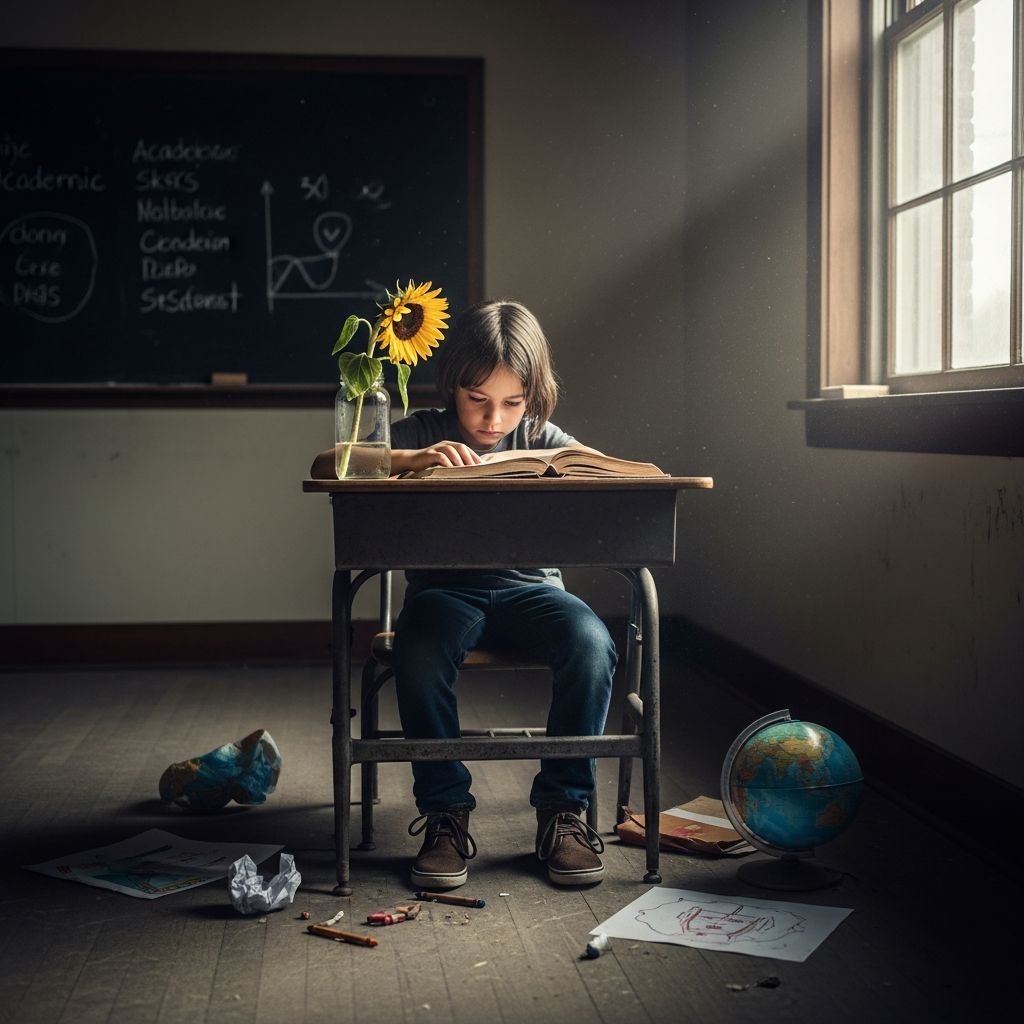
Extended school breaks have long posed challenges to student progress, but the COVID-19 pandemic significantly worsened this phenomenon, known as summer learning loss or the ‘COVID slide.’ Research indicates students lost ground in core subjects like math and reading, with disproportionate impacts on certain groups. This article breaks down the science, pandemic effects, and parent-led interventions to mitigate these setbacks.
Understanding the Basics of Summer Learning Loss
Summer learning loss refers to the decline in academic skills students experience during extended vacations away from structured schooling. Studies dating back decades show that, on average, children lose about one month’s worth of school-year learning over summer, with losses more pronounced in mathematics than reading.
Key characteristics include:
- Subject disparities: Math skills erode faster due to the cumulative nature of mathematical concepts, while reading may plateau or slightly improve with home exposure.
- Grade-level trends: Upper elementary and middle school students face steeper declines, as abstract thinking demands consistent practice.
- Equity gaps: Students from low-income backgrounds often lose more, widening achievement disparities.
These patterns arise because school provides essential repetition and advancement, absent during breaks. Without intervention, cumulative losses over multiple summers can equate to years of stalled progress.
How COVID-19 Amplified the Summer Slide
The pandemic disrupted traditional schooling, blending routine summer loss with unprecedented ‘COVID slides’—prolonged academic pauses mimicking extended summers. A NWEA analysis of millions of students projected severe setbacks: in a full ‘COVID slide’ scenario, students could lose 25-30% of school-year gains, especially in math.
| Aspect | Pre-Pandemic Summer Loss | Pandemic-Exacerbated Loss |
|---|---|---|
| Math | ~1 month equivalent | Up to 2+ months, rapid decline in upper grades |
| Reading | Minimal to slight gain | Consistent slide across grades |
| Affected Groups | Low-income, minorities | All students, deepened inequities |
School closures in 2020 halted most summer programs, with districts struggling to deliver even reduced virtual options in 2021 due to staffing shortages and health protocols. Federal recovery funds helped in some areas, but many programs lacked duration or bridging to fall curricula, limiting impact.
Mental Health’s Hidden Role in Learning Erosion
Beyond academics, pandemic stress compounded losses. Chronic anxiety from isolation, family hardships, and uncertainty impairs neurological development, hindering memory consolidation and executive function—critical for retaining skills over breaks.
Research from the Collaborative for Academic, Social, and Emotional Learning (CASEL) emphasizes integrating social-emotional supports in summer activities. Students need peer connections and mental health resources to rebuild resilience, preventing stress-induced forgetting.
- Play-based interactions foster emotional regulation.
- Mindfulness exercises reduce cortisol, aiding focus.
- Counseling continuity bridges summer gaps.
Addressing these holistically shifts programs from pure remediation to whole-child development.
Proven Parental Strategies to Combat Brain Drain
Parents play a pivotal role in curbing losses without recreating school. Evidence highlights low-pressure, engaging methods over drills.
Daily Reading Rituals
Independent reading is the most researched countermeasure. Children who read for 20 minutes daily maintain or gain reading proficiency, offsetting potential slides. Choose high-interest books, audiobooks, or graphic novels to build vocabulary and comprehension organically.
- Library visits or apps like Epic! for variety.
- Family read-alouds for bonding and modeling fluency.
- Reading logs with stickers for motivation, not pressure.
Math in Everyday Adventures
Incorporate math through play: cooking (fractions), shopping (budgets), or games (board games like Monopoly teach probability). Apps like Prodigy gamify practice, sustaining skills without burnout.
Enrichment Through Experiences
Field trips to museums, parks, or science centers reinforce STEM. Journaling trips connects writing to real-world observation, blending subjects seamlessly.
Consistent routines—morning academics (30-45 mins), afternoon free play—mirror school structure lightly, preserving habits.
Evaluating Summer Programs: What Works Post-Pandemic
While parental efforts suffice for many, structured programs offer benefits. A 2022 study of eight programs found small math gains (0.03 SD), especially for elementary students, consistent across demographics.
Choose programs with:
- Balanced academics and recreation.
- SEL components for mental health.
- Transitions to school-year goals.
However, evidence remains limited; prioritize quality over quantity.
Frequently Asked Questions (FAQs)
What is the average summer learning loss in math?
Students typically lose about one month’s progress, worsening to two months during pandemic-era breaks, per NWEA data.
Does reading really prevent brain drain?
Yes, daily reading sustains reading skills and indirectly supports math through improved comprehension, as confirmed by multiple studies.
Are summer programs worth the cost?
Effective ones yield modest gains, particularly in math for younger kids, but home strategies often match outcomes at no cost.
How does stress affect summer learning?
High stress disrupts brain functions like memory, amplifying losses; incorporate play and relaxation to counteract.
Which kids are most at risk?
Low-income, minority, and upper elementary students face the steepest declines due to fewer home resources.
Long-Term Outlook: Building Resilient Learners
Post-pandemic recovery continues, but proactive summers prevent entrenched gaps. By blending academics with joy, parents equip children for sustained success. Track progress with fall assessments, adjusting as needed. Ultimately, viewing breaks as growth opportunities transforms potential loss into enrichment.
(Word count: 1678)
References
- 5 Things to Know About How the Pandemic Has Deepened Summer Learning Loss — Education Week. 2022-07-13. https://www.edweek.org/leadership/5-things-to-know-about-how-the-pandemic-has-deepened-summer-learning-loss/2022/07
- The COVID-19 Slide: What Summer Learning Loss Can Tell Us — NWEA (ERIC ED609141). 2020. https://eric.ed.gov/?id=ED609141
- Summer learning loss: What is it, and what can we do about it? — Brookings Institution. 2019-06-20. https://www.brookings.edu/articles/summer-learning-loss-what-is-it-and-what-can-we-do-about-it/
- It’s science: Summer brain drain is real—but there’s an easy way to prevent it — Mother.ly. 2021. https://www.mother.ly/life/summer-brain-drain-during-pandemic/
- Summer Learning Loss: What We Know and What We’re Learning — NWEA. 2024. https://www.nwea.org/blog/2024/summer-learning-loss-what-we-know-what-were-learning/