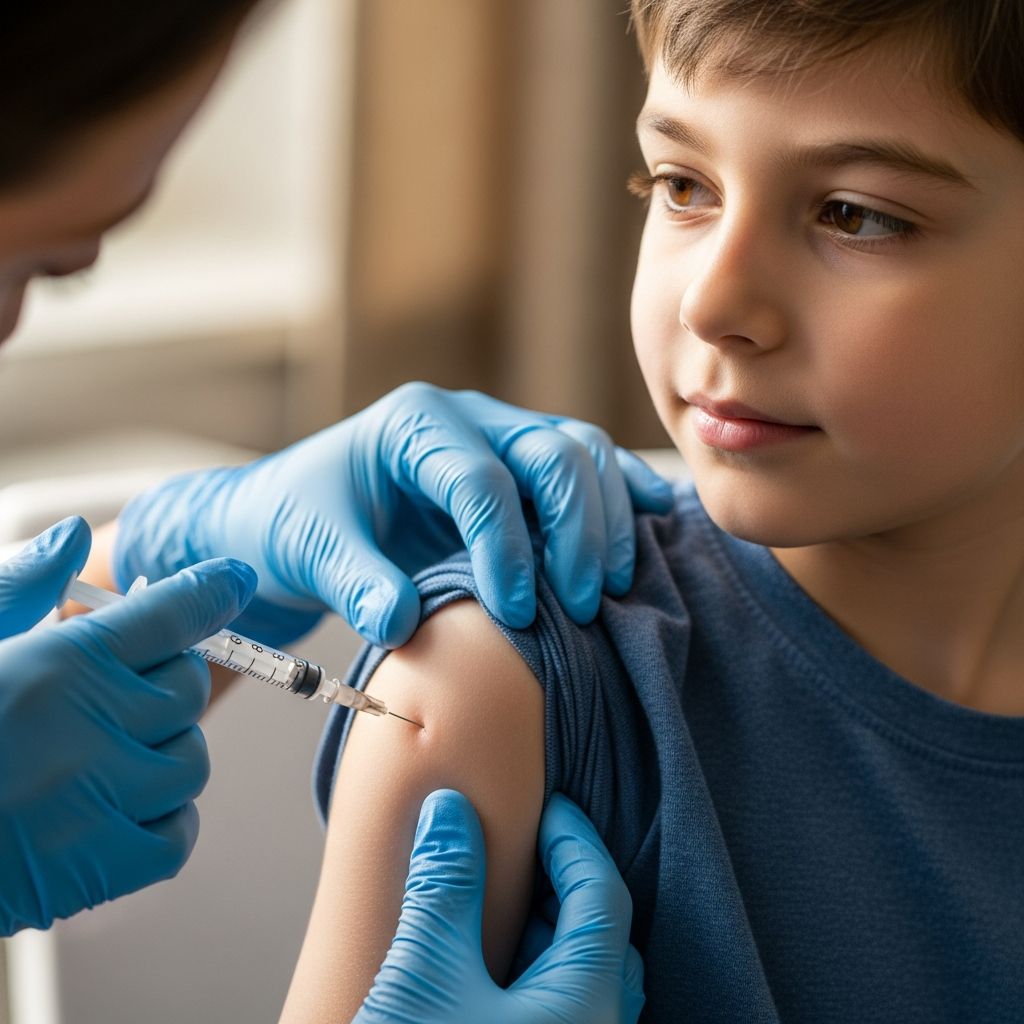
Subcutaneous injections deliver medication into the fatty tissue layer just beneath the skin, allowing for slow and steady absorption. This method is commonly used for treatments like insulin, growth hormone, and certain vaccines in children. Parents often learn to administer these at home under medical guidance, reducing the need for frequent clinic visits.
Understanding Subcutaneous Injections
The skin consists of several layers: the outer epidermis, the thicker dermis, and below that, the subcutaneous layer rich in fat cells. Injections target this fatty area to ensure the medicine spreads gradually without entering muscle or blood vessels. Unlike intramuscular shots, which go deeper into muscle, subcutaneous ones use shorter needles to stay in the fat layer, minimizing pain and complications.
Common medications given this way include insulin for diabetes management, epinephrine for emergencies, octreotide, and growth factors like mecasermin. These require slower absorption than oral or intravenous routes. For children, proper technique is crucial to avoid lumps (lipohypertrophy) from repeated use of the same site, which can slow drug uptake.
Why Choose Subcutaneous Delivery for Kids?
This route suits medications needing consistent, prolonged release. It’s ideal for home use since it doesn’t require veins, making it accessible for parents trained by healthcare providers. Rotating sites prevents tissue damage, ensuring even absorption over time. Studies and guidelines emphasize its safety when sites are varied, particularly in areas with ample subcutaneous fat like thighs and abdomen.
Age-Appropriate Injection Sites
Selecting the right site depends on a child’s age, body composition, and fat distribution. Infants have more fat in specific areas, while older children offer additional options.
| Age Group | Recommended Sites | Needle Length & Gauge | Notes |
|---|---|---|---|
| Birth to 12 months | Middle outer thigh (front, avoid inner/back) | 5/8-inch (16 mm), 23-25 gauge | Pinch skin to lift fat layer; vastus lateralis area. |
| 12 months to 3 years | Outer thigh or upper outer triceps | 5/8-inch (16 mm), 23-25 gauge | Thigh primary; triceps as fat develops. |
| 3 years and older | Thigh, abdomen, buttocks, upper arms | 5/8- to 1-inch (16-25 mm), 23-25 gauge | Rotate daily; abdomen for ease in older kids. |
Always clean the site with alcohol, pinch the skin to form a fold, insert at 45-90 degrees depending on fat thickness, and release slowly. For thin children, a 90-degree angle ensures depth without hitting muscle.
Essential Supplies and Preparation Steps
Gather supplies: syringe or pen device, medication vial, alcohol swabs, gauze, sharps container, and optional numbing cream. Wash hands thoroughly. Check medication expiration and dosage per prescription.
- Draw air into syringe equal to dose, inject into vial, then withdraw exact amount.
- Tap syringe to remove bubbles, expel excess air.
- Swab site in circular motion, let dry.
- Position child comfortably, explain briefly and positively.
- Pinch skin, insert needle quickly, inject steadily, withdraw, and press with gauze.
For auto-injectors or pens, follow device-specific instructions provided by nurses.
Rotating Sites to Prevent Complications
Daily rotation is vital. Repeated injections in one spot cause lipohypertrophy—fatty lumps that impair absorption. Use a body map or plasters to track sites. Divide areas into zones: for thighs, imagine quadrants and alternate. Abdomen works well around the navel (avoid 2 inches around). Buttocks for larger kids, outer upper areas.
As children grow, reassess sites; upper arms become viable with sufficient fat. Consult your provider if lumps appear—they’re benign but require site avoidance.
Pain Management Techniques by Age
Needles cause brief discomfort, but strategies reduce it significantly. Tailor to developmental stage.
For Infants (0-12 Months)
- Apply topical numbing cream (e.g., EMLA) 30-60 minutes prior.
- Administer oral sucrose (24% solution: sugar packet in 2 tsp water) on tongue or pacifier moments before and during.
- Breastfeed or use pacifier simultaneously; skin-to-skin contact soothes.
For Toddlers (1-3 Years)
- Distract with bubbles, pinwheels, songs, or hand-squeezing.
- Sucrose on pacifier; short countdowns.
- Avoid false promises; say “quick pinch” honestly.
For School-Age Children (4+ Years)
- Guided imagery: imagine favorite place, describe senses.
- Deep breathing: “blow tension away.”
- Music, counting, or naming objects.
- Involve them: let hold supplies or swab site when ready.
Post-injection praise reinforces bravery. Cold packs after can ease soreness.
Step-by-Step Injection Procedure
1. Preparation: Quiet room, child relaxed. Explain: “This medicine helps you grow strong; it’ll pinch quick.”
2. Site Selection: Choose new spot, mark if needed.
3. Clean and Pinch: Alcohol swab, pinch 1-2 inches of skin.
4. Insert and Inject: Quick needle entry (45° for infants, 90° others), count to 5 while pushing plunger slowly.
5. Withdraw and Care: Straight out, no rubbing. Praise immediately.
If resistance felt, stop and reposition—never force.
Common Challenges and Solutions
- Fear/Anxiety: Practice with saline or demo dolls. Role-play positively.
- Movement: Enlist helper to hold gently; never restrain harshly.
- Bleeding/Lumps: Apply pressure; rotate sites religiously.
- Device Issues: Pens may jam—prime first per instructions.
Training and When to Seek Help
Hospitals like Great Ormond Street provide hands-on training. Watch for infection signs: redness, swelling beyond 24 hours, fever. Contact provider if unsure about technique or reaction. Empower older kids gradually for independence.
Frequently Asked Questions (FAQs)
What if my child refuses the injection?
Stay calm, use distraction, involve routines like post-shot treat. Consistency builds trust; consult pediatrician for severe phobia.
How often should I rotate sites?
Daily, using a different spot each time within safe zones to avoid tissue changes.
Can I reuse needles?
No—always use new, sterile ones to prevent infection.
Is numbing cream safe for all kids?
Yes, under guidance; apply correct amount and time.
What needle size for my toddler?
Typically 5/8-inch, 23-25 gauge for thighs/triceps.
Long-Term Success Tips
Track injections in a log: date, site, dose. Celebrate milestones. Parental confidence reduces child stress—practice on fruit if anxious. Regular follow-ups ensure proper growth/response to therapy.
With these strategies, subcutaneous injections become manageable, supporting your child’s health effectively at home.
References
- Giving subcutaneous injections — Great Ormond Street Hospital. 2023. https://www.gosh.nhs.uk/conditions-and-treatments/procedures-and-treatments/giving-subcutaneous-injections/
- Subcutaneous injections: Injecting at home — AboutKidsHealth.ca. 2023. https://www.aboutkidshealth.ca/scinjections
- Vaccine Administration: During Vaccination — Centers for Disease Control and Prevention (CDC). 2024-10-01. https://www.cdc.gov/vaccines/hcp/administration/during.html
- How Can I Get My Child Through an Injection? — Mount Sinai Health System. 2023. https://health.mountsinai.org/blog/how-can-i-get-my-child-through-an-injection-or-blood-draw/
- Injections (subcutaneous) — Children’s Minnesota. 2023. https://www.childrensmn.org/educationmaterials/childrensmn/article/15551/injections-subcutaneous/