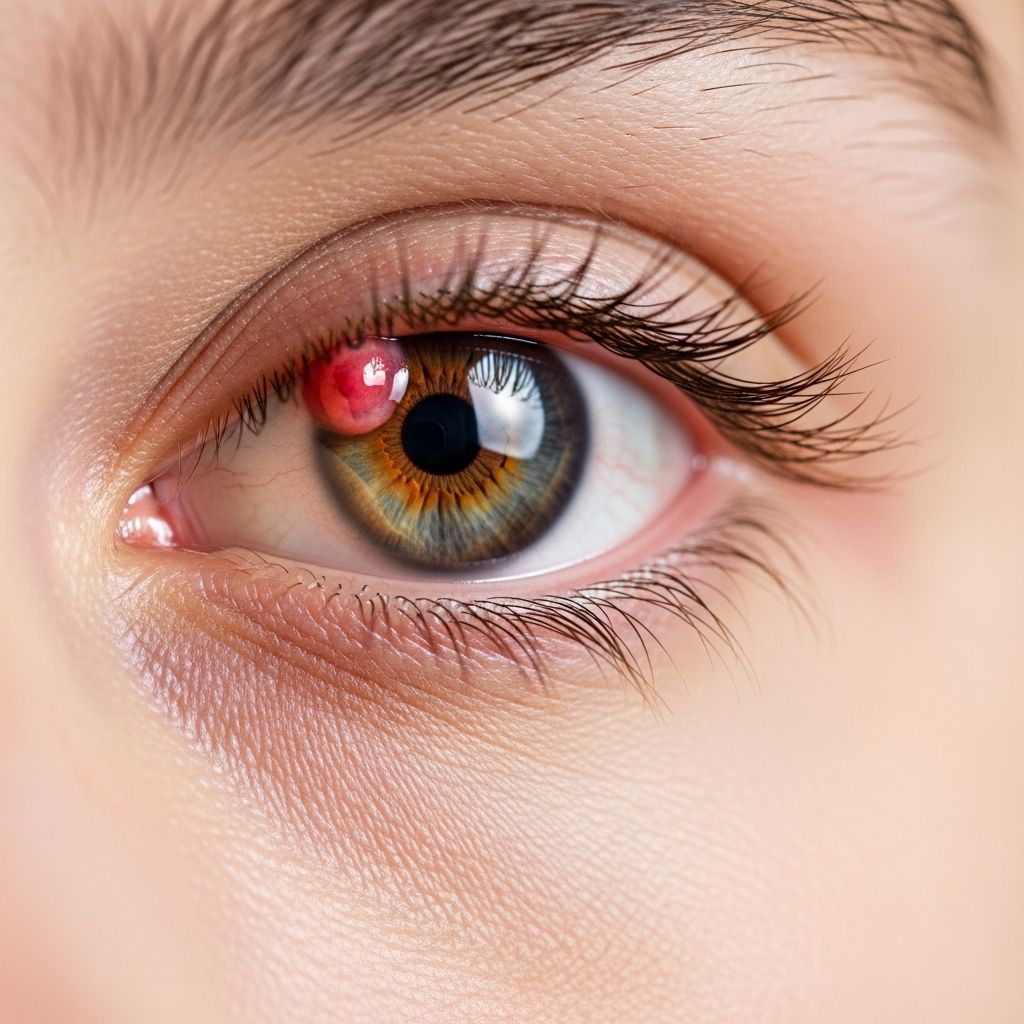
Waking up with a sore, swollen bump on your eyelid can be annoying and a little scary, especially if you planned to see friends, go to school, or take photos that day. A stye is a very common eyelid problem, and although it can be uncomfortable, it usually looks worse than it really is.
This guide explains what a stye is, why it happens, how to treat it safely at home, and when it is smart to get help from a doctor or trusted adult.
What Exactly Is a Stye?
A stye is a small, painful lump that usually forms near the edge of your eyelid. It often looks like a tiny pimple or red bump next to an eyelash. It can appear on the upper or lower lid and may be filled with a small amount of pus.
- Most styes are caused by irritation and infection in the tiny oil glands or hair follicles along your eyelid.
- They usually affect just one eye and often show up suddenly over a day or two.
- Styes are typically harmless and go away on their own, even though they can be uncomfortable while they last.
Even though a stye is technically an infection, it is usually located in the eyelid, not the eyeball itself, and it rarely causes long-term eye problems when handled correctly.
How a Stye Forms
Your eyelids have rows of eyelashes, and each lash has its own tiny follicle and nearby oil gland. These glands make oils that help keep the eye moist and comfortable. When one of these areas gets clogged with oil, dirt, makeup, or bacteria, it can swell and become infected, turning into a stye.
Think of it as something similar to a pimple on your face: a pore or follicle gets blocked, bacteria move in, and inflammation builds up until a bump appears. The same basic idea happens with a stye, just in a more sensitive location.
Common Signs and Symptoms
Styes often have a very recognizable look and feel. The symptoms can range from mild to pretty annoying, but they usually stay limited to the eyelid.
- A small, red bump on the eyelid edge, often near the base of an eyelash
- Tenderness, soreness, or a feeling of pressure in the eyelid
- Swelling of a small area of the lid, sometimes spreading to more of the lid
- Tearing or watery eyes
- Crusting on the eyelashes when you wake up
- A feeling like there is something in your eye, even though nothing is actually there
In some cases, the center of the bump may look yellowish as pus collects under the surface. Occasionally, the entire eyelid can look puffy, but the most painful part is usually just around the stye itself.
Who Gets Styes and Why?
Anyone can get a stye, including young children, teens, and adults. Certain habits or conditions make styes more likely to show up, especially around busy school or sports schedules when sleep and hygiene can slip.
Everyday Habits That Raise Your Risk
- Rubbing your eyes with unwashed hands
- Leaving eye makeup on overnight
- Using old, expired mascara or eyeliner
- Sharing makeup or eyeliner with friends
- Not cleaning contact lenses properly or wearing them for too long
These habits can push bacteria into the tiny glands of your eyelids or block them with oils and debris, making infection more likely.
Skin and Eye Conditions That Can Play a Role
- Oily skin or acne-prone skin, which can mean more clogged glands in general
- Chronic eyelid irritation (sometimes called eyelid inflammation or blepharitis)
- Certain skin conditions that cause redness and bumps on the face and eyelids
- Medical conditions that weaken the immune system or make infections more likely
Having one or more of these does not mean you will definitely get a stye, but it can explain why some people have them more often than others.
Are Styes Contagious?
Styes themselves are not usually passed from one person to another the way a cold or the flu is. However, the bacteria on the skin or eyelids can spread from person to person if you are not careful about hygiene.
- Avoid sharing makeup, washcloths, or towels with others.
- Wash your hands before and after touching your eyelids.
- Change pillowcases regularly if you have an active stye.
Good hygiene protects both you and the people around you, and it also lowers the chance that a stye will spread from one eye to the other.
Home Care: What You Can Safely Do
Most styes can be managed at home with simple, gentle care. The main goal is to reduce discomfort and help the blocked gland open and drain on its own.
Warm Compresses
Heat is one of the most effective home treatments for a stye. Warmth helps melt thickened oils and encourages the stye to drain naturally.
- Soak a clean washcloth in warm (not hot) water.
- Wring it out so it does not drip.
- Gently place it over your closed eyelid for 5–10 minutes.
- Repeat several times a day with a freshly rinsed cloth.
If the cloth cools quickly, re-warm it with more water. The goal is comfortable, steady warmth—not burning heat. Never microwave a cloth directly against your skin without checking the temperature carefully first.
Gentle Eyelid Cleaning
Keeping the area clean helps reduce bacteria and prevent new blockages from forming. Use very mild products and avoid scrubbing.
- Wash your hands thoroughly before touching the eyelid.
- Use a gentle cleanser made for the face or eyelids, or follow your doctor’s instructions.
- Wipe along the lash line with a clean cotton pad or swab, moving away from the eye.
Do not use harsh soaps, strong acne products, or any chemical that stings, burns, or seems designed for other parts of the body.
What to Avoid
- Do not squeeze, pop, or “pick at” the stye like a pimple.
- Do not wear eye makeup until the stye has healed.
- Do not wear contact lenses if the stye is painful or if your eye feels irritated.
- Do not use random leftover eye drops or ointments without checking with a parent or doctor.
Popping a stye can spread infection, irritate the eyelid, and delay healing. It is much safer to let it drain on its own, even if that takes a little patience.
When to See a Doctor
While many styes improve with home care in a few days, there are times when a medical professional should take a look. It is always okay to ask a parent, guardian, school nurse, or doctor for advice if something about your eye worries you.
| Situation | Why It Matters |
|---|---|
| Stye does not improve or keeps getting bigger after several days | May need prescription medication or a different diagnosis |
| Very painful swelling or difficulty opening the eye | Could suggest a deeper or more serious infection |
| Changes in vision, such as blurriness or trouble seeing | Vision symptoms always deserve professional attention |
| Redness or swelling spreading to other areas of the face | In rare cases, infection can spread and needs urgent treatment |
| Styes keep coming back again and again | There may be an underlying eyelid or skin condition |
A doctor might prescribe antibiotic ointment, special eye drops, or, in some cases, gently drain the stye in a safe, sterile way. This is usually quick and done in an office setting.
What About Lumps That Don’t Hurt?
Sometimes, after a stye calms down, a small, firm bump may remain in the eyelid. This is often called a different type of eyelid cyst and may not be tender or red anymore.
- These painless bumps can take weeks to months to fade.
- If the lump bothers you, interferes with vision, or simply does not go away, a doctor can discuss treatment options.
Even if the bump is not painful, it is still a good idea to mention it during a checkup so a professional can confirm what it is.
Preventing Future Styes
The same habits that keep your skin and eyes healthy can also cut down your chances of getting new styes. Small changes in routine can make a big difference over time.
Daily Habits for Cleaner Lids
- Wash your hands regularly, especially before touching your eyes.
- Remove all makeup before going to bed, including mascara and eyeliner.
- Clean contact lenses exactly as directed, or use daily disposables if prescribed.
- Avoid rubbing your eyes; if they itch, use a clean tissue or talk to a doctor about allergy options.
Makeup and Eye Product Safety
- Replace mascara and liquid eyeliner regularly, following package guidelines.
- Do not share eye makeup, eyelash curlers, or makeup brushes with friends.
- Skip eyeliner on the inner rim of the eyelid if your eyes are sensitive.
- Throw away any product that causes burning, itching, or redness.
If you are someone who gets styes often, your doctor may suggest a gentle eyelid-cleaning routine to do every day, even when your eyes feel normal.
How Long Does a Stye Last?
The timeline for a stye can vary, but many follow a similar pattern. At first, the eyelid feels sore or tender. Within a day or so, a small bump appears, which may grow slightly and then slowly shrink as it drains or heals.
- Many styes improve noticeably in a few days with warm compresses.
- Some may take about a week or a little longer to completely go away.
- Occasionally, the painful part disappears but a tiny firm lump lingers for a longer time.
If you feel that your stye is lasting much longer than expected or keeps returning, it is a good idea to tell an adult and schedule an eye exam.
Living With a Stye: School, Sports, and Social Life
Having a stye during a busy week can be frustrating. It may make you self-conscious about how you look in person or on camera, and it can also be distracting if it hurts. The good news is that most people around you have had a stye at some point and understand that it is temporary.
- If your eye feels sore, you can take a break from screens when possible and use warm compresses after school.
- For sports, check with a coach or nurse if using protective eyewear or skipping a contact lens for a day might help.
- If makeup is part of your daily routine, consider focusing on non-eye products like lip color or blush until the stye heals.
Your comfort and eye health are more important than a few days of changing how you look or play. Taking care of the stye now helps you avoid bigger problems later.
Frequently Asked Questions About Styes
Can I wear makeup if I have a stye?
It is better to avoid eye makeup, such as mascara and eyeliner, while you have a stye. Makeup can block the glands further, slow down healing, and may carry bacteria that irritate the area. Once the stye is gone, consider replacing products you used just before or during the infection.
Is it okay to wear contact lenses with a stye?
If you wear contacts, switching to glasses for a few days can reduce irritation and lower the risk of spreading bacteria to the eye surface. Contacts that touch an irritated eyelid can feel uncomfortable and may also become contaminated. Ask your eye doctor when it is safe to go back to your usual lenses.
Do styes leave scars?
Styes rarely leave visible scars once they heal, especially if you avoid squeezing or picking at them. The skin and eyelid tissue usually return to normal appearance, although a painless lump can sometimes linger and may need a doctor’s attention.
Can stress cause a stye?
Stress alone does not directly create a stye, but it can affect your immune system and daily habits. When life gets hectic, you might rub your eyes more, skip makeup removal, or sleep less, all of which can raise the chance of a stye forming.
Will a stye damage my vision?
A typical stye sits in the eyelid and does not damage the eyeball or your long-term vision. However, if you notice blurred vision, double vision, or trouble seeing clearly, that is a sign to get checked by a medical professional as soon as possible.
Key Takeaways for Teens
- A stye is a small, painful bump on your eyelid that usually heals on its own.
- Warm compresses and gentle eyelid cleaning are the main home treatments.
- Avoid popping the stye, using eye makeup, or wearing contacts until it improves.
- Good hygiene—especially handwashing and makeup removal—can prevent future styes.
- If a stye is very painful, affects your vision, spreads, or keeps coming back, tell an adult and see a doctor.
Understanding what a stye is and how to handle it calmly turns an annoying surprise into something you can manage. With a little care and attention, your eye usually feels and looks normal again before long.