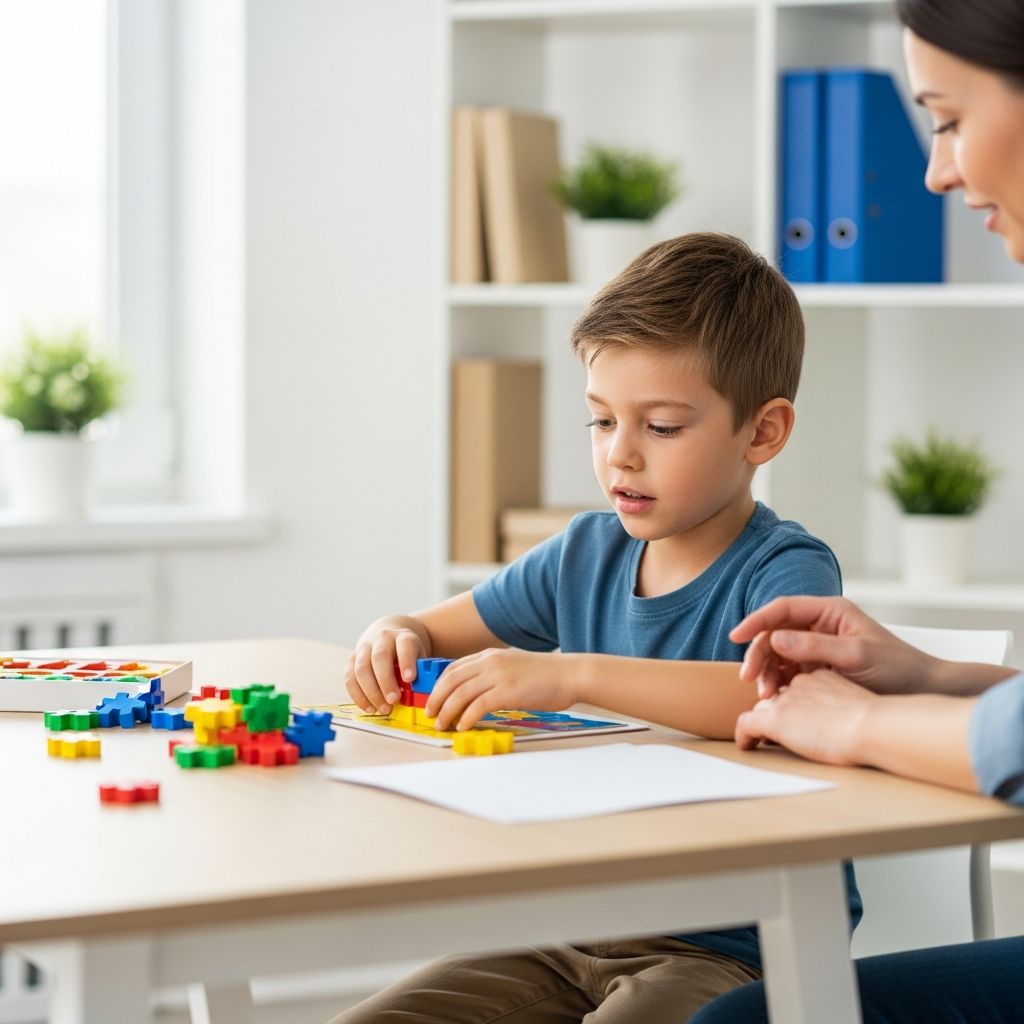
Embracing a holiday season without the pile-up of toys, gadgets, and wrapping paper can redefine family joy. This approach shifts focus from material accumulation to shared moments that build lasting bonds and promote well-being.
Why Ditch the Stuff This Holiday Season?
The pressure to buy more during holidays often leads to financial strain, cluttered homes, and post-celebration regret. Families overwhelmed by excess report higher stress levels, with many spending months decluttering afterward. Opting for minimalism counters this by emphasizing quality time over quantity of items.
Psychological research supports this shift. Studies indicate that experiential gifts foster greater long-term satisfaction compared to physical possessions. People derive more happiness from activities because they create vivid memories and opportunities for gratitude. Moreover, reducing consumption cuts down on waste—holiday packaging alone contributes significantly to annual landfill volumes.
- Financial relief: Avoid debt from impulse buys, saving thousands annually.
- Environmental benefits: Less plastic and paper waste means a greener planet.
- Emotional gains: Stronger family ties through intentional interactions.
Building a Foundation for Change
Transitioning to stuff-free holidays starts with open family discussions. Gather everyone to share expectations and brainstorm ideas. This inclusivity ensures buy-in and excitement. Set ground rules, like one consumable gift per person or experience vouchers only.
Communicate boundaries with extended family early. A polite note or call explaining your values—focusing on memories over materialism—helps align expectations. Suggest alternatives like contributing to a shared experience fund.
| Traditional Approach | Stuff-Free Alternative |
|---|---|
| Mountain of wrapped toys | Tickets to a local show or zoo pass |
| Endless shopping lists | Family game night coupons |
| Cluttered living room | Photo album of planned adventures |
Experience-Based Gift Ideas for All Ages
Creativity shines in non-material gifting. Tailor ideas to recipients’ interests for maximum impact.
For Young Children
Keep it simple and magical. Offer “adventure passes” redeemable for park outings, baking sessions, or storytelling hours. A “build-your-own fort” kit using household items encourages imagination without new purchases.
- Picnic in the backyard with homemade treats.
- Star-gazing night with blankets and hot cocoa.
- DIY craft day using recyclables.
For Tweens and Teens
Teens crave autonomy. Gift time with you: concert tickets, driving lessons, or a mentorship session in their hobby. Create a “date jar” with slips for one-on-one activities like hiking or movie marathons.
For Adults and Grandparents
Subscription to a book club, cooking class enrollment, or a spa day voucher. Personalized time capsules with letters and photos evoke nostalgia without adding clutter.
Pro tip: Present these in handmade envelopes or jars labeled with vibrant descriptions to mimic the excitement of unwrapping.
Curating Intentional Holiday Traditions
Reimagine rituals to prioritize connection. Ditch elaborate decorations for natural elements like pinecones and fairy lights. Limit events to a few meaningful ones, saying no to overload.
- Gratitude circle: Each evening, share one highlight from the day.
- Memory lane walk: Stroll neighborhood lights while recounting past holidays.
- Charity focus: Volunteer together at a shelter or food bank.
- Rest day mandate: Block one full day for unstructured family lounging.
These practices ground celebrations in purpose, reducing FOMO and burnout.
Practical Strategies for a Smoother Season
Planning prevents pitfalls. Create a holiday calendar with buffers for rest. Shop once for consumables like ingredients for shared meals. Declutter pre-season to make space mentally and physically.
Budget wisely: Allocate funds to experiences rather than items. For example, a family museum membership costs less long-term than multiple toys that break quickly.
- Prioritize sleep and self-care to maintain joy.
- Use digital invites to cut paper waste.
- Batch-cook meals for stress-free hosting.
Overcoming Common Challenges
Skepticism from relatives is normal. Lead by example—share photos of your joyful, simplified gatherings. Kids may protest initially; involve them in planning to build ownership.
If pressure mounts, have backup consumables like gourmet hot chocolate mixes or artisanal candles. The goal is progress, not perfection.
Long-Term Benefits for Families
Years into stuff-free holidays, families report calmer seasons and stronger relationships. Children learn value beyond possessions, developing appreciation for time and effort. Homes stay organized, freeing energy for creativity.
Sustainability improves too—fewer items mean less environmental footprint. This mindset extends beyond holidays, fostering mindful living year-round.
Frequently Asked Questions
What if my kids expect gifts?
Involve them early in the planning process. Excitement for experiences often surpasses toys once they understand the fun ahead.
How do I handle gift exchanges with others?
Propose a “no stuff” agreement or suggest donations in lieu of presents. Focus on potlucks or talent shows.
Is this realistic for large families?
Yes—scale by grouping experiences, like a big outing or virtual game night for distant relatives.
Can we still decorate?
Absolutely! Use reusable, sentimental items to keep the spirit alive without excess.
What about Santa?
Adapt: Santa delivers experience coupons or one meaningful book/toy, emphasizing magic through moments.
Sustainable Twists for Eco-Conscious Families
Integrate green practices seamlessly. Opt for digital cards, thrift secondhand wraps, or fabric reusables. Plant a family tree as a living gift symbolizing growth.
Teach kids about impact: Compare toy lifecycle to a concert’s memories. This instills lifelong stewardship.
In summary, stuff-free holidays reclaim the season’s essence—love, laughter, and presence. Start small, stay consistent, and watch your celebrations evolve into cherished traditions.
References
- Experiences Over Material Possessions Lead to Greater Gratitude — Cornell University. 2014-06-20. https://news.cornell.edu/stories/2014/06/people-grateful-experiences-not-possessions
- Holiday Waste Reduction Guidelines — United States Environmental Protection Agency (EPA). 2023-11-15. https://www.epa.gov/recycle/reducing-holiday-waste
- Minimalist Holiday Strategies for Well-Being — American Psychological Association. 2022-12-01. https://www.apa.org/monitor/2022/12/simplicity-holidays
- Consumer Spending and Holiday Debt Statistics — Federal Reserve Bank of New York. 2025-01-10. https://www.newyorkfed.org/microeconomics/hhdc.html
- Benefits of Experiential Gifts on Family Bonds — Journal of Consumer Research (Oxford University Press). 2021-05-18. https://doi.org/10.1093/jcr/ucaa083