Stretch marks, those silvery or reddish lines etched into our skin, often spark initial discomfort or self-consciousness. Yet, they represent profound narratives of transformation, resilience, and vitality. Far from flaws, these natural skin patterns emerge during periods of rapid change, such as puberty, weight fluctuations, or pregnancy, affecting nearly everyone regardless of size, age, or gender. This article delves into the empowering aspects of stretch marks, reframing them as cherished emblems of a life fully lived.
The Science Behind Stretch Marks: A Natural Phenomenon
Stretch marks, medically termed striae, form when the skin stretches faster than its collagen and elastin fibers can adapt. This occurs in the dermis, the skin’s middle layer, leading to visible tears that heal as scar-like lines. According to dermatological research, up to 90% of pregnant women and 70% of adolescents develop them, underscoring their universality.
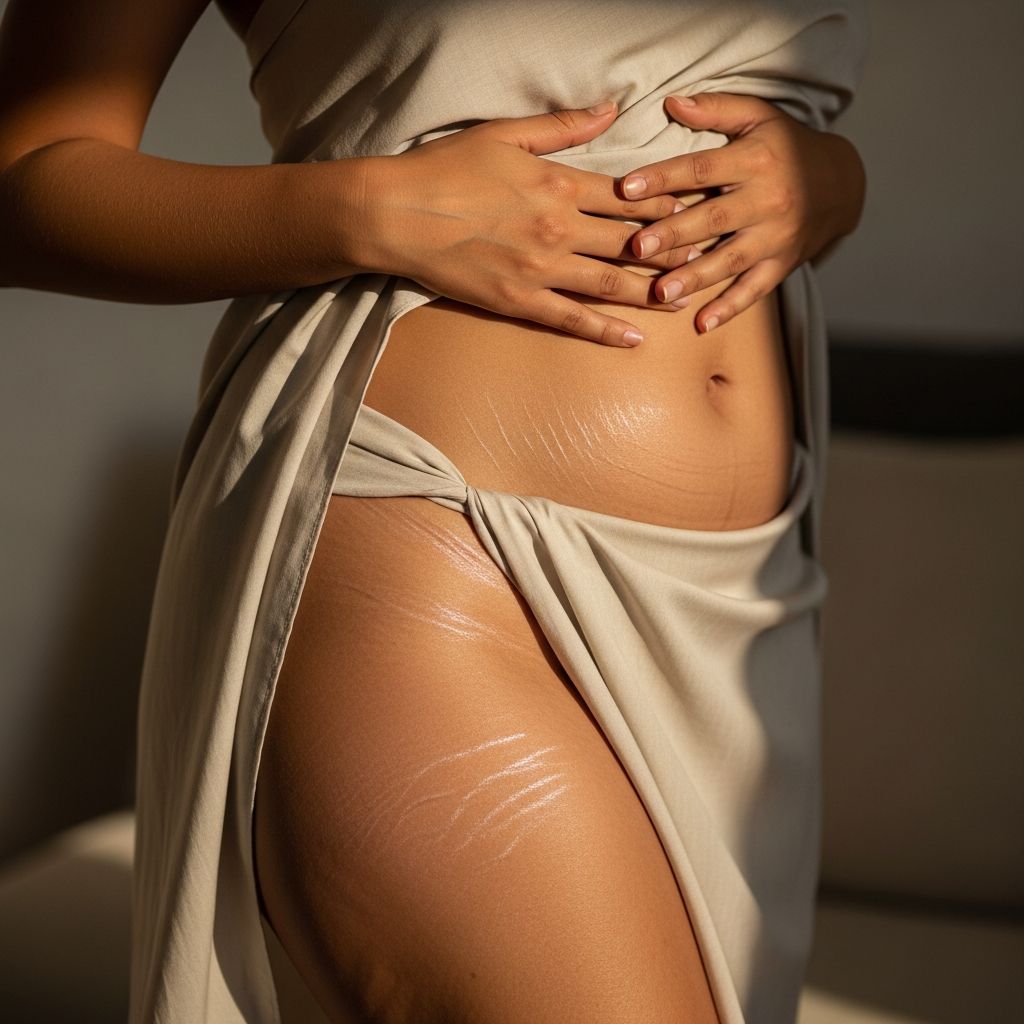
These marks typically appear in vibrant purples, reds, or pinks initially due to inflammation, fading to white or silver over time. Factors like genetics, hormones, and rapid growth influence their prominence. Understanding this biology demystifies stretch marks, positioning them as evidence of the skin’s remarkable adaptability rather than imperfections.
Personal Stories: Stretch Marks as Life’s Milestones
Every stretch mark carries a story. For many, they trace back to adolescence, when bodies surge in growth spurts. Imagine a teenager navigating hormonal shifts, sudden height gains, and curving figures—these lines become souvenirs of that awkward yet miraculous transition from child to adult.
- Puberty’s Signature: Rapid skeletal and muscular development outpaces skin renewal, leaving patterns on hips, thighs, and breasts.
- Weight Journeys: Whether from gaining strength through fitness or natural fluctuations, these marks honor bodily evolution.
- Motherhood’s Map: Pregnancy expands the abdomen dramatically, creating intricate webs that symbolize creation.
One mother shared how her abdominal stripes remind her of carrying her child, turning what society deems unsightly into a profound badge of achievement. Similarly, athletes celebrate thigh marks as proof of muscle-building dedication.
Cultural Shifts: Redefining Beauty Standards
Historically, smooth, unmarred skin symbolized youth and perfection, perpetuated by media and advertising. However, body positivity movements are dismantling these ideals. Celebrities like Adele and Ashley Graham flaunt their stretch marks, normalizing them in fashion campaigns and social media.
This cultural pivot encourages viewing skin as a canvas of experiences. In tribal cultures, scarification serves as rites of passage; modern parallels position stretch marks as contemporary tattoos of endurance. Social media hashtags like #StretchMarksPride amplify voices, fostering communities where shared vulnerabilities build collective strength.
Health Perspectives: What Experts Say
Dermatologists emphasize that stretch marks pose no health risks and require no treatment unless desired for cosmetic reasons. Preventive creams offer limited efficacy, as genetics play the dominant role. Instead, experts advocate moisturizing for skin health and mindset shifts for emotional well-being.
| Common Locations | Typical Causes | Prevalence |
|---|---|---|
| Abdomen, breasts | Pregnancy, weight gain | 80-90% in pregnancies |
| Thighs, hips | Puberty, growth spurts | 70% in adolescents |
| Shoulders, back | Muscle building, rapid expansion | Common in bodybuilders |
This table highlights how ubiquitous and context-specific stretch marks are, normalizing their presence across demographics.
Psychological Benefits of Acceptance
Embracing stretch marks boosts self-esteem and reduces anxiety tied to appearance. Psychological studies link body acceptance to lower rates of depression and eating disorders. By reframing these marks as victories—over puberty’s chaos, pregnancy’s demands, or life’s unpredictability—individuals cultivate resilience.
Therapists recommend mindfulness practices: trace your marks in the mirror, narrate their origins, and affirm their beauty. This ritual transforms shame into pride, enhancing intimacy and confidence in relationships. Partners often find such authenticity alluring, valuing substance over superficial smoothness.
Celebrating Diversity: Colors, Shapes, and Patterns
Stretch marks’ aesthetic variety adds intrigue. Fresh ones gleam in ruby hues, evoking vitality; faded ones shimmer like pearlescent veins. Their irregular, lightning-bolt designs mimic nature’s artistry—think tree bark or river deltas.
- Color Evolution: Reddish initially, silvering with time, each phase a chapter in healing.
- Pattern Uniqueness: No two sets identical, like fingerprints of experience.
- Texture Play: Subtle ridges invite touch, enriching sensory self-appreciation.
Artists draw inspiration, tattooing over them or photographing for exhibits, elevating stretch marks to high art.
Practical Tips for Loving Your Skin
Cultivate appreciation through daily habits:
- Moisturize Mindfully: Use shea butter or oils not to erase, but to honor skin’s work.
- Wear Boldly: Choose crop tops or swimsuits that showcase, defying hiding instincts.
- Journal Origins: Document each mark’s story for reflective empowerment.
- Community Connect: Join online forums sharing photos and testimonies.
- Professional Support: Consult therapists specializing in body image if needed.
These steps bridge acceptance to celebration, turning personal features into sources of joy.
Stretch Marks in Motherhood: A Deeper Connection
For parents, especially mothers, stretch marks often cluster on the belly, mapping gestation’s miracle. They stretch alongside life itself, accommodating a growing miracle. Postpartum, these lines persist as testaments to endurance—through labor, sleep deprivation, and boundless love.
Many report heightened bonding: tracing a mark while nursing evokes gratitude. Pediatric guidelines note such positivity aids maternal mental health, reducing postpartum blues. Fathers and adoptive parents with growth-related marks find similar empowerment, universalizing the theme.
Overcoming Societal Stigma
Ads promising erasure fuel insecurity, yet sales dwindle as awareness grows. Regulations now demand realistic portrayals in beauty campaigns. Education in schools about puberty normalizes marks early, curbing teen distress.
Advocacy groups push for diverse representation, influencing policy. Ultimately, stigma fades when individuals lead by example, baring skin confidently in public spaces.
Frequently Asked Questions (FAQs)
Are stretch marks permanent?
They fade but rarely vanish completely, evolving into subtle lines that blend with skin tone.
Can men get stretch marks?
Yes, commonly on shoulders or backs from muscle gain or weight changes.
Do creams prevent stretch marks?
Evidence is weak; hydration helps skin health but genetics prevail.
Are stretch marks hereditary?
Partially—family history increases likelihood.
How to boost confidence with stretch marks?
Practice affirmations, surround with positive images, and share stories.
Conclusion: Your Body’s Unique Tapestry
Stretch marks weave a tapestry of triumphs, reminding us bodies are dynamic vessels for experience. By honoring them, we reject narrow beauty and embrace holistic worth. Your skin’s story is irreplaceable—wear it with unapologetic pride.
References
- Stretch Marks (Striae) — American Academy of Dermatology. 2023-05-15. https://www.aad.org/public/everyday-care/skin-care-basics/stretch-marks
- Striae Distensae (Stretch Marks) and Different Modalities of Therapy — World Journal of Dermatology (PubMed). 2020-04-01. https://pubmed.ncbi.nlm.nih.gov/32258196/
- Prevalence of Striae Gravidarum in Singleton Pregnancies — National Institutes of Health (NIH). 2022-11-10. https://www.ncbi.nlm.nih.gov/pmc/articles/PMC9604923/
- Body Image and Skin Conditions — Journal of the American Academy of Dermatology. 2024-02-20. https://www.jaad.org/article/S0190-9622(24)00123-4/fulltext
- Stretch Marks in Adolescence — Mayo Clinic. 2023-08-12. https://www.mayoclinic.org/diseases-conditions/stretch-marks/symptoms-causes/syc-20351139