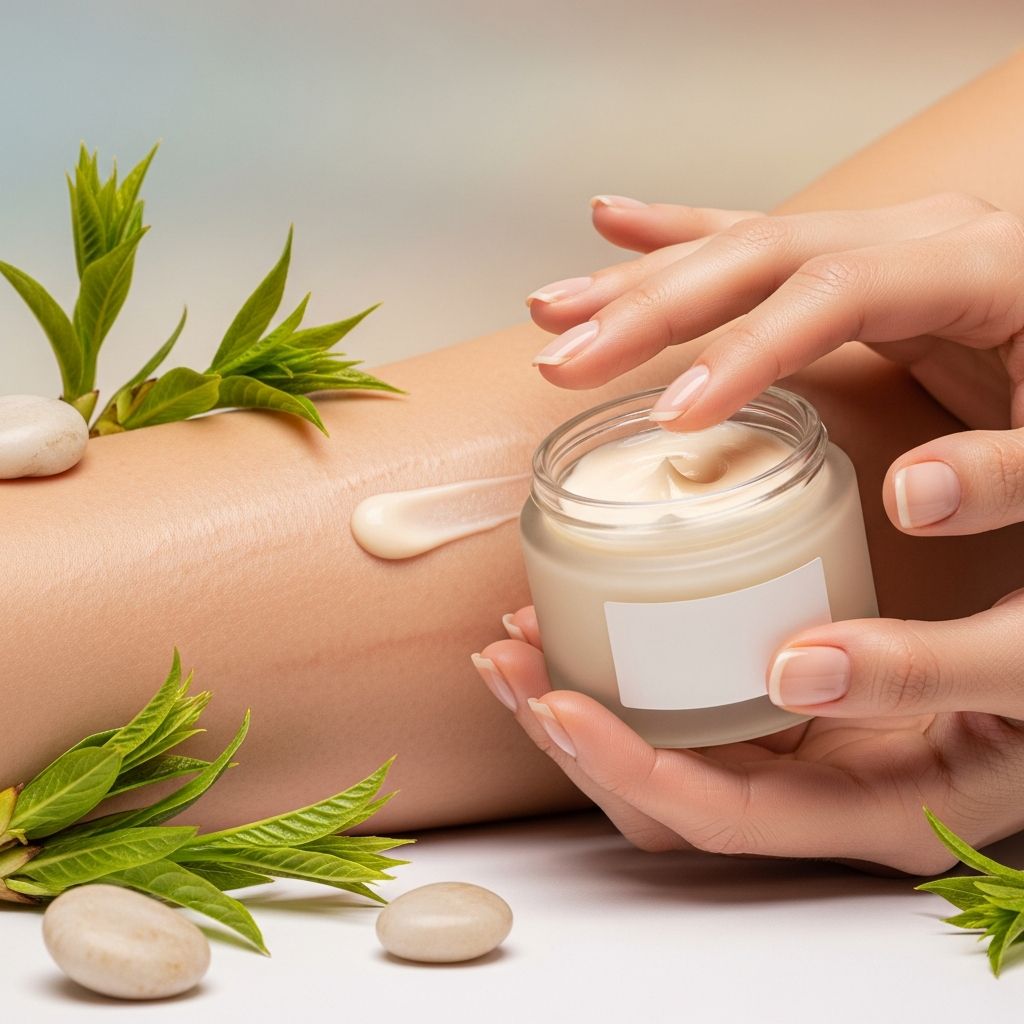
Stretch marks affect millions, particularly during periods of rapid skin stretching like pregnancy, but various treatments can significantly improve their appearance. This guide explores causes, prevention, and the most effective therapies backed by clinical evidence.
Understanding the Science Behind Stretch Marks
Stretch marks, medically termed striae, form when skin expands or contracts quickly, tearing the dermis layer and causing visible lines. They initially appear red or purple (striae rubrae) before fading to white or silver (striae albae).
Pregnancy hormones, weight fluctuations, and genetics contribute heavily. The Cleveland Clinic notes they occur in up to 90% of pregnancies, often on the abdomen, breasts, hips, and thighs.
Prevention Strategies for Smoother Skin
While not entirely preventable, certain habits reduce risk:
- Moisturize daily: Hyaluronic acid and centella asiatica creams hydrate and support skin elasticity.
- Balanced nutrition: Vitamins C, E, and zinc aid collagen production.
- Gentle exercise: Maintains weight stability without extreme changes.
- Avoid rapid weight gain: Gradual changes give skin time to adapt.
Research supports early intervention with retinoids like retinol for fresh marks, though pregnant individuals should consult providers due to safety concerns.
Topical Treatments: First Line of Defense
Over-the-counter creams offer accessible starting points. Retinoid-based products stimulate collagen, fading early marks. A study compared 0.05% tretinoin cream to microdermabrasion, finding similar efficacy for early striae.
Hyaluronic acid serums lock in moisture, while centella extracts promote healing. For older marks, silicone gels or peptide formulas support barrier repair. Consistency is key—apply twice daily for 3-6 months.
| Treatment Type | Best For | Expected Timeline | Pros |
|---|---|---|---|
| Retinoids (e.g., Retinol) | Early red marks | 3-6 months | Collagen boost, affordable |
| Hyaluronic Acid | Prevention, hydration | Ongoing | Safe for pregnancy |
| Silicone Gels | Mature white marks | 2-4 months | Non-irritating |
Advanced Professional Procedures
Microneedling and Radiofrequency Innovations
Microneedling creates micro-injuries to trigger collagen and elastin production. Devices like Morpheus8 add radiofrequency (RF) energy for deeper penetration, effective for both new and old marks.
Clinical trials show microneedling outperforms microdermabrasion alone, with South African and German studies reporting visible improvements after 1-4 sessions. Fractional microneedling RF (FMR) reduces mark width after 4 monthly treatments.
Laser Therapies: Precision Resurfacing
Laser treatments target pigmentation and texture. Pulsed dye lasers collapse vessels in red marks, while fractional CO2 lasers remodel white striae by vaporizing damaged tissue.
A trial with Nd:YAG laser at 100 J/cm² improved striae albae histologically, increasing collagen and elastin. Cleveland Clinic reports immediate smoothing post-laser, with gains lasting years. Sessions: 3-10, spaced 4-6 weeks.
Exfoliation Methods: Microdermabrasion and Peels
Microdermabrasion buffs surface skin, comparable to tretinoin for early marks when combined with platelet-rich plasma. Chemical peels with glycolic or alpha-hydroxy acids remove damaged layers, though healing takes 1-2 weeks.
These suit milder cases but may require multiples for depth.
Combining Treatments for Optimal Results
Layering yields synergy: Start topicals, add microneedling, finish with lasers. One protocol pairs Nd:YAG with red LED light, boosting epidermal thickness for 12 months.
Always patch-test and use sun protection post-procedure to avoid hyperpigmentation.
Realistic Expectations and Timeline
No treatment erases marks fully—aim for 50-80% improvement. New marks respond best within 6 months; older ones need aggressive combos.
- 1-3 months: Topical fading.
- 3-6 months: Microneedling series.
- 6-12 months: Laser full effects.
Downtime varies: Topicals none; lasers 3-7 days redness.
Frequently Asked Questions
Can stretch marks disappear completely?
No, but treatments like lasers and microneedling can make them nearly invisible, with 20-60% improvement per series.
Are these treatments safe during breastfeeding?
Topicals with hyaluronic acid yes; lasers/microneedling consult a doctor—avoided areas like breasts.
How much do professional treatments cost?
Microneedling: $300-700/session; Lasers: $500-2000/session. Packages save 20-30%.
What home remedies work?
Coconut oil, aloe vera hydrate but lack evidence for deep repair vs. clinical options.
Do stretch marks only happen in pregnancy?
No, also from puberty, bodybuilding, or Cushing’s syndrome.
Lifestyle Tips for Long-Term Skin Health
Beyond treatments, stay hydrated (2-3L water daily), eat antioxidant-rich foods (berries, nuts), and use SPF 30+ to prevent darkening. Dry brushing boosts circulation pre-shower.
Postpartum, gradual weight loss preserves skin integrity. Track progress with photos monthly.
References
- Management of stretch marks (with a focus on striae rubrae) — PMC/NCBI. 2018-01-15. https://pmc.ncbi.nlm.nih.gov/articles/PMC5782435/
- Stretch Marks: What are they, Causes & Treatments — Cleveland Clinic. 2023-05-10. https://my.clevelandclinic.org/health/diseases/10785-stretch-marks
- Stretch marks: Why they appear and how to get rid of them — American Academy of Dermatology (AAD). 2024-02-20. https://www.aad.org/public/cosmetic/scars-stretch-marks/stretch-marks-why-appear
- Laser Therapy for Stretch Marks — American Society for Dermatologic Surgery (ASDS). 2023-11-05. https://www.asds.net/skin-experts/skin-treatments/laser-light-therapy/laser-therapy-for-stretch-marks
- How to Get Rid of Stretch Marks: Treatments That Work — Bella Vi Med Spa. 2024-08-12. https://bellavimedspa.com/blog/how-to-get-rid-of-stretch-marks/