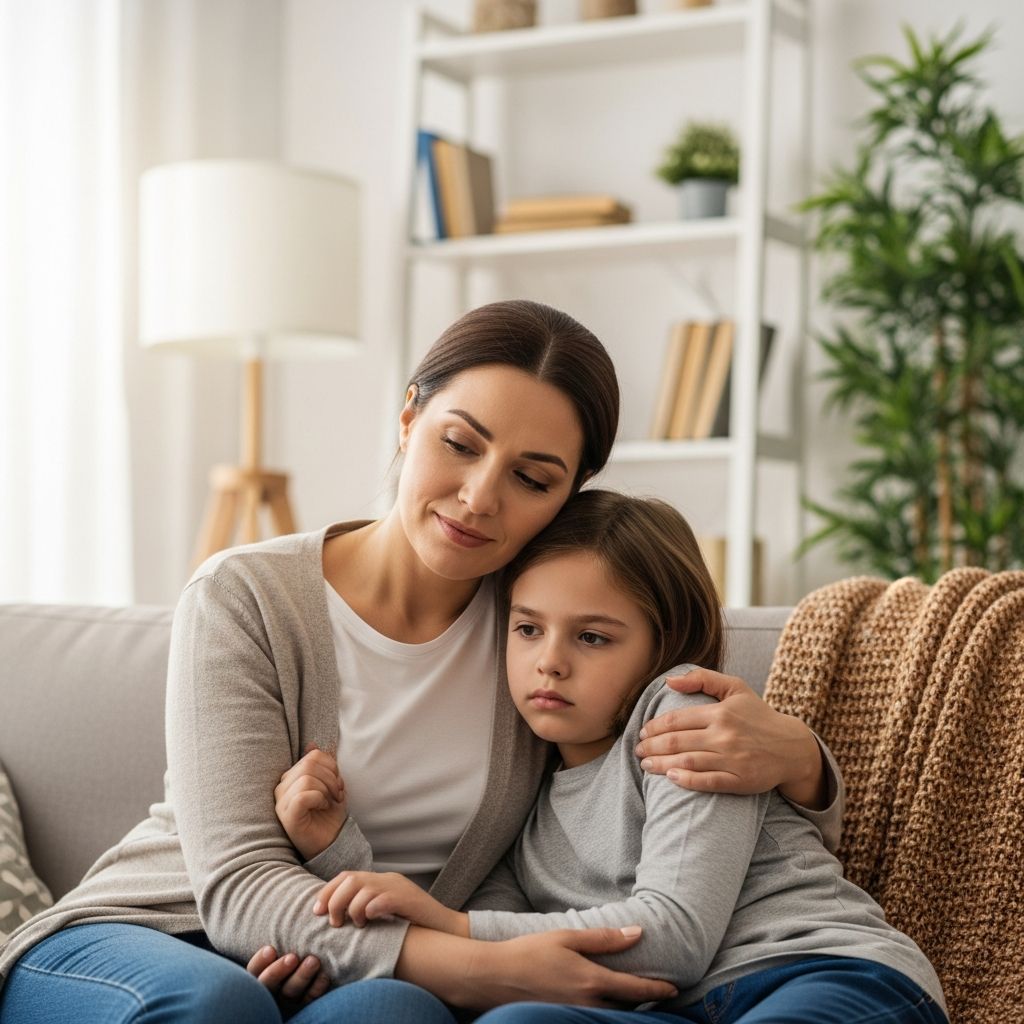
Childhood is a time of rapid growth and discovery, but it also brings challenges that can trigger stress. Parents play a crucial role in helping kids navigate these pressures by recognizing early signs and introducing effective coping tools. This guide explores practical ways to support children’s emotional health through daily routines and targeted activities.
Understanding the Nature of Stress in Young Lives
Stress arises when children face demands that exceed their current coping abilities, whether from school demands, social dynamics, or family changes. Unlike adults, kids often lack the vocabulary to express these feelings, leading to physical or behavioral manifestations. Research shows that unmanaged stress can impact sleep, appetite, and academic performance, making early intervention essential.
Common triggers include academic expectations, peer conflicts, family transitions like divorce or relocation, and even global events that disrupt routines. Physiological responses, such as elevated cortisol levels, prepare the body for ‘fight or flight’ but prolonged activation harms development. Parents can mitigate this by creating predictable environments and modeling calm responses.
Key Indicators That Your Child Might Be Stressed
Observing subtle changes helps parents act promptly. Look for shifts in behavior, mood, or physical health that deviate from baseline norms.
- Behavioral shifts: Increased irritability, withdrawal from activities, or clinginess.
- Physical symptoms: Frequent headaches, stomachaches, or changes in sleep and eating patterns.
- Emotional cues: Anxiety, tearfulness without clear cause, or sudden outbursts.
- Cognitive signs: Difficulty concentrating, declining grades, or perfectionism.
These signs often cluster; for instance, a child overwhelmed by school might exhibit poor sleep and aggression at home. Tracking patterns over a week can reveal connections to specific stressors.
Building a Stress-Resistant Daily Routine
Structure provides security. Incorporate consistent meal times, homework slots, and wind-down periods before bed. Limit screen exposure, especially before sleep, as blue light disrupts melatonin production. Encourage balanced nutrition with omega-3 rich foods like fish and nuts, which support brain health and mood regulation.
Physical activity should be non-negotiable—aim for 60 minutes daily. Simple habits like family walks foster bonding and endorphin release. Prioritize 9-11 hours of sleep for school-age kids, using calming bedtime rituals like reading or soft music.
| Age Group | Recommended Sleep | Daily Activity |
|---|---|---|
| 3-5 years | 10-13 hours | Play-based movement |
| 6-12 years | 9-12 hours | Structured sports or games |
| 13-18 years | 8-10 hours | Team activities or jogging |
This table outlines age-appropriate benchmarks to maintain.
Proven Breathing and Mindfulness Practices
Breathing exercises activate the parasympathetic nervous system, countering stress responses quickly. Teach belly breathing: Place a hand on the stomach, inhale deeply through the nose for 4 counts (watching the belly rise), hold for 4, exhale for 4. Practice together during calm moments to build familiarity.
Guided imagery involves visualizing serene scenes, like a beach or forest. Guide your child: ‘Picture yourself on soft sand, hearing waves crash gently.’ This diverts focus from worries. Mindfulness apps tailored for kids introduce short sessions, enhancing present-moment awareness.
Start with 5-minute daily practices; consistency yields benefits like reduced anxiety over time.
Physical Outlets for Releasing Tension
Movement dissipates built-up energy. Encourage yoga poses such as child’s pose or tree pose, combining stretch with focus. Progressive muscle relaxation—tensing and releasing muscle groups from toes to head—helps identify and ease bodily tension.
- Jump rope or dance to upbeat music for high-energy release.
- Stretching sequences: Reach for the sky, toe touches, shoulder rolls.
- Outdoor play: Bike rides, kite flying, or nature hikes lower cortisol.
Incorporate ‘shake it off’ sessions: Jump vigorously then settle into deep breaths, mimicking animal stress release. These activities not only relieve immediate stress but build physical resilience.
Creative and Expressive Stress Busters
Art taps into emotions non-verbally. Provide supplies for drawing, painting, or doodling—no rules, just free expression. Journaling prompts like ‘What made me smile today?’ process feelings cathartically.
Building with blocks or LEGO fosters accomplishment and problem-solving. Music—playing instruments, singing, or listening to audiobooks—shifts mood via rhythm and imagination. Laughter therapy, through jokes or silly games, boosts endorphins.
Cooking simple recipes engages senses and yields tasty rewards, distracting from stressors.
Fostering Social Connections and Emotional Skills
Quality time strengthens bonds. Schedule device-free family dinners for open talks. Validate feelings: ‘It’s okay to feel upset; let’s figure this out together.’ Teach problem-solving: Break issues into steps, like preparing for a test.
Pet interaction reduces loneliness; walking a dog combines exercise and companionship. Encourage friendships through playdates, teaching sharing and empathy. Role-playing scenarios builds confidence in social navigation.
Long-Term Strategies for Resilience
Model healthy habits—your calm demeanor is contagious. Promote gratitude: Evening reflections on three positives rewire thinking positively. Limit overstimulation by curating media intake.
Monitor for persistent issues; consult pediatricians if symptoms endure beyond two weeks. Cognitive behavioral techniques, adapted for kids, address negative thought patterns effectively. Schools often offer counseling; leverage these resources.
Frequently Asked Questions (FAQs)
Q: How quickly do stress relief techniques work for kids?
A: Many, like deep breathing, provide instant calm, while habits like exercise show cumulative benefits within days.
Q: Can too much play cause stress?
A: Overscheduling leads to burnout; balance unstructured play with rest.
Q: What if my child resists these activities?
A: Make them fun and joint efforts; demonstrate first to build buy-in.
Q: Are essential oils safe for stress relief in children?
A: Use diluted forms under guidance; lavender may soothe, but patch-test first.
Q: How does sleep impact childhood stress?
A: Insufficient sleep amplifies stress; consistent routines improve regulation.
Conclusion: Empowering Kids for a Balanced Future
By integrating these tools, parents equip children with lifelong skills. Consistent support transforms stress into growth opportunities, nurturing resilient, happy individuals.
References
- 101 Stress Relief Activities For Kids — Mental Health Center Kids. 2023. https://mentalhealthcenterkids.com/blogs/articles/stress-relief-activities-for-kids
- Stressed out kids? Signs and strategies — Mayo Clinic Health System. 2023-05-15. https://sncs-prod-external.mayo.edu/hometown-health/speaking-of-health/stressed-out-kids
- 7 stress relief techniques for kids — CHOC Children’s. 2022. https://health.choc.org/7-stress-relief-techniques-for-kids/
- Stress Management Methods in Children and Adolescents — PubMed (Peer-reviewed). 2022-09-07. https://pubmed.ncbi.nlm.nih.gov/36096110/
- Stress Relief Activities for Kids — Children’s Health. 2024. https://www.childrens.com/health-wellness/stress-relief-activities-for-kids
- Helping Children to “Shake it Off”: Releasing and Reducing Stress — Penn State Extension. 2023. https://extension.psu.edu/helping-children-to-shake-it-off-releasing-and-reducing-stress
- Childhood Stress: How Parents Can Help — Nemours KidsHealth. 2024. https://kidshealth.org/en/parents/stress.html