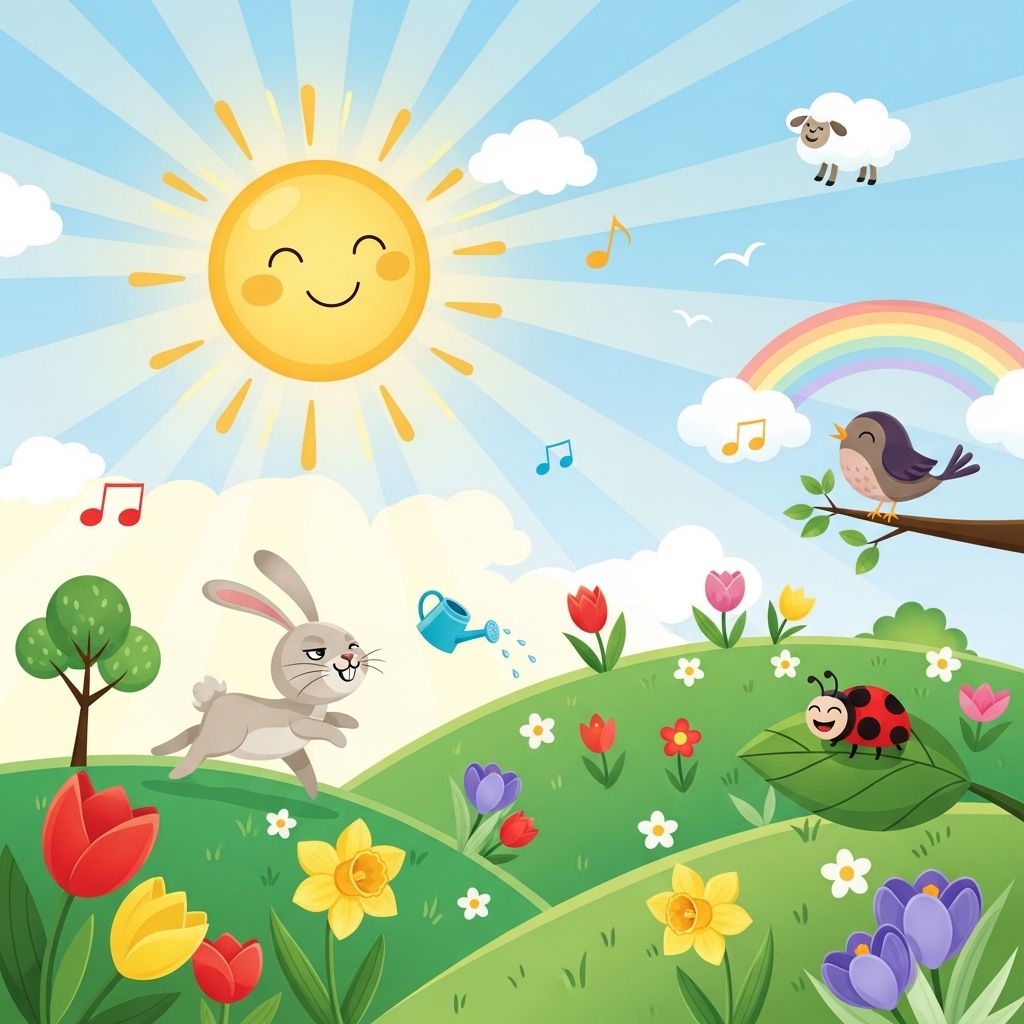
As the weather warms up and flowers return, kids are ready to play, explore, and laugh. A simple way to add extra fun to this season is by sharing spring-themed jokes and puns that are easy for children to understand, repeat, and even reinvent on their own.
This guide gathers ideas inspired by classic spring humor and turns them into a kid-friendly resource parents, caregivers, and teachers can use to brighten any day.
Why Kids Love Spring Jokes
Children naturally enjoy silliness, surprise, and wordplay, all of which are at the heart of jokes and puns. Research suggests that humor can help reduce stress, build social bonds, and make learning more engaging for school-age kids.
- Seasonal excitement: Spring comes with visible changes—flowers, rain, baby animals—so jokes feel connected to what kids see outside.
- Simple wordplay: Many spring jokes rely on easy puns (like playing with the word “spring” itself), which helps kids experiment with language.
- Shared traditions: Families and classrooms often celebrate spring holidays, so jokes become part of seasonal routines and rituals.
Main Types of Spring Jokes Kids Enjoy
Spring humor covers a lot of ground. Below is a quick overview of common themes you can use when creating or collecting jokes for children.
| Joke Theme | Typical Topic | Why Kids Like It |
|---|---|---|
| Weather jokes | Rain, sunshine, wind, puddles | Kids see the weather changing every day and relate easily. |
| Flower & garden jokes | Plants, seeds, gardens, gardeners | Colorful and visual, great for young children who love nature. |
| Animal jokes | Birds, rabbits, frogs, bugs | Animals are naturally funny and easy to imagine in silly situations. |
| Holiday jokes | April Fools, spring break, egg hunts | Connect to real events kids look forward to during spring. |
| Word and letter jokes | Months, spelling, sounds | Help kids notice how language works in a fun, playful way. |
Easy Weather Jokes Kids Can Learn and Adapt
Spring weather is famously unpredictable—rain one minute, sunshine the next. That makes it perfect comedy material for kids.
- Use rainy-day jokes to liven up indoor afternoons.
- Try sunshine and rainbow puns when the clouds finally clear.
- Turn wind and storm themes into silly, not scary, stories.
When sharing weather jokes with children:
- Keep punchlines short, so kids can repeat them easily.
- Let them act out the weather (sound effects and gestures add to the fun).
- Ask them to invent their own lines, like “What would a cloud say if it lost its rain?”
Flower, Garden, and Growing-Season Giggles
Spring is often called the growing season, and that theme shows up in many kid-friendly jokes about flowers, plants, seeds, and gardeners.
These jokes can double as a gentle introduction to basic science concepts such as plant growth, seasons, and the water cycle. Educational groups frequently encourage mixing humor with learning to keep kids engaged.
- Flower puns: Play with words like “bloom,” “bud,” “petal,” and “root” in funny ways.
- Gardener jokes: Turn everyday tasks like watering or pulling weeds into silly scenes.
- Seed stories: Imagine what seeds would say if they could talk about growing.
To extend the fun, you can:
- Pair jokes with a small planting activity in a pot or garden bed.
- Let kids draw a flower and add a speech bubble with a punny line.
- Create a “garden of jokes” bulletin board, each joke written on a paper flower.
Animal-Themed Spring Jokes
Animals are at the center of many spring scenes—birds returning, frogs near ponds, and baby animals appearing on farms and in books. Kids especially enjoy imagining animals talking, dressing up, or doing human activities.
- Bird jokes: Use ideas around migration, nests, and singing.
- Rabbit and chick jokes: Connect to eggs, hopping, and fluffy feathers.
- Bug jokes: Play with bees, butterflies, ladybugs, and silly crawling adventures.
You can make animal jokes more interactive by:
- Encouraging kids to act like the animal in the joke for the punchline.
- Using puppets or stuffed animals to “tell” the jokes.
- Asking children to change the animal while keeping the same basic joke structure.
Spring Holiday and Calendar Jokes
Spring is packed with memorable calendar moments—April Fools’ Day, school spring break, early-spring holidays, and end-of-year milestones. Kids quickly pick up jokes that make fun of dates, months, and the way the calendar moves from winter to summer.
- Month puns: Many classic spring jokes rely on unexpected wordplay with month names, which can help children remember the order of the months.
- Day-based jokes: Jokes about long marches, silly showers, or special days like joke days and holidays give kids a sense of time passing.
- Countdown humor: Children love jokes about “almost summer,” especially near the end of the school year.
These jokes can be woven into morning routines, classroom calendars, or bedtime chats, subtly reinforcing time concepts.
Wordplay 101: Helping Kids Make Their Own Puns
Spring jokes are full of puns, which are jokes based on words that sound alike or have more than one meaning. Playing with puns can strengthen vocabulary and phonological awareness.
To help kids start making their own jokes:
- Pick a spring word (like “spring,” “bloom,” or “rain”) and brainstorm as many meanings or sound-alike words as possible.
- Show how jokes often switch between those meanings to create surprise.
- Encourage kids to try their own twist, even if the result is more silly than polished.
Some kid-friendly pun patterns include:
- “What do you call…?” jokes that rename common things with a funny title.
- Question-and-answer jokes where the answer sounds like a familiar phrase with one word changed.
- Knock-knock jokes that rely on repeating parts of words in a surprising way.
Using Jokes in Everyday Spring Routines
Jokes can slide into almost any moment of the day without a lot of planning or materials. That makes them an accessible tool for parents and educators.
- At breakfast: Start the day with one simple joke of the day.
- On the way to school: Trade weather or traffic-themed jokes during the ride.
- During outdoor play: Connect jokes to what kids see—puddles, birds, new leaves.
- At bedtime: Ask your child to pick their favorite joke of the day and tell it back.
Families can even create small traditions, like putting a spring joke in a lunchbox or posting a “weekly giggle” on the fridge.
Spring Jokes in the Classroom or Group Settings
Teachers and group leaders often use short, positive humor to help build classroom community and keep kids’ attention. Spring jokes can play a role in that, especially with early elementary students.
- Transition moments: Share a fast joke when moving from one subject or activity to another.
- Writing prompts: Have students write or draw their own jokes about a topic they are studying in science or reading.
- Public speaking practice: Let children stand up and tell a favorite joke to the group, practicing eye contact and clear speech.
- Bulletin boards: Display student-created joke cards around spring themes like weather, plants, or animals.
Keeping Spring Humor Age-Appropriate and Kind
Not every joke is a good fit for every age group. Experts in child development and education emphasize that humor used with young children should be non-threatening, inclusive, and free of bullying or put-downs.
- Avoid teasing individuals: Steer away from jokes that target a specific child, family member, or group.
- Skip scary themes: Very young kids may be sensitive to jokes about storms or darkness.
- Model positive humor: Show children how to laugh with others, not at them.
- Encourage consent: Teach kids to notice when someone is not laughing and to stop if a joke is not landing well.
By focusing on gentle silliness—like talking plants, clumsy raindrops, and forgetful birds—you can help kids enjoy humor in a safe and affirming way.
Simple Ideas to Create Your Own Spring Joke Collection
Building a personal family or classroom collection of spring jokes can turn into a yearly tradition. You do not have to be a professional comedian to get started.
- Joke notebook: Keep a small notebook where kids can write or draw each new spring joke they learn.
- Joke jar: Write jokes on folded slips of paper and pull one whenever someone needs a smile.
- Digital slides or cards: For older kids, let them create digital joke cards with images and text.
- Neighborhood sharing: Kids can safely share written or drawn jokes with neighbors, relatives, or classmates.
Over the years, your collection grows into a playful record of how children’s language and humor have developed.
Frequently Asked Questions (FAQs)
Are spring jokes okay for very young children?
Yes, as long as the jokes use simple language, friendly topics, and do not rely on teasing or fear. Choose jokes about flowers, rain, and animals rather than more complex wordplay for toddlers and preschoolers.
How can I help a shy child feel comfortable telling jokes?
Start with jokes you tell together. Let the child whisper the punchline to you first, then gradually invite them to say it aloud. Praising their effort, not just the joke, helps build confidence.
Can jokes really support learning?
Humor can improve attention and make new ideas more memorable when used carefully. Educators note that appropriate jokes can increase participation and help children feel more relaxed while they practice reading, speaking, and problem-solving.
What should I do if a child tells a hurtful joke?
Stay calm and use the moment as a chance to teach. Explain why the joke may hurt someone’s feelings, and help the child rephrase it into something kind or silly instead. Modeling respectful humor shows what is acceptable.
How many jokes should I share at once?
A few well-timed jokes are usually better than a long list. One or two at breakfast, in the car, or during a break at school can keep things light without overwhelming kids or disrupting routines.
References
- Martin RA. — Psychology of Humor: An Integrative Approach. 2007-01-01. https://doi.org/10.1016/B978-0-08-046363-5.00522-6
- Moran JM & Massam MM. — Growing up with a sense of humor: How teachers can help. Childhood Education Association. 1999-09-01. https://www.tandfonline.com/doi/abs/10.1080/00094056.1999.10522024
- National Association for the Education of Young Children (NAEYC). — Playful learning: The role of play in promoting children’s cognitive growth. 2019-03-01. https://www.naeyc.org/resources/topics/play
- Zipke M. — The Role of Phonological Awareness in Understanding Puns. Language and Education. 2016-02-01. https://doi.org/10.1080/09500782.2015.1125364
- Wanzer MB, Frymier AB, Wojtaszczyk AM, & Smith T. — Appropriate and Inappropriate Uses of Humor by Teachers. Communication Education. 2006-07-01. https://doi.org/10.1080/03634520600813435