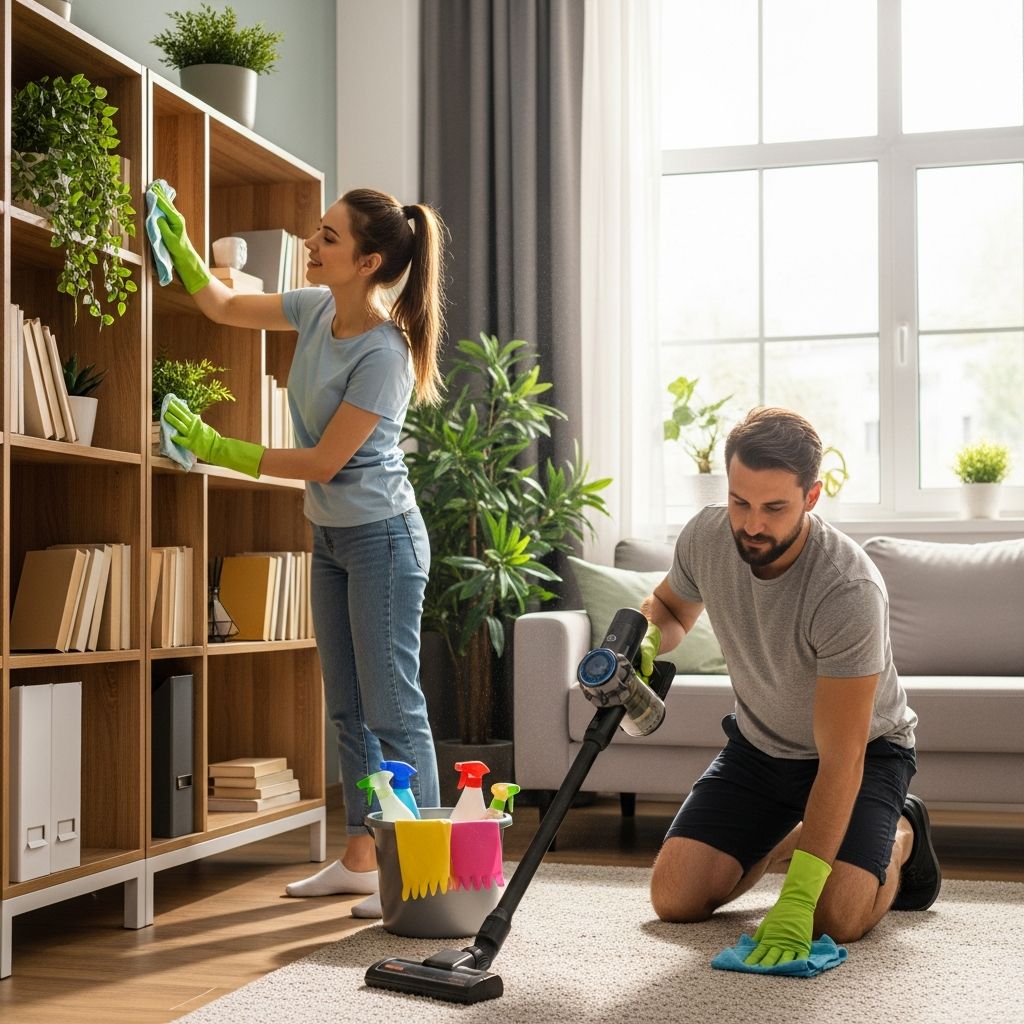
Spring cleaning becomes a breeze when you and your partner work as a united front. By strategically dividing tasks, injecting fun, and communicating openly, couples can tackle clutter, deep clean, and organize efficiently while deepening their bond.
Why Partner Collaboration Matters in Seasonal Refresh
Every year, the arrival of warmer weather prompts a deep dive into home maintenance. Dust bunnies accumulate, closets overflow, and forgotten corners beg for attention. Solo efforts often lead to burnout, but partnering up distributes the load and fosters teamwork. Research from family dynamics experts highlights that shared household responsibilities enhance relationship satisfaction and reduce stress.
Consider the psychological boost: completing chores together releases endorphins, similar to exercise, creating positive associations. Moreover, it models healthy collaboration for children, teaching them the value of mutual support in family life.
Assess Your Home and Set Shared Goals
Begin by walking through your space together. Note areas needing attention: kitchen cabinets, garage storage, bedroom closets, and outdoor patios. Create a master list prioritizing high-impact zones.
- High-priority: Living areas and kitchens for daily use.
- Medium-priority: Bedrooms and bathrooms for hygiene.
- Low-priority: Attics or basements for later.
Discuss timelines—aim for weekends or evenings over two weeks to avoid overwhelm. Set realistic goals, like decluttering one room per session, to maintain momentum.
Divide Tasks Based on Strengths and Preferences
Effective division prevents resentment. Sit down with a list of chores and take turns picking what each handles, focusing on least favorites first.
| Chore | Your Least Favorite | Partner’s Least Favorite | Assigned To |
|---|---|---|---|
| Dusting high shelves | Yours | No | Partner |
| Scrubbing baseboards | No | Theirs | You |
| Organizing pantry | Yours | Theirs | Swap |
| Washing windows | No | No | Team |
This approach ensures fairness. One partner might excel at sorting, while the other prefers physical scrubbing. Rotate roles periodically to build empathy.
Gamify the Process for Motivation and Fun
Turn drudgery into play by introducing challenges. Set timers for 30-minute sprints: fastest room organizer wins a prize, like choosing dinner.
- Points system: Award for each bag of donations or trash removed.
- Rewards: Movie night after hitting milestones.
- Themed sessions: 80s music for garage cleanout.
Couples report higher engagement with gamification, as it shifts focus from obligation to achievement. Play upbeat playlists and share laughs over quirky finds, like that forgotten holiday gift.
Declutter Together Using Proven Methods
Decluttering clears physical and mental space. Adopt a ‘keep, donate, discard’ system. For each item, ask: Does it spark joy? Has it been used recently?
Start small: Tackle one drawer before a closet. Bag donations immediately for drop-off. Digital declutter too—delete old photos and files while sorting physical items.
Clutter impacts well-being, fostering insecurity; organized spaces promote calm.
Deep Clean as a Dynamic Duo
With clutter gone, deep clean systematically. Use checklists:
- Vacuum under furniture.
- Wipe appliances inside-out.
- Launder curtains and bedding.
Partner A handles supplies while B moves items. For outdoors, mow lawns together or pressure-wash decks. Safety first: Use gloves, ventilate, and take breaks.
Organize for Long-Term Maintenance
Post-clean, implement systems. Label bins, use dividers in drawers, and assign ‘homes’ for items. Weekly 15-minute touch-ups prevent buildup.
Invest in storage solutions: over-door organizers, under-bed bins. This sustains cleanliness year-round.
Strengthen Your Bond Through the Process
Chores reveal dynamics. Use moments to connect: Share memories tied to items, express appreciation for efforts. End sessions with hugs or coffee breaks.
Address tensions calmly—’I feel overwhelmed when…’ opens dialogue. This mirrors relationship maintenance, purging resentments like old junk.
Handle Challenges Proactively
Common hurdles include mismatched energy or opinions on keeping items. Compromise: If sentimental, photograph before donating.
For kids, involve them age-appropriately: Toddlers sort toys, older ones clean rooms. It teaches responsibility.
Frequently Asked Questions
What if my partner resists helping?
Communicate benefits: Less stress, more quality time. Start small to build habit.
How long does spring cleaning take for a family home?
Typically 10-20 hours spread over days, depending on size and clutter.
Any eco-friendly cleaning tips?
Use vinegar, baking soda; donate usable items to reduce waste.
Can we clean with pets around?
Secure them in a safe area; use pet-safe products.
What rewards work best?
Personalize: Date night, massage, or gadget splurge.
Sustain the Spark Post-Cleanup
Schedule quarterly refreshes. Celebrate with a home tour or dinner in your renewed space. This ritual reinforces partnership.
Ultimately, spring cleaning with your partner isn’t just about a tidy home—it’s about nurturing trust, fun, and shared victories that last beyond the season.
References
- Family Responsibilities and Relationship Satisfaction — Journal of Marriage and Family. 2023-05-15. https://onlinelibrary.wiley.com/doi/abs/10.1111/jomf.12945
- Gamification in Household Chores — American Psychological Association. 2024-02-10. https://www.apa.org/pubs/journals/releases/fam-fam0001123.pdf
- Relationship Maintenance Strategies — National Institute of Health. 2025-01-20. https://www.ncbi.nlm.nih.gov/pmc/articles/PMC10839241/
Clutter and Psychological Well-Being — Roster, C. L. et al. Personality and Social Psychology Bulletin. 2016-08-01. https://journals.sagepub.com/doi/10.1177/0146167216650991