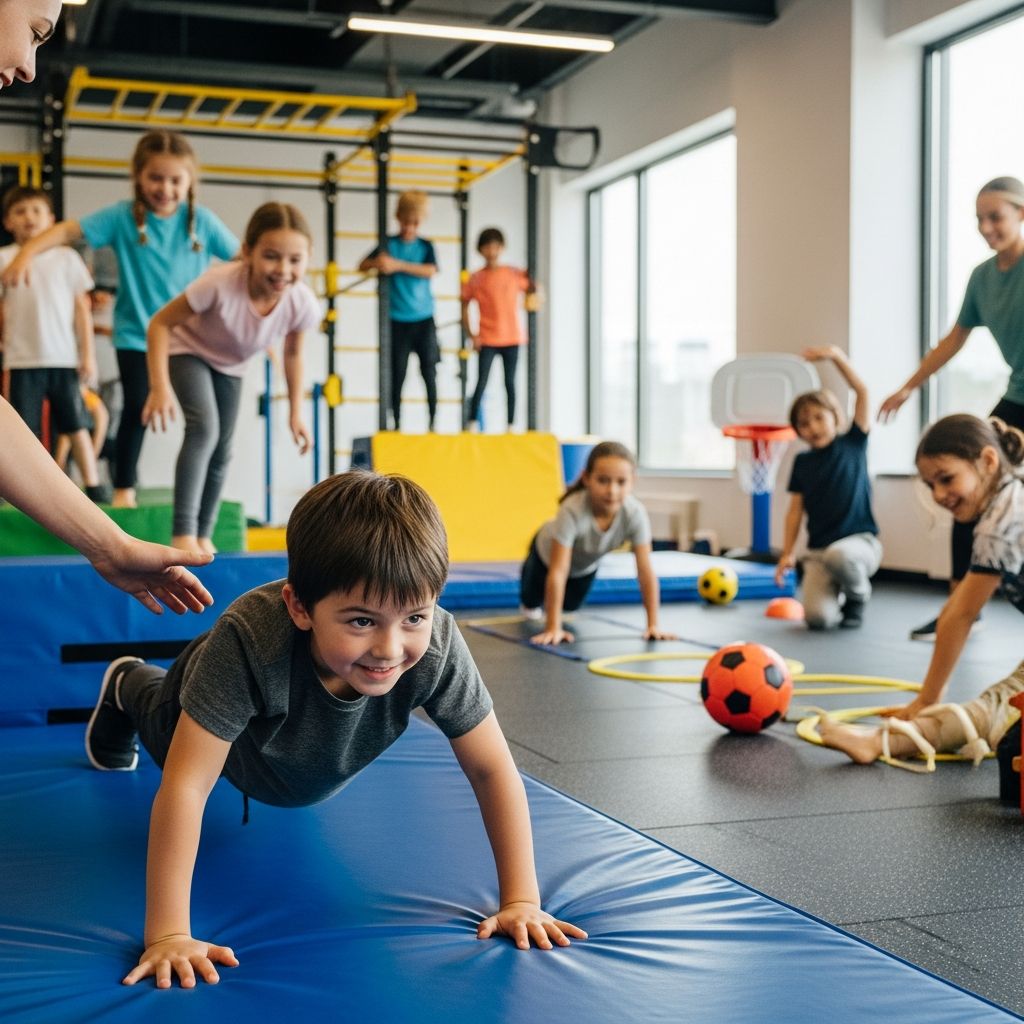
Sports can shape confidence, friendships, and future opportunities, but what truly defines a great athlete is not just talent or stats — it is sportsmanship. Real sportsmanship is about how you treat people, how you respond to pressure, and who you choose to be when the game gets tough.
What Sportsmanship Really Means
Sportsmanship is the way you act and react during practices, games, and competitions. It shows in how you treat teammates, opponents, coaches, officials, and even yourself. Being a good sport is not about being perfect; it is about choosing fairness and respect, even when emotions run high.
At its core, sportsmanship combines three big ideas: respect, fairness, and self-control. When you commit to all three, you make the game safer, more fun, and more meaningful for everyone involved.
- Respect: Treating everyone with dignity, whether they are on your side or not.
- Fairness: Following the rules and playing honestly, even when no one is watching.
- Self-control: Managing frustration, anger, and excitement so you do not hurt others or yourself.
Good Sport vs. Sore Loser vs. Bad Winner
Almost everyone says they care about sportsmanship, but actions on the field, court, or track tell the real story. Understanding the difference between a good sport, a sore loser, and a bad winner can help you see where you stand and where you might want to improve.
| Type | How They Act When They Win | How They Act When They Lose | Impact on Team |
|---|---|---|---|
| Good Sport | Feels proud but stays humble; acknowledges teammates and opponents. | Feels disappointed but stays respectful; looks for lessons and ways to improve. | Builds trust, keeps the team united, and makes games more enjoyable. |
| Sore Loser | Sometimes downplays the win if it felt too close or unfair. | Blames others, argues with refs, complains, or gives up. | Drains energy, creates tension, and can embarrass teammates and coaches. |
| Bad Winner | Brags, mocks, or shows off; rubs the victory in. | N/A or acts as if losing is impossible or unacceptable. | Breeds resentment and makes future games more hostile and stressful. |
Real strength shows when you can handle both winning and losing without disrespecting anyone. You can be competitive and still be kind and fair — in fact, that combination is what people remember and respect long after the final score.
Why Sportsmanship Matters More Than the Score
Scores, trophies, and rankings come and go. The habits you build through sportsmanship stick with you for life. The way you act under pressure now can shape how you handle school stress, work challenges, and conflicts in relationships later on.
Being a good sport offers benefits that go beyond the game.
- Better relationships: Respectful athletes tend to earn trust from teammates, coaches, and even opponents.
- More opportunities: Coaches often give more playing time and leadership roles to players who handle themselves maturely.
- Mental strength: Learning to cope with mistakes and setbacks builds resilience you can use in every part of life.
- Positive reputation: People remember how you treat them more than how many points you scored.
Key Habits of Great Sportsmanship
Sportsmanship is not a single moment; it is a collection of small choices you make before, during, and after competition. These habits can help you become the kind of athlete others want on their side.
Before the Game or Match
- Arrive prepared and on time so your team can trust you.
- Warm up seriously and focus on your own performance instead of sizing up or trash-talking your opponents.
- Remind yourself that your goal is both to compete hard and to act with integrity.
During Play
- Follow the rules and play honestly, even if you think no one will catch a violation.
- Stay calm when calls do not go your way; ask questions respectfully if allowed, then move on.
- Encourage teammates instead of criticizing them for mistakes.
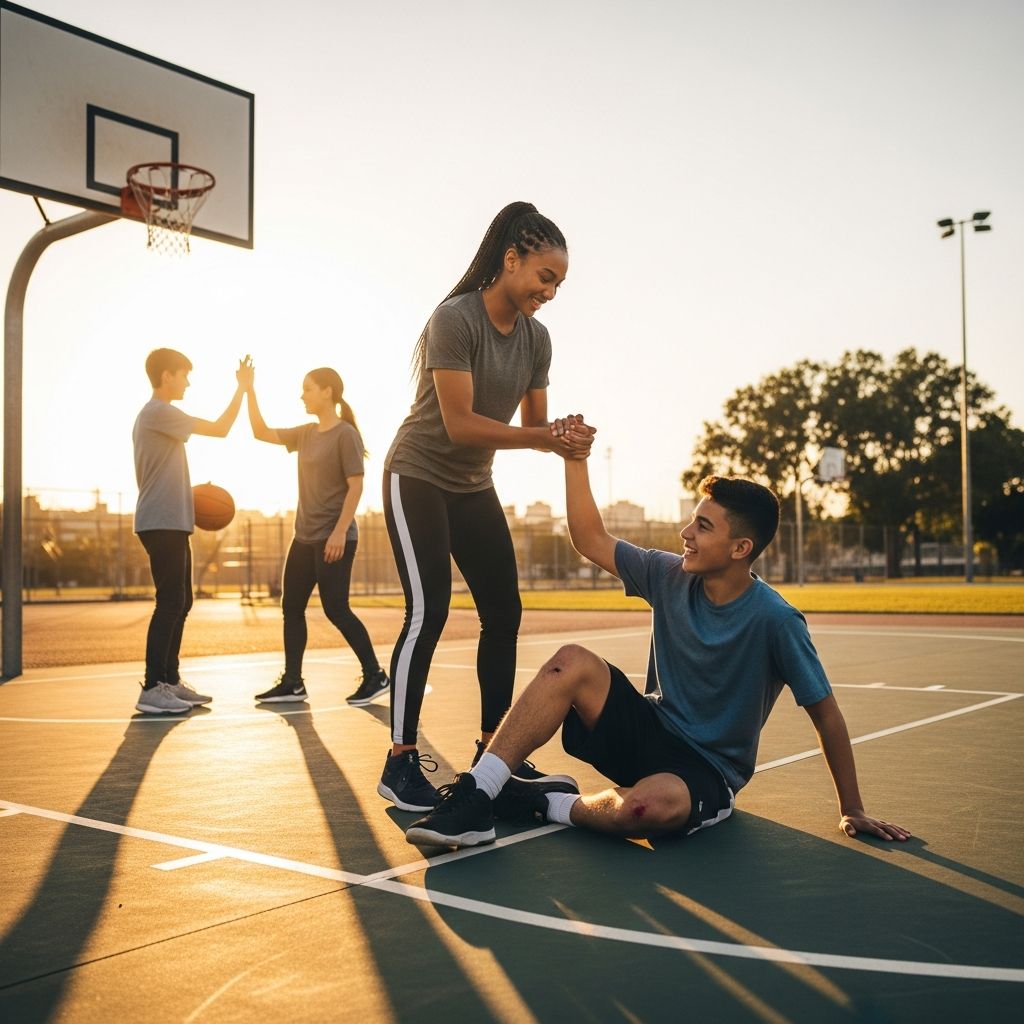
- Help opponents up if they fall and avoid cheap shots or dirty plays.
After the Final Whistle
- Shake hands or show respect to the other team, coaches, and officials.
- Congratulate others genuinely, whether you won or lost.
- Talk with your coach about what you did well and what you want to work on next.
- Leave arguments and grudges on the field — do not drag them into school or social media.
Handling Winning the Right Way
Winning feels great, and you are allowed to celebrate. The challenge is to enjoy your success without belittling anyone else. How you act when you are on top says a lot about your character.
Healthy celebrating focuses on effort and teamwork instead of humiliation or showing off.
- Share credit with teammates, coaches, and even families who support you.
- Avoid bragging, mocking, or replaying others’ mistakes for laughs.
- Thank officials and staff who helped the game happen.
- Use the win as motivation to keep training, not an excuse to stop working hard.
Handling Losing Without Falling Apart
Losing can sting, especially when you worked hard or when the game felt unfair. Still, every athlete loses sometimes, even the best in the world. What matters most is what you do next.
Turning a loss into progress is one of the most powerful skills you can learn in sports.
- Accept the result without blaming your teammates, coaches, or refs.
- Take a short break to cool down if you feel like you are about to say or do something you will regret.
- Ask, “What can this teach me?” and pick one or two things to improve in practice.
- Remember that one game does not define you as an athlete or a person.
Dealing With Trash Talk, Pressure, and Emotions
Sports naturally bring out strong emotions. Trash talk, questionable calls, and intense crowds can make it hard to stay calm. Learning to manage those feelings is part of becoming a mature competitor.
When Opponents Trash Talk
- Know the difference between playful banter and cruel or personal comments.
- Refuse to match cruelty with more cruelty; responding with skill and focus frustrates trash talkers more than words ever will.
- If comments cross into harassment, bullying, or slurs, tell a coach or official.
When You Feel Overwhelmed
- Use deep breaths or a short routine (like fixing your gear or repeating a calming phrase) to reset.
- Focus on the next play instead of replaying the last mistake.
- Talk with your coach about strategies for handling nerves or anger.
Being a Supportive Teammate
Teams work best when players respect and support each other. A star player who constantly puts others down is not a real leader. A reliable, encouraging teammate is often more valuable than someone who only cares about personal stats.
Good teammates build a team culture where everyone can grow and feel included.
- Cheer for others’ successes, not just your own.
- Offer help or advice kindly if someone is struggling, and be open to feedback yourself.
- Include quieter or newer players in drills and conversations.
- Avoid gossip and drama that divides the team.
Parents, Coaches, and Fans: Their Role in Your Sportsmanship
Adults on the sidelines have a huge impact on how you behave in sports. When they shout at referees, insult players, or obsess over winning, it can pressure you to do the same. When they model respect, it is easier for you to follow.
You cannot control how every adult behaves, but you can choose how you respond and what example you want to set for younger players watching you.
- If adults get heated, stay focused on your job in the game.
- Talk honestly with your parents or guardians about what kind of support actually helps you perform better.
- Appreciate coaches who emphasize learning, effort, and respect—not just the scoreboard.
How Sportsmanship Helps Outside of Sports
Sports end, but the lessons stick with you. The same skills that make you a good sport also help you succeed in school, work, and friendships. When you practice fairness, respect, and self-control on the field, you train yourself to use those qualities everywhere.
Think of sports as a training ground for life, not just for games.
- In school: Respecting teachers and classmates, handling group projects, and owning your mistakes.
- At work: Showing up on time, taking feedback, and handling disagreements professionally.
- In relationships: Listening, apologizing when needed, and avoiding cruel words in arguments.
Quick Sportsmanship Checklists
Use these simple checklists as a personal guide. You do not have to be perfect, but checking in with yourself regularly can help you grow into the kind of athlete you are proud of being.
Self-Check After a Game
- Did I show respect to teammates, opponents, coaches, and officials?
- Did I handle bad calls or tough moments without losing control?
- Did I own my mistakes instead of blaming others?
- Did I celebrate or react to the result in a way I would be comfortable seeing on video later?
Goals for the Next Game
- Pick one behavior (like encouraging teammates or staying calm with refs) to focus on improving.
- Tell a teammate or coach your goal so they can help keep you accountable.
- Notice even small improvements and give yourself credit for progress, not just perfection.
Frequently Asked Questions About Sportsmanship
Is it possible to be highly competitive and still be a good sport?
Yes. Being competitive means you care about doing your best and trying to win; sportsmanship is about how you treat others while you are competing. You can push yourself, play aggressively within the rules, and still respect opponents, officials, and teammates.
What if my coach or teammates do not value sportsmanship?
Even if others behave poorly, you still control your own choices. You can decide not to join in on dirty plays, insults, or cheating. If the environment feels unhealthy or unsafe, talk to a trusted adult, such as a parent, school counselor, or another coach, about your options.
How do I calm down when I am angry during a game?
Practice quick reset strategies, like taking three deep breaths, focusing on a specific object, or repeating a short phrase to yourself such as “Next play” or “Stay ready.” Let yourself feel disappointed or frustrated later, after the game, rather than exploding in the moment.
Is trash talk always bad?
Some friendly teasing between people who know each other can be harmless if everyone understands the limits. Trash talk becomes a problem when it is cruel, personal, or used to intimidate or humiliate. If someone asks you to stop, respect that — and expect the same in return.
What if I have already acted like a sore loser or bad winner?
You can always change. Admitting that you went too far, apologizing, and choosing to do better next time are signs of maturity, not weakness. Over time, consistent respectful behavior will repair your reputation and show others that you are serious about growth.
Sportsmanship is not just a rule you follow — it is a reflection of who you are becoming. Every practice, every game, and every tough moment gives you a chance to build character, earn respect, and become the kind of athlete and person others trust, admire, and want on their team.