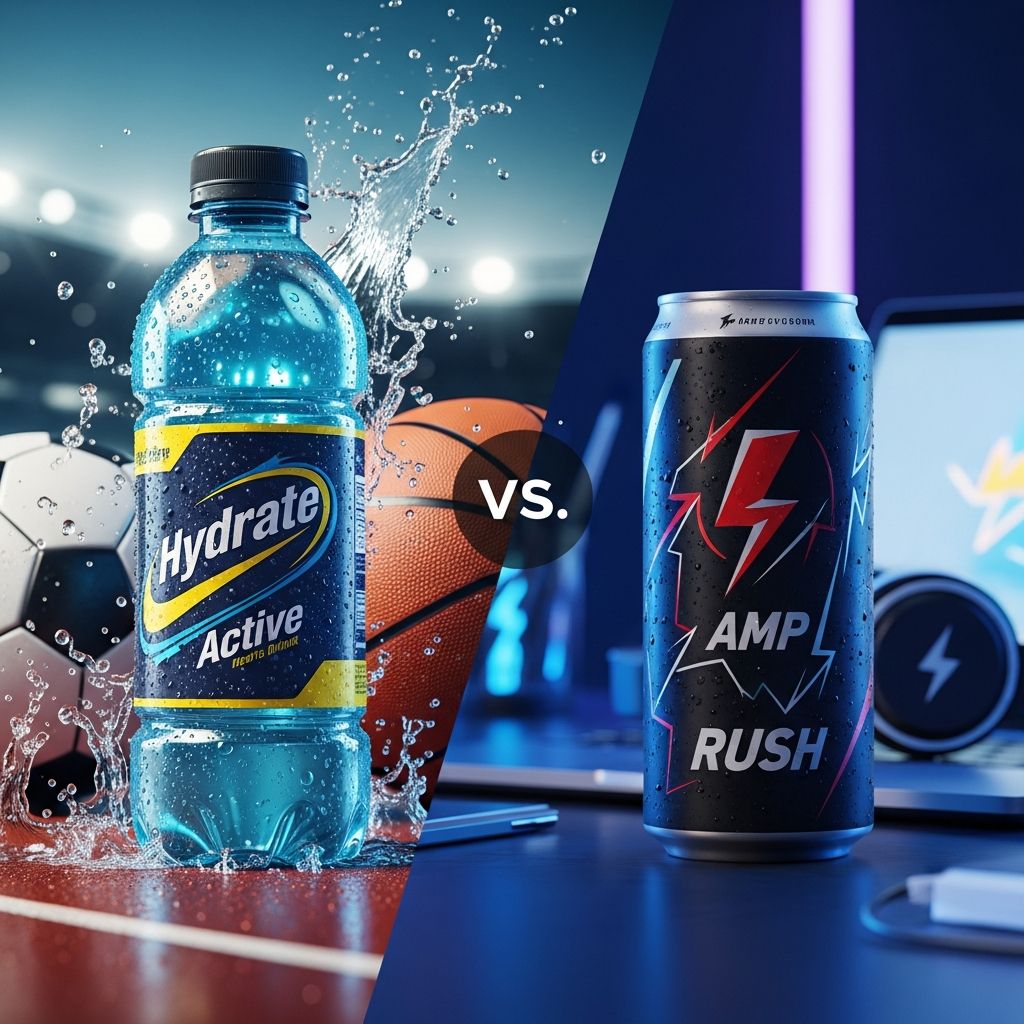
Colorful bottles and bold promises are everywhere: more focus, better game performance, instant energy. But not all drinks on the shelf are the same, and what sounds helpful can sometimes work against your body. Understanding the difference between sports drinks and energy drinks helps you protect your health, your sleep, and your performance.
This guide breaks down what’s in these drinks, what they actually do inside your body, when they might help, and when they can cause more harm than good. The goal is simple: give you clear information so you can decide for yourself what belongs in your water bottle.
Hydration Basics: What Your Body Really Wants
Before getting into brands and buzzwords, it helps to know what your body needs during normal daily life and during sports. Hydration is about keeping the right balance of fluids and minerals so your heart, muscles, and brain can work smoothly.
- Water is the main fluid your body needs most of the time.
- Electrolytes (like sodium and potassium) help control fluid balance and muscle function.
- Carbohydrates (sugars) provide quick fuel when your stored energy starts to run low.
When you sweat, you lose both water and electrolytes. During everyday activities and short workouts, your body usually handles this loss easily if you drink water regularly. During long, intense exercise or very hot conditions, your body may benefit from more than just water, but that still doesn’t mean you need a high-caffeine energy drink.
Sports Drinks: What They Are and What They Do
Sports drinks are designed to replace fluids and electrolytes lost through heavy sweating, and to provide a small amount of quick energy from sugar. They are not meant to keep you awake during late-night gaming or studying, and they are not necessary for casual activity.
Common Ingredients in Sports Drinks
- Water for fluid replacement.
- Sugar or carbohydrates for fast energy when your glycogen (stored energy) is running low.
- Electrolytes like sodium, potassium, and sometimes magnesium to support muscle and nerve function.
- Flavorings and colors to make the drink taste appealing.
The main point of a sports drink is to help you stay hydrated and fueled during long or intense activity, not to act like a stimulant. If a bottle is claiming to wake you up or has a lot of added caffeine, it is acting more like an energy drink than a traditional sports drink.
When a Sports Drink Might Help
Most teens do not need sports drinks for everyday walks, gym class, or short practices. However, they can be useful in specific situations.
- Practices or games lasting longer than about an hour at high intensity.
- Training in hot, humid weather where you are sweating a lot.
- Tournaments or back-to-back events where you have little time to eat real food between games.
Even in these cases, it is easy to overdo it. Sports drinks contain sugar, and drinking several large bottles in one day can add up quickly. For many teens, one small serving during or after intense activity is enough, with water taking care of the rest.
Energy Drinks: Why They’re Different
Energy drinks are a completely different type of product, even if they appear near sports drinks on store shelves. Their main purpose is to stimulate your brain and nervous system, usually by combining large amounts of caffeine with sugar and other additives.
Typical Ingredients in Energy Drinks
- High caffeine levels, sometimes equal to or greater than several cups of coffee in a single can.
- Sugar, often in high amounts, for a quick energy rush.
- Herbal stimulants such as guarana, which itself contains caffeine, adding to the total.
- Amino acids and other additives like taurine, B vitamins, and various plant extracts marketed as performance boosters.
While the labels may highlight vitamins or “natural” ingredients, the real power of these drinks usually comes from concentrated caffeine plus sugar. For a developing body and brain, that combination can cause problems that go far beyond a short-lived energy boost.
What Energy Drinks Do in Your Body
Caffeine affects the central nervous system, speeding up heart rate and making you feel more alert. In small amounts, adults may tolerate this fairly well, but teens are more sensitive to its effects. Very high doses can overload the system.
- Heart rate and blood pressure can rise more than expected, especially during exercise.
- Sleep can be disrupted, which affects mood, memory, and school performance.
- Some people experience shakiness, anxiety, or stomach upset.
Because energy drinks are sweet and heavily marketed, it is easy to drink them quickly and in large amounts, especially at parties, before sports, or during late-night study sessions. That makes it easy to cross the line from mild stimulation into unwanted side effects.
Side Effects Teens Often Notice
Not everyone reacts to energy drinks in exactly the same way, but there are some common patterns that many teens report. Understanding these effects can help you connect how you feel with what you drink.
- Jitters and nervousness: Feeling shaky, restless, or unable to sit still.
- Racing heart: Heart beating faster or harder than expected, especially during sports.
- Headaches: Either after drinking a lot of caffeine or when the effect wears off.
- Upset stomach: Nausea, cramps, or feeling queasy from high sugar plus stimulants.
- Trouble focusing: A “wired but tired” feeling, where attention is jumpy rather than clear.
- Difficulty sleeping: Staying up much later than planned or waking up during the night.
In extreme cases, especially with very high caffeine intake or mixing energy drinks with intense exercise or certain medications, serious problems such as irregular heartbeats or seizures have been reported. Even though those cases are not the norm, they show how powerful these products can be on a teen body.
Sports Drinks vs. Energy Drinks: Key Differences
The table below summarizes the major differences between typical sports drinks and energy drinks so you can quickly see how they compare.
| Feature | Sports Drinks | Energy Drinks |
|---|---|---|
| Main purpose | Rehydrate and replace electrolytes lost through sweat during long or intense exercise. | Increase alertness and energy through stimulants, mostly caffeine. |
| Typical caffeine content | Usually none, or very low if present. | Moderate to very high, often comparable to several cups of coffee. |
| Key ingredients | Water, sugar, sodium, potassium, flavorings. | Water, sugar or sweeteners, caffeine, herbal stimulants, added vitamins and amino acids. |
| Best use | During or after intense activity lasting longer than about an hour. | Generally not recommended for teens, especially around sports or bedtime. |
| Main risks | Extra calories and sugar if used when not needed or in large quantities. | Sleep problems, heart strain, anxiety, headaches, and possible serious side effects with heavy use. |
Why Water Still Wins Most Days
Even with so many flashy options, plain water is still the best everyday drink for most teens. It hydrates without added sugar, caffeine, or untested ingredients, and your body knows exactly what to do with it.
- Water supports digestion, circulation, and temperature control without extra calories.
- It does not interfere with sleep or heart rhythm.
- It is inexpensive and easy to carry in a reusable bottle.
If regular water feels boring, there are simple ways to make it more appealing without turning it into a sugary or caffeinated drink. Adding slices of fruit, a splash of 100% juice, or lightly flavored unsweetened sparkling water can make hydration feel more interesting.
Smart Choices for Different Situations
Knowing what to drink can be easier if you match your choice to what you are doing, how long it will last, and how hard your body is working. Think about both the moment and the long-term effects on your health.
School Day and Homework
- Best options: Water, milk, or a small serving of unsweetened tea with modest caffeine if your family is comfortable with it.
- Try to avoid: Energy drinks as a daily habit for staying awake in class or during homework.
If you are relying on caffeine every day just to stay awake in school, that may be a sign that your sleep schedule, not your drink choice, needs attention.
Practice, Games, and Workouts
- Drink water before, during, and after activity in most situations.
- Consider a sports drink only if you are exercising hard for more than about an hour or in very hot weather.
- Avoid energy drinks before or during sports; combining high caffeine with heavy exertion can strain your heart and make you feel worse, not better.
Fueling with balanced meals and snacks (carbohydrates plus some protein) will usually do more for your performance than any drink on the shelf.
Late Nights and Special Events
- If you occasionally use caffeine, smaller amounts from tea or coffee usually offer more predictable effects than high-caffeine energy drinks.
- Plan ahead instead of relying on last-minute drinks: start homework earlier, break tasks into smaller pieces, and protect your sleep whenever possible.
Remember that drinks with a lot of caffeine can stay in your system for hours. A can consumed in the evening can still be affecting your body when you are trying to sleep at night.
How to Read Labels Like a Pro
Not all drinks scream “energy” in their name, and some products blur the line between sports drink and energy drink. Learning to read the label helps you spot hidden caffeine and sugar.
- Check serving size: A can might list nutrition facts for half the container, even though most people drink the whole thing.
- Look for caffeine: It may be listed directly or hidden in ingredients like guarana, yerba mate, or green tea extract.
- Count the sugar: Multiple teaspoons of sugar can be packed into a single bottle.
- Notice the promises: Phrases like “extreme energy,” “maximum alertness,” or “intense boost” usually signal a high-stimulant product.
If a drink’s ingredient list looks like a chemistry experiment and you are not sure what half of the items do, it is a good sign to pause and consider whether your body really needs it.
Building Healthy Habits Around Drinks
It is easy to focus on one can of an energy drink and forget about the bigger picture. Health is shaped more by patterns than by single choices. Creating routines around hydration and sleep helps you depend less on quick fixes.
- Carry a reusable water bottle and refill it throughout the day.
- Set a general limit for sugary drinks per week and stick to it.
- Aim for a consistent bedtime and wake time when possible.
- Eat regular meals and snacks to keep your energy steady.
When you build these habits, you are less likely to crave high-sugar, high-caffeine drinks to push through the day. Your body feels more stable, your mood is smoother, and your performance in sports and school can improve naturally.
Talking With Parents, Coaches, and Friends
Energy drinks are often part of social life: a teammate brings a pack to the locker room, or a friend suggests them before an exam. It may feel awkward to say no, especially if everyone else is on board. Having a few phrases ready can make it easier.
- “I’m good with water; caffeine makes me feel jittery.”
- “I’ve been focusing on sleep instead of energy drinks lately.”
- “I’d rather save my sugar for actual food.”
If you are unsure about a drink, consider asking a parent, coach, or health professional for their opinion. Bringing them specific questions (like how much caffeine is too much, or how a drink might interact with a medication you take) can lead to more helpful conversations.
Frequently Asked Questions (FAQs)
1. Are energy drinks ever safe for teens?
Occasional small amounts of caffeine from sources like tea or coffee may be acceptable in some families, but high-caffeine energy drinks are generally not recommended for teenagers. They can disturb sleep, raise heart rate and blood pressure, and contribute to anxiety or headaches. The risk increases with large servings, mixing brands, or combining them with intense exercise.
2. Do I need a sports drink for every workout?
No. For most workouts under an hour, and for regular physical education classes or light activity, water is usually enough. A sports drink may be useful during long, intense practices or competitions, especially in hot weather, but using them all the time can add unnecessary sugar and calories.
3. What if I already drink energy drinks regularly?
If energy drinks are part of your daily routine, it may feel strange to stop suddenly. Reducing slowly, such as switching to smaller sizes or fewer days per week, can help you notice how your body feels without such a big caffeine load. If you experience strong symptoms like severe headaches, heart palpitations, or mood changes, talk with a trusted adult or health professional for guidance.
4. Are “zero sugar” energy drinks safer?
Drinks without sugar avoid extra calories, but they often still contain high levels of caffeine and other stimulants. That means they can still affect heart rate, sleep, and mood. “Sugar-free” does not automatically mean “healthy,” especially when powerful stimulants are involved.
5. What’s the best drink for after a game?
For most teens, water plus a balanced snack (like yogurt and fruit, a sandwich, or a handful of nuts with a piece of fruit) is a great post-game choice. If the activity was long and extremely intense, a moderate serving of a sports drink can help replace fluids and electrolytes, but it does not need to be your everyday habit.
Choosing What Works for You
Sports drinks and energy drinks may look similar, but they play very different roles in your body. When you understand what they contain and how they work, it becomes easier to decide when a drink fits your goals and when it may get in the way of feeling and performing your best.
Most days, your body will do well with simple choices: water, enough sleep, regular meals, and steady training. If you stay focused on those basics, no can or bottle will be able to compete with the energy you create for yourself.