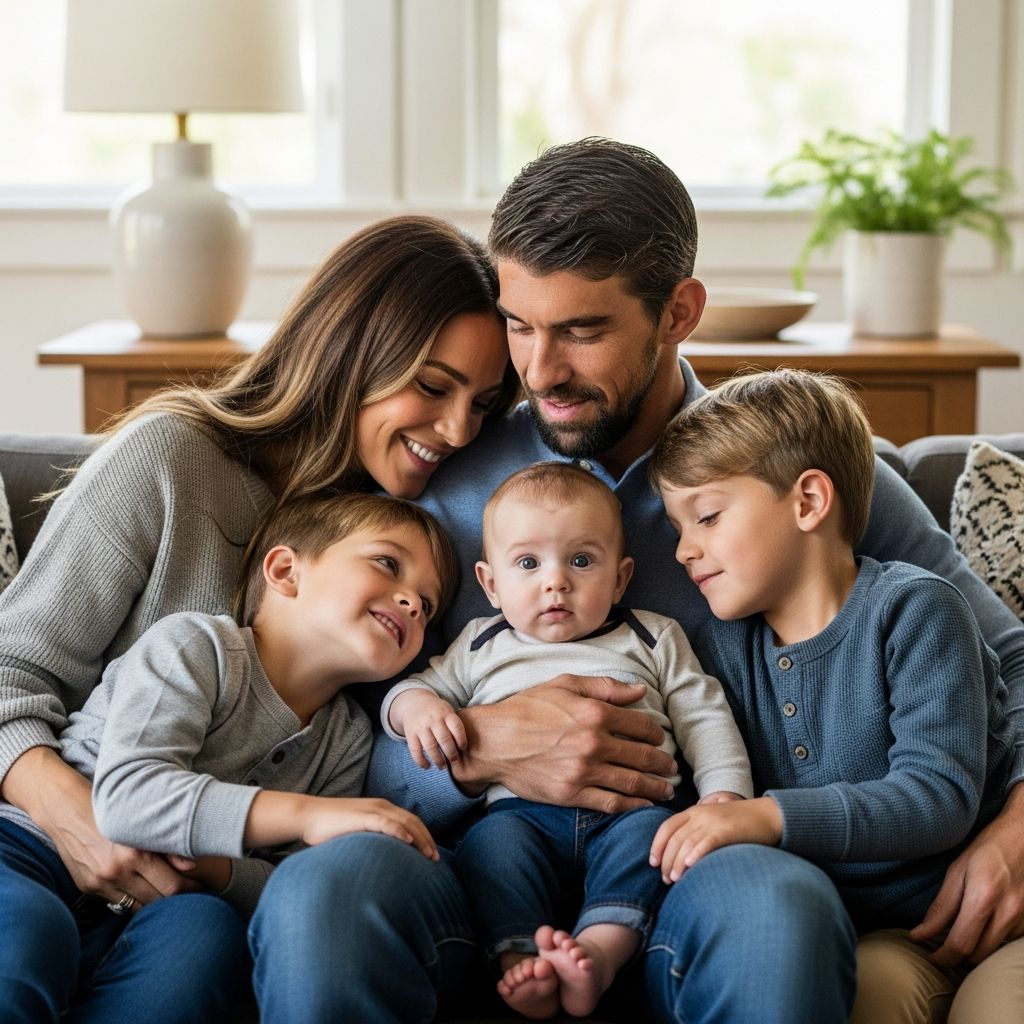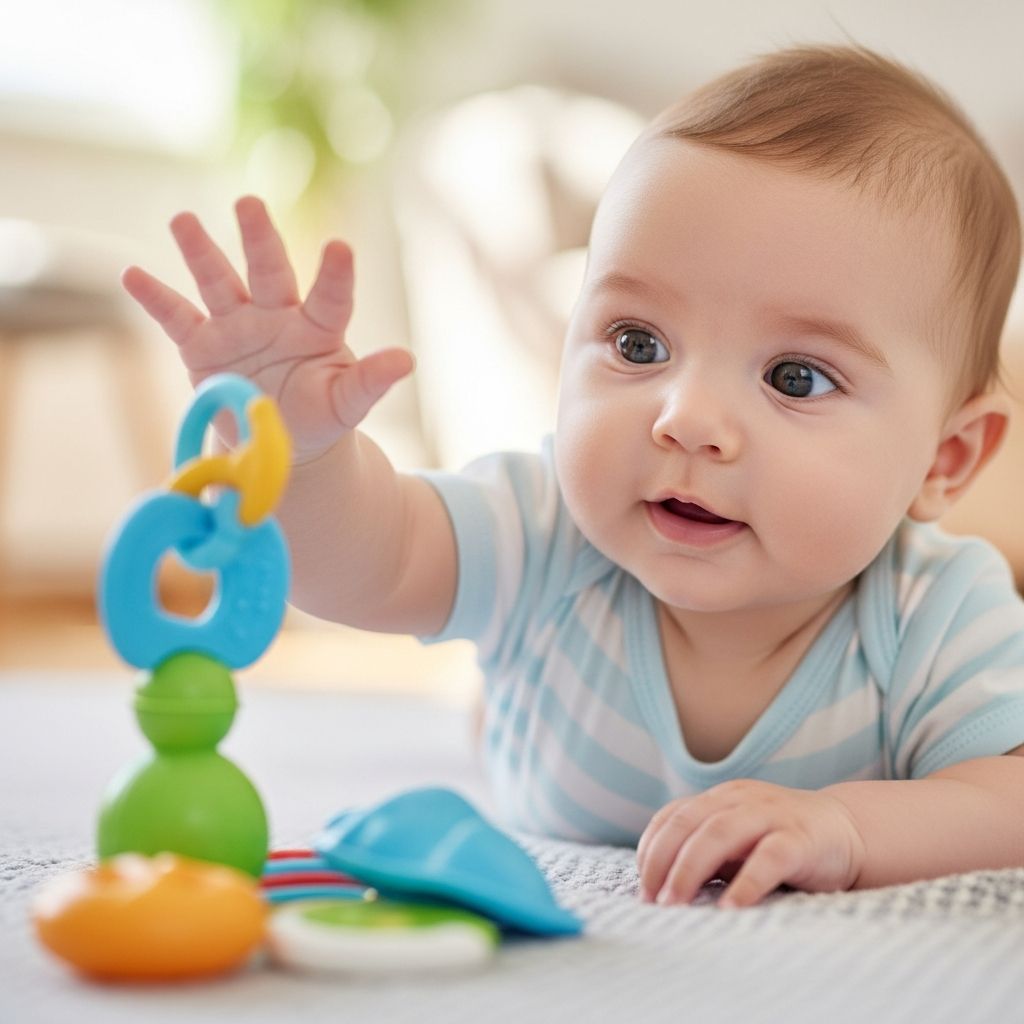
Every child develops at their own pace, but tracking speech and language progress helps parents spot when support might be needed. From coos in the early months to full sentences by toddlerhood, understanding typical timelines empowers caregivers to nurture communication effectively.
Understanding Communication Foundations in Infancy
Language development begins at birth, rooted in a baby’s ability to hear and respond to sounds. Newborns quickly learn to recognize familiar voices, setting the stage for more complex interactions. This early phase focuses on receptive skills—processing what is heard—before expressive ones emerge.
During the first three months, infants typically quiet or smile when spoken to, make cooing sounds, and react differently to various cries based on needs like hunger or discomfort. These responses show they distinguish tones and voices, crucial for later speech.
Key Milestones from Birth to 12 Months
The first year brings rapid changes in how babies interact with their world through sound. Parents can observe progress in both understanding and producing noises.
- 0-3 Months: Alerts to sounds, smiles at voices, produces pleasure sounds like coos and gurgles.
- 4-6 Months: Turns toward new sounds, babbles with varied noises (e.g., ‘ooh’, ‘aah’), responds to tone changes and enjoys toys that rattle.
- 7-12 Months: Recognizes name, understands simple words like ‘cup’ or ‘bye-bye’, babbles strings like ‘ba-ba-ba’, imitates gestures and sounds.
By 12 months, many babies say 1-3 words such as ‘mama’ or ‘dada’, follow basic commands with gestures, and point to familiar objects. Variations exist, but consistent tracking helps identify patterns.
Toddler Language Explosion: 12 to 36 Months
After the first birthday, vocabulary surges. Toddlers shift from single words to phrases, grasping concepts like actions and descriptions.
| Age Range | Receptive Skills (Understanding) | Expressive Skills (Speaking) |
|---|---|---|
| 12-18 Months | Follows simple directions with gestures, knows common object names | 2-6 words, imitates speech, points to body parts |
| 18-24 Months | Understands action words (clap, jump), answers yes/no questions | 50+ words, 2-3 word phrases like ‘more milk’, animal sounds |
| 24-36 Months | Follows 2-step directions, knows spatial terms (in/on) | 100-200 words, 3-4 word sentences, basic questions |
By age 3, most children use pronouns correctly, describe feelings, and form sentences strangers can understand about half the time. Pronunciation improves, though ending sounds may still be dropped.
Signs Your Child Might Need Extra Support
Not all quiet babies have issues, but certain red flags warrant attention. If a child shows no babbling by 12 months, few words by 18 months, or no two-word combos by 24 months, evaluation is wise.
- Limited eye contact or gesturing (pointing, waving) by 12 months.
- No single words by 16 months or phrases by 24 months.
- Loss of previously gained skills, like forgetting words.
- Difficulty following simple instructions or playing pretend by 2 years.
Hearing problems often underlie delays, so screening is essential. Other factors include bilingual homes or frequent ear infections, but professional assessment clarifies causes.
Everyday Strategies to Boost Language Skills
Parents play a pivotal role in fostering speech without pressure. Respond to all vocalizations as meaningful conversation to build confidence.
- Read Daily: Point to pictures, name objects, and ask questions to expand vocabulary.
- Narrate Routines: Describe actions during play, meals, and baths using simple, repetitive phrases.
- Sing and Rhyme: Songs with gestures enhance sound recognition and memory.
- Limit Screens: Prioritize face-to-face interaction over passive media.
- Expand Utterances: If baby says ‘ball’, reply ‘Yes, big red ball!’ to model growth.
Consistent, responsive talking creates a rich language environment. Toys like blocks or puppets encourage turn-taking in ‘conversations’.
Navigating Bilingual or Multilingual Homes
Children in homes with multiple languages often mix words initially but catch up by school age. Total words across languages matter more than per-language counts. Encourage all tongues equally, and track overall milestones. Delays are no more common here than monolingual settings.
Premature Babies and Developmental Timelines
Preemies may hit milestones later, adjusted for corrected age (time since due date). For example, a 12-month-old born 2 months early uses 10-month benchmarks. Monitor closely and consult adjusted charts from reliable sources.
When and How to Seek Professional Help
Early intervention yields the best outcomes. In the U.S., free evaluations via Early Intervention programs start from birth to age 3. Pediatricians screen at well-visits; if concerns arise, request speech-language pathologist (SLP) referral.
Assessments check hearing first, then language via play-based observation. Therapies focus on modeling, not drilling, often involving parents.
Long-Term Outlook for Late Talkers
Many late talkers thrive without intervention, especially if receptive skills are strong. About 70-80% catch up by school age, though monitoring literacy is key. Persistent issues may link to conditions like autism or specific language impairment, but early ID helps.
Frequently Asked Questions
Is it normal for my 18-month-old to have only a few words?
Some children speak late but understand well. Track progress; consult a doctor if under 10-15 words or no gestures.
Should I worry about babbling in a bilingual home?
No, bilingual babies babble similarly and meet milestones overall. Count words from all languages.
How can I tell if it’s a hearing issue?
Signs include no startle to loud noises or response to name. Get a hearing screen promptly.
What if my child regresses in speech?
This is a red flag. Seek immediate evaluation for possible medical causes.
Are boys typically later talkers than girls?
Boys often lag slightly, but individual variation trumps gender averages. Monitor each child.
Empowering Your Role as Language Guide
Patience and engagement turn everyday moments into speech-building opportunities. Celebrate all communication attempts, from cries to chatter. By fostering a supportive environment, parents help children unlock their voices confidently.
References
- Age-Appropriate Speech and Language Milestones — Children’s Hospital of Philadelphia (CHOP). Accessed 2026. https://www.chop.edu/health-resources/age-appropriate-speech-and-language-milestones
- Speech and Language Development from Birth to 12 Months — Great Ormond Street Hospital (GOSH). Accessed 2026. https://www.gosh.nhs.uk/conditions-and-treatments/procedures-and-treatments/speech-and-language-development-birth-12-months/
- Language Development: Speech Milestones for Babies — Mayo Clinic. 2023-10-05. https://www.mayoclinic.org/healthy-lifestyle/infant-and-toddler-health/in-depth/language-development/art-20045163
- Speech and Language Developmental Milestones — National Institute on Deafness and Other Communication Disorders (NIDCD), NIH. Accessed 2026. https://www.nidcd.nih.gov/health/speech-and-language
- Speech and Language Milestones, Birth to 1 Year — MyHealth Alberta. Accessed 2026. https://myhealth.alberta.ca/Health/pages/conditions.aspx?hwid=ue5081
- Communication Milestones: Birth to 1 Year — American Speech-Language-Hearing Association (ASHA). Accessed 2026. https://www.asha.org/public/developmental-milestones/communication-milestones-birth-to-1-year/