Choosing an infant formula is one of the most emotional and confusing decisions new parents face, especially when soy is off the table. Whether you are dealing with allergies, personal preferences, or health concerns, understanding soy-free baby formulas can help you feel more confident and calm about how you feed your baby.
Why Some Families Avoid Soy in Baby Formula
Soy-based infant formulas are designed as a complete source of nutrition for babies who cannot use standard cow’s milk-based formulas, but they are not the right choice for every family. Parents may choose soy-free options for medical, nutritional, or lifestyle reasons, or simply out of an abundance of caution.
- Concerns about potential allergies or intolerances to soy protein.
- Family history of food sensitivities or autoimmune conditions.
- Preference for formulas with fewer processed plant isolates or additives.
- Advice from a pediatrician to avoid soy for a specific health condition.
Common Situations Where Soy-Free Formula Is Considered
Not every baby needs to avoid soy, and many babies tolerate soy-based products without clear issues. However, there are several situations in which a pediatrician may suggest staying with a soy-free formula or exploring alternatives to soy-based products.
- Recurrent digestive upset, such as gas, bloating, or abnormal stools, possibly tied to soy exposure.
- Visible skin reactions like rashes or eczema that appear to flare after formula feeds.
- Family preference for dairy-based or hypoallergenic formulas instead of soy-based options.
Understanding the Main Types of Soy-Free Baby Formula
Soy-free formulas are not all the same, and it helps to understand how they differ. The primary options include standard cow’s milk-based formulas, partially or extensively hydrolyzed formulas, specialized amino acid formulas, and some goat’s milk-based or other emerging alternatives. Each category addresses different nutritional and tolerance needs.
| Formula Type | Protein Source | Best Suited For | Key Considerations |
|---|---|---|---|
| Standard cow’s milk-based | Intact cow’s milk proteins | Most healthy, full-term infants without dairy allergy | Widely available; often most affordable; typically soy-free if label confirms |
| Partially hydrolyzed | Partially broken-down cow’s milk proteins | Babies with mild digestive issues or suspected sensitivity | Not appropriate for true cow’s milk allergy; still easier to digest for some |
| Extensively hydrolyzed | Highly broken-down proteins (hypoallergenic) | Infants with diagnosed cow’s milk protein allergy | More expensive; taste and smell can be different; often used short- to medium-term |
| Amino acid-based | Individual amino acids (no whole proteins) | Severe allergies or multiple food protein intolerance | Typically prescription-guided; very specialized; usually soy-free |
| Goat’s milk-based | Goat’s milk proteins | Parents seeking a different animal milk protein | Not automatically safe for cow’s milk allergy; must still be nutritionally complete |
How to Read a Formula Label for Hidden Soy
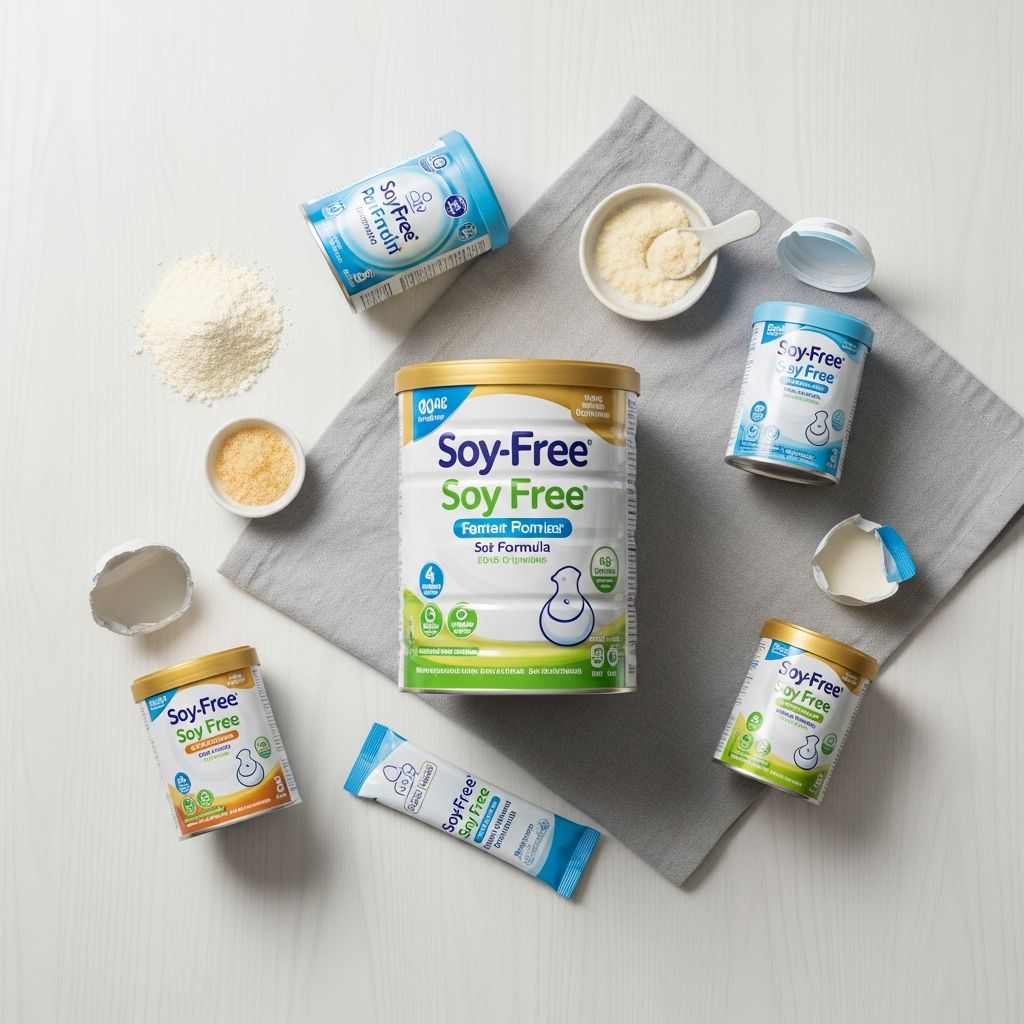
The phrase “soy-free” does not always appear clearly on infant formula packaging, so parents need to learn how to interpret ingredient lists and allergy statements. A careful look at both the main ingredient panel and the allergy line can help you avoid accidental soy exposure.
- Check the allergen statement for phrases like “contains soy” or “may contain soy” near the ingredient list.
- Scan the ingredients for soy derivatives such as soy protein isolate, soy lecithin, or textured vegetable protein.
- Understand that some formulas use plant oils that are not soy-derived, such as sunflower or palm, which is different from soy protein.
- When in doubt, contact the manufacturer directly to confirm whether a particular product is entirely soy-free.
Nutritional Basics of Soy-Free Formulas
Soy-free baby formulas are designed to meet established nutritional standards so that babies receive enough protein, fats, carbohydrates, vitamins, and minerals to grow well. The absence of soy protein does not mean that the formula is incomplete; instead, a different protein source is used, usually from dairy or a specialized alternative.
Key nutrients to pay attention to include iron, essential fatty acids, vitamin D, calcium, and specific amino acids needed for growth. Most commercial formulas are regulated to include appropriate levels of these nutrients, but specialized products may require closer monitoring under medical guidance.
Possible Signs a Baby May Not Tolerate Soy
Not every fussy moment or diaper change points to a problem with soy, but patterns over time can offer clues. If you notice repeated symptoms that seem to coincide with feeds of soy-containing products, it is reasonable to discuss this observation with a pediatrician.
- Persistent diarrhea or very abnormal stools not explained by illness.
- Excessive gassiness, abdominal discomfort, or drawing legs up after feeds.
- Frequent skin rashes, hives, or eczema flare-ups that appear related to feeding.
- Growth that is slower than expected, in combination with feeding struggles or poor intake.
Transitioning Safely to a Soy-Free Formula
Switching formulas can be done gradually to give your baby time to adjust in terms of taste, digestion, and routine. Abrupt changes are sometimes necessary for medical reasons, but when there is no emergency, a more stepwise approach often feels easier for both parents and babies.
- Confirm with your pediatrician which soy-free formula type is most appropriate.
- Introduce the new formula by mixing a small portion with the current formula for a few feeds.
- Slowly increase the proportion of the new soy-free formula over several days.
- Monitor diapers, behavior, and feeding volumes as the change progresses.
- Keep a simple log of any symptoms to share at follow-up visits.
Cost, Availability, and Practical Considerations
Soy-free formulas can range from mainstream supermarket products to highly specialized items ordered through pharmacies or online suppliers. Availability may vary depending on where you live, and certain products may sell out more frequently, especially during periods of high demand.
- Standard cow’s milk-based soy-free formulas tend to be the most widely available and budget-friendly.
- Hydrolyzed and amino acid-based formulas are often more expensive and may be easier to obtain with a healthcare provider’s guidance.
- Some insurance plans or public health programs may help with the cost of medically necessary specialty formulas.
Questions to Ask Your Pediatrician About Soy-Free Feeding
Your child’s healthcare team is a key partner in navigating formula choices, especially when allergens, growth concerns, or chronic conditions are in the picture. Arriving with specific questions can make visits more efficient and reassuring.
- Is there a medical reason my baby should avoid soy, or is this mostly a preference?
- Which type of soy-free formula matches my baby’s health history and growth pattern?
- What signs should prompt a call or visit after we switch formulas?
- How long should we stay on this specific product before we consider a change?
Myths and Realities About Soy and Infant Health
Conversations about soy and babies can become emotional, especially when strong opinions and conflicting information circulate among friends, on social media, or in parenting groups. It helps to separate myths, fears, and assumptions from what is known and supported by professional guidance.
- Myth: Every baby should avoid soy at all costs. Reality: Many babies tolerate soy-based formulas well under professional supervision, while some families choose to avoid them out of caution or specific health concerns.
- Myth: Soy-free formulas are always superior. Reality: The “best” formula is the one that safely supports a particular baby’s growth, comfort, and medical needs, whether it contains soy or not.
- Myth: A baby who reacts to one formula will react to all. Reality: Sensitivities can be very specific; some babies tolerate certain protein structures but not others, which is why individualized guidance matters.
Supporting Emotional Well-Being While Navigating Formula Choices
Feeding decisions can carry guilt and pressure, particularly for parents who wanted to breastfeed or who feel overwhelmed by the amount of information available. Remember that caring, attentive feeding, regardless of the exact formula brand, is a powerful expression of love and responsibility.
- Seek reassurance from trusted healthcare providers rather than online comment sections.
- Give yourself permission to re-evaluate your choices as new information or guidance becomes available.
- Connect with other parents who respect a range of feeding decisions instead of insisting on a single “right” way.
Frequently Asked Questions About Soy-Free Baby Formula
Is soy-free formula safer than soy-based formula?
Safety depends on matching the formula to the individual baby rather than on one ingredient alone. Soy-free formulas are very helpful for infants with allergies, intolerances, or specific health conditions, while other babies may do well on soy-based options endorsed by their healthcare providers.
Can a baby with cow’s milk allergy use a soy-free dairy formula?
A true cow’s milk protein allergy typically rules out standard dairy-based formulas, even if they do not contain soy. In such cases, pediatricians often recommend extensively hydrolyzed or amino acid-based formulas that are both soy-free and designed for highly sensitive babies.
Are goat’s milk formulas always soy-free?
Many goat’s milk-based formulas use goat milk as the main protein source, but they may still include soy-derived ingredients such as emulsifiers or oils. Always check the label and allergy statement to confirm whether a specific product is completely free of soy.
How long should I give a new soy-free formula before deciding it works?
Minor digestive and behavioral adjustments can take several days after a formula change. Unless there is a serious reaction, families are often advised to try a new formula for about one to two weeks before evaluating its full impact, while staying in close contact with their pediatrician.
Can I mix different soy-free formulas?
Mixing different products is sometimes done during transitions, but it is important to follow safe preparation directions and keep your pediatrician informed. In many cases, sticking with a single well-tolerated formula once the transition is complete makes it easier to monitor your baby’s response.
Key Takeaways for Parents
A soy-free baby formula can be an excellent choice for families managing allergies, sensitivities, or personal preferences. By understanding label terminology, recognizing your baby’s symptoms, and involving healthcare professionals in decisions, you can select a formula that supports healthy growth while aligning with your family’s values.