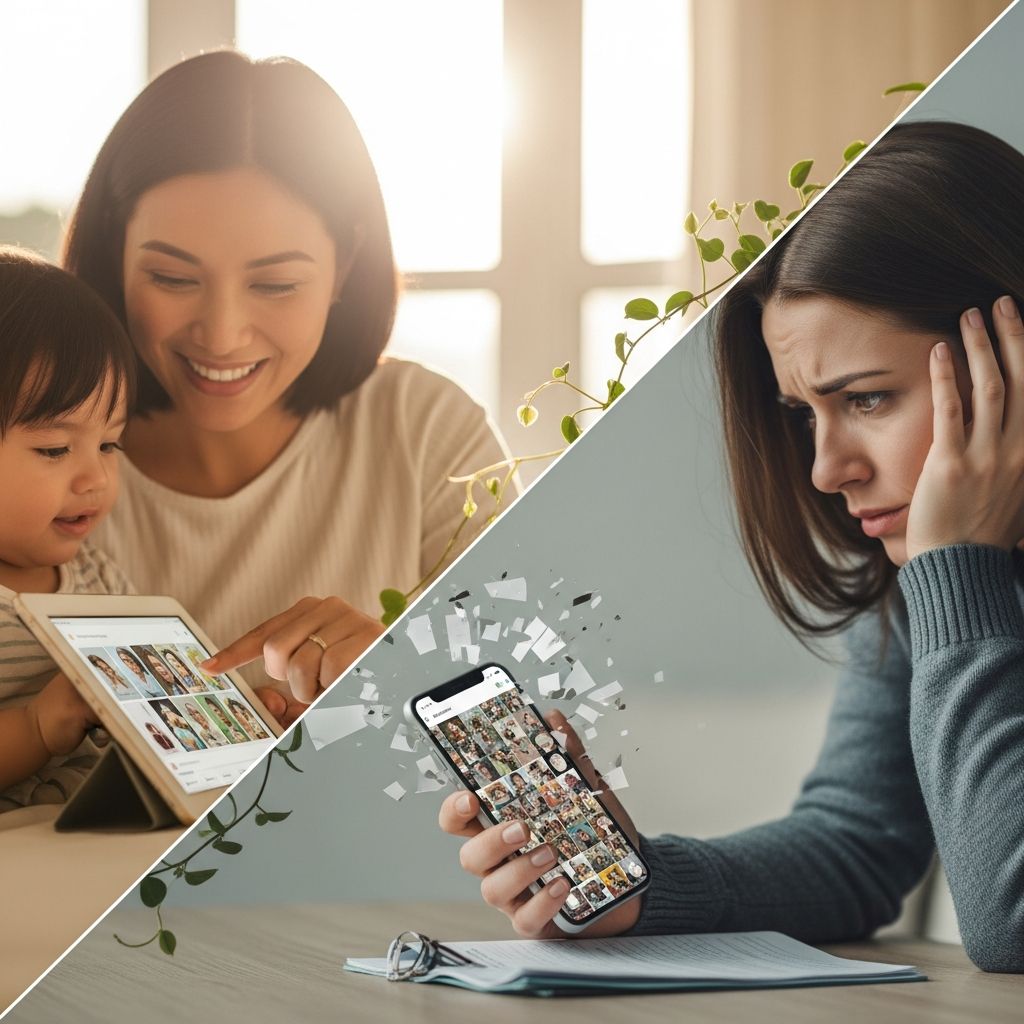
Digital platforms have transformed how new mothers experience parenthood, offering instant access to advice, communities, and inspiration while simultaneously intensifying pressures of perfectionism and self-doubt. This evolution raises essential questions about whether these tools ultimately uplift or undermine maternal well-being.
Building Bridges: The Supportive Side of Online Motherhood Networks
Social media serves as a lifeline for many new mothers, connecting them to virtual villages that combat isolation during the demanding early stages of parenting. Platforms like Facebook groups and Instagram communities provide spaces where women share real-time tips on sleep training, breastfeeding challenges, and postpartum recovery, fostering a sense of solidarity that traditional support systems often lack.
- Informational Access: Mothers gain quick answers to urgent questions, from managing colic to navigating work-life balance, often from peers in similar life stages.
- Emotional Validation: Stories of struggles and triumphs normalize the chaos of new parenthood, reducing feelings of loneliness.
- Resource Sharing: Recommendations for products, local services, and professional help spread rapidly, empowering informed decision-making.
These networks prove especially valuable for millennial and Gen Z mothers juggling careers and family, filling gaps left by busy schedules or geographic distance from family. By democratizing knowledge, social media empowers women to navigate motherhood with confidence.
The Shadow of Perfection: How Curated Feeds Breed Inadequacy
Despite its benefits, the highlight-reel nature of social media perpetuates an unattainable ideal of motherhood, where every moment appears seamless and joyful. Filtered images of spotless homes, designer nurseries, and effortlessly fit postpartum bodies create a facade that distorts reality and invites constant self-comparison.
Research highlights how this exposure amplifies guilt and anxiety. New mothers scrolling through feeds often internalize these portrayals as benchmarks, leading to self-critique when their own experiences deviate—messy hair, tired eyes, or imperfect routines become sources of shame. A survey of 2,000 mothers revealed that those active on social media are over four times more likely to feel like ‘bad parents’ compared to non-users, with 46% reporting frequent inadequacy versus just 11%.
| Group | % Feeling Like ‘Bad Mom’ Sometimes | Average Episodes Per Year |
|---|---|---|
| Social Media Users (65% of moms) | 46% | 156 |
| Non-Users (26% of moms) | 11% | Lower (not specified) |
This table underscores the correlation: heavy platform engagement correlates with heightened negative self-views, as 77% of mothers agree social media imposes undue pressure on appearance and behavior.
Influencer Culture: Aspirational Guides or Pressure Cookers?
Mom influencers, or ‘momfluencers,’ dominate feeds with polished content on routines, meals, and milestones, attracting 83% of aware mothers as viewers. While they offer practical hacks—like quick meal preps or sensory play ideas—their monetized perfection can blur lines between genuine sharing and commercial promotion.
Critically, this culture reinforces hegemonic standards of ‘good motherhood,’ where success is measured by aesthetic outputs rather than emotional bonds. Mothers report anxiety from trying to replicate these ideals, only to face failure amid real-life constraints like sleep deprivation or budget limits. Moreover, the algorithmic preference for extreme content—either unrelenting joy or performative exhaustion—polarizes discussions, turning comment sections into battlegrounds of judgment.
- Positive: Exposure to diverse parenting styles broadens perspectives.
- Negative: Commercial ties exploit users’ data and aspirations for profit, turning personal sharing into digital labor.
Digital Labor and Surveillance: The Hidden Costs of Connected Parenting
Beyond emotional tolls, social media demands unwaged work from mothers. Engaging in groups—liking, commenting, posting—generates data commoditized for targeted ads, from baby gear to wellness products. This ‘intimate surveillance’ quantifies the parenting journey, reducing nuanced experiences to metrics like milestone trackers in apps.
Pregnancy and baby apps exacerbate this by turning bodies and infants into data points, promising optimized care but fostering obsession over perfection. Participants in studies describe perpetual monitoring as both empowering and exhausting, blurring self-care with performance.
Mental Health Frontlines: Anxiety, Shame, and the Mom Shame Epidemic
The mental health implications are stark. Social media’s role in postpartum anxiety stems from comparison traps, where ‘perfect’ posts trigger doubt. Women report enhanced body shame post-birth, fixating on influencers’ rapid recoveries while grappling with their own.
Negativity thrives online: Complaining mothers face ‘you chose this’ backlash, joyful ones ‘smug’ accusations—creating a no-win scenario that deters authentic sharing. This ‘mom shaming’ isolates further, yet platforms can counter it by amplifying real stories, dispelling myths, and rallying for better support systems.
ChristianaCare experts note social media’s mixed bag for those with postpartum depression, useful for resources but risky for insecurity.
Strategies for Healthier Digital Habits in Motherhood
To harness benefits without the burnout, mothers can adopt mindful practices:
- Curate Intentionally: Follow diverse, realistic accounts; mute or unfollow triggers.
- Set Boundaries: Limit scroll time, especially evenings, to protect sleep and mood.
- Seek Balance: Pair online input with offline connections for grounded perspectives.
- Amplify Authenticity: Share unfiltered moments to normalize imperfection.
- Prioritize Self-Care: Use apps mindfully, focusing on well-being over metrics.
Broader change requires platforms to prioritize mental health algorithms and regulations curbing exploitative marketing.
Real Voices: Testimonials from the Digital Motherhood Frontier
‘Social media helped me find my tribe during sleepless nights, but the perfect feeds left me feeling like a failure.’ – Anonymous new mom
‘Unfollowing influencers was liberating; now I parent for my family, not likes.’ – Recovering scroller
These stories echo research: Connection saves, but comparison corrodes.
Frequently Asked Questions
Does social media cause more harm than good for new mothers?
It depends on usage; it provides essential support but heightens inadequacy risks for heavy users, per studies showing 4x higher ‘bad mom’ feelings.
How can moms combat online comparison?
Curate feeds for realism, limit time, and engage offline communities to ground experiences in reality.
Are mom influencers helpful or harmful?
They offer tips but often promote ideals leading to pressure; 83% watch them, yet many feel subsequent shame.
Should new moms quit social media entirely?
Not necessarily—strategic use builds networks; unfollowing toxic content preserves benefits without downsides.
What role do apps play in parenting stress?
They track milestones aidantly but encourage surveillance, amplifying guilt over ‘perfect’ progress.
References
- Understanding the Tensions of “Good Motherhood” Through Social Media Use During Transition to Parenting — PMC/NCBI. 2023-10-20. https://pmc.ncbi.nlm.nih.gov/articles/PMC10632912/
- It is time to unfollow social-media motherhood — Annika, Internet is My Friend (Substack). 2024-01-15. https://internetismyfriend.substack.com/p/it-is-time-to-unfollow-social-media
- Stopping the Mom-Shame on Social Media — 4th Trimester Project. 2023-05-10. https://newmomhealth.com/selfcare/stopping-the-mom-shame-on-social-media/
- The Impact of Social Media on Motherhood – Empowering or Overwhelming? — Momtastic World. 2024-02-28. https://www.momtasticworld.com/the-impact-of-social-media-on-motherhood-empowering-or-overwhelming/
- Does Social Media Make You Feel Like a Bad Mom? — INTIMINA. 2023-11-05. https://www.intimina.com/blog/social-media-motherhood/
- Social media and new moms aren’t always a great mix — ChristianaCare News. 2015-08-01. https://news.christianacare.org/2015/08/social-media-and-new-moms-arent-always-a-great-mix/