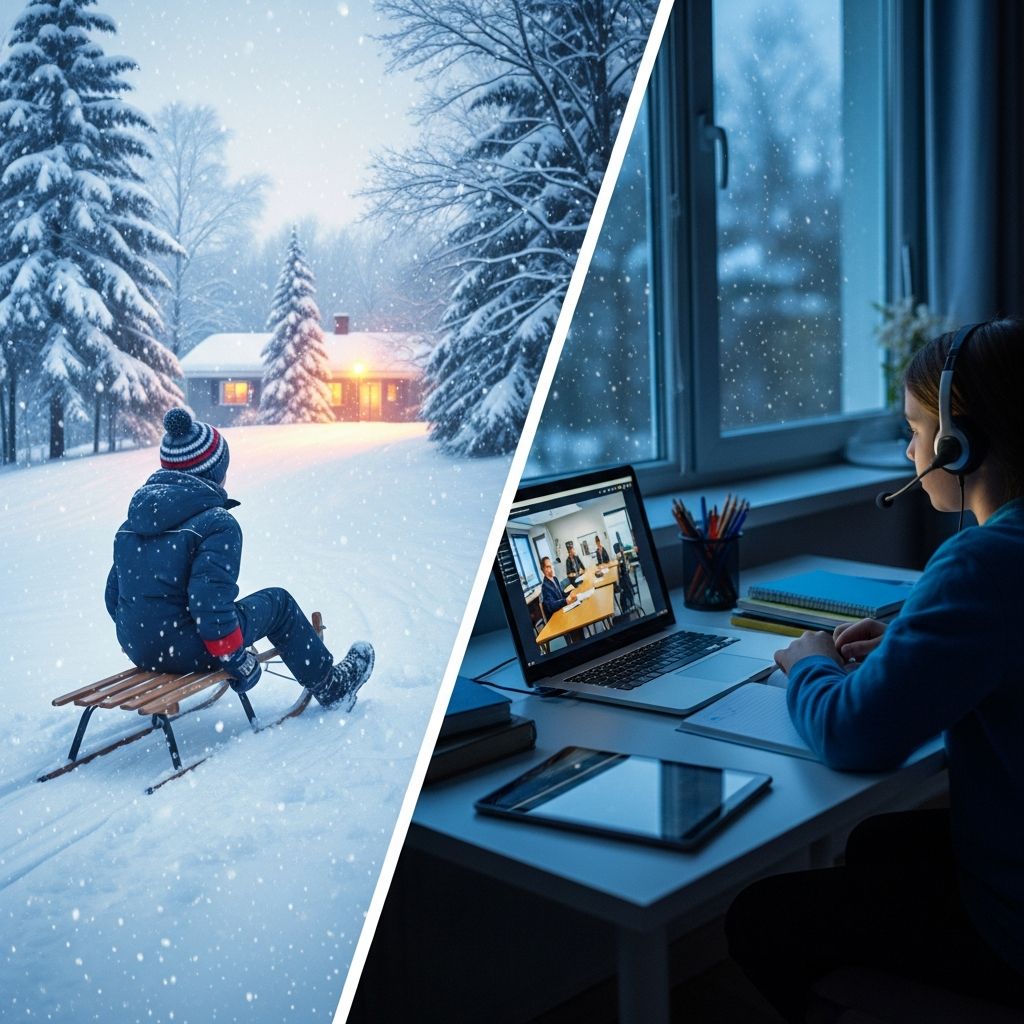
Winter storms have long sparked excitement among children, promising unplanned breaks from routine. Yet, the COVID-19 pandemic introduced remote learning as a viable alternative, challenging the classic snow day. This shift raises questions about balancing education continuity with the irreplaceable value of unstructured outdoor time. As schools adapt policies, parents navigate new realities, and viral moments capture public imagination, the essence of snow days hangs in the balance.
The Enduring Magic of Traditional Snow Days
Nothing captures childhood joy quite like a snow day announcement. Schools shutter, buses stay parked, and families embrace spontaneous fun. These breaks foster creativity, family bonding, and physical activity in fresh powder. Mental health experts emphasize their benefits, noting that unplugging from screens allows kids to recharge through play, reducing stress built up from academic pressures.
During heavy snowfalls, children build forts, sled down hills, and engage in neighborhood games. Such activities promote motor skills development, social interaction, and resilience. Doctors highlight that outdoor exertion in cold weather boosts immunity and mood via endorphin release. In contrast to structured virtual classes, these days offer pure, unscripted delight.
- Physical Health Gains: Shoveling snow or trekking through drifts provides natural exercise, burning calories and strengthening muscles.
- Mental Recharge: Free play combats screen fatigue, enhancing focus upon return to school.
- Family Connection: Shared hot cocoa moments build lasting memories and emotional bonds.
Surveys from snowy regions show overwhelming parental support for preserving these traditions, viewing them as essential wellness pauses in rigid schedules.
Remote Learning’s Rise During Winter Storms
The pandemic accelerated remote learning adoption, with schools using it to maintain instruction amid closures. Nearly 40% of districts opted for virtual sessions over full cancellations during peak snow events. This approach minimizes instructional time loss and avoids tacking days onto summer vacations.
States like New York, Maryland, and Virginia updated laws to permit remote days. New York’s Board of Regents greenlit virtual instruction, prompting city officials to prioritize learning continuity. Maryland caps it at eight days annually with live teacher sessions required for five, while Virginia allows ten. By 2022-2023, over 75% of high-snowfall states had such provisions, up from 50% pre-pandemic.
Urban districts like New York City and St. Paul lean heavily into full online transitions. However, rural or snow-heavy areas like Syracuse often stick to traditional closures, citing equity issues in home internet access and supervision challenges for working parents.
| State Policy | Remote Days Allowed | Key Requirements |
|---|---|---|
| New York | Variable | Board-approved virtual sessions |
| Maryland | Up to 8 | 5 days with live teacher interaction |
| Virginia | Up to 10 | Flexible implementation |
This patchwork reveals diverse strategies: some blend remote and traditional days, adapting to storm severity and community needs.
Viral Snow Day Announcements: Creativity Meets Chaos
Schools have turned mundane closure alerts into online spectacles, boosting engagement. Greenville Central School District’s “telephone game” video exploded with 700,000 views, featuring Superintendent Michael Bennett rallying students and staff in a chain of silly messages. These clips humanize administrators, foster school spirit, and entertain families nationwide.
Such content spreads rapidly on social media, blending humor with practical info like bus cancellations. Parents appreciate the levity, especially when paired with confirmed closures. One video sequence amassed views across platforms, drawing praise for involving the community creatively.
- Innovative formats: Lip-sync battles, dances, or themed skits.
- Community impact: Strengthens ties between staff, students, and families.
- Views milestone: Single clips hitting hundreds of thousands overnight.
These trends highlight how digital tools amplify snow day excitement, even as remote options proliferate.
Debating the Trade-Offs: Play vs. Productivity
Proponents of remote learning argue it ensures equity in education, preventing learning gaps. Policymakers note reduced makeup days preserve summer freedom. Yet, critics counter that virtual snow days undermine rest, forcing kids online amid distractions like siblings or spotty Wi-Fi.
Mental health advocates push back, citing studies on unstructured play’s role in emotional regulation. Doctors recommend true breaks for brain development, warning that constant connectivity exacerbates anxiety. In snowy locales, nostalgia preserves the tradition—families cherish impromptu adventures over Zoom fatigue.
Accessibility remains a hurdle: Not all homes have reliable broadband, disadvantaging low-income or rural students. During the pandemic, these disparities widened achievement gaps, fueling calls for hybrid models over full virtual reliance.
Parental Perspectives and Family Dynamics
Mothers often bear the brunt of juggling remote days with work-from-home demands. Traditional snow days offer guilt-free family time, allowing baking, crafts, or cozy reading. Virtual alternatives mean monitoring assignments while managing household chaos.
Many parents report higher stress on remote storm days, craving the simplicity of full closures. Forums buzz with pleas to “bring back real snow days,” echoing broader fatigue from pandemic-era screens. Yet, some appreciate the structure, especially in two-parent households with flexible jobs.
Balancing acts include setting boundaries: Designated play zones post-homework or weather-themed learning extensions like science experiments with snow.
School Policies Evolving with Weather Patterns
As climate shifts intensify storms, districts refine protocols. High-snow areas like the Northeast weigh remote viability against safety—treacherous roads endanger buses and staff. Policy data from 35 snowy states shows traditional days persist, thanks to doubts over online efficacy.
Future trends may include tech investments for better virtual tools, but nostalgia and wellness concerns safeguard classics. Districts blending approaches—remote for light flurries, closures for blizzards—gain traction.
Health Benefits Backed by Experts
Physicians endorse snow days for holistic wellness. Outdoor cold exposure builds grit and vitamin D synthesis, even briefly. Unstructured play hones problem-solving, absent in teacher-led video calls.
Pediatric guidelines stress limiting screens to two hours daily for school-agers; remote days risk exceeding this, per American Academy of Pediatrics standards. True breaks reset circadian rhythms disrupted by winter darkness.
Frequently Asked Questions (FAQs)
What are the main benefits of traditional snow days for children?
They promote physical activity, creativity, family bonding, and mental rest from screens, enhancing overall well-being.
How has the pandemic changed snow day policies?
Many states now allow remote learning days to avoid instructional loss, with over 75% of snowy states adopting such rules by 2023.
Why do some viral snow day videos gain massive traction?
Humorous, community-involved content like Greenville’s telephone game resonates, amassing 700,000+ views by entertaining broadly.
Are remote snow days effective for learning?
Opinions vary; while they maintain continuity, concerns over access and engagement persist, favoring hybrids in many districts.
Can parents advocate for more traditional snow days?
Yes, engaging school boards and citing health benefits can influence policies prioritizing child development over metrics.
Navigating Winter as a Modern Family
Whether embracing remote setups or lobbying for closures, families can maximize joy. Stock snow gear early, plan indoor alternatives for mild weather, and celebrate announcements with traditions. Amid debates, the core remains: winter wonders nurture growing minds.
Educators and parents alike ponder if technology should supplant serendipity. As policies solidify, the snow day endures as a symbol of childhood’s fleeting freedoms.
References
- Snow Day Videos Gone Viral! — Greenville Central School District. 2022-01-16. https://www.greenvillecsd.org/article/1496813
- Good old-fashioned snow day may be healthy for kids, doctors say — Fox News. 2024-12-20. https://www.foxnews.com/health/good-old-fashioned-snow-day-may-healthy-kids-doctors-say-permission-unplug
- Has Remote Learning Buried the Snow Day? Depends On Where You Live — Route Fifty. 2022-12-15. https://www.route-fifty.com/management/2022/12/remote-learning-buried-snow-day-depending-where-you-live/380849/