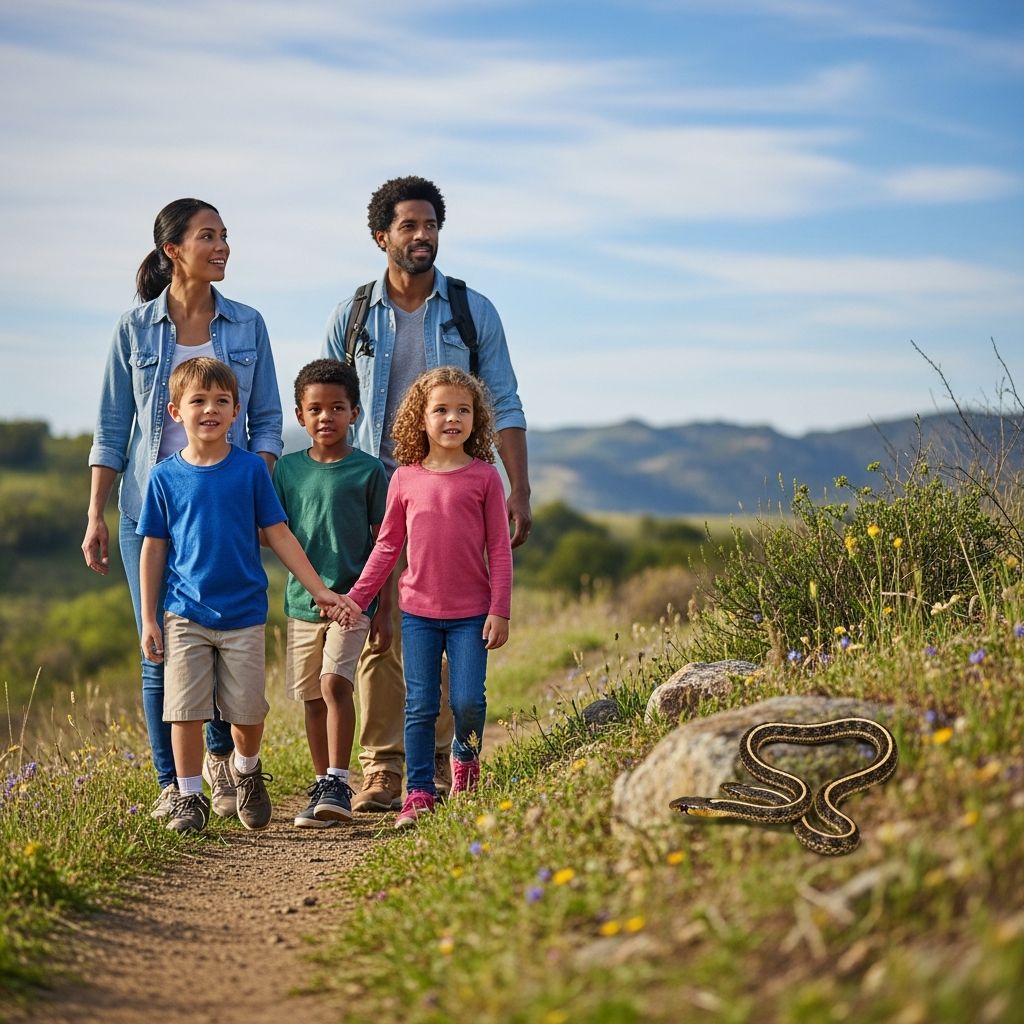
Outdoor exploration offers invaluable opportunities for children to connect with nature, but encounters with snakes require preparation to ensure safety. This guide provides parents with actionable strategies to teach kids how to recognize risks, avoid dangers, and respond effectively, drawing from expert recommendations to foster confident adventurers.
Understanding Snake Behavior and Risks
Snakes play a vital ecological role by controlling rodent populations, yet most prefer to avoid humans. Bites are rare and typically occur when snakes feel threatened, such as during accidental steps or attempts to handle them. In the U.S., venomous snakebites affect fewer than 8,000 people annually, with children at higher risk due to their curiosity and smaller size, which can lead to more severe effects from venom. Teaching respect rather than fear equips kids to coexist safely with wildlife.
Venomous species vary by region—rattlesnakes in the West, copperheads in the East, and cottonmouths near water—but all share traits like triangular heads and elliptical pupils. Non-venomous snakes, more common, have round heads and pupils. Early identification skills empower children without promoting panic.
Daily Prevention Habits for Children
Building safe routines starts at home and extends to play areas. Encourage these habits to minimize risks:
- Footwear choices: Insist on closed-toe shoes and long pants in grassy or wooded areas to shield feet and legs, prime bite targets.
- Stomp walking technique: Teach kids to step firmly, creating ground vibrations that alert snakes to retreat before contact.
- Yard maintenance: Clear debris piles, mow grass short, and check play zones for hiding spots like wood stacks or tall weeds.
- Path adherence: Stick to cleared trails during hikes, avoiding tall grass or blind reaches under rocks and logs.
These simple practices reduce encounters significantly, allowing families to enjoy backyards and parks confidently.
Spotting Snakes Before They Spot You
Vigilance is key in snake-prone environments. Train children to scan ahead, especially at dawn, dusk, or night when snakes are active. Use flashlights for low-light visibility and step around obstacles rather than over them. In rocky terrains, watch for basking snakes on sun-warmed surfaces.
| Environment | High-Risk Indicators | Safety Action |
|---|---|---|
| Wooded Trails | Leaf litter, logs | Stomp and scan 3 feet ahead |
| Grassy Fields | Tall weeds, rodent holes | Wear boots, stay on paths |
| Rocky Areas | Sun-exposed boulders | Approach slowly, alert adults |
| Water Edges | Overhanging branches | Avoid reaching into water |
This table outlines common settings and responses, helping families prepare for diverse outings.
Immediate Actions During a Snake Sighting
If a snake appears, the priority is calm retreat. Instruct children to:
- Freeze in place to avoid startling the snake, mimicking a non-threat.
- Observe from at least 3-10 feet: Does it coil or rattle? Has it noticed you?
- Back away slowly once safe, maintaining distance until out of sight.
- Alert an adult immediately, describing the snake’s color, size, and shape for identification.
Role-playing these steps at home builds muscle memory. Create a toy snake from socks or paper, hide it in the yard, and practice the “freeze and retreat” drill. This playful method reinforces protocols without inducing anxiety.
First Aid Fundamentals for Snakebites
Though rare—less than 1 in 1,000 outdoor trips involve bites—knowing first aid saves lives. For any suspected bite:
- Stay calm to slow venom spread; reassure the child.
- Immobilize the bitten limb at heart level; avoid walking if leg-bitten.
- Call 911 immediately—do not drive unless remote.
- Wash gently with soap and water; mark bite site with pen for swelling tracking.
- Skip tourniquets, cutting, suction, or ice—these worsen outcomes.
Pressure immobilization (firm bandage over bite, splinting limb) is advised for neurotoxic bites common outside the U.S., but U.S. protocols prioritize rapid transport. Always note snake details for antivenom selection.
Age-Appropriate Teaching Strategies
Tailor lessons to developmental stages for maximum retention:
- Toddlers (2-4 years): Simple rhymes like “Stomp, stomp, snake goes away!” paired with visual cues.
- Preschoolers (5-7 years): Picture books on local snakes and backyard hunts with safe props.
- School-age (8+ years): Regional identification charts, apps for virtual spotting, and supervised hikes discussing ecology.
Positive framing—”Snakes are shy helpers who eat pests”—cultivates respect. Avoid graphic stories; focus on empowerment.
Regional Considerations and Legal Protections
Snakes’ presence varies: arid Southwest hosts rattlesnakes, while Southeast sees copperheads. Check local wildlife services for species maps. In many areas, native snakes are protected; teach kids never to harm them, as relocation by professionals is safest.
For international travel, research ahead—Australia’s elapids demand stricter protocols.
Building Family Confidence Through Practice
Regular drills and nature immersion desensitize fears. Join ranger-led talks or apps like iNaturalist for observation logs. Pets should be leashed; supervise closely as they provoke bites.
Parental demeanor sets the tone: Composed reactions model safety. Over time, kids gain independence, turning potential hazards into learning moments.
Frequently Asked Questions
Can young children learn snake identification?
Yes, even preschoolers can recognize basic venomous traits like head shape with fun visuals and repetition.
What if my child gets bitten far from help?
Apply pressure bandage if trained, keep still, and use satellite communicators; prioritize evacuation.
Are snakes active year-round?
Most are dormant in winter; peak activity aligns with warmer months and breeding seasons.
How do I discuss snakes without scaring kids?
Use stories portraying snakes as beneficial, emphasizing avoidance over confrontation.
Should I remove snakes from my yard?
Call professionals; DIY attempts risk bites.
References
- Snake Safety for Kids: no need to scare them! — Mother Natured. 2023-05-15. https://mothernatured.com/safety/teach-your-child-to-be-snake-safe/
- Snakebites in Children — Nationwide Children’s Hospital. 2024-01-10. https://www.nationwidechildrens.org/conditions/health-library/snakebites-in-children
- Snake Safety for Kids — Wildlings Forest School. 2023-09-20. https://www.wildlingsforestschool.com/blog/snake-safety-for-kids
- Snake Safety for Kids and Families — Seek Adventures Blog. 2022-06-12. https://seekadventuresblog.com/snake-safety-for-kids-and-families/
- How to Be Safe Around Snakes — University of Georgia SREL Herpetology. 2023-11-05. https://srelherp.uga.edu/snake-safety/
- Snake Bites: Information for Families — American Academy of Pediatrics HealthyChildren.org. 2024-03-22. https://www.healthychildren.org/English/health-issues/conditions/from-insects-animals/Pages/Snake-Bites.aspx