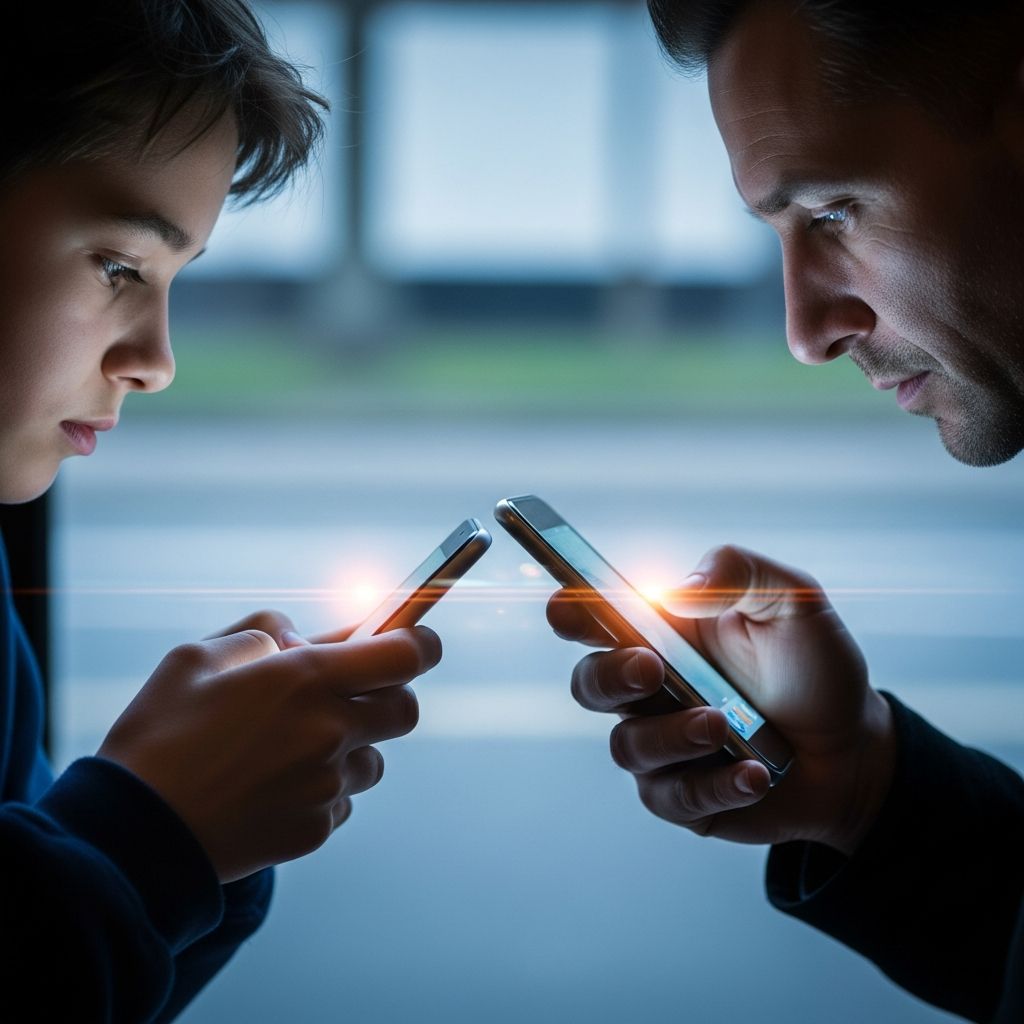
Excessive smartphone use has become a shared reality for billions, with both teenagers and adults openly acknowledging they spend too much time on their devices. In 2026, data shows Americans check their phones an average of 352 times per day, equating to every few minutes while awake, fueling a cycle of dependency that affects mental health, relationships, and productivity.
The Scale of Digital Dependency Across Generations
Smartphone addiction grips over 3.8 billion people worldwide, a figure that underscores its status as a global epidemic. The average user dedicates 4 hours and 37 minutes daily to their device, totaling around 70 full days annually lost to screens. This pattern intensifies among younger demographics, where Gen Z averages 6 hours and 5 minutes of screen time daily, with 56% feeling addicted.
Adults are not immune; 46% of Americans self-identify as addicted in 2026, up nearly 3% from the previous year. Millennials log 4 hours and 36 minutes daily (48% addiction rate), Gen X 4 hours and 9 minutes (44%), and even Baby Boomers average 3 hours and 31 minutes (29%). These statistics highlight a generational gradient, yet a common thread of regret unites them.
| Generation | Average Daily Screen Time | Percentage Feeling Addicted |
|---|---|---|
| Gen Z | 6 hours 5 minutes | 56% |
| Millennials | 4 hours 36 minutes | 48% |
| Gen X | 4 hours 9 minutes | 44% |
| Baby Boomers | 3 hours 31 minutes | 29% |
This table illustrates the stark disparities, driven by lifelong exposure to digital natives in younger groups.
Global Patterns: Where Phone Habits Run Hottest
While the U.S. sees 25% addiction rates, countries like China top problematic use scores at 36.18, followed by Saudi Arabia (35.73) and Malaysia (35.43). India reports 32% addiction, Brazil 28%. Daily usage leaders include Ghana (5:43 hours), Philippines (5:21), and Brazil (5:12).
| Country | Problematic Use Score/Addiction Rate |
|---|---|
| China | 36.18 (Highest) |
| Saudi Arabia | 35.73 |
| Malaysia | 35.43 |
| India | 32% |
| Brazil | 28% |
| United States | 25% |
These hotspots reveal cultural and economic factors amplifying overuse, with global averages at 3 hours 46 minutes daily.
Teen Confessions: Youth Grapple with Screen Overload
Teenagers bear a heavy burden, with 38% admitting excessive use and 71% experiencing anxiety or irritability without their phone for over 30 minutes. Half of U.S. teens (50%) consider themselves addicted, a rate echoed by parental concerns at 59%. Among those aware, 41% of girls and 32% of boys have tried cutting back.
Nearly 71% of teens report sleep loss due to devices, linking to broader mental health declines. Adolescents showing addiction signs (16% overall) face elevated risks of anxiety and depression.
- 50% of teens self-report addiction.
- 71% lose sleep over screens.
- 16% meet clinical behavioral addiction criteria.
Adult Admissions: When Work and Leisure Blur into Screens
Adults mirror teen struggles, with 57% feeling addicted and 53% desiring reduction—a 33% rise since 2023. Users check devices 144 to 352 times daily, touching screens over 2,617 times. Alarmingly, 53% have never gone 24 hours without their phone.
Young adults (18-29) check every few minutes (22%), 40% panic at low battery, and overuse correlates with a 21% higher depression rate beyond 5 hours daily.
Mental Health Toll: Anxiety, Depression, and Isolation
Overuse triggers profound effects: 42.8% struggle with attention, 29.5% anxiety, 21% depression, and 22.6% feel less connected. Phone separation anxiety (nomophobia) affects 71% of U.S. teens. A 16% rise in related anxiety cases marked early 2025.
- Trouble paying attention: 42.8% (negative impact).
- Anxiety: 29.5%.
- Depression: 21%.
- Physical issues like back pain: 25.9%.
91% of Americans own smartphones, up from 35% in earlier surveys, embedding devices deeply into life.
Real-World Dangers: From Roads to Relationships
20% of car accidents tie to phone distraction, compounding risks. Families suffer as shared meals turn into scroll sessions, eroding bonds. Productivity dips with compulsive checks every 2.7 minutes.
Rising Awareness and Action Steps
Optimism emerges: 53% of Americans aim to reduce use. Practical strategies include phone-free zones, usage trackers, and mindfulness. Teens succeeding in cuts show improved sleep and mood.
- Set screen limits via apps.
- Implement device-free dinners.
- Prioritize outdoor activities.
- Track usage weekly for accountability.
Frequently Asked Questions
Is smartphone addiction a real clinical issue?
Yes, 21% of global users meet behavioral addiction criteria, with rising clinical interventions like mindfulness therapy.
How many times do Americans check their phones daily?
Average ranges from 144 to 352 times, roughly every 2.7 to 4 minutes awake.
Which generation uses smartphones the most?
Gen Z leads at 6+ hours daily, 56% feeling addicted.
Can reducing screen time improve mental health?
Yes, less than 2 hours daily links to 21% lower depression in young adults.
What are signs of phone overuse in teens?
Anxiety without device (71%), sleep loss (71%), compulsive checking.
Projections: A Screen-Saturated Future?
Smartphone subscriptions hit 6.57 billion in 2022, projected to 7.69 billion by 2027. With 6.84 billion devices in 2024 growing 7.8% yearly, dependency may intensify without intervention.
Yet awareness surges—56% of Americans admit addiction, paving way for change. Parents model habits, fostering balanced futures.
References
- Smartphone Addiction Statistics 2026: You’re Not Alone — AFFiNCO. 2026. https://affinco.com/smartphone-addiction-statistics/
- Time Spent Using Smartphones (2026 Statistics) — Exploding Topics. 2026. https://explodingtopics.com/blog/smartphone-usage-stats
- 2026 Cell Phone Usage Stats: Americans Check… — Reviews.org. 2026. https://www.reviews.org/mobile/cell-phone-addiction/
- Smartphone Addiction Statistics 2026: Alarming Trends and Insights — SQ Magazine. 2026. https://sqmagazine.co.uk/smartphone-addiction-statistics/
- Cell Phone/Smartphone Addiction Statistics — Grateful Care ABA. 2026. https://www.gratefulcareaba.com/blog/cell-phone-smartphone-addiction-statistics
- Mobile Fact Sheet — Pew Research Center. 2026. https://www.pewresearch.org/internet/fact-sheet/mobile/
- Cell Phone Statistics 2026 — ConsumerAffairs. 2026. https://www.consumeraffairs.com/cell_phones/cell-phone-statistics.html