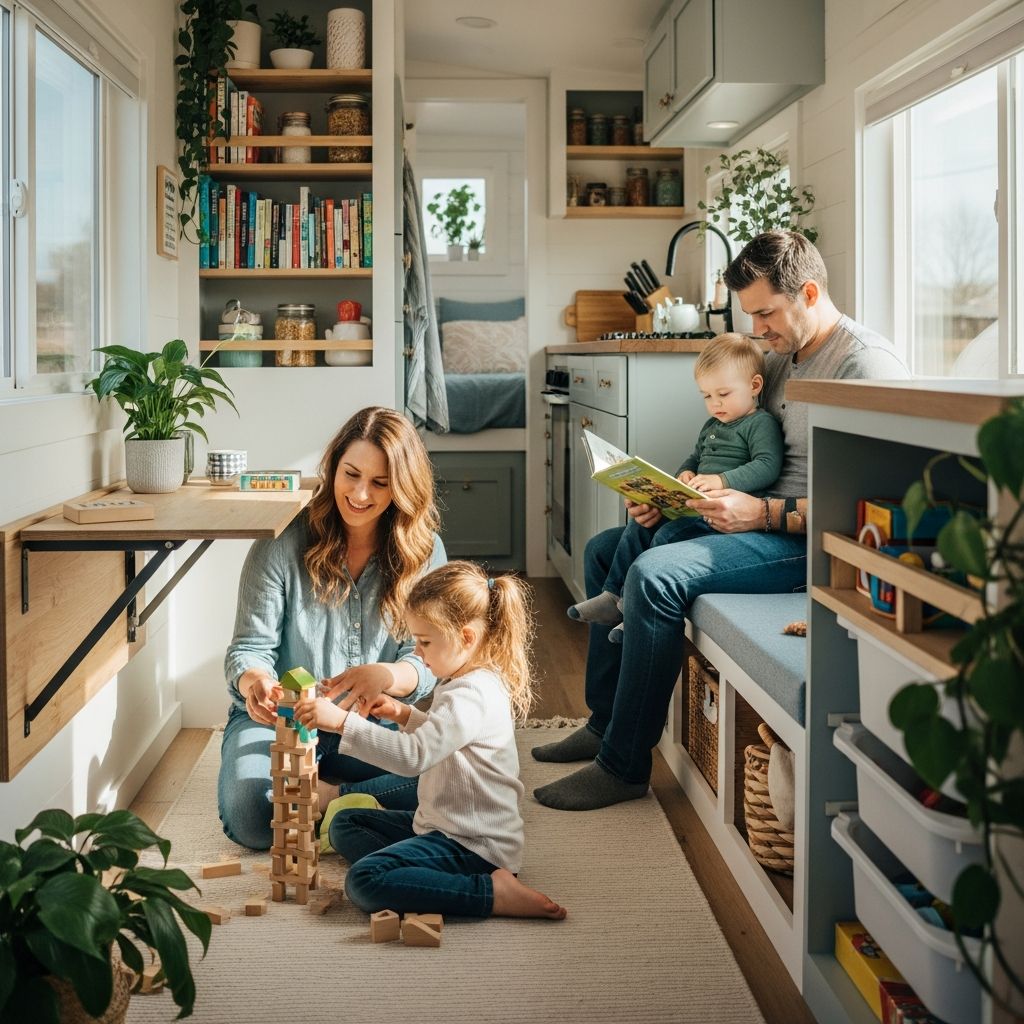
Families adapting to compact living environments often discover unexpected advantages, such as closer bonds and reduced maintenance. With thoughtful planning, even the smallest apartments can support active childhoods and parental sanity.
Mastering the Art of Decluttering for Family Harmony
Begin your small-space journey by committing to a ruthless purge of non-essentials. In limited square footage, every item must justify its presence through daily utility. Regularly assess toys, clothing, and household goods, donating or selling what hasn’t been used in months. This minimalist approach not only frees physical space but also cultivates mindfulness, teaching children the value of quality over quantity.
Implement a ‘one-in, one-out’ policy: for every new toy or garment acquired, retire an old one. Involve kids in the process to build habits early. Parents report that this strategy reduces overwhelm, creating visible floor space that invites play rather than inhibits it.
Vertical Innovation: Walls as Your Best Allies
When floors are at a premium, look upward. Install floating shelves at varying heights for books, art supplies, and display items. Magnetic strips on walls hold metal toys or utensils, while over-door organizers capture shoes and accessories. These solutions keep essentials accessible yet off the ground, promoting tidiness.
- High shelves for seasonal items like winter gear.
- Mid-level hooks for bags, hats, and backpacks.
- Low racks for frequent-use kid items, reachable by little hands.
Customize by age: toddlers benefit from lower, soft-edged shelves to encourage independence, while older children can manage higher storage.
Transformative Furniture: Pieces That Do Double Duty
Invest in items that adapt to multiple roles. A sofa bed accommodates overnight guests or expands sleeping arrangements. Folding tables serve meals, homework, and crafts, tucking away when not needed. Wall-mounted desks drop down for use and fold flat against the wall.
| Furniture Type | Daytime Use | Nighttime/Alternate Use |
|---|---|---|
| Wall Bed | Living area openness | Guest or kid sleeping |
| Ottoman with Storage | Seating/footrest | Toy bin or blankets |
| Extendable Table | Compact dining | Party hosting surface |
Such versatility prevents rooms from feeling cramped, allowing fluid transitions between family activities.
Cultivating Calm with Smart Decor Choices
Opt for pale palettes and reflective surfaces to amplify light. Large mirrors opposite windows create depth illusions, while sheer curtains soften incoming rays without blocking them. Avoid heavy patterns; instead, incorporate subtle textures like woven baskets or linen throws for warmth without clutter.
Strategic lighting layers—ambient overhead, task-oriented lamps, and soft accent glows—define zones without walls. This fosters a serene atmosphere, essential for restful evenings in shared spaces.
Extending Boundaries: Outdoor and Balcony Magic
Even modest patios or balconies become vital extensions. Portable planters yield herbs or flowers, engaging kids in gardening. Foldable chairs and low tables host picnics, while chalkboard paint on walls sparks creativity. In colder climates, weatherproof rugs define play zones.
Communal areas like building rooftops or nearby parks supplement indoor limits, scheduling outdoor time to balance cabin fever with fresh air benefits.
Building Routines and Habits for Lasting Order
Structure daily rhythms around tidying rituals. Morning ‘reset’ rounds assign quick tasks: kids return toys to bins before breakfast. Evening wind-downs clear surfaces, signaling bedtime. Visual charts with pictures help young ones grasp expectations.
Consistent routines minimize chaos, turning maintenance into bonding opportunities. Adapt as children grow, introducing responsibilities like laundry sorting.
Toy Rotation: Keeping Play Fresh and Space Clear
Curate 10-15 toys in rotation, storing others in labeled bins. Swap every 2-4 weeks to reignite interest, mimicking newness without accumulation. This method sustains engagement, reduces overstimulation, and conceals 70-80% of playthings.
- Puzzles and blocks one month.
- Dolls and vehicles the next.
- Seasonal themes like holidays follow.
Observe preferences to retire unpopular items permanently.
Zone Planning: Delineating Family Territories
Though walls are scarce, rugs, screens, and furniture arrangements carve distinct areas. A play mat under a low table forms a kid nook; bookshelves double as room dividers. Color-code zones—blue for calm reading, yellow for energetic games—to guide behavior subconsciously.
For sleeping, floor mattresses or lofted bunks maximize headroom. Co-sleeping setups with side rails suit infants in studios.
Emotional Resilience: Mindset Shifts for Joyful Living
Reframe constraints as creativity catalysts. Small spaces foster interdependence, prompting inventive play like fort-building from cushions. Families note stronger connections from constant proximity.
Combat cabin fever with community: join playgroups or library storytimes. Celebrate wins, like a clutter-free week, with family treats.
Budget-Friendly Hacks for Sustainable Setup
Prioritize durable, secondhand finds from marketplaces. DIY shelves from lumber keep costs low. Modular systems allow reconfiguration as needs evolve.
Track expenses: initial investments in quality storage yield long-term savings versus constant replacements.
Frequently Asked Questions
How do I sleep-train kids in a studio apartment?
Use white noise machines and consistent routines to minimize disruptions. Portable screens or hanging dividers create privacy illusions.
What’s the best storage for baby gear?
Under-crib drawers, hanging diaper stacks, and collapsible bassinets excel in tight spots.
Can small homes handle multiple kids?
Yes, via bunking, shared wardrobes, and rotations. Shared spaces build sibling cooperation.
How to entertain toddlers indoors?
Sensory bins, tape roads on floors, and window clings offer low-mess fun.
Is minimalist living suitable for young families?
Absolutely; it simplifies care and emphasizes experiences over possessions.
References
- 9 Essential Tips for Thriving in a Small Space with Kids — It’s Miranda. 2023-06-19. https://itsmiranda.com/2023/06/19/9-essential-tips-for-thriving-in-a-small-space-with-kids/
- Small Space Living with Kids: How to be Happy in a Small Home — Contentment with Simplicity. 2021-09-28. https://contentmentwithsimplicity.com/2021/09/28/small-space-living-with-kids/
- Full House: Living Small with Kids (and Their Stuff) — Never Too Small. N/A. https://www.nevertoosmall.com/post/living-small-with-kids
- Living Small with Kids? Don’t Upsize, Adapt — Resource Furniture. N/A. https://resourcefurniture.com/blogs/blog/living-small-with-kids-dont-upsize-adapt
- Genius Ideas from Smart Families in Functional Small Spaces — Apartment Therapy. N/A. https://www.apartmenttherapy.com/genius-ideas-from-smart-families-in-functional-small-spaces-37001337
- Small Space Tours | How Big Families Squeeze Into Small Apartments — YouTube. N/A. https://www.youtube.com/watch?v=l6UcNHZ1h4Y
- Anyone live in small house? — Simply Charlotte Mason Forum. N/A. https://simplycharlottemason.com/scmforum/topic/anyone-live-in-small-house/