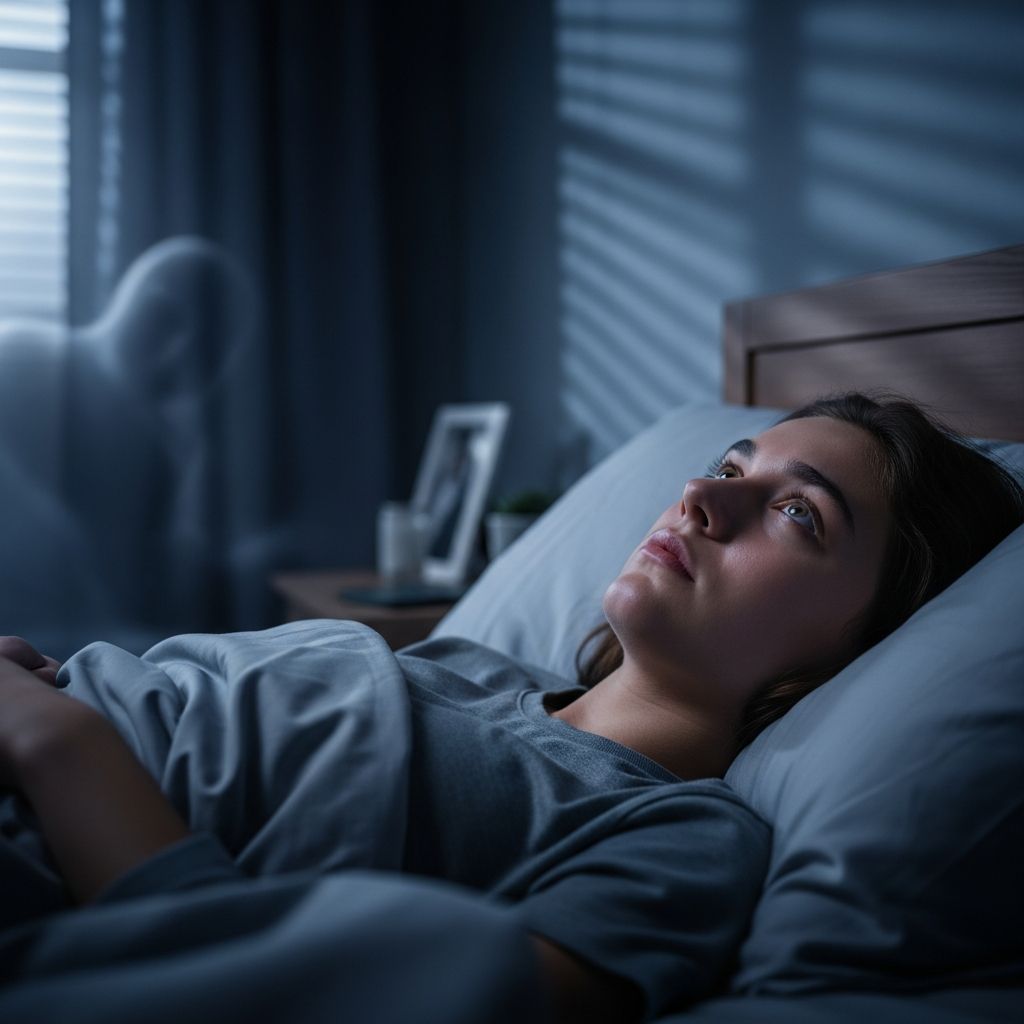
Sleep paralysis occurs when a person wakes up or falls asleep but cannot move their body, often accompanied by intense fear and vivid hallucinations. This phenomenon typically emerges during adolescence and affects up to 40% of people at some point, with higher frequency in teens due to hormonal shifts and lifestyle factors.
Recognizing the Signs of Sleep Paralysis
The hallmark of sleep paralysis is temporary muscle atonia, where individuals feel fully conscious but paralyzed, lasting from seconds to minutes. Episodes often happen during transitions into or out of rapid eye movement (REM) sleep, the stage where vivid dreaming occurs.
Common symptoms include:
- Inability to move arms, legs, or speak, creating a sense of entrapment.
- Chest pressure or difficulty breathing, mimicking suffocation.
- Hallucinations: visual (shadowy figures), auditory (whispers or screams), or tactile (feeling touched).
- Overwhelming fear, panic, or a sense of impending doom.
- Out-of-body sensations or perceived intruders in the room.
These experiences can leave teens exhausted the next day, with lingering anxiety impacting daily life. Unlike nightmares, victims remember every detail upon full awakening.
Why Teens Are Vulnerable to Sleep Paralysis
Adolescence brings biological changes in circadian rhythms, delaying natural sleep cycles and making teens prone to irregular schedules. Combined with academic demands, screen time, and social pressures, this disrupts REM regulation.
| Factor | Description | Impact on Sleep |
|---|---|---|
| Irregular Sleep Schedules | Late nights from homework or gaming | Fragments REM cycles |
| Stress and Anxiety | School, exams, relationships | Increases episode frequency |
| Supine Sleeping Position | Sleeping on back | Triggers atonia spillover |
| Genetics/Family History | Inherited predisposition | Higher recurrence risk |
Research indicates teens with poor sleep hygiene—such as using phones before bed—face elevated risks due to blue light suppressing melatonin.
Underlying Health Conditions Linked to Episodes
Isolated incidents are common, but recurrent sleep paralysis signals deeper issues. Narcolepsy tops the list, a neurological disorder causing sudden sleep attacks and REM intrusions.
Other associations include:
- Obstructive Sleep Apnea: Breathing pauses fragment sleep, blending wakefulness with REM.
- Restless Legs Syndrome (RLS): Uncomfortable leg sensations disrupt rest.
- Mental Health Disorders: PTSD, anxiety, depression correlate strongly, with stress amplifying hypervigilance in REM.
- Rare conditions like Wilson’s disease or substance use.
Studies show 75% of episodes involve hallucinations, more prevalent in those with trauma histories.
Decoding the Science: REM Sleep Disruption
During REM, the brain signals muscles to relax (atonia) to prevent dream enactment. In sleep paralysis, the mind awakens prematurely while atonia persists, trapping the body.
Brainstem flaws or neurotransmitter imbalances (e.g., in narcolepsy) may cause this mismatch. Hypervigilance from the midbrain heightens fear responses.
Teens’ developing brains exacerbate this, especially under sleep debt. Prevalence peaks in late teens to 30s.
Strategies to Prevent and Manage Episodes
Improving sleep hygiene is foundational. Aim for 8-10 hours nightly with consistent bed/wake times.
Practical tips:
- Avoid screens 1 hour before bed; use night mode if necessary.
- Exercise daily but not late evening.
- Sleep on your side to reduce risk.
- Practice relaxation: deep breathing or progressive muscle relaxation during episodes to shorten duration.
- Limit caffeine/alcohol after noon.
For frequent cases, track episodes in a journal noting triggers. Cognitive behavioral therapy for insomnia (CBT-I) addresses root causes.
When to Consult a Healthcare Professional
Seek help if episodes exceed twice weekly, disrupt daytime function, or accompany excessive sleepiness/narcolepsy signs. A sleep specialist may recommend polysomnography.
Treatment varies: narcolepsy uses stimulants; mental health links warrant therapy or meds. Most teens improve with lifestyle tweaks.
Real-Life Stories: Teens Overcoming Sleep Paralysis
Many teens report episodes starting in high school amid stress. One common narrative: a student cramming for exams experiences weekly terror, resolved by routine and therapy. Parental support—creating calm bedrooms—aids recovery.
Long-term, understanding demystifies the fear, turning paralysis into a manageable blip.
Frequently Asked Questions (FAQs)
Is sleep paralysis dangerous?
No, it’s harmless physically but can cause emotional distress. Focus on prevention.
Can it lead to narcolepsy?
It may signal narcolepsy; monitor for daytime sleepiness.
How long does an episode last?
Typically 20 seconds to 2 minutes.
Does it only happen at night?
Mostly, but naps can trigger it.
Can medications help?
For underlying issues yes; consult a doctor.
References
- Sleep Paralysis in Teens: Symptoms, Causes, and Coping Tips — Mission Prep Healthcare. 2023-05-15. https://missionprephealthcare.com/mental-health-resources/sleep-related-symptoms/sleep-paralysis/
- Sleep Paralysis – Causes, Symptoms and Treatment — healthdirect.gov.au (Australian Government). 2024-02-10. https://www.healthdirect.gov.au/sleep-paralysis
- Sleep Paralysis: Causes, Symptoms, Treatment, and Prevention — WebMD. 2025-01-05. https://www.webmd.com/sleep-disorders/sleep-paralysis
- Sleep Paralysis — NHS.uk (UK Government). 2024-11-20. https://www.nhs.uk/conditions/sleep-paralysis/
- Sleep Paralysis: Symptoms, Causes, and Treatment — Sleep Foundation. 2025-03-12. https://www.sleepfoundation.org/parasomnias/sleep-paralysis
- Sleep Paralysis – StatPearls — NCBI Bookshelf (NIH). 2024-07-22. https://www.ncbi.nlm.nih.gov/books/NBK562322/