Sinding-Larsen-Johansson syndrome (SLJ) is an overuse injury affecting the growth plate at the lower end of the kneecap in adolescents, leading to pain during activities like jumping and running.
Understanding the Knee’s Growth Dynamics in Youth
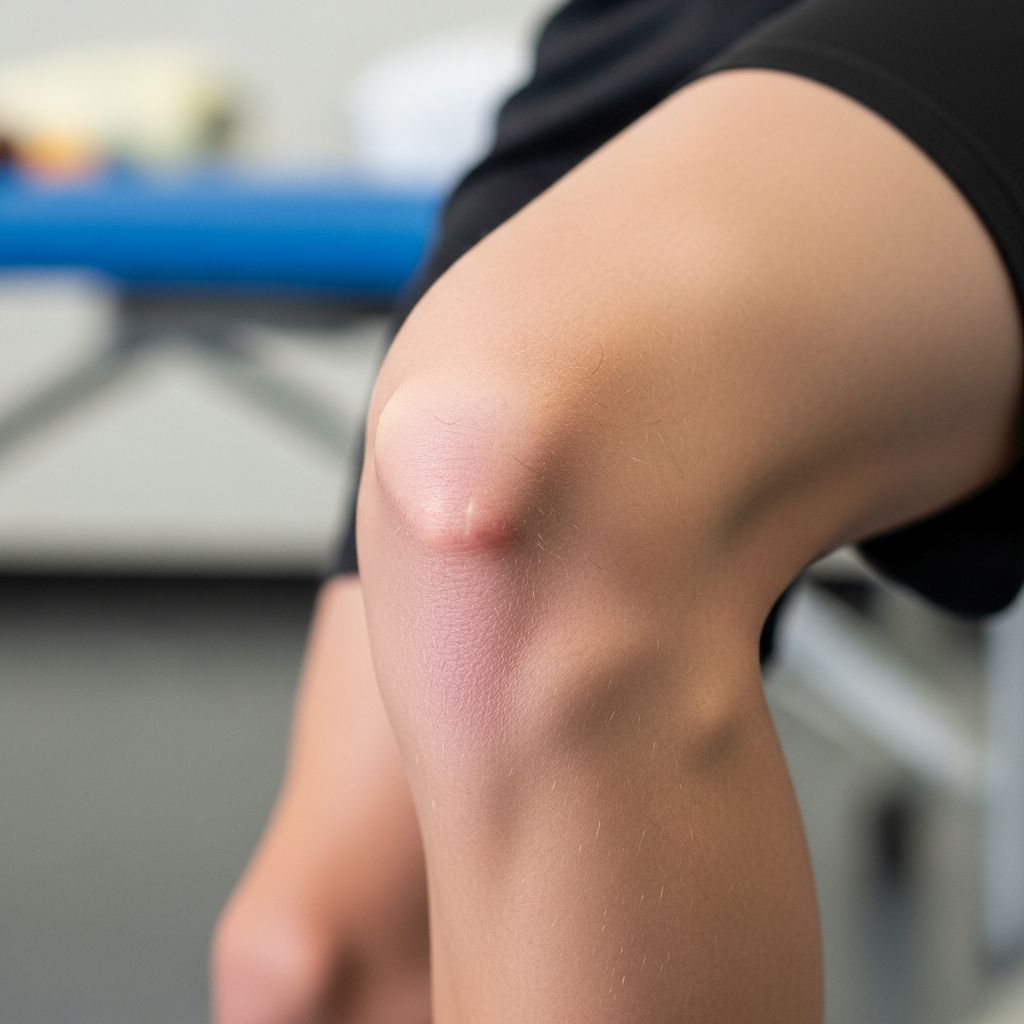
During puberty, particularly between ages 10 and 14, children’s bones undergo rapid growth through cartilage-based growth plates, making them susceptible to stress injuries. The patella, or kneecap, connects to the shinbone via the patellar tendon, part of the extensor mechanism that straightens the knee. In SLJ, repetitive traction at the tendon’s attachment to the patella’s inferior pole causes inflammation and microtrauma.
This condition parallels Osgood-Schlatter disease but targets the proximal patellar tendon rather than the distal end at the tibial tuberosity. Quadriceps tightness exacerbates the issue by increasing tension on the growth plate during growth spurts when muscles lag behind bone lengthening.
Recognizing the Signs and Symptoms
Teens with SLJ typically experience localized pain at the bottom of the kneecap, worsening with high-impact activities such as sprinting, squatting, or stair climbing. Other common indicators include:
- Tenderness and swelling around the inferior patella pole.
- Pain intensified by resisted knee extension or jumping.
- Limping post-exercise, often unilateral but can be bilateral.
- Relief with rest, though symptoms may persist for months.
Physical exams reveal no joint effusion, distinguishing SLJ from fractures like patellar sleeve avulsion. Active boys in sports are most affected, with studies showing nearly half also have concurrent overuse issues.
Radiographic Stages and Diagnosis
Diagnosis begins with a clinical evaluation focusing on history and palpation. Imaging confirms findings:
- X-rays show normal patella in stage I, irregular calcifications in stage II, coalescence in stage III, and ossicle formation in stage IV.
- MRI detects soft tissue changes or edema if X-rays are inconclusive.
Medlar and Lyne’s classification aids prognosis: early stages resolve faster with conservative care. Patellar effusion appears common in cohorts, underscoring imaging’s role.
Root Causes: Overuse and Growth Factors
SLJ stems from repetitive microtrauma to the apophysis during growth spurts, often in sports demanding explosive knee extension. Key contributors include:
| Factor | Description | Risk Level |
|---|---|---|
| Growth Spurts | Rapid bone growth outpaces muscle adaptation, tightening quadriceps. | High |
| Sports Involvement | Running, jumping in soccer, basketball, volleyball. | High |
| Muscle Imbalance | Tight quads, hamstrings, calves alter patellofemoral stress. | Moderate |
| Neuromuscular Conditions | Increased risk in cerebral palsy patients. | Elevated |
Unlike acute trauma, SLJ accumulates from unchecked training volumes, especially season starts or camps.
Comprehensive Management Strategies
SLJ is self-limiting, resolving with patellar growth plate closure, typically without surgery. Conservative protocols emphasize:
- Rest and Activity Modification: Avoid aggravating sports for weeks to months; weight-bearing as tolerated.
- Pain Relief: NSAIDs for inflammation; ice post-activity.
- Immobilization: Rarely, casts for 4 weeks in severe cases.
- Physical Therapy: Stretching quadriceps, hamstrings, gastrocnemius; strengthening for flexibility.
Outcomes are excellent; few require intervention beyond therapy. Corticosteroid injections are discouraged due to atrophy risks.
Prevention Tips for Young Athletes
To safeguard knees:
- Incorporate regular flexibility routines targeting lower limbs.
- Gradually ramp up training intensity, especially post-growth spurts.
- Balance strength training with rest days.
- Monitor for early pain and consult professionals promptly.
Coaches and parents should prioritize proper warm-ups and footwear to mitigate tendon stress.
Comparing SLJ to Similar Conditions
| Condition | Location | Age Group | Key Difference |
|---|---|---|---|
| SLJ Syndrome | Inferior patella pole | 10-14 | Proximal patellar tendon |
| Osgood-Schlatter | Tibial tuberosity | 10-15 | Distal tendon insertion |
| Patellar Tendinopathy | Mid-tendon | Older teens/adults | No growth plate involvement |
Long-Term Prognosis and Recovery
Most teens resume full activities post-growth plate fusion, with symptoms fading in months. Persistent cases benefit from ongoing therapy. No evidence of chronic issues if managed early. Track progress via reduced pain and radiographic healing.
Frequently Asked Questions (FAQs)
Can SLJ affect both knees?
Yes, though unilateral presentation is more common; bilateral cases occur in active multisport teens.
How long does recovery take?
Typically 3-6 months with rest and therapy, aligning with growth plate maturation.
Is surgery ever needed for SLJ?
Rarely; conservative measures suffice for nearly all cases.
Which sports increase SLJ risk?
High-jump sports like basketball, volleyball, and track events.
Can physical therapy speed up healing?
Yes, by addressing tightness and building strength.
References
- Sinding Larsen Johansson Syndrome — Physiopedia. 2023. https://www.physio-pedia.com/Sinding_Larsen_Johansson_Syndrome
- Sinding-Larsen-Johansson Disease: Analysis of the Associated … — PMC (NCBI). 2022-05-01. https://pmc.ncbi.nlm.nih.gov/articles/PMC9125651/
- Sinding-Larsen-Johansson Syndrome: Diagnosis & Treatment — Cleveland Clinic. 2023-08-15. https://my.clevelandclinic.org/health/diseases/22530-sinding-larsen-johansson-slj-syndrome
- Sinding-Larsen-Johansson (SLJ) Syndrome — Connecticut Children’s. 2024. https://www.connecticutchildrens.org/specialties-conditions/orthopedics/conditions/sinding-larsen-johansson-slj-syndrome
- Sinding-Larsen-Johansson Disease (SLJ) — SportsMedToday. 2023. https://www.sportsmedtoday.com/sindinglarsen-johansson-disease-slj-va-124.htm
- Sinding-Larsen-Johansson Syndrome — Lurie Children’s Hospital. 2024. https://www.luriechildrens.org/en/specialties-conditions/sinding-larsen-johansson-syndrome/
- Sinding-Larsen-Johansson Syndrome — Orthobullets. 2024-01-10. https://www.orthobullets.com/knee-and-sports/3030/sinding-larsen-johansson-syndrome