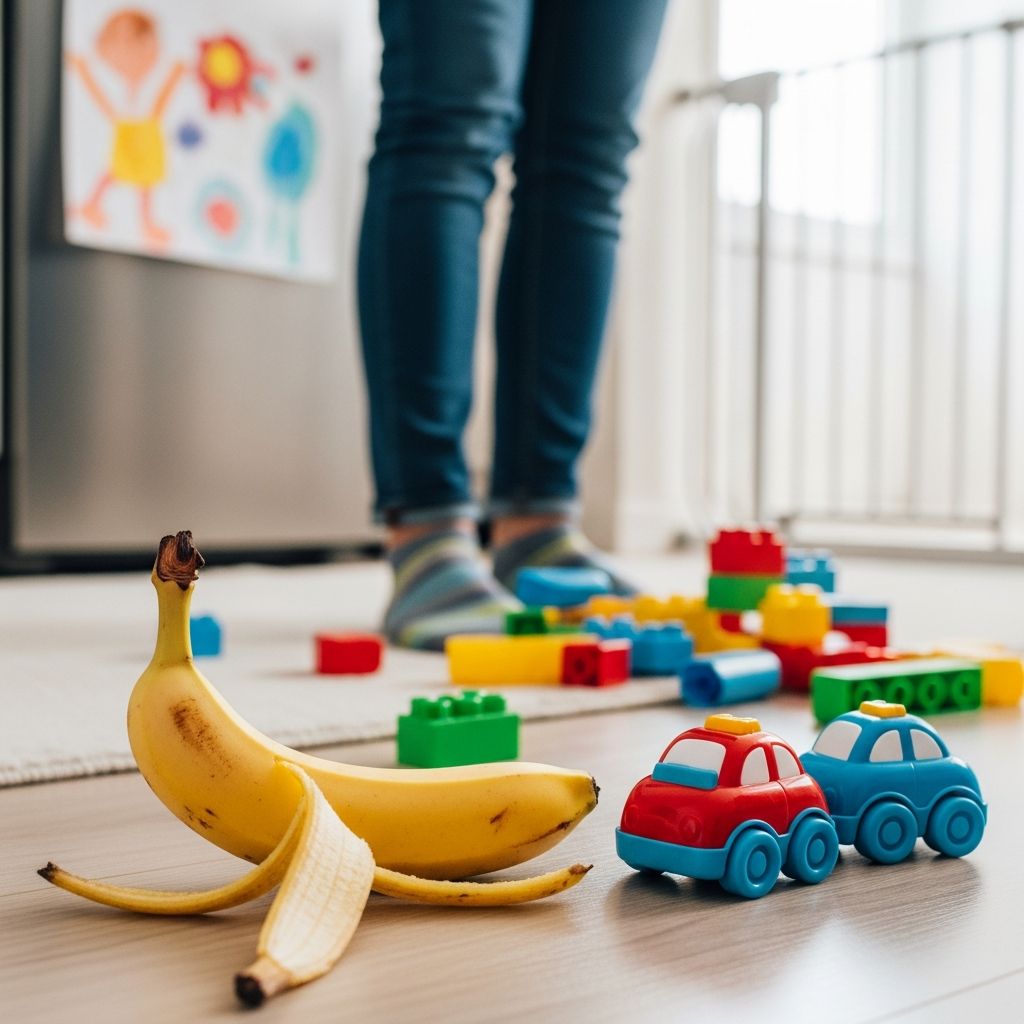
Raising a toddler transforms everyday life into an unpredictable adventure filled with laughter, frustration, and unbreakable bonds. These little humans, typically aged 1 to 3, test boundaries while captivating hearts with their curiosity and growth spurts. If your days revolve around tiny tyrants who demand constant entertainment, you’ve entered toddler territory. This guide highlights key indicators of toddler parenthood, drawing from common experiences shared by parents worldwide.
The Daily Chaos That Defines Toddler Life
Toddlers bring a whirlwind of energy that reshapes home routines. Floors become obstacle courses littered with toys, and mealtimes turn into food-flinging festivals. Parents quickly adapt to this new normal, where “clean” is a relative term and spontaneity rules.
- Your living room resembles a toy explosion site, with blocks, stuffed animals, and puzzles scattered everywhere – and you’re okay with it because it sparks imagination.
- You’ve mastered the art of stepping over Lego bricks barefoot, a skill that rivals any ninja training.
- Cleaning up only happens after bedtime, as daytime efforts are futile against the tidal wave of mess-making.
According to the American Academy of Pediatrics, this phase fosters motor skills and creativity, even if it means living in controlled disarray.1
Snack Time: The Ultimate Toddler Currency
Toddlers operate on a snack-fueled economy. Goldfish crackers, apple slices, and yogurt pouches aren’t just food – they’re bribes, rewards, and peacekeepers. Parents stockpile these essentials like survival rations.
| Snack Type | Why Toddlers Love It | Parent Pro Tip |
|---|---|---|
| Goldfish Crackers | Crunchy, portable, mess-minimal | Keep in car for meltdown diversions |
| Yogurt Pouches | No-spoon ease, fruity flavors | Freeze for teething relief |
| Cheese Sticks | Chewy texture, protein boost | Pair with fruit for balanced mini-meals |
| Grapes (halved) | Sweet, poppable fun | Always cut to prevent choking |
Nutrition experts from the CDC recommend offering a variety of healthy snacks to support rapid growth during these years.2
Tantrum Territory: Navigating Emotional Storms
No toddler parent escapes the meltdown marathon. Triggered by denied cookies or sock mismatches, these outbursts test patience. Yet, they signal vital emotional development as kids learn self-regulation.
- You can predict tantrums by outfit choices – stripes with polka dots? Incoming drama.
- Your empathy muscles are stronger than ever, hugging through screams while whispering calming words.
- Public meltdowns no longer faze you; you’ve got distraction techniques down pat.
Child development research from Harvard’s Center on the Developing Child emphasizes validating feelings to build resilience.3
Sleep? What’s That? The Toddler Night Shift
Toddlers rewrite sleep schedules. Night wakings, nap refusals, and co-sleeping debates become nightly rituals. Parents cherish those rare full nights like victories.
- Bedtime stories stretch into marathons, with demands for “one more book.”
- You’ve invested in a toddler clock that glows green only after 7 AM.
- Midnight cuddles turn into cherished memories amid exhaustion.
Fashion Fiascos and Wardrobe Wars
Dressing a toddler is an Olympic sport. Preferences swing wildly, and independence means mismatched masterpieces.
- Boots with swimsuits? If they chose it, it’s fashion.
- Stain removal is your superpower; marker scribbles vanish overnight.
- Pajamas are worn all day because “comfy wins.”
Bath Time Battles and Water Adventures
What starts as splish-splash fun often escalates into splash zones flooding the bathroom. Toys multiply, and rubber ducks rule the tub.
Pediatric guidelines stress daily baths for hygiene, especially with muddy playtime escapades.1
The Art of Toddler Negotiation
Toddlers are tiny lawyers, bargaining over everything from vegetable bites to TV minutes. “One more cartoon? Pleeease?” tugs at heartstrings.
- Choices empower: “Red cup or blue?” averts crises.
- Timers become your best friend for transitions.
- High-fives seal deals after compromises.
Grocery Store Gymnastics
Shopping with a toddler is extreme sports. Cart rides turn wild, and impulse grabs for cereal boxes are constant.
- You pack snacks preemptively to dodge hanger meltdowns.
- Singing aisle songs distracts from candy aisles.
- Quick trips are a myth; everything takes twice as long.
Park Playdates and Social Shenanigans
Playgrounds are toddler heavens. Swings, slides, and sandpits ignite joy, but sharing toys sparks conflicts.
Studies show outdoor play boosts physical health and social skills, per the WHO.4
Car Ride Circus
Strapping in wriggly bodies requires strategy. Songs, games, and screens save sanity on drives.
- “Wheels on the Bus” is on endless repeat.
- Spilled sippy cups are cleaned with ninja precision.
- Potty stops multiply trips.
Mealtime Mayhem and Picky Palates
Favorite foods rotate weekly. One day it’s peas; the next, only plain pasta.
| Strategy | Benefit |
|---|---|
| Involve in prep | Builds excitement |
| Fun shapes/plates | Encourages trying |
| Repeat offerings | Familiarity wins |
Health Hustle: Doctors, Fevers, and Boo-Boos
Toddlerhood means frequent checkups and mystery ailments. Fevers spike at midnight; scrapes demand bandaids.
- Your medicine cabinet rivals a pharmacy.
- Songs soothe shots and checkups.
- Growth charts are memorized.
Tech Time Trials
Screens mesmerize, but balance is key. Educational apps teach ABCs amid supervision.
AAP recommends limited, high-quality screen time.1
Potty Training Triumphs and Triumphs
The potty quest is epic. Accidents pave the way to underwear freedom.
- Sticker charts motivate milestones.
- Celebrations for every success.
- Patience is paramount.
Learning Leaps and Language Bursts
Words explode: “Mine!” to full sentences. Curiosity drives endless questions.
Family Outings: Adventure Awaits
Zoos, farms, libraries – outings spark wonder but exhaust all.
Sibling Dynamics and Sharing Struggles
New babies mean territory defense. Gentle guidance fosters bonds.
Self-Care Survival for Exhausted Parents
Steal moments for coffee, showers, sanity. Support networks recharge.
The Magic Moments That Make It Worth It
Amid chaos, hugs, laughs, and “I love yous” melt hearts. These years fly by.
Frequently Asked Questions (FAQs)
What’s the best age for toddlers?
Ages 1-3 define classic toddlerhood, marked by independence and rapid development.
How to handle tantrums effectively?
Stay calm, validate emotions, offer choices, and distract positively.
Ideal daily routine for toddlers?
Include meals, naps, play, outdoor time, and consistent bedtimes.
Signs of developmental delays?
Consult pediatricians if no words by 18 months or social withdrawal.
Balancing work and toddler parenting?
Flexible schedules, childcare, and self-compassion help.
References
- HealthyChildren.org: Toddler Development — American Academy of Pediatrics. 2024-10-15. https://www.healthychildren.org/English/ages-stages/toddler/Pages/default.aspx
- Snacks for Toddlers — Centers for Disease Control and Prevention. 2025-03-12. https://www.cdc.gov/nutrition/infantandtoddlernutrition/foods-and-drinks/snacks.html
- Toxic Stress Derails Healthy Development — Center on the Developing Child, Harvard University. 2023-05-01. https://developingchild.harvard.edu/resources/inbrief-toxic-stress-2/
- Guidelines on Physical Activity for Children — World Health Organization. 2024-11-20. https://www.who.int/news-room/fact-sheets/detail/physical-activity