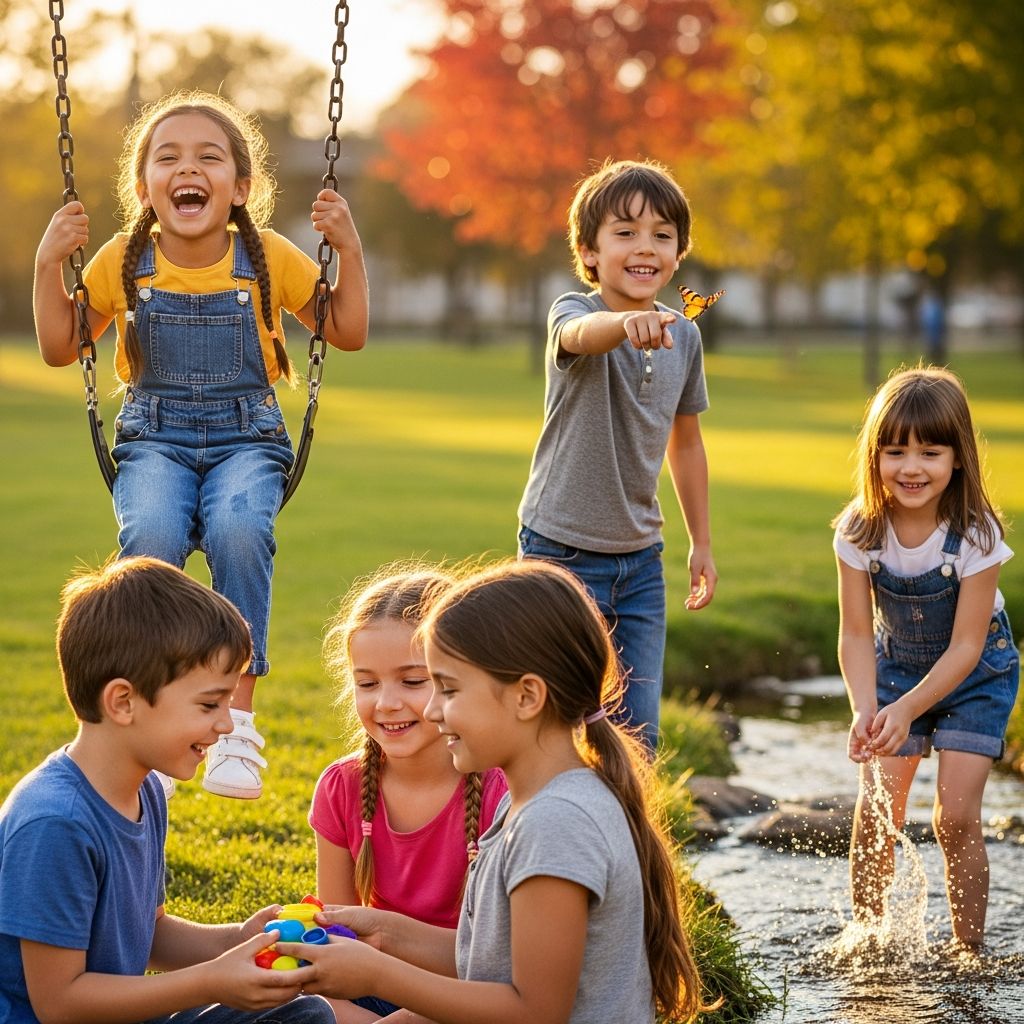
Understanding whether your child is genuinely content goes beyond surface-level smiles. True happiness in children manifests through a combination of emotional, social, and physical cues that reflect their inner security and fulfillment. Parents can observe these indicators daily to gauge their child’s emotional health and make adjustments as needed.
Emotional Expressions That Signal Contentment
One of the most immediate ways to spot happiness is through a child’s emotional displays. Frequent, authentic laughter and broad smiles during routine activities indicate a sense of safety and comfort. These reactions are instinctive, emerging naturally when a child feels secure enough to let joy flow freely without inhibition.
Beyond laughter, children who comfortably share a full range of feelings—joy, frustration, or sadness—demonstrate emotional security. This openness shows they trust their environment and caregivers, knowing it’s safe to be authentic rather than suppressing emotions to appear cheerful.
- Spontaneous giggles during play or family time.
- Verbal sharing of daily highs and lows without hesitation.
- Relaxed facial expressions even in quieter moments.
Social Connections and Peer Interactions
Happy children thrive in relationships. They actively seek out playmates, initiate conversations, and form meaningful bonds, whether as outgoing leaders or quieter participants. Positive peer interactions boost self-esteem and provide a mirror for social skills development.
Look for enthusiasm in group activities, sharing toys willingly, and excitement over friends’ achievements without envy. These behaviors highlight a supportive social world that reinforces their happiness.
| Sign of Happiness | What It Looks Like | Why It Matters |
|---|---|---|
| Active Friendship Building | Inviting peers to play, resolving small conflicts calmly | Builds resilience and empathy |
| Genuine Affection | Hugs, hand-holding with family and friends | Strengthens emotional bonds |
| Celebrating Others | Cheering for siblings’ successes | Fosters positivity and reduces jealousy |
Curiosity, Play, and Exploratory Behaviors
A hallmark of joyful kids is their boundless curiosity. They ask endless questions, experiment with new ideas, and dive into imaginative play with vigor. This exploratory drive stems from an optimistic worldview where discovery feels rewarding rather than daunting.
Unstructured playtime is crucial here—children who engage in free-form activities like building forts or role-playing scenarios show creativity and problem-solving prowess, essential for emotional regulation.
Confidence and Self-Assured Independence
Children radiating happiness exhibit self-confidence. They try new tasks, voice opinions boldly, and recover from minor failures without excessive distress. This independence isn’t rebellion but a healthy assurance that comes from consistent support and encouragement.
Unlike approval-seeking behaviors, confident kids pursue interests intrinsically, sharing accomplishments naturally rather than boastfully. This poise indicates a solid self-esteem foundation.
Physical Health and Daily Routines
Physical vitality underpins emotional joy. Kids with regular sleep (10-13 hours depending on age), balanced meals, and active playtime display steady energy and mood stability. Sedentary habits or screen overuse can disrupt this balance, leading to irritability.
Parents modeling activity—family walks or sports—encourages similar habits in children, creating a cycle of health that enhances overall happiness.
- Adequate nighttime rest without frequent awakenings.
- Enthusiasm for outdoor adventures or sports.
- Interest in nutritious foods during meals.
Resilience and Positive Outlook
Resilient children view setbacks as temporary. They bounce back from disappointments, maintain hopefulness, and express gratitude for everyday positives. This mindset reflects emotional maturity and a supportive home where challenges are navigated together.
Motivation shines through in their eagerness for school, hobbies, or chores, approaching them with optimism even if perfection isn’t achieved.
Fostering Lasting Happiness: Parental Strategies
Recognizing signs is just the start; actively nurturing them is key. Parents can cultivate joy by modeling calm emotions, praising effort over outcomes, and providing unstructured play opportunities.
Emotional support involves validating feelings, avoiding harsh criticism, and encouraging goal-setting that matches abilities. Healthy routines—consistent bedtimes, family meals—build security.
- Prioritize free play over scheduled activities.
- Practice active listening during emotional shares.
- Limit screen time to promote real-world engagement.
- Celebrate small wins to build confidence.
- Promote family bonding through shared rituals.
Age-Specific Happiness Milestones
Happiness indicators evolve with development. Infants show joy via social smiles and coos around 2 months, aligning with CDC milestones for emotional bonding. Toddlers (1-3 years) display it through exploratory play and affection-seeking.
School-age kids (4-12) exhibit deeper signs like peer leadership and academic enthusiasm, while teens channel happiness into independence and future-oriented goals.
| Age Group | Key Happiness Signs | Support Tips |
|---|---|---|
| 0-2 Years | Social smiles, responsive babbling | Responsive caregiving, skin-to-skin contact |
| 3-5 Years | Imaginative play, sharing with peers | Encourage pretend games, group playdates |
| 6-12 Years | Task persistence, friendship depth | Set challenges, facilitate clubs |
Debunking Myths About Childhood Joy
Not all happiness looks like nonstop cheer. Constant smiles might hide suppressed feelings; true well-being allows emotional variety. Toys and treats offer fleeting pleasure, but deep joy arises from secure attachments and achievements.
Social media amplifies perfection illusions, pressuring families unrealistically. Focus on holistic health instead.
Frequently Asked Questions
What if my child seems happy but withdraws sometimes?
Occasional withdrawal is normal; monitor for patterns. Ensure safe spaces for expression to prevent masking issues.
How much playtime is ideal for happiness?
Aim for 1-2 hours of unstructured play daily, balancing with rest and routines for optimal well-being.
Can too much praise harm happiness?
Excessive praise can foster dependency; emphasize effort and process for genuine confidence.
Does screen time affect these signs?
Yes, excessive screens reduce activity and sleep, dimming happiness cues. Limit to under 2 hours daily.
When should I seek professional help?
If signs like laughter fade persistently or isolation grows, consult a pediatrician or psychologist.
By tuning into these indicators—from laughter to resilience—parents empower children toward lifelong emotional strength. Consistent nurturing turns fleeting joy into enduring fulfillment, shaping resilient futures.
References
- 13 Signs Your Child Is Happy — Rachel Goldberg Therapy. Accessed 2026. https://www.rachelgoldbergtherapy.com/media-2/signs-your-child-is-happy
- Signs of a Happy Child — Charlotte Parent. Accessed 2026. https://www.charlotteparent.com/signs-of-a-happy-child/
- How does a happy child look and act? — Norton Children’s. Accessed 2026. https://nortonchildrens.com/news/happy-child/
- How to Raise Happy Kids — Business Insider. 2016-07. https://www.businessinsider.com/how-to-raise-happy-kids-2016-7
- CDC’s Developmental Milestones — Centers for Disease Control and Prevention (CDC). Accessed 2026. https://www.cdc.gov/act-early/milestones/index.html