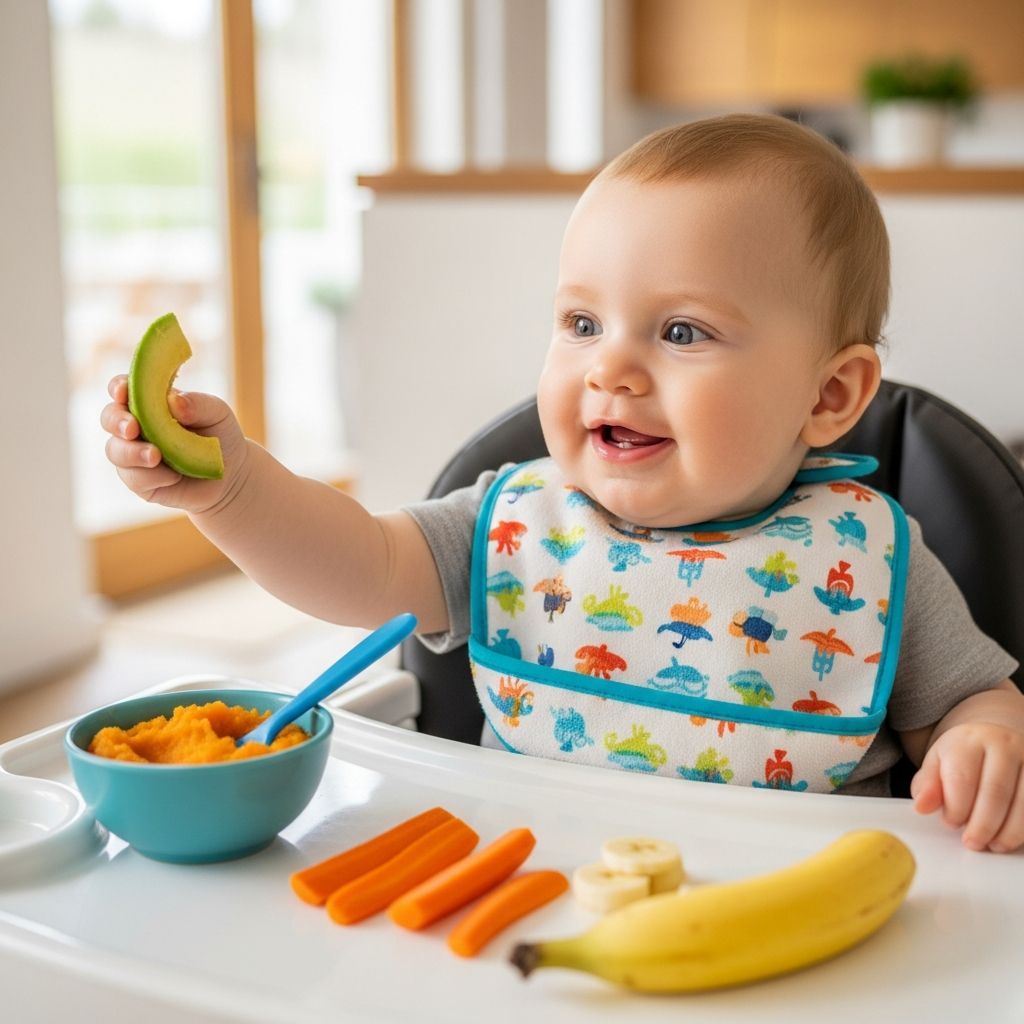
Transitioning from exclusive milk feeds to incorporating solid foods marks an exciting milestone in your baby’s growth journey. Typically occurring around 6 months of age, this step supports nutritional needs and fosters essential skills like chewing and self-feeding. However, readiness is not solely about age; it’s determined by developmental achievements that ensure safe eating experiences[10].
Understanding Developmental Readiness for Complementary Feeding
Complementary feeding, or the introduction of solids alongside breast milk or formula, aligns with a baby’s maturing digestive system and motor abilities. Health authorities emphasize waiting until all key signs are present to minimize risks like choking or digestive discomfort[10]. Babies who meet these criteria can better handle textures, leading to positive mealtime associations.
Around 6 months, iron stores from birth begin to deplete, making nutrient-dense solids crucial for preventing deficiencies. Observing your baby’s cues allows for a tailored approach, accommodating individual paces. Premature infants may need adjustments based on corrected age, consulting pediatric guidelines.
Core Physical Milestones Indicating Solid Food Preparedness
Physical stability forms the foundation for safe solid introduction. Babies must demonstrate control over their bodies to manage food intake effectively.
- Stable Sitting Posture: Your baby should sit upright with minimal or no support, maintaining balance without toppling. This posture facilitates focus on eating rather than posture maintenance. High chairs with recline options aid those needing slight assistance.
- Strong Head and Neck Control: Holding the head steady for extended periods, such as 15 minutes while seated, is vital. This prevents food from entering the airway inadvertently.
- Adequate Weight Gain: Doubling birth weight, often reaching at least 13 pounds, signals sufficient growth for handling solids metabolically.
Motor Skills Essential for Self-Exploration
Fine and gross motor developments enable babies to interact with food independently, promoting learning through play.
| Motor Skill | Description | Why It Matters |
|---|---|---|
| Hand-to-Mouth Coordination | Grasping objects and directing them to the mouth reliably | Allows self-feeding attempts, building confidence and dexterity[10] |
| Reaching and Grasping | Extending arms to pick up items while seated | Facilitates exploration of food textures and shapes |
| Tongue and Oral Control | Moving items from front to back of mouth | Supports swallowing over extrusion, reducing mess and aspiration risk |
Loss of the tongue-thrust reflex, where babies no longer automatically push food out, typically emerges between 4-6 months, paving the way for efficient swallowing.
Behavioral Indicators of Mealtime Interest
Engagement signals cognitive readiness, showing babies’ growing awareness of their environment and nutritional needs.
- Food Fascination: Staring intently at family meals, leaning forward, or attempting to grab utensils/food from plates.
- Mouth Readiness: Opening wide in anticipation of offered food, mimicking chewing actions.
- Hunger Cues Beyond Milk: Frequent demands between feeds or dissatisfaction post-nursing/formula, indicating caloric needs exceed milk alone.
These behaviors reflect curiosity about flavors and textures, encouraging positive sensory experiences.
Timing Considerations: When to Begin and Avoid
Consensus from pediatric experts recommends approximately 6 months for full-term babies, avoiding introduction before 4 months to protect immature systems[10]. Earlier starts risk allergies, obesity, or feeding aversions, while delays past 7 months may miss nutrient windows.
For preterm babies, use chronological age around 6 months, monitoring milestones closely. Always consult healthcare providers for personalized advice, especially with growth concerns or medical histories.
Safe Introduction Strategies Post-Readiness
Once signs align, begin with responsive feeding: offer small amounts of single-ingredient purees like iron-fortified cereals, mashed avocado, or banana. Use spoons for initial control, progressing to finger foods as skills advance.
- Introduce one new food every 3-5 days to monitor allergies (watch for rash, vomiting, diarrhea).
- Maintain milk as primary nutrition source initially, solids complementing rather than replacing.
- Encourage baby-led weaning elements, allowing mess-free exploration to develop pincer grasp.
Positioning matters: secure in a high chair at table level for social imitation. Mealtimes should be calm, pressure-free, respecting fullness signals like turning away[10].
Common Myths and Misconceptions Debunked
Misinformation can lead to premature or delayed starts. Rice cereal as first food is outdated; diverse, iron-rich options are preferable[10]. Teeth presence isn’t required—gums suffice for mashing. Constipation or sleep changes don’t indicate readiness; focus on milestones.
Monitoring Progress and Troubleshooting
Track via checklists: if all five core signs (sitting, head control, interest, swallowing ability, hand skills) appear consistently, proceed. Gagging is normal learning; true choking is rare with readiness. Persistent refusal may signal unreadiness—reassess patiently.
Frequently Asked Questions (FAQs)
What if my baby shows some but not all signs?
Wait until all developmental milestones are met for safety; partial readiness increases risks[10].
Can I start solids earlier if my baby is big for their age?
No, size alone doesn’t override developmental cues. Stick to around 6 months.
How do I know if my baby has lost the tongue-thrust reflex?
Test gently with pureed food on a spoon; if they accept rather than extrude, it’s fading.
Are there foods to avoid initially?
Yes, skip honey, cow’s milk, choking hazards like whole nuts until later stages.
What if solids cause digestive upset?
Pause, hydrate, consult a doctor. Allergens or constipation may occur; introduce slowly.
Nutritional Benefits of Timely Solid Introduction
Appropriate timing boosts iron, zinc, and vitamin intake, supporting brain development and immunity. Family meals enhance social bonds, language skills via modeling. Long-term, responsive feeding reduces picky eating risks.
Empower your parenting by tuning into these cues, transforming feeding into joyful discoveries. Professional guidance ensures smooth transitions.
References
- Readiness for Babies to Start Solid Food — Solid Starts. 2023. https://solidstarts.com/readiness/
- Signs Your Baby is Ready for Solids: A Feeding Therapist’s Perspective — Madden Therapy Solutions. 2023. https://maddentherapysolutions.com/blog/signs-your-baby-is-ready-for-solids-a-feeding-therapists-perspective/
- 5 Signs Your Baby is Ready to Eat Solid Food — Delaware Thrives. 2023. https://dethrives.com/blog/5-signs-your-baby-is-ready-to-eat-solid-food
- Introducing solids: why, when, what & how — Raising Children Network (Australian Government-funded). 2024-04-01. https://raisingchildren.net.au/babies/breastfeeding-bottle-feeding-solids/solids-drinks/introducing-solids
- How will I know when my baby is ready for more than breastmilk or formula? — WIC (USDA). 2023. https://www.wichealth.org/Member/Resource/Index/5863
- Bite-Sized Milestones: Signs of Solid Food Readiness — American Academy of Pediatrics (healthychildren.org). 2023. https://www.healthychildren.org/English/ages-stages/baby/feeding-nutrition/Pages/Bite-Sized-Milestones-Signs-of-Solid-Food-Readiness-.aspx
- Solid foods: How to get your baby started — Mayo Clinic. 2024-02-24. https://www.mayoclinic.org/healthy-lifestyle/infant-and-toddler-health/in-depth/healthy-baby/art-20046200