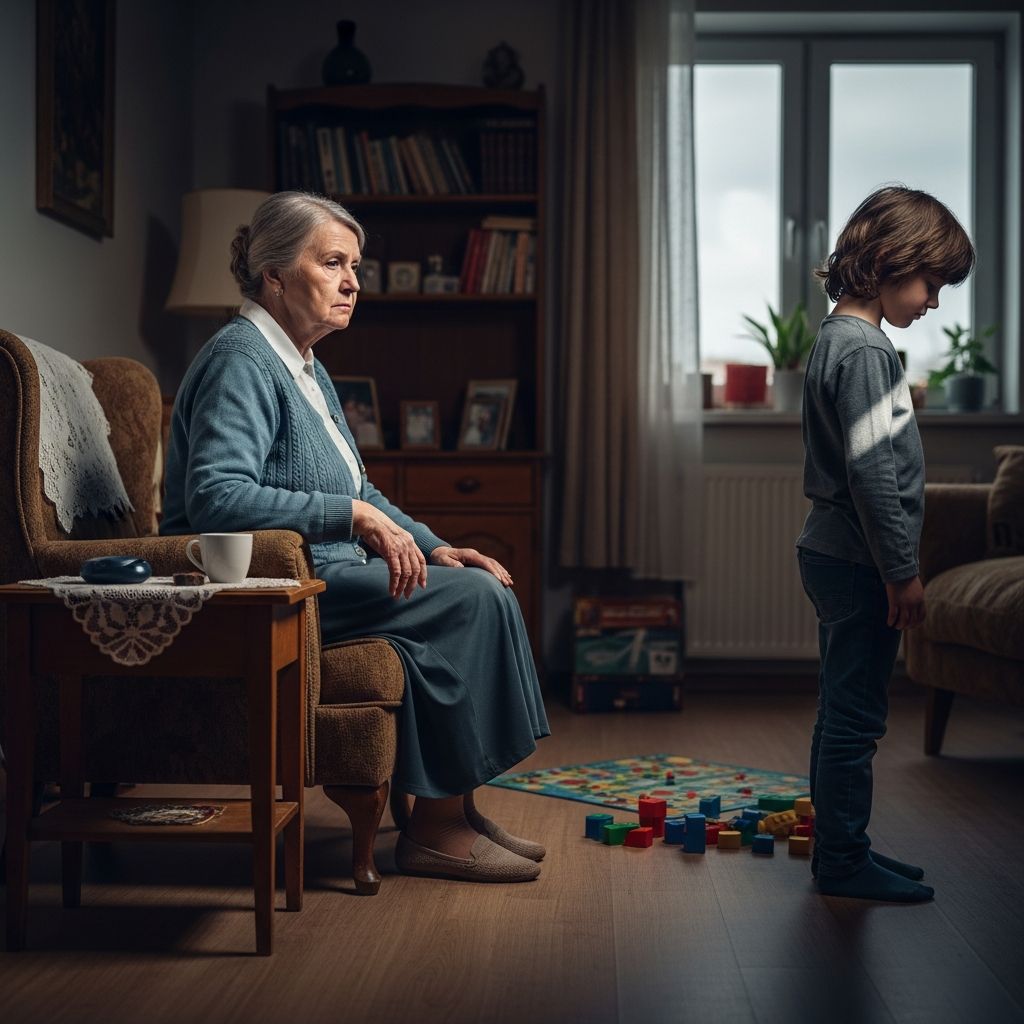
Grandparents can be a source of memories, comfort, and connection, but not every grandparent–grandchild relationship is healthy or safe. When older relatives use their role to control, manipulate, or undermine others, the impact on children can be long-lasting and deeply painful.
This guide helps parents recognize harmful patterns, understand their impact on kids, and take realistic steps to protect the family while honoring their own values.
What “Toxic” Really Means in a Grandparent
“Toxic” does not just mean imperfect, opinionated, or old-fashioned; it refers to patterns of behavior that consistently harm others emotionally, psychologically, or even physically. A toxic grandparent may ignore boundaries, use guilt or fear to get their way, or treat some grandchildren far better than others.
- The behavior is repetitive, not a one-time bad day.
- They show little willingness to change, even when calmly confronted.
- The relationship leaves you or your child feeling anxious, guilty, or unsafe.
Recognizing these patterns clearly is the first step in deciding how to respond.
Common Harmful Behaviors to Watch For
Toxic grandparents rarely see themselves as harmful; many believe they are “just being honest” or “showing love.” Yet certain behaviors repeatedly show up in strained families and are major red flags.
- Chronic criticism and shaming: Constantly pointing out a child’s flaws, appearance, or personality in a harsh or mocking way.
- Creating conflict between relatives: Turning family members against one another or encouraging children to side with them over their parents.
- Manipulative guilt trips: Suggesting that a child or parent is ungrateful or cruel for not doing exactly what they want.
- Undermining rules and routines: Deliberately ignoring agreed-upon limits around sleep, food, discipline, or screen time to prove that parental rules are unnecessary.
- Harsh or humiliating discipline: Using punishments that are excessive, scary, or meant to shame rather than teach.
These patterns can show up in both obvious outbursts and subtle comments whispered when no one else is listening.
Subtle Signs That Still Hurt Children
Not all harmful grandparent behavior is loud or explosive; some of the most damaging conduct takes the form of quiet favoritism, icy withdrawal, or passive-aggressive remarks.
- Playing favorites: Frequently praising one grandchild while ignoring or minimizing another, especially in front of the children.
- Conditional warmth: Being affectionate only when a child or parent behaves as the grandparent prefers, then becoming cold when they assert themselves.
- Jealousy of other relationships: Resenting a child’s closeness with parents, step-parents, or other relatives and subtly putting those people down.
- Emotional withdrawal as punishment: Refusing to speak to or see a grandchild for minor perceived slights, such as a missed phone call.
Because these actions often come wrapped in smiles and gifts, children can feel deeply confused and question whether their discomfort is valid.
How Toxic Grandparents Undermine Parents
One of the most painful aspects of a toxic grandparent dynamic is how it can erode parental authority. Healthy grandparents support parents, even when they might privately disagree with specific rules.
Unhealthy grandparents may:
- Contradict parents in front of the child, rolling their eyes or openly mocking rules.
- Insist that the child keep secrets from their parents about what happened during visits.
- Tell children their parent is “too strict,” “too sensitive,” or “overreacting,” turning everyday disagreements into loyalty tests.
Over time, these patterns can make children feel caught in the middle and unsure whom to trust.
Impact on Children’s Mental and Emotional Health
Children look to adults for safety and a stable sense of self; toxic grandparent behavior can shake both. Repeated exposure to criticism, emotional manipulation, or family conflict can increase a child’s risk for a range of emotional and behavioral struggles.
| Area | Potential Impact on Children |
|---|---|
| Self-esteem | Feeling unlovable, “never good enough,” or valuable only when pleasing others. |
| Emotional health | Increased anxiety, sadness, irritability, or difficulty managing big feelings. |
| Relationships | Struggles with trust, fear of conflict, or recreating unhealthy patterns with peers. |
| Family life | More arguments at home, divided loyalties, and tension around visits or holidays. |
For some children, living with chronic emotional stress can also contribute to physical symptoms such as headaches, stomachaches, or sleep problems.
Signs Your Relationship With a Grandparent Is Taking a Toll on You
Parents matter too. When a grandparent is toxic, the emotional burden often falls hardest on the adults trying to protect their kids while managing expectations and family history.
- Feeling dread before every phone call, visit, or holiday involving that grandparent.
- Replaying conversations for hours afterward and questioning your own memory or judgment.
- Noticing that you parent differently after visits—either becoming harsher from stress or overly permissive to compensate.
These reactions are signals that your own nervous system is under strain and that boundaries may need to be reassessed.
Healthy Grandparent Behavior: A Helpful Contrast
It can be useful to compare toxic patterns with what healthy grandparent involvement generally looks like. While no relationship is perfect, certain themes show up consistently when grandparents are a positive force.
- Respecting parental decisions, even when they might privately disagree.
- Offering love and attention to all grandchildren without obvious favoritism.
- Using discipline that is calm, measured, and aligned with the parents’ approach.
- Apologizing when they make mistakes and showing willingness to grow.
These behaviors help children feel secure and supported rather than torn between competing adults.
First Steps: Clarifying Your Boundaries
Before talking to a grandparent about concerns, it helps to be clear with yourself about what you need. Boundaries are simply the limits that protect your and your child’s well-being.
Begin by asking:
- Which specific behaviors cannot continue (for example, yelling at your child, ignoring food allergies, or criticizing your partner)?
- What contact feels safe right now: supervised visits, shorter visits, or mainly video calls?
- What consequences you are prepared to follow through on if boundaries aren’t respected.
Being concrete and realistic from the start makes later conversations clearer and more consistent.
Talking to a Toxic Grandparent About Their Behavior
Some grandparents are unaware that their comments or actions are hurtful and may be able to change when gently confronted; others may dismiss or attack any feedback. Either way, approaching the conversation thoughtfully can reduce confusion and defensiveness, even if it cannot guarantee a positive outcome.
When you are ready to talk:
- Choose a calm time, away from children and high-stress events like holidays.
- Focus on specific behaviors and their impact, not global character judgments.
- State clearly what needs to change and what will happen if it does not.
- Limit arguing; if the discussion turns hostile or dismissive, end it and revisit later if needed.
How the grandparent responds can clarify whether repair is possible or whether stronger limits are necessary.
Different Levels of Boundaries You Can Set
Not every situation calls for cutting off contact entirely; boundaries can be adjusted depending on the severity of harm, the grandparent’s response, and the child’s needs.
| Level | What It Might Look Like |
|---|---|
| Mild limits | Shorter visits, more supervision, clear no-go topics (e.g., discipline, body comments). |
| Moderate limits | Only meeting in neutral locations, pausing solo sleepovers, reducing frequency of contact. |
| Strict limits | Contact only through parents, written communication only, or long breaks in visits. |
| No contact | Ending the relationship when safety or severe emotional harm is involved. |
At every level, consistency is crucial; changing the rules every time there is pressure or guilt makes it harder for children to feel secure.
Supporting Your Child Through Difficult Family Dynamics
Even if you set firm boundaries, children may still feel confused, sad, or guilty about changes in their relationship with a grandparent. Providing honest, age-appropriate information helps them feel less alone.
- Validate feelings: Let them know it is okay to feel hurt, angry, or relieved about the changes.
- Avoid oversharing: Explain decisions simply (“We need to keep everyone safe and kind in our family”) without unloading adult-level conflict.
- Emphasize safety and love: Reassure them that your priority is their well-being and that adult problems are never their fault.
If a child shows intense or ongoing distress, professional support from a child therapist can help them process complex feelings and memories.
When Professional or Legal Help May Be Needed
Most toxic grandparent situations involve emotional manipulation or disrespect rather than criminal behavior, but sometimes safety concerns are more serious. In such cases, parents may need guidance beyond family conversations.
Consider outside help when:
- There is any suspicion of physical, sexual, or severe emotional abuse.
- Grandparents repeatedly refuse to respect safety-related boundaries (for example, car seats, food allergies, or medical needs).
- The conflict escalates into threats around custody, visitation, or legal action.
In those circumstances, consulting a licensed mental health professional or a qualified attorney can clarify options and obligations in your specific situation.
Frequently Asked Questions
How do I know if I am overreacting to a grandparent’s behavior?
It is normal to question yourself, especially if you were raised to accept similar treatment as “normal.” One helpful marker is to ask whether the behavior would be acceptable from any other adult toward your child; if you would not tolerate it from a coach or teacher, it likely deserves scrutiny from a grandparent too.
Is it selfish to limit my child’s time with their grandparents?
Prioritizing a child’s emotional and physical safety is not selfish; it is a core part of parenting. While children can benefit from loving grandparent relationships, exposure to ongoing cruelty, manipulation, or disrespect often does more harm than the potential loss of contact.
What if other family members say I am being too strict?
Family members who grew up with the same patterns may minimize them because they learned to cope by normalizing the behavior. Your responsibility is not to convince everyone but to act according to your best understanding of what keeps your child healthy and safe.
Can toxic grandparents change?
Some grandparents, once confronted with the impact of their behavior, are willing to reflect, apologize, and adjust how they relate to their family. Others deny problems, blame others, or escalate when boundaries are set, in which case stronger and more permanent limits may be necessary.
How can I manage my own guilt when pulling back from a grandparent relationship?
Guilt often shows that you take your responsibilities seriously, not that you are doing something wrong. Reminding yourself why you chose these boundaries, seeking support from trusted friends or professionals, and focusing on your child’s long-term well-being can help you tolerate uncomfortable emotions while staying aligned with your values.
Key Takeaways for Parents
- Toxic grandparent behavior is about repeated patterns of harm—such as manipulation, criticism, or undermining—not isolated disagreements or generational differences.
- Children can experience real emotional, relational, and even physical consequences when exposed to ongoing family toxicity.
- Parents are allowed to set boundaries, redefine contact, and seek professional or legal support when needed to protect their family.
While it can be painful to rethink the role of a grandparent in your family, protecting your child’s sense of safety and self-worth is an act of profound care—for them and for future generations.