Understanding Sibling Rivalry
Sibling rivalry is a common experience in many families, often beginning as soon as a second child arrives. While some level of competition and disagreement is normal, frequent or intense conflict can disrupt family harmony and impact children’s emotional well-being. Recognizing the root causes of sibling rivalry is the first step toward building a more peaceful home environment.
Why Siblings Clash
- Children often compete for parental attention, especially when they feel their needs are not being met.
- Jealousy can arise when one child receives more praise, privileges, or time with parents.
- Developmental differences mean siblings may have varying needs, communication styles, and emotional regulation skills.
- Modeling behavior from adults or peers can influence how children interact with each other.
Creating a Foundation for Harmony
Establishing a supportive family culture is essential for reducing conflict. Parents can set the tone by modeling respectful communication, fairness, and empathy. Clear expectations and consistent rules help children understand boundaries and reduce misunderstandings.
Family Rules and Values
- Collaborate with children to create simple, clear rules such as “no hitting,” “use kind words,” and “ask before borrowing things”.
- Define shared family values like respect, kindness, and support, and involve children in discussions about what these mean.
- Post rules and values in a visible place to reinforce them regularly.
Building Emotional Skills
- Teach children calming strategies such as deep breathing, counting, or using a stress ball to manage strong emotions.
- Encourage empathy by helping children recognize and understand each other’s feelings.
- Model assertiveness by showing children how to express their needs and set boundaries respectfully.
Effective Parenting Strategies
Parents play a crucial role in guiding children through conflict and fostering positive relationships. The following strategies can help reduce rivalry and promote cooperation.
Individual Attention
- Set aside dedicated time each day to connect with each child individually, even if only for a few minutes.
- Engage in activities that each child enjoys, such as reading, playing games, or talking about their day.
- Individual attention helps children feel valued and reduces competition for parental focus.
Mediating Conflicts
- Act as a mediator rather than a referee by guiding children to resolve disputes themselves.
- Encourage children to express their feelings and listen to each other’s perspectives.
- Help children brainstorm solutions and agree on fair compromises.
Consistent Routines
- Establish predictable routines for daily activities such as meals, homework, and bedtime.
- Visual schedules can help younger children understand expectations and reduce anxiety.
- Routines create a sense of safety and structure, minimizing opportunities for conflict.
Encouraging Positive Sibling Interactions
While it’s unrealistic to expect siblings to always get along, parents can foster positive interactions and reduce negative behaviors.
Recognizing and Rewarding Cooperation
- Praise children when they work together, share, or resolve conflicts peacefully.
- Highlight specific examples of positive behavior to reinforce desired actions.
- Small rewards or special outings can motivate children to cooperate.
Encouraging Play and Bonding
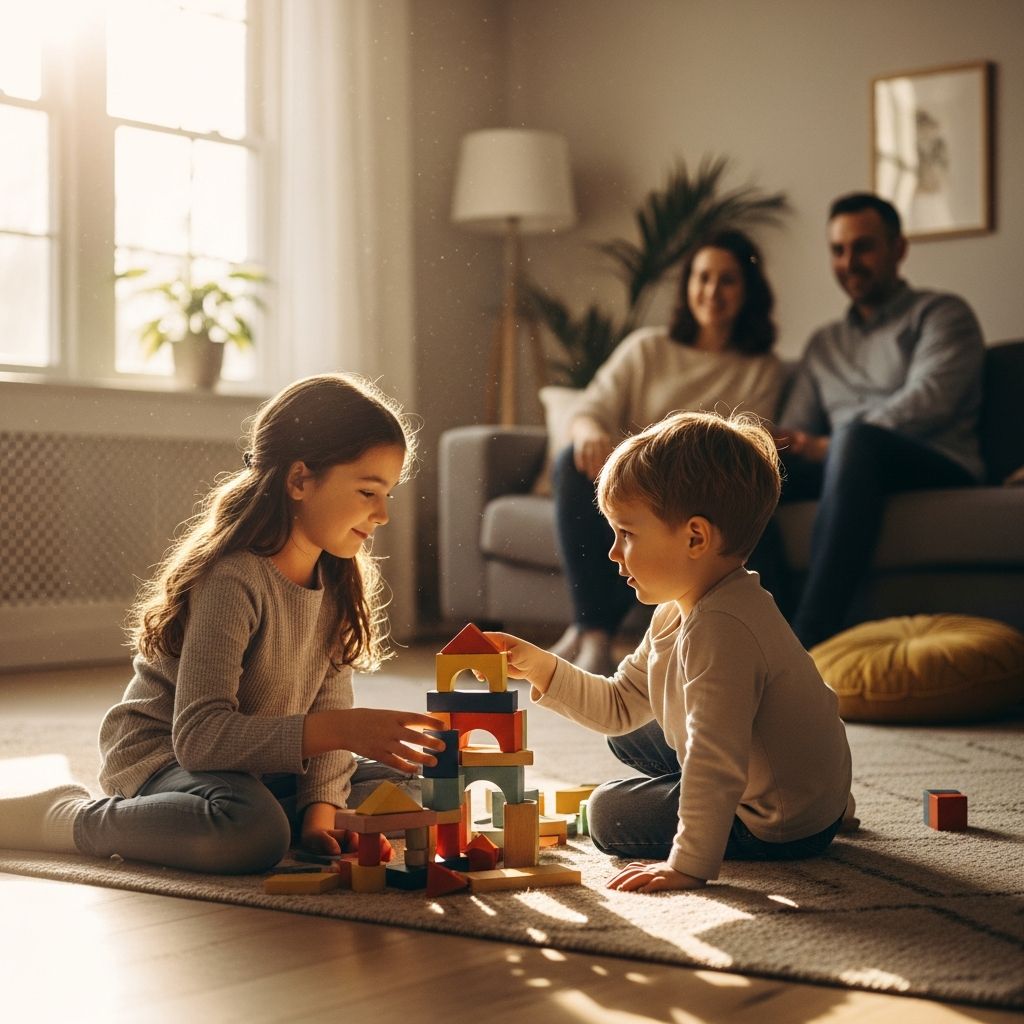
- Facilitate activities that siblings enjoy together, such as games, crafts, or outdoor play.
- Avoid interrupting happy play sessions, as these moments strengthen sibling bonds.
- Incorporate rituals like saying “I love you” or giving high-fives at bedtime to build connection.
When to Seek Additional Support
Most sibling rivalry is manageable with consistent parenting strategies. However, if conflicts become frequent, intense, or involve physical aggression, it may be helpful to seek guidance from a child psychologist or parenting counselor.
FAQs
- Is sibling rivalry normal? Yes, some level of disagreement and competition is typical as children learn to navigate relationships.
- How can I stop my children from fighting? Establish clear rules, provide individual attention, and teach conflict resolution skills.
- Should I intervene in every sibling argument? Not always. Mediate when necessary, but encourage children to solve minor disputes themselves.
- What if one child is always the aggressor? Address the behavior consistently, teach empathy, and ensure both children feel supported.
- How can I help siblings build a positive relationship? Encourage cooperation, praise positive interactions, and create opportunities for shared activities.
Conclusion
Building peaceful sibling relationships takes patience, consistency, and proactive parenting. By setting clear expectations, modeling positive behavior, and fostering emotional skills, parents can help children develop healthy, supportive bonds that last a lifetime.