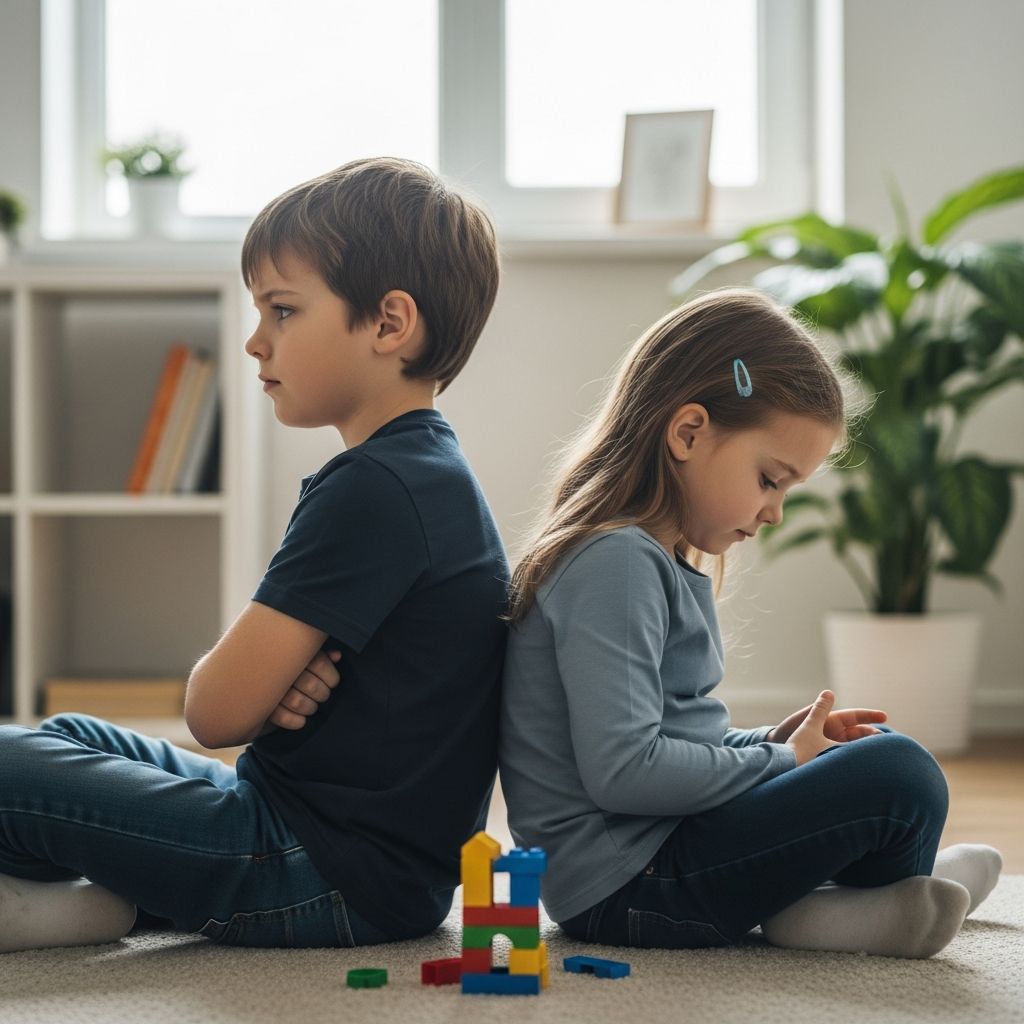
Sibling conflicts are a common feature in family life, arising from natural competition for parental resources and attention. These interactions, while often challenging, play a critical role in children’s social and emotional growth when managed effectively.
Understanding the Roots of Sibling Clashes
At the heart of most sibling disputes lies a battle for limited family resources, including time, affection, and tangible items. Children develop an early sense of fairness, and any perceived inequity can spark jealousy or resentment. Personality differences exacerbate this, as siblings with contrasting traits—such as one being outgoing and the other introverted—may clash over shared spaces or activities.
Developmental milestones intensify tensions. The arrival of a new baby often triggers jealousy in older siblings, who feel their established position is threatened. Birth order influences dynamics too: firstborns may assume leadership roles, while younger ones imitate or rebel, leading to power struggles.
- Competition for attention: Siblings vie for parental focus, especially during transitions like a new school year or family changes.
- Perceived favoritism: Even subtle biases in praise or discipline can fuel rivalry.
- Neglect or emotional distance: When parents seem indifferent, children escalate behaviors to gain notice.
Family dynamics further contribute. Harsh discipline correlates with increased aggression between siblings, even in infancy. Unequal treatment in responsiveness or discipline heightens feelings of threat to parent-child bonds.
Immediate Consequences in Daily Family Life
Short-term effects of sibling conflicts disrupt household harmony and individual well-being. Young children under age 9 might exhibit physical fights, tattling, frustration, or regression like bedwetting. Older kids argue frequently, compete in academics or sports, and vent frustrations on pets or objects.
These clashes create stress for everyone. Parents juggle interventions, risking strained relationships if one child senses bias. Emotionally, rivalry breeds anxiety, low self-esteem, and anger, hindering positive interactions. Socially, aggressive patterns spill into peer groups, causing isolation or poor cooperation.
| Age Group | Common Behaviors | Family Impact |
|---|---|---|
| Under 9 | Fighting, tattling, regression | Daily disruptions, parental exhaustion |
| 9 and older | Arguing, competition in achievements | Tension in routines, spillover to school |
Unchecked, these patterns teach powerlessness; a child feeling overshadowed might bully elsewhere or lie to reclaim control.
Lasting Influences on Growth and Adulthood
Sibling interactions shape lifelong traits. Intense rivalry can embed low self-esteem, with overshadowed children carrying inadequacy into careers and relationships. Dominant siblings may develop perfectionism or entitlement.
Relationship blueprints form early: competitive homes lead to adult jealousy, comparison, or collaboration struggles in friendships and work. Mental health risks rise; severe rivalry doubles depression and self-harm odds in young adulthood. Bullying siblings predicts poorer adjustment later.
Positively, moderate conflict builds negotiation, empathy, and resilience—skills vital beyond family. Sibling bonds, as first peer relationships, influence outcomes more than peers or parents alone.
Practical Strategies for Parents to Intervene
Reducing rivalry starts with equitable, not identical, treatment—tailor responses to each child’s needs. Avoid comparisons; celebrate unique strengths to bolster individuality.
- One-on-one time: Dedicate undivided attention to each child weekly, strengthening bonds and curbing attention bids.
- Empathy training: Guide kids to voice feelings and perspectives, fostering respect and conflict resolution.
- Neutral mediation: Stay calm during disputes; don’t take sides immediately. Encourage joint problem-solving.
- Set clear rules: Consistent boundaries on behavior prevent escalation, teaching accountability.
Model positive interactions: Show collaboration and affection. For new babies, prepare older siblings with involvement roles to ease jealousy.
Monitor for extremes like violence; seek professional help if conflicts persist or involve abuse.
Building Stronger Sibling Bonds for Life
Foster cooperation through shared activities emphasizing teamwork, like family games or chores. Highlight interdependence: older siblings teaching younger ones builds leadership and care.
Address power imbalances by empowering the less dominant child with choices. Over time, this cultivates mutual support, turning rivals into allies.
Long-term, healthy dynamics yield empathetic adults with robust social skills. Parents’ proactive role ensures rivalry becomes a growth tool, not a lasting scar.
Frequently Asked Questions
Is sibling rivalry normal in every family?
Yes, it’s a universal experience driven by natural competition, but intensity varies by family dynamics and parental responses.
How does birth order affect conflicts?
Firstborns often lead, while younger siblings challenge or imitate, sparking typical power plays.
Can rivalry harm mental health long-term?
Severe cases link to depression, low self-esteem, and relationship issues in adulthood.
What if conflicts turn physical?
Intervene immediately with calm separation, then teach alternatives; consult experts for ongoing aggression.
How much individual attention is enough?
15-30 minutes daily per child suffices to affirm value and reduce rivalry.
References
- Sibling Rivalry and Its Long-term Effects — Brighter Tomorrow Therapy. 2023-05-15. https://brightertomorrowtherapy.com/sibling-rivalry-and-its-long-term-effects/
- Understanding Sibling Rivalry: Causes, Effects and Solutions — Talk Third Space. 2024-02-10. https://www.talkthirdspace.com/blog/what-is-sibling-rivalry
- Sibling Relations and Their Impact on Children’s Development — Child Encyclopedia. 2022-11-20. https://www.child-encyclopedia.com/peer-relations/according-experts/sibling-relations-and-their-impact-childrens-development
- The Realities of Sibling Rivalry — Michigan Medicine, University of Michigan. 2023-08-05. https://www.michiganmedicine.org/health-lab/realities-sibling-rivalry
- Sibling Rivalry: The Psychology Behind It And How To Manage — UniLove Baby. 2024-01-12. https://unilovebaby.com/blogs/blog/sibling-rivalry-the-psychology-behind-it-and-how-to-manage