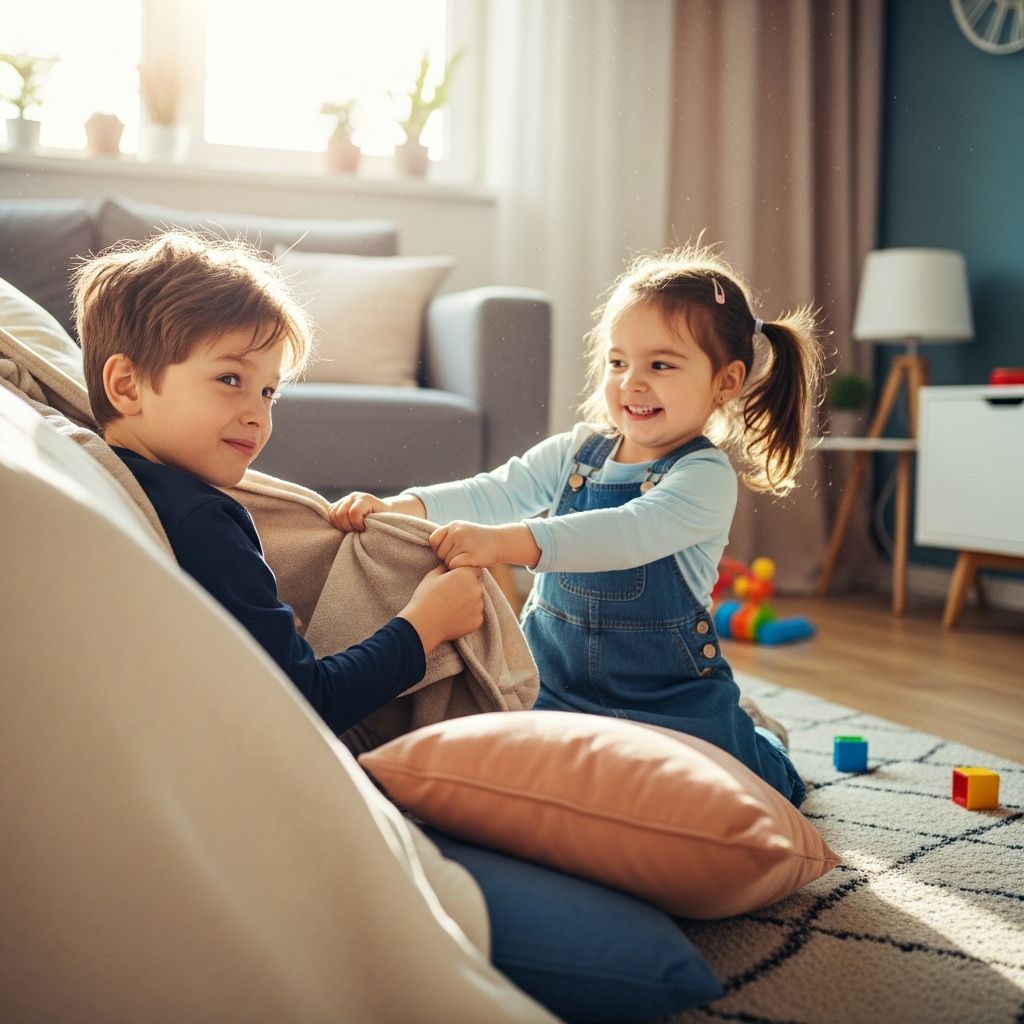
Brothers and sisters can be each other’s closest friends and toughest competitors. Sibling rivalry is a normal part of growing up, but constant fighting can leave the whole family feeling worn out. With calm guidance, parents can turn everyday conflicts into chances for kids to learn empathy, sharing, and problem-solving.
What Is Sibling Rivalry?
Sibling rivalry is the ongoing competition, jealousy, and conflict that can occur between brothers and sisters. It shows up as teasing, arguing, complaining about fairness, or even physical fighting. Researchers describe sibling relationships as emotionally intense—full of both warmth and conflict.
Some level of disagreement is expected and even helpful, because it gives children a safe place to practice handling strong feelings and negotiating with others. Rivalry becomes a problem when:
- Conflicts are constant and highly aggressive.
- One child is repeatedly targeted, bullied, or scared.
- Parents feel overwhelmed, tense, or unsure how to keep everyone safe.
Why Siblings Compete
There is rarely a single cause of rivalry. Instead, a mix of family and child factors usually comes together.
1. Competing for Time and Attention
From a young age, children are sensitive to how attention, praise, and privileges are shared within the family. If kids see differences as unfair, jealousy and conflict increase. They may argue, act out, or criticize a sibling as a way to feel noticed.
- Limited time: Busy parents can only do so much, and kids may worry about being forgotten.
- Visible differences: One child may seem to get more help, freedom, or praise, even if parents don’t intend this.
2. Personality and Temperament
Children bring their own temperaments—how quickly they react, how flexible they are, and how strongly they feel emotions. These differences can either balance each other out or create friction. For example:
- A very energetic child may overwhelm a quieter sibling.
- A rule-following child may resent a risk-taking brother or sister.
3. Age, Birth Order, and Developmental Stage
Sibling roles shift as kids grow. Studies show that older siblings often take on leadership, teaching, and caregiving roles, while younger siblings more often imitate and seek help.
| Sibling role | Common strengths | Possible rivalry triggers |
|---|---|---|
| Older child | Leadership, teaching, responsibility | Feeling burdened, feeling replaced by a baby, stricter rules |
| Younger child | Learning from older sibling, seeking care | Wanting the same privileges, feeling bossed around |
4. Big Family Changes
Certain events can suddenly increase rivalry:
- Birth of a new baby: Older children commonly feel jealousy, anger, or insecurity when a new sibling arrives, especially if they fear losing their special place with parents.
- Divorce, separation, or financial stress: When adults are under strain, kids may act out with each other more.
- Moves or school changes: New routines and losses can make siblings clingier or more irritable.
5. Parenting Practices and Family Climate
How adults respond to children has a powerful effect on the sibling relationship. Research finds that harsh, punitive discipline is linked to more conflict, less warmth, and even aggressive or bullying behavior between siblings. When children feel scared or shamed, they are more likely to pass that hurt onto a brother or sister.
Another key factor is differential treatment—when one child consistently receives more affection, privileges, or lighter discipline. Studies show that children who feel disfavored often show more behavior problems and report less positive relationships with their siblings.
What Rivalry Can Look Like
Sibling rivalry can range from mild, playful competition to very serious aggression. Parents often see:
- Arguing about toys, screen time, or who got more.
- Complaints like “That’s not fair!” or “You always help them more.”
- Teasing, name-calling, or put-downs.
- Taking or breaking a sibling’s belongings as payback.
- Grabbing, pushing, or hitting.
Some kids also show rivalry in less obvious ways, such as exaggerating a sibling’s misbehavior, tattling constantly, or trying to control what the other child does.
Short-Term Effects on Children and Family
Frequent rivalry affects everyone in the household.
Impact on Emotions and Stress
- Higher stress and anxiety: Constant conflict can create a tense home environment and raise stress for both children and parents.
- Anger and resentment: Kids who feel treated unfairly often hold onto anger toward siblings or parents.
- Lower mood and self-esteem: Being compared unfavorably or regularly criticized by a sibling can chip away at a child’s confidence.
Effects on Social Skills and School Life
Sibling interactions act as a training ground for later relationships. When rivalry is intense or hostile, children can struggle with:
- Cooperation, sharing, and compromise with peers.
- Communication and problem-solving in group settings.
- Focusing on schoolwork if they are upset, anxious, or dreading going home.
Influence on Behavior
Research links coercive or aggressive sibling conflict with a greater risk of behavior problems, such as bullying, rule-breaking, or substance use later on. Some children copy a sibling’s risky behavior, while others act out to compete for attention or power.
Possible Long-Term Consequences
Many siblings grow out of early fighting and build strong relationships. But when rivalry includes ongoing aggression, humiliation, or clear favoritism, it can leave longer-lasting marks.
Self-Esteem and Identity
Children who feel overshadowed or constantly compared can carry a sense of “never being good enough” into adulthood, which may shape career choices, relationships, and mental health. Others who were always praised as “the best” may struggle with perfectionism and fear of failure.
Relationship Patterns
Early sibling dynamics can become a template for later relationships. Adults raised in highly competitive sibling environments may:
- Frequently compare themselves with coworkers, friends, or partners.
- Have difficulty trusting others or collaborating on equal terms.
- Repeat patterns of jealousy or one-upmanship in close relationships.
What Parents Can Do Day-to-Day
Parents cannot prevent every quarrel, but they can create conditions that reduce rivalry and teach healthier ways to handle conflict.
1. Focus on Fairness, Not Sameness
Children do not need identical treatment; they need to feel that treatment is fair. Research suggests that differences become harmful mainly when kids see them as unjust.
- Explain decisions in simple terms: “Your sister goes to bed later because she’s older and needs less sleep.”
- Avoid scorekeeping: instead of “You each get exactly 10 minutes,” emphasize meeting each child’s needs over time.
2. Limit Comparisons and Labels
Even positive labels can fuel rivalry. Statements like “She’s the smart one” or “He’s the athletic one” invite kids to measure themselves against each other.
- Praise specific efforts (“You worked hard on that puzzle.”) rather than ranking children.
- Notice and name individual strengths without placing siblings on a ladder.
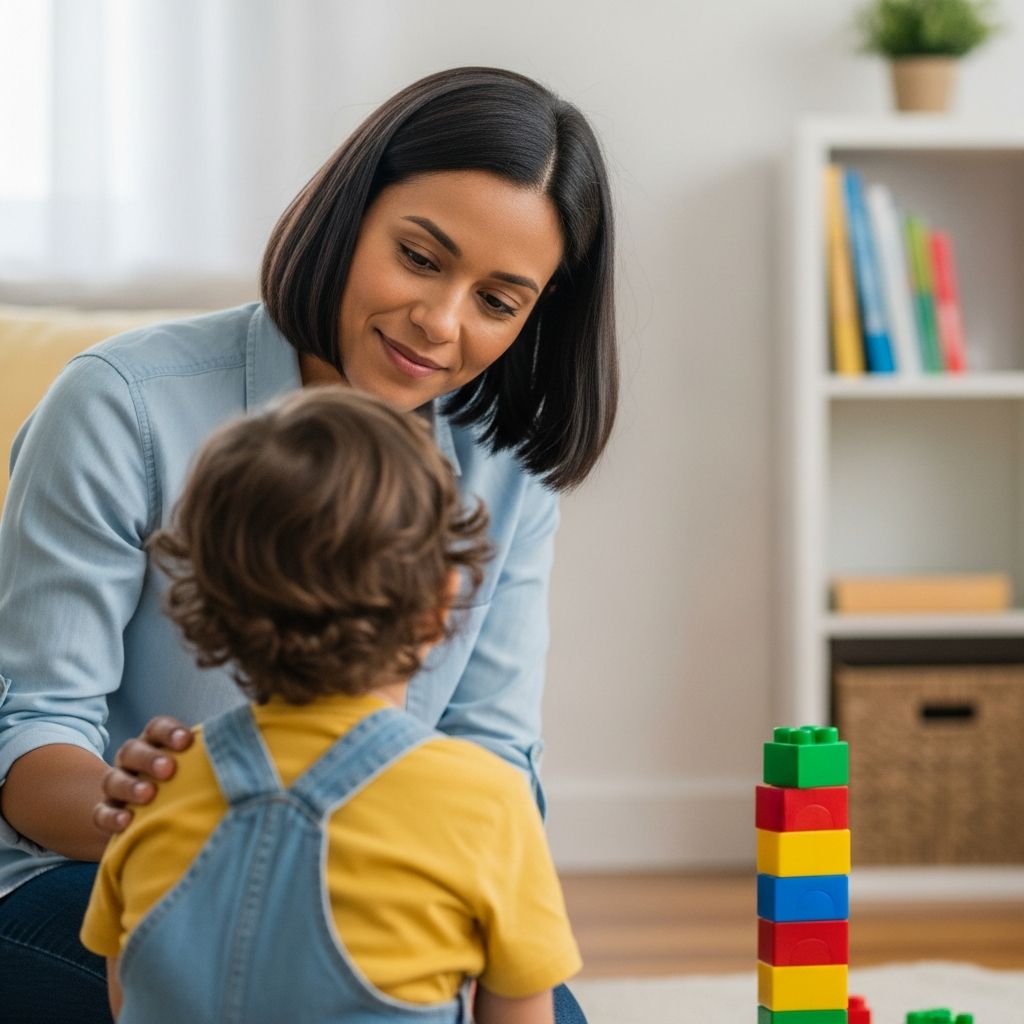
3. Offer One-on-One Time
Regular, predictable individual time with each child can reduce jealousy and attention-seeking behavior. It does not have to be long or fancy; even 10–15 minutes of undivided attention on most days can make a difference.
- Let the child choose a simple activity (reading, drawing, playing a game).
- Protect this time as much as possible so it feels reliable.
4. Stay Calm and Set Clear Boundaries
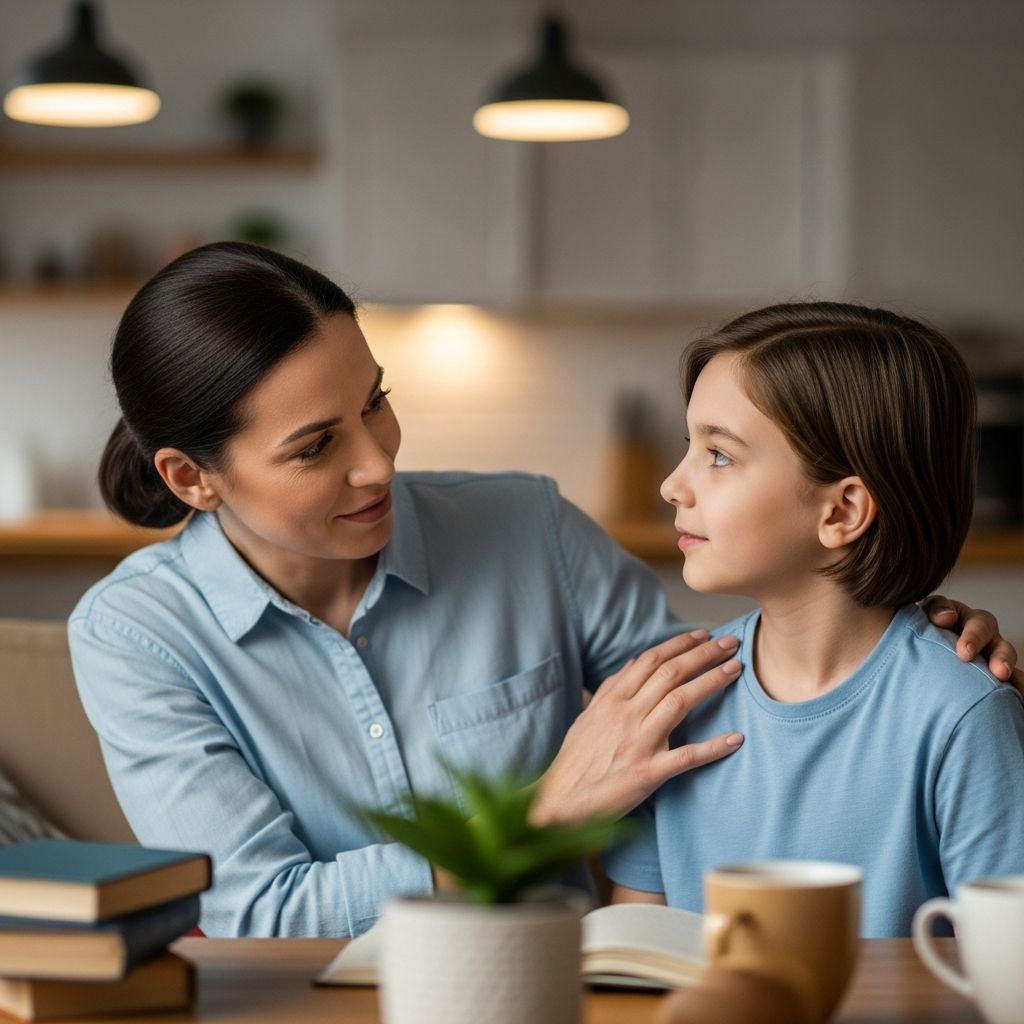
When conflicts flare, your tone sets the emotional temperature. Harsh discipline is linked to more hostile sibling interactions, while calm, firm limits support safer behavior.
- Use a steady voice and brief, clear rules (“No hitting. Use words.”).
- Separate children if needed for safety, then talk once everyone is calmer.
- Avoid taking sides too quickly; gather information before making decisions.
5. Teach Skills, Don’t Just Stop Fights
The goal is not to erase all disagreement, but to help children learn how to handle it. You can coach them through:
- Expressing feelings without attacking (“I feel mad when you take my toys.”).
- Listening and repeating what they heard the other say.
- Brainstorming two or three possible solutions and choosing one together.
Supporting Sibling Bonds
Alongside managing conflict, it helps to actively build positive moments between siblings.
Encourage Cooperation Over Competition
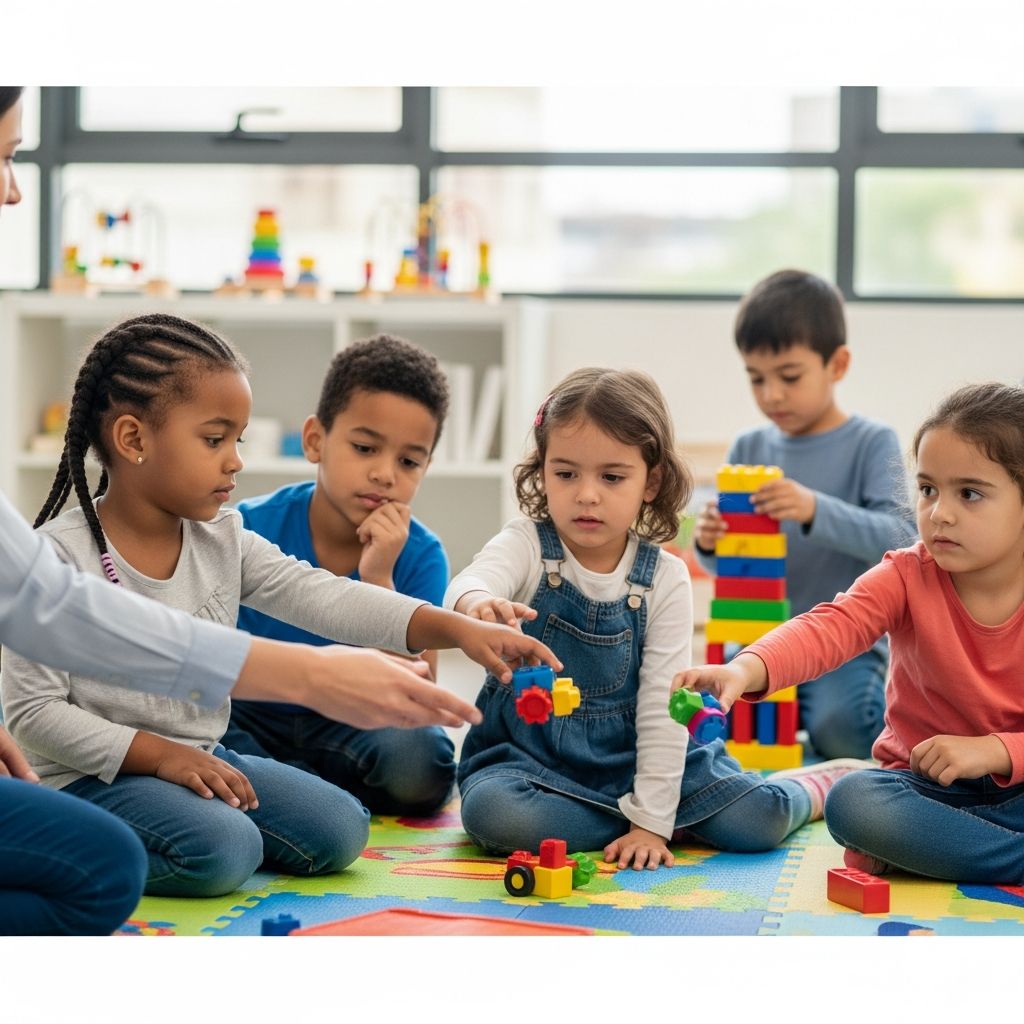
- Plan activities where siblings work as a team (building a fort, cooking, a scavenger hunt).
- Praise joint efforts (“You both cleaned up so quickly when you worked together.”).
- Use family goals (everyone gets a movie night if the morning routine goes smoothly most of the week) instead of only individual rewards.
Respect Differences
Help each child feel seen as a unique person, not just “one of the kids.”
- Support different interests, even if one child loves sports and another prefers art.
- Let older and younger siblings have different responsibilities and freedoms that fit their age.
Model Healthy Conflict
Children watch how adults argue, apologize, and repair. Seeing parents handle disagreements respectfully teaches that conflict does not have to mean rejection or harm.
- When appropriate, let kids see you calmly resolving small disagreements.
- Own your mistakes (“I yelled earlier; I was frustrated, and I’m sorry.”).
When to Worry and Seek Extra Help
Some rivalry is part of family life, but there are times when professional support is important. Consider talking with a pediatrician, mental health professional, or school counselor if:
- One child is frequently frightened, hurt, or targeted by a sibling.
- Conflicts include serious physical aggression, threats, or destruction of property.
- You suspect bullying, abuse, or intentional humiliation.
- Fighting is daily, intense, and not improving despite consistent limits.
- A child shows signs of depression, anxiety, withdrawal, or ongoing sleep and appetite changes.
Early support can protect children’s mental health and reduce the chance that harmful patterns continue into later life.
Frequently Asked Questions (FAQs)
Is all sibling rivalry bad?
No. Some conflict is normal and can even be useful. Through everyday disagreements, children practice negotiating, standing up for themselves, and understanding other viewpoints. The problem is not the existence of conflict, but how intense, frequent, and hurtful it becomes.
How can I tell the difference between rivalry and bullying?
Rivalry usually goes both ways, with each child sometimes starting conflicts. Bullying involves a pattern of one child repeatedly using power—physical strength, age, or social status—to dominate, scare, or harm another. If one sibling is often fearful, injured, or humiliated, it is important to treat it as a serious concern and seek guidance.
Should I always step in when my kids argue?
Not always. If children are safe and the conflict is mild, you can watch from nearby, ready to assist if needed. This gives them a chance to practice solving problems. Step in quickly if there is any risk of physical harm, strong name-calling, or ganging up on one child.
Is it wrong to spend more time with one child who has extra needs?
No. Children with medical, developmental, or emotional challenges may require more time. The key is helping siblings understand why and making sure each child also gets some protected one-on-one time and recognition. Explaining, in age-appropriate ways, that “fair” means giving each person what they need can ease jealousy.
Will my children ever get along?
Many siblings who argue a lot as children go on to develop close relationships as teens and adults, especially when parents provide consistent boundaries, emotional support, and chances for positive shared experiences. While there are no guarantees, investing in calmer routines and respectful communication improves the odds that your children will carry more warmth than resentment into their future together.
References
- Sibling Rivalry and Its Long-term Effects — Brighter Tomorrow Therapy. 2023-05-10. https://brightertomorrowtherapy.com/sibling-rivalry-and-its-long-term-effects/
- Understanding Sibling Rivalry: Causes, Effects and Solutions — Third Space Psychology. 2022-08-15. https://www.talkthirdspace.com/blog/what-is-sibling-rivalry
- Sibling Relations and Their Impact on Children’s Development — Centre of Excellence for Early Childhood Development. 2015-01-15. https://www.child-encyclopedia.com/peer-relations/according-experts/sibling-relations-and-their-impact-childrens-development
- Sibling Relationships and Influences in Childhood and Adolescence — McHale, S. M., Updegraff, K. A., & Whiteman, S. D., Child Development Perspectives. 2012-06-01. https://pmc.ncbi.nlm.nih.gov/articles/PMC3956653/
- Sibling Rivalry – The Arrival of a Baby Brother or Sister — Association of Child Psychotherapists. 2020-03-01. https://childpsychotherapy.org.uk/resources-families/understanding-childhood/sibling-rivalry-arrival-baby-brother-or-sister
- Minimizing the Impact of Sibling Rivalry — Colorado Child Welfare Training System. 2021-09-20. https://coloradocwts.com/minimizing-the-impact-of-sibling-rivalry/