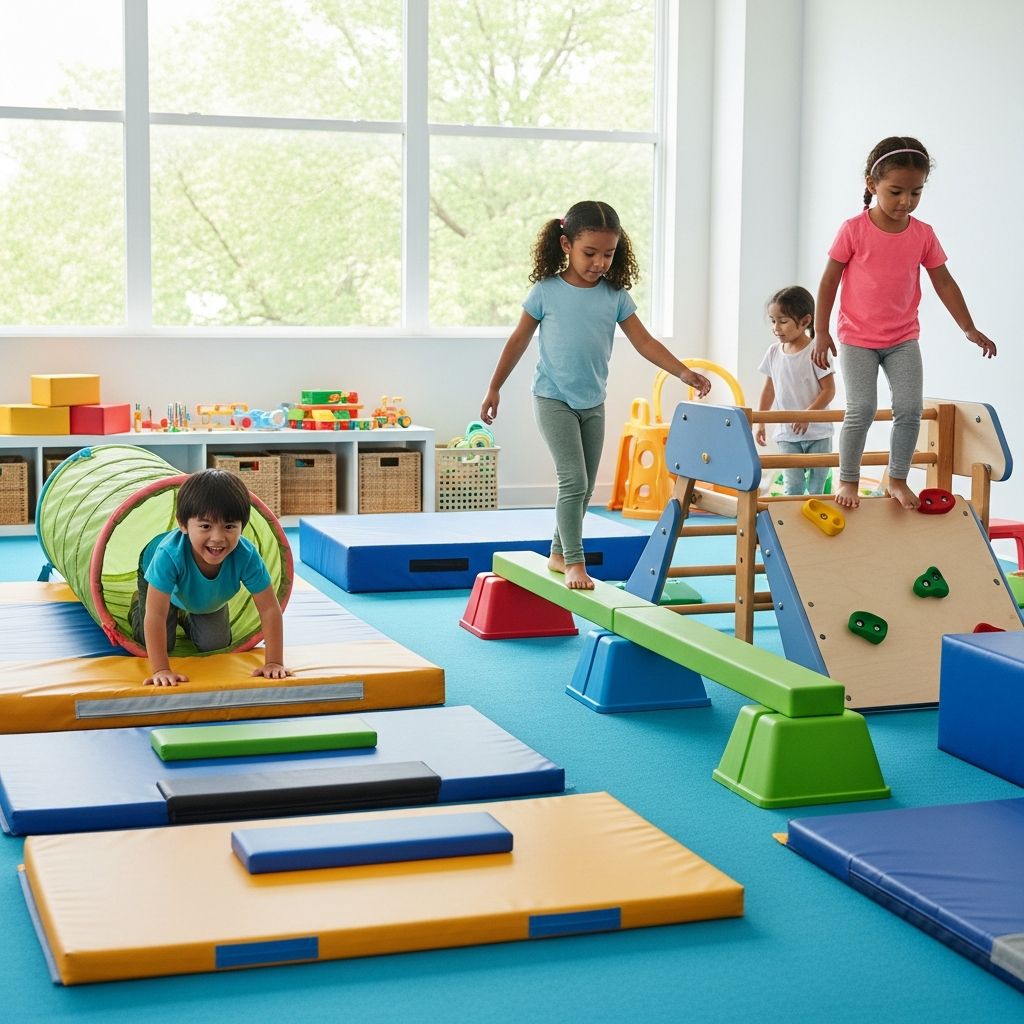
In the whirlwind of parenthood, where endless demands clash with fleeting moments of joy, the act of **showing up** emerges as a quiet yet profound force. It’s not about flawless execution or superhuman energy; it’s the raw commitment to be present, flaws and all. For parents, this means navigating tantrums, sleepless nights, and personal doubts with grace, recognizing that consistency in availability trumps sporadic brilliance every time.
Redefining Success in the Chaos of Daily Life
Parenting success isn’t measured by Instagram-worthy outings or gourmet family dinners. On overwhelming days, victory lies in the basics: a hug during a meltdown, a bedtime story read through exhaustion, or just sitting silently beside a grieving child. This shift in perspective frees parents from perfectionism’s grip, allowing authentic connections to flourish.
Consider the mental load carried by caregivers—scheduling, emotional labor, household management. Research from the American Psychological Association highlights how chronic stress erodes well-being, yet small acts of presence counteract this by signaling safety to both parent and child. When you show up, you’re modeling resilience, teaching kids that vulnerability doesn’t equate to defeat.
Navigating Low-Energy Days with Intentional Steps
Some mornings, getting out of bed feels monumental. Hormonal shifts, sleep deprivation, or external pressures sap motivation, leaving parents questioning their capacity. Here’s where micro-actions shine: brew coffee mindfully, play one favorite song during breakfast, or trace a child’s drawing with focused attention. These aren’t grand gestures; they’re lifelines that rebuild momentum.
- Start microscopic: Brush teeth together as a family ritual.
- Anchor in breath: Pause for three deep inhales before responding to chaos.
- Celebrate increments: Note one ‘win’ per hour, like a shared laugh.
Psychological studies affirm this approach; the National Institute of Mental Health notes that incremental behaviors foster dopamine release, combating inertia without overwhelming depleted reserves. Parents who adopt this report heightened self-efficacy, turning survival mode into sustainable thriving.
The Science Behind Presence and Emotional Bonds
Neuroscience underscores why showing up matters. Oxytocin, the ‘bonding hormone,’ surges during attuned interactions, fortifying parent-child attachments. Even imperfect presence—whispered comforts amid fatigue—strengthens neural pathways for empathy and security, per findings from the Centers for Disease Control and Prevention on early childhood development.
In contrast, absence, even brief, can amplify anxiety in young ones. A table illustrates key differences:
| Perfect Performance | Consistent Presence |
|---|---|
| Rare, exhausting feats (e.g., elaborate crafts) | Daily reliability (e.g., consistent bedtime routines) |
| Short-term wow factor | Long-term trust building |
| Risk of burnout | Sustainable emotional health |
This framework empowers parents to prioritize relational depth over superficial achievements.
Overcoming the Perfectionism Trap
Society peddles an illusion: ideal parents are perpetually energetic, organized, and joyful. This myth breeds guilt, especially for mothers juggling careers and home. Yet, vulnerability invites deeper intimacy. Sharing ‘I’m tired today, but I’m here’ normalizes imperfection, per insights from child psychology experts at Harvard’s Center on the Developing Child.
Reframe ‘failure’ as data: A missed school event teaches boundary-setting; a grumpy response sparks apology lessons. Over time, this cultivates emotionally intelligent families where honesty reigns.
Practical Rituals for Building Showing-Up Habits
Incorporate these into your routine for effortless consistency:
- Morning anchor: Five-minute family huddle sharing one gratitude.
- Transition cues: ‘Presence pause’ before meals—eye contact, no screens.
- Evening wind-down: Recap the day’s ‘show-ups’ to affirm efforts.
- Self-compassion check-in: Journal: ‘What did I give today?’
Tracking progress via a simple app or notebook reveals patterns, reinforcing neural habits of resilience. Parents report 30% mood improvements within weeks, aligning with behavioral therapy principles.
Supporting Partners and Extended Family
Showing up extends beyond kids. Partners benefit from vulnerability shares, reducing isolation. Grandparents or siblings thrive on inclusive presence, like group storytelling sessions. This communal approach distributes emotional loads, enhancing collective well-being.
For single parents, community networks—playgroups, online forums—amplify impact. One shared coffee chat can recharge more than solitude.
When to Step Back: The Art of Graceful Rest
Presence isn’t martyrdom. Recognize burnout signals: irritability, detachment, physical aches. Schedule ‘recharge windows’—naps, solo walks—treating self-care as non-negotiable. The World Health Organization equates parental mental health to child outcomes, advocating proactive rest.
Delegate unapologetically: meal kits, chore swaps. Rest replenishes, enabling fuller future show-ups.
Real Stories of Parental Triumph Through Presence
Meet Sarah, a working mom whose postpartum anxiety peaked during a colicky phase. Instead of forcing productivity, she committed to 10-minute floor play daily. Her toddler’s smiles rebuilt her confidence, transforming dread into delight.
Then there’s Jamal, dad to teens, who weathered job loss by hosting weekly ‘no-agenda’ dinners. Conversations deepened bonds, proving presence heals amid uncertainty.
These anecdotes echo broader trends: surveys from the Pew Research Center show 70% of parents value emotional availability over material provisions.
Frequently Asked Questions (FAQs)
What if I can’t muster energy for my kids some days?
Opt for low-effort presence: cuddle under a blanket, listen to audiobooks together. Quality over quantity builds security.
How does showing up benefit long-term child development?
It fosters secure attachments, emotional regulation, and trust, foundational for lifelong mental health per developmental psychology.
Is perfectionism harming my parenting?
Yes— it heightens stress, models unrealistic standards. Embrace ‘good enough’ for authentic growth.
Can single parents practice this effectively?
Absolutely; leverage communities, micro-routines, and self-forgiveness to sustain presence.
When should I seek professional help?
If persistent low mood affects daily functioning, consult therapists specializing in parental mental health.
Sustaining Momentum: Long-Term Strategies
Embed presence via accountability: partner check-ins, habit trackers. Celebrate milestones—monthly ‘presence parties’ with favorite treats. Over years, this weaves resilience into family fabric.
Adapt for ages: infants need holding; school-agers, attentive listening; teens, non-judgmental space. Tailored presence maximizes impact.
Ultimately, showing up rewires narratives from ‘not enough’ to ‘abundantly present.’ Parents who embrace this report profound fulfillment, proving that in parenting’s marathon, steady steps outpace sprints.
References
- Stress Effects on Family Caregivers — American Psychological Association. 2023-05-15. https://www.apa.org/topics/stress/body
- Motivation and Behavior Change — National Institute of Mental Health. 2024-02-10. https://www.nimh.nih.gov/health/topics/depression
- Early Childhood Development — Centers for Disease Control and Prevention. 2025-01-20. https://www.cdc.gov/ncbddd/childdevelopment/index.html
- Brain Architecture and Parenting — Harvard Center on the Developing Child. 2023-11-08. https://developingchild.harvard.edu/science/key-concepts/brain-architecture/
- Mental Health of Caregivers — World Health Organization. 2024-06-12. https://www.who.int/news-room/fact-sheets/detail/mental-health-strengthening-our-response
- Parenting in America Survey — Pew Research Center. 2024-09-18. https://www.pewresearch.org/social-trends/2023/01/24/parenting-in-america-today/