In the whirlwind of parenting, finding time for self-care often feels impossible. Yet, the simple act of showering can become a profound sanctuary, offering renewal without demanding extra hours from your day. This guide explores how to transform this routine into a cherished ritual that nurtures body and mind.
Why Showers Matter More Than You Think for Parental Well-Being
For mothers juggling endless responsibilities, every minute counts. Research from the American Psychological Association highlights that chronic stress in parents can lead to burnout, emphasizing the need for accessible wellness practices. A shower provides uninterrupted solitude—rare in a home filled with little ones—allowing mental reset in just 10-15 minutes.
Unlike elaborate spa days, showers fit seamlessly into bedtime routines. They address basic hygiene while doubling as emotional refueling. Studies from the National Institutes of Health (NIH) show that brief sensory experiences, like warm water and pleasant scents, reduce cortisol levels, promoting relaxation.
- Accessibility: No scheduling required; it’s already part of your day.
- Multi-Benefit: Cleanses skin, eases muscle tension, and clears the mind.
- Customizable: Tailor to your needs, from quick refresh to full pamper session.
Creating a Spa-Like Atmosphere at Home
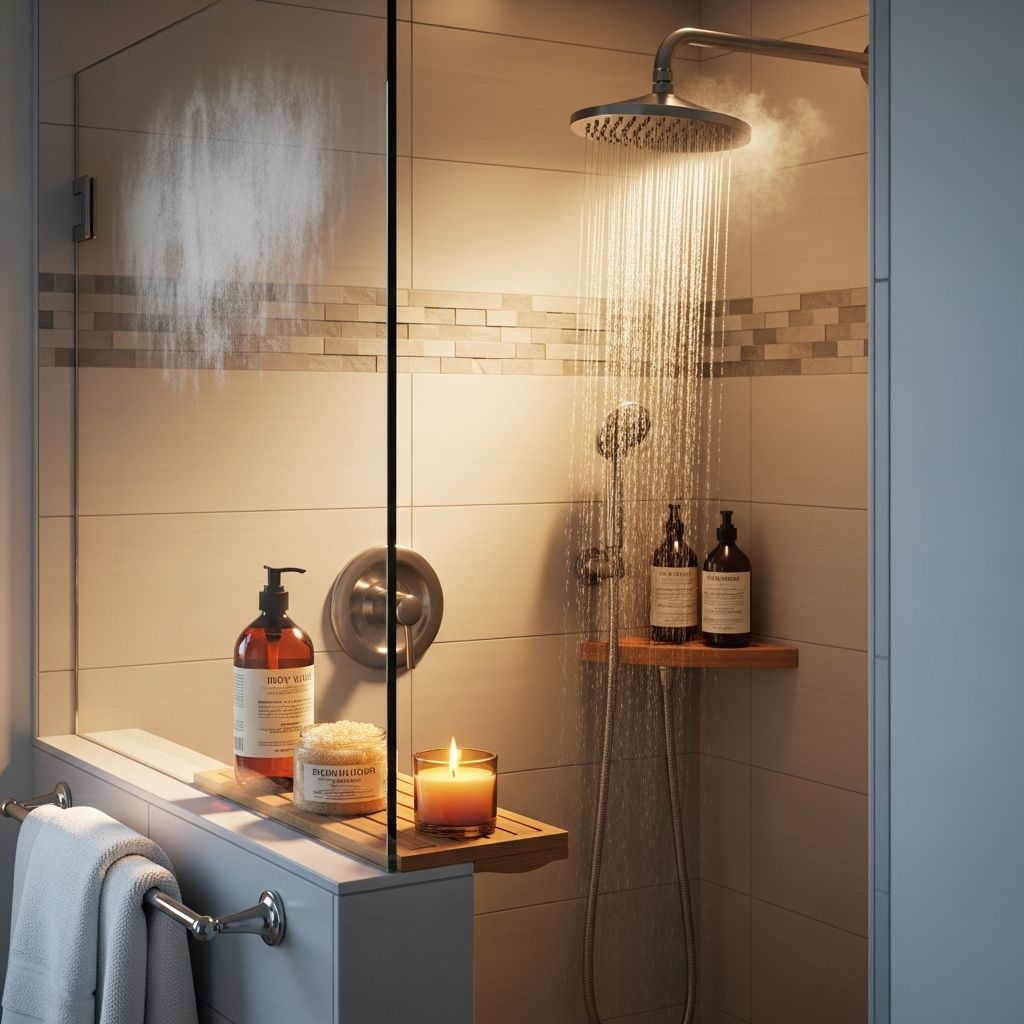
Turn your bathroom into a personal retreat with minimal effort. Start by dimming lights or using soft bulbs to mimic candlelight, fostering a calming ambiance. The sensory shift signals your brain it’s time to unwind.
Incorporate natural elements for an elevated experience. Hang fresh herbs like mint or lavender bundles from the showerhead; their steam-released aromas soothe airways and uplift mood, as noted in aromatherapy research from the Mayo Clinic.
| Element | Benefit | Easy Implementation |
|---|---|---|
| Candle or Diffuser | Instant mood boost via scent | Place waterproof LED candle on shelf |
| Herb Bundle | Respiratory relief and calm | Tie eucalyptus with twine |
| Playlists | Mental escape | Waterproof speaker with lo-fi tunes |
Exfoliation and Skin Prep Techniques
Before stepping in, prepare your skin for deeper nourishment. Dry brushing, a technique endorsed by dermatologists at the American Academy of Dermatology, sloughs off dead cells and stimulates circulation. Use a natural-bristle brush in gentle, upward strokes for 3-5 minutes.
This practice enhances product absorption and leaves skin glowing. Follow with a pre-shower oil application for hydration, preventing the stripping effect of hot water.
- Select a firm-bristled brush.
- Brush from feet to heart in long sweeps.
- Avoid face and sensitive areas.
- Rinse in shower for silky results.
Choosing Cleansers and Scrubs for Radiant Skin
Opt for gentle, plant-based cleansers to avoid irritation. Formulas with ingredients like tea tree or chamomile calm inflammation, per NIH skincare guidelines. For deeper cleansing, weekly use a sugar or coffee scrub to buff away roughness.
Focus on body areas prone to dryness, like elbows and legs. These products not only clean but infuse skin with vitamins, supporting long-term health amid sleep-deprived nights.
Post-Shower Hydration and Overnight Glow
The magic continues after toweling off. Apply a thick layer of body butter or oil while skin is damp to lock in moisture. Ingredients like shea butter and hyaluronic acid, backed by clinical trials from the Journal of Cosmetic Dermatology, repair the skin barrier.
Extend benefits with a nighttime mask. Lightweight gels with AHAs gently exfoliate overnight, revealing brighter skin by morning. This routine combats the fatigue visible on your face, boosting confidence.
Integrating Mindfulness into Your Routine
Beyond products, infuse intention. Practice deep breathing: inhale for four counts, hold, exhale for six. This technique, recommended by Harvard Health, activates the parasympathetic nervous system, reducing anxiety.
Visualize releasing the day’s tensions with each water stream. Over time, this builds resilience, aligning with mindfulness studies showing improved emotional regulation in parents.
Micro Self-Care Habits Beyond the Shower
Extend the ritual’s spirit throughout your day. While folding laundry, do calf raises for subtle movement. During playtime, incorporate yoga stretches. These ‘micro-moments’ accumulate, as per wellness research from the CDC, enhancing overall vitality.
- Listen to podcasts on walks with kids.
- Sip herbal tea mindfully mid-morning.
- Apply hand cream during diaper changes.
Addressing the Debate: Is a Shower Really Self-Care?
Opinions vary. Some argue showers are mere hygiene, not indulgence, urging deeper support systems. Others celebrate them as valid for overwhelmed parents. Balance both: use showers as a gateway to advocating for more—date nights, help from partners.
The CDC’s parenting wellness reports affirm small acts compound into significant health gains, validating showers as legitimate self-care starters.
Frequently Asked Questions
What if I only have 5 minutes for a shower?
Focus on one enhancement, like a favorite scent or quick breathing. Consistency trumps duration for stress relief.
Are essential oils safe in showers?
Dilute properly and ensure ventilation. Consult a doctor if pregnant or with sensitivities, per Mayo Clinic guidelines.
Can kids join this self-care time?
Occasionally, turn it educational with foam letters, but prioritize solo time when possible for recharge.
How often should I dry brush?
3-4 times weekly to avoid over-exfoliation, as advised by dermatological experts.
What budget-friendly upgrades work?
DIY scrubs with sugar and coconut oil; free apps for guided meditations.
Building Sustainable Self-Care Momentum
Track your rituals in a journal to note mood improvements. Share tips with mom groups for accountability. Over weeks, this evolves from habit to lifeline, empowering you to pour from a fuller cup.
Parenting demands evolve, but prioritizing these pockets of peace ensures you thrive, not just survive. Your well-being models self-respect for your children.
References
- Stress in America: Parenting During Crisis — American Psychological Association. 2023-10-12. https://www.apa.org/news/press/releases/stress/2023/parenting-crisis-recovery
- Cortisol and Stress Management — National Institutes of Health (NIH). 2024-02-15. https://www.nih.gov/news-events/nih-research-matters/cortisol-stress
- Dry Skin Brushing Benefits — American Academy of Dermatology. 2025-01-08. https://www.aad.org/public/everyday-care/skin-care-secrets/routine/dry-brushing
- Mindfulness for Anxiety Relief — Harvard Health Publishing. 2024-11-20. https://www.health.harvard.edu/mind-and-mood/mindfulness-for-anxiety
- Physical Activity for Mental Health — Centers for Disease Control and Prevention (CDC). 2025-03-05. https://www.cdc.gov/mentalhealth/living-with/index.htm
- Aromatherapy and Respiratory Health — Mayo Clinic. 2024-07-18. https://www.mayoclinic.org/healthy-lifestyle/consumer-health/expert-answers/aromatherapy/faq-20058566