Almost everyone gets pimples at some point, especially during the teen years. When a red bump shows up right before a big event or photo, it can be tempting to squeeze it. But what happens when you pop a pimple, and is there a safer way to deal with acne? This guide explains what pimples are, why popping is usually a bad idea, and what you can do instead to keep your skin as healthy and clear as possible.
What Exactly Is a Pimple?
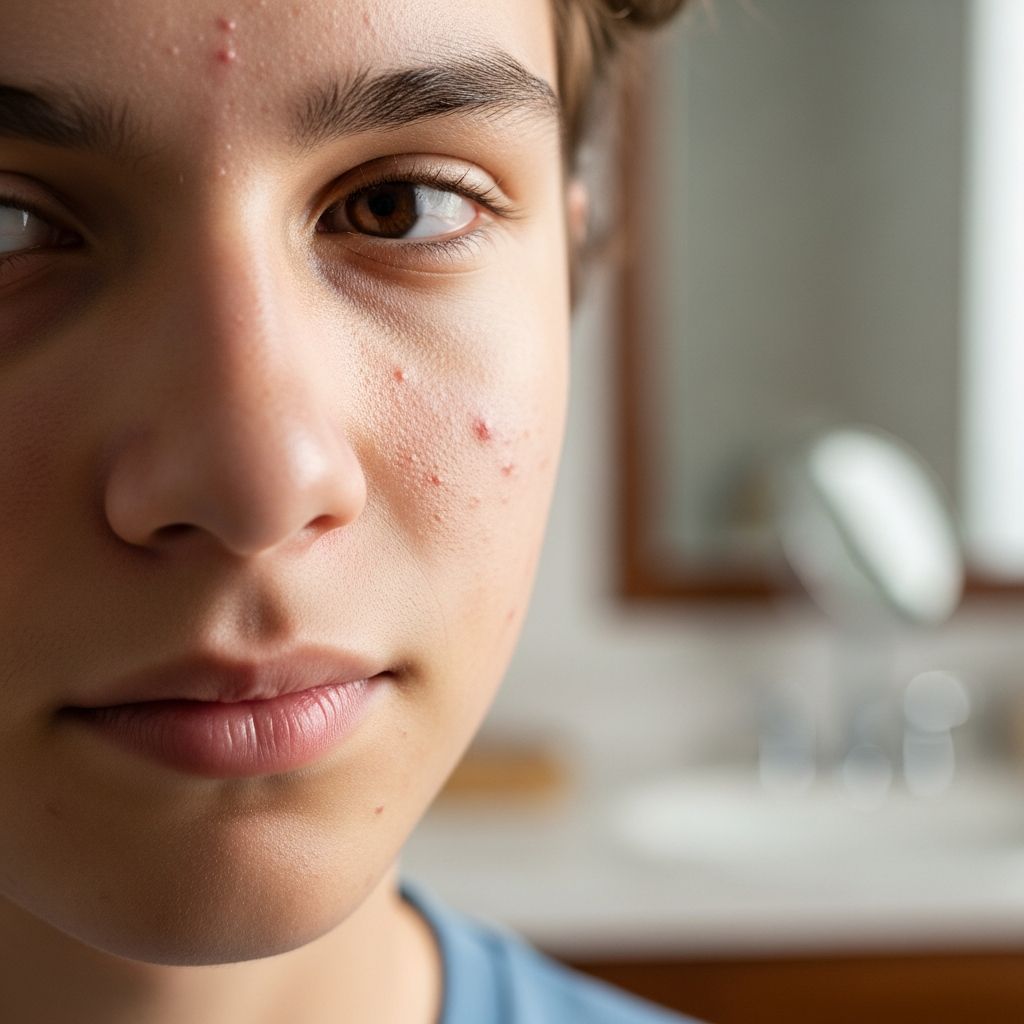
A pimple is a small area of inflamed skin that forms when a hair follicle (also called a pore) gets clogged with oil, dead skin cells, and sometimes bacteria.1 Oil glands connected to these follicles make sebum, an oily substance that normally helps keep skin from drying out.1 During puberty, hormones increase sebum production, which makes pores more likely to clog and become inflamed.1
Common types of acne lesions include:
- Whiteheads – closed clogged pores that look like small white or flesh-colored bumps.
- Blackheads – open clogged pores that look dark because the trapped material is exposed to air.
- Papules – small, red, tender bumps.
- Pustules – red bumps with a visible white or yellow center of pus.
- Nodules and cysts – larger, deeper, painful lumps under the skin that can lead to scarring.1
Why Pimples Show Up More in the Teen Years
Acne is extremely common in adolescence: dermatology sources note that it affects most teenagers to some degree.1 Several changes make breakouts more likely during these years:
- Hormonal shifts – Rising levels of androgens (a group of hormones present in all genders) cause oil glands to grow and produce more sebum.1
- Thicker, stickier dead skin cells – These cells can clump together and block pores more easily.
- Bacteria on the skin – A type of bacteria associated with acne multiplies in clogged pores, triggering inflammation.
- Friction and pressure – Tight helmets, chin straps, backpacks, or mask straps can irritate skin and worsen breakouts.
- Cosmetics and hair products – Heavy or oily products can block pores if they are not labeled noncomedogenic (non–pore-clogging).
What Really Happens When You Pop a Pimple
Popping a pimple usually means squeezing it until the contents (pus, oil, and debris) come out. This might look satisfying, but it often causes more harm than good. Dermatology experts warn that squeezing pimples can damage the skin, push material deeper into the follicle, and increase the risk of scarring and infection.2
| Short-Term Effect of Popping | Possible Result |
|---|---|
| Forceful squeezing breaks the skin surface | Open wound that may bleed and scab |
| Pressure pushes material deeper into the pore | More redness, swelling, and longer-lasting bump |
| Bacteria from fingers enter the broken skin | Higher chance of infection and painful tenderness |
| Repeated picking of the same spot | Dark marks or permanent scars |
Even if a pimple seems to disappear after you pop it, the underlying follicle may still be inflamed, which can lead to another breakout in the same area.
Risks of Squeezing and Picking Pimples
Dermatologists and skin-care experts strongly discourage self-popping because of several risks documented in clinical guidance.2
- Scarring
Damage from squeezing can create depressed (indented) or raised scars that may last for years. These scars can be much harder to treat than ordinary acne. - Post-inflammatory hyperpigmentation
After the skin heals, it can leave behind flat dark or red marks that fade slowly, especially in darker skin tones. - Infection
Breaking the skin barrier allows bacteria to enter, causing more swelling, pus, pain, and sometimes the need for medical treatment. - Spread of inflammation
Instead of emptying the pore, pressure may push the contents into nearby tissue, creating a larger, more inflamed area. - Delayed healing
Picking removes the protective top layer that your body forms while healing. This slows down recovery and can lead to repeated scabbing.
When Is It Ever Okay to Pop a Pimple?
Skin experts generally recommend that people avoid popping pimples at home altogether.2 If a whitehead is very close to the surface and you are determined to deal with it yourself, the safest choice is still to wait or have it treated by a professional, such as a dermatologist or licensed skin-care clinician.
In a professional setting, trained providers may use sterile tools and proper technique to extract certain blackheads or whiteheads. This is very different from squeezing with fingers at home and greatly lowers the risk of infection and scarring.
Safer Ways to Treat a Breakout
Instead of popping pimples, try methods that calm inflammation and help the blemish heal from the inside out. Many over-the-counter treatments are supported by dermatology guidelines as effective for mild acne.1
Over-the-Counter Ingredients That Help
- Benzoyl peroxide
Helps kill acne-causing bacteria and can reduce inflammation. Often found in gels, creams, and washes at various strengths.1 - Salicylic acid
A beta hydroxy acid that helps unclog pores by gently dissolving the bonds between dead skin cells. - Topical retinoids (adapalene)
Available without a prescription in some countries, adapalene helps prevent clogged pores and can be used for ongoing acne control.1 - Noncomedogenic moisturizers
Lightweight moisturizers labeled “noncomedogenic” or “oil-free” help maintain the skin barrier without clogging pores.
Simple Steps for a Daily Acne-Friendly Routine
- Wash gently twice a day with a mild cleanser and lukewarm water. Scrubbing hard or using harsh scrubs can irritate the skin and worsen inflammation.
- Avoid heavy makeup and choose products labeled noncomedogenic. Remove makeup thoroughly before bed.
- Keep hands away from your face as much as possible to avoid transferring oils and bacteria.
- Change pillowcases regularly and clean items that touch your face, such as phone screens and helmet straps.
- Use spot treatments with benzoyl peroxide or salicylic acid only on blemishes instead of all over if your skin is easily irritated.
When You Should See a Dermatologist
If acne is severe, painful, or not improving with gentle skin care and over-the-counter products after several weeks, it is a good idea to see a dermatologist. Professional guidelines note that moderate to severe acne often needs prescription medication to prevent scars and manage inflammation effectively.1
Consider asking a health-care provider or dermatologist for help if:
- You have large, painful cysts or nodules.
- Your skin is developing scars or dark marks.
- Acne is affecting your confidence, mood, or social life.
- You have tried nonprescription treatments consistently for 8–12 weeks without good results.
Possible treatments a dermatologist might recommend include:
- Stronger topical medicines such as prescription-strength retinoids or antibiotic gels.
- Oral medications like antibiotics for short-term use, hormonal treatments for some patients, or other medicines for severe acne.1
- Professional procedures such as extractions, chemical peels, or light-based treatments, depending on the situation.
How Lifestyle Can Influence Breakouts
While acne is mainly driven by genetics and hormones, certain habits can make it better or worse. Research suggests that overall health behaviors, including stress management, sleep, and diet, play a supporting role in skin health.3
- Stress
Stress hormones can increase oil production and make inflammation worse. Finding ways to relax—like exercise, breathing exercises, or creative activities—can help overall well-being and may benefit your skin. - Sleep
Getting enough sleep supports your body’s repair processes, including skin healing. - Nutrition
Some studies suggest that diets very high in refined carbohydrates (like sugary drinks and snacks) may be linked to more acne in some people, though findings are not the same for everyone.3 - Substance use
Using drugs, vaping, or smoking can affect hormones, blood flow, and healing, which may worsen skin problems and overall health.3
Myths and Facts About Pimples and Popping
Many beliefs about acne sound convincing but are not supported by evidence. Understanding what is true can help you make better choices for your skin.
- Myth: Pimples are always caused by dirty skin.
Fact: Acne is not simply about cleanliness. Overwashing or scrubbing can strip the skin and make acne worse. Gentle cleansing twice a day is enough.1 - Myth: Tanning clears acne permanently.
Fact: A tan may temporarily make redness less noticeable, but ultraviolet light damages the skin and increases the risk of skin cancer and premature aging.1 - Myth: Popping is the fastest way to get rid of a zit.
Fact: Popping might flatten a pimple briefly, but it often leads to more swelling, a scab, or a scar, which can last longer than the original blemish.2 - Myth: Only people with oily skin get acne.
Fact: Acne can affect all skin types. Dry or combination skin can still develop clogged pores and inflammation. - Myth: You have to live with acne and wait for it to go away.
Fact: Many effective treatments exist, and a health-care provider can help find a plan that works for you.1
How to Handle a Pimple Before a Big Event (Without Popping)
If you wake up with a noticeable pimple right before an important day, there are still options that do not involve squeezing.
- Apply a cold compress wrapped in a clean cloth for a few minutes at a time to reduce swelling.
- Use a targeted spot treatment containing benzoyl peroxide or salicylic acid, following label instructions.
- Try a hydrocolloid pimple patch if available; these can help absorb fluid and protect the area from picking.
- Use noncomedogenic concealer if you want to cover the blemish. Gently pat it on instead of rubbing.
- Resist the urge to examine it constantly; touching and poking can make it look worse.
Taking Care of Your Skin and Your Self-Esteem
Having acne can feel frustrating or embarrassing, especially in a world full of filtered photos and perfect-looking skin online. It is important to remember that acne is extremely common and not a sign that you are doing something wrong. Many teens and adults manage breakouts with a combination of good habits and, when needed, medical treatment.1
If acne is making you feel very self-conscious, sad, or anxious, talking with a trusted adult, health-care provider, or counselor can help. Treating acne is not only about appearance; it is also about helping you feel more comfortable in your own skin.
Frequently Asked Questions (FAQs)
Does popping a pimple ever make it heal faster?
Most of the time, no. Popping tends to irritate the skin, increase swelling, and raise the risk of scars and infection, which can make the area take longer to heal.2 Using gentle treatments and letting the blemish clear on its own is usually safer and leads to better long-term results.
Can I get an infection from popping a pimple?
Yes. When you squeeze a pimple, you create a small open wound. Bacteria from your fingers or the surface of your skin can get inside, leading to more redness, pain, pus, and sometimes a larger, more serious infection that needs medical care.2
Is it okay to use toothpaste or home remedies on pimples?
Toothpaste and many home remedies are not made for skin and can cause irritation, burning, or allergic reactions. It is safer to use products specifically designed for acne, such as over-the-counter treatments that have been tested for skin use.1
How long does it usually take for acne treatments to work?
Acne rarely improves overnight. Many treatments need at least 6–8 weeks of consistent use before you see clear changes, and sometimes longer.1 Sticking with a plan and not switching products too quickly gives your skin time to respond.
Will acne go away when I am older?
For many people, acne improves in their later teens or early twenties as hormone levels change. However, some continue to have breakouts as adults. Getting good treatment early can help prevent scars and make acne easier to manage over the long term.1
References
- Acne — National Institute of Arthritis and Musculoskeletal and Skin Diseases (NIAMS). 2022-12-01. https://www.niams.nih.gov/health-topics/acne
- What to Know Before You Pop a Pimple — WebMD Editorial. 2022-03-15. https://www.webmd.com/skin-problems-and-treatments/features/pop-a-zit
- Consequences of adolescent drug use — Spear LP et al., Frontiers in Behavioral Neuroscience. 2023-08-07. https://www.ncbi.nlm.nih.gov/pmc/articles/PMC10558564/
- Teen drug abuse: Help your teen avoid drugs — Mayo Clinic Staff. 2023-01-28. https://www.mayoclinic.org/healthy-lifestyle/tween-and-teen-health/in-depth/teen-drug-abuse/art-20045921
- The effects of drugs on adolescent brains — UAB Medicine. 2021-06-14. https://www.uabmedicine.org/news/the-effects-of-drugs-on-adolescent-brains/