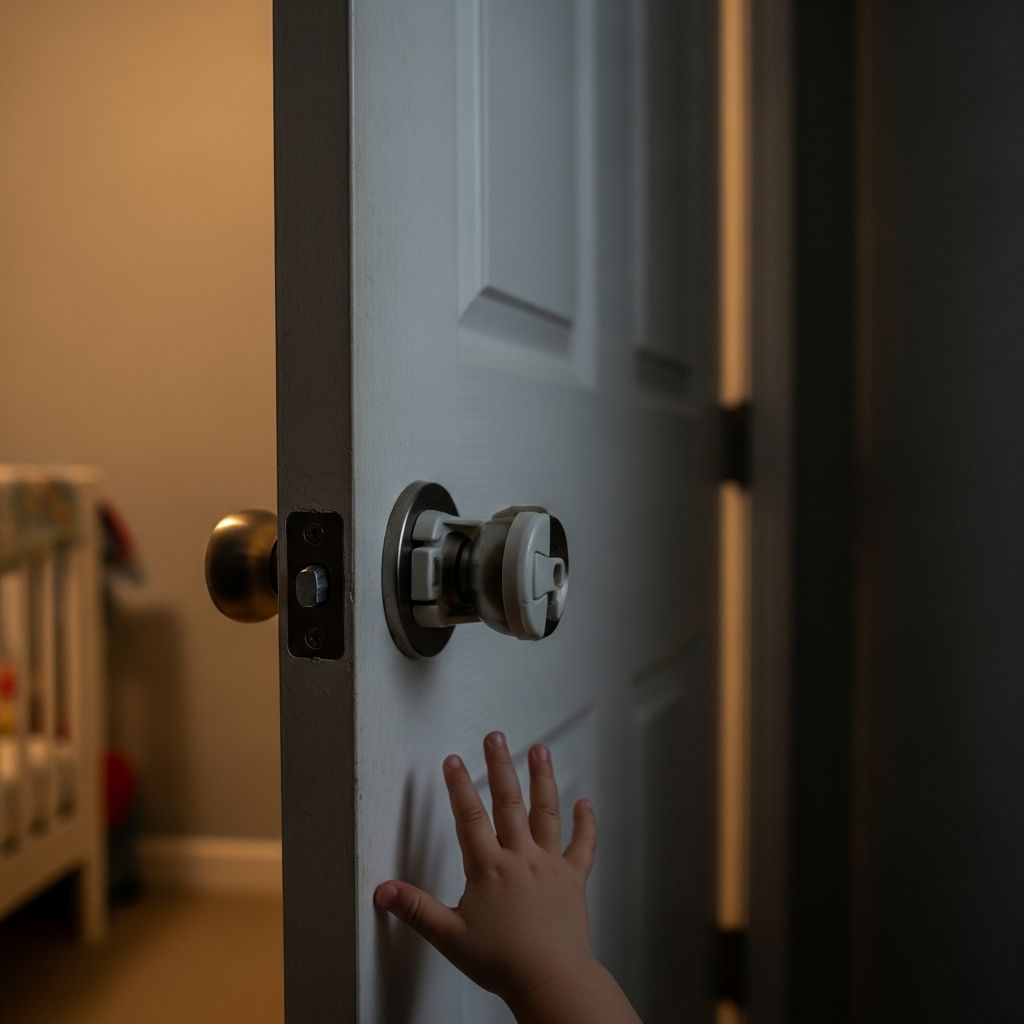
Locking a toddler’s bedroom door raises complex safety questions for parents balancing independence, exploration, and protection. While it may prevent wandering at night, experts highlight significant risks like restricted emergency access during fires or medical issues, advocating instead for comprehensive room-proofing and monitoring tools.
Understanding Toddler Development and Bedroom Hazards
Toddlers aged 1-3 years exhibit boundless curiosity, rapidly developing motor skills that lead them to climb, pull, and explore every corner of their room. This phase coincides with transitioning from cribs to beds, amplifying risks like falls from heights or entrapment in furniture. A child’s bedroom must serve as a secure haven for sleep, play, and growth, yet common hazards persist if not addressed.
Key developmental milestones include improved walking, which increases tripping over toys, and problem-solving abilities that challenge basic locks. Without proper safeguards, everyday items like cords, windows, and unsecured furniture become dangerous. Prioritizing prevention over restriction allows safe exploration while minimizing parental anxiety.
Core Risks of Locking Bedroom Doors
One primary concern with locking doors is impeding rapid evacuation in emergencies. Residential fires spread quickly, and U.S. Consumer Product Safety Commission (CPSC) data shows that locked interior doors can trap children, worsening outcomes. Sleep experts recommend keeping children’s doors unlocked at night to ensure immediate parental access and firefighter entry.
Beyond fires, locked doors complicate responses to night terrors, falls, or illnesses. Toddlers cannot independently unlock or call for help, heightening vulnerability. Pediatric guidelines emphasize open pathways for supervision, noting that monitors provide visibility without physical barriers.
Proven Strategies for Securing Furniture and Preventing Tip-Overs
Unsecured furniture accounts for thousands of injuries annually, as toddlers use dressers as climbing ladders. Anchoring all tall items—dressers, bookshelves, TVs—to walls with anti-tip kits is essential. The STURDY Act mandates stability testing for new furniture, requiring it to withstand 50 pounds of forward force at open drawers.
- Install L-brackets or straps into wall studs for maximum hold.
- Add drawer and cabinet locks to prevent finger pinches and climbing aids.
- Pad sharp corners with foam guards at head height.
- Keep heavy objects off tops to reduce pull-down risks.
Position beds and cribs away from windows and heaters, using floor mattresses as a low-fall alternative during transition.
Safeguarding Windows, Cords, and Electrical Hazards
Windows pose fall and entrapment dangers; install guards allowing emergency release but blocking full opening. Cords from blinds or lamps are strangulation risks—opt for cordless options or tensioned wands. Secure all drapery high or with clips.
Electrical outlets demand full-coverage plates beyond basic plugs, as clever toddlers remove simples ones. Tuck cords behind anchored organizers or use cord shorteners. Place lamps on stable, low surfaces or switch to wall-mounted lights.
| Hazard | Solution | Why It Works |
|---|---|---|
| Window Falls | Guards/Stoppers | Limits opening to 4 inches max |
| Blind Cords | Cordless or Wrapped | Eliminates looping strangulation |
| Outlets | Sliding Plates | Prevents insertion of objects |
| Falling Lamps | Anchored Cords | Avoids topple on child |
Optimizing Sleep Spaces for Safety and Independence
Transitioning to a toddler bed requires guardrails on one side, with the other against a wall. Place the mattress directly on the floor initially to eliminate fall heights exceeding 30 inches, a common injury threshold. Remove soft bedding like pillows or quilts to prevent suffocation per AAP safe sleep rules, using sleep sacks instead.
For active sleepers, a floor bed with surrounding cushions fosters confidence without escape risks. Ensure slats in any remaining crib use are no more than 2 3/8 inches apart, and mattresses fit snugly.
Door and Access Control Without Locks
Instead of locks, use knob covers or lever extenders to deter opening while allowing adult override. Pinch guards protect tiny fingers from slams. Baby gates at doorways confine toddlers to safe zones without full enclosure.
For nighttime wandering, hallway gates paired with video monitors enable intervention. This setup supports potty training or comfort checks without compromising egress.
Monitoring Tools and Emergency Preparedness
Video monitors with two-way audio provide real-time oversight, often including motion alerts. Install smoke and carbon monoxide detectors inside rooms and hallways, testing monthly. Teach basic fire drills: crawl low, touch doors for heat before opening.
- Choose monitors with night vision and app connectivity.
- Stock escape ladders for upper floors.
- Practice family fire drills biannually.
Daily Habits and Ongoing Vigilance
Conduct weekly room audits: remove small toys under 1.25 inches (choking size), organize floors for clear paths, and rotate age-appropriate play items. Supervise play initially post-proofing to identify oversights. Consult pediatricians for personalized advice, especially for high-energy toddlers.
Involve children in safety rules: “No climbing dressers,” reinforced positively. As they grow, gradually introduce responsibilities like tidying toys, building lifelong habits.
Common Myths About Toddler Bedroom Security
Myth: Locks prevent all wandering. Reality: They delay help in crises. Myth: Outlet plugs suffice forever. Reality: Toddlers master removal quickly. Myth: Furniture is stable enough. Reality: Open drawers shift weight dramatically.
Frequently Asked Questions
Should I lock my toddler’s door at night?
No, experts advise against it due to fire evacuation needs and access for parental checks. Use gates and monitors instead.
What if my toddler climbs out of bed?
Switch to a floor mattress with rails; it reduces injury from falls while encouraging safe movement.
Are window blinds safe for toddlers?
Not if corded—replace with cordless to avoid strangulation.
How do I test if furniture is secure?
Apply full child weight and pull; it shouldn’t tip. Anchor if unstable.
What’s the best monitor for oversight?
Video with app alerts for remote viewing without entering the room.
Long-Term Benefits of a Proofed Bedroom
A thoughtfully secured room promotes better sleep, fewer injuries, and parental peace. As toddlers mature into preschoolers, these measures evolve—removing gates, adding educational locks—fostering independence safely. Investing time now yields confident explorers tomorrow.
Parents report reduced stress and more family bonding time when hazards are preempted. Combine with routine well-child visits for holistic safety assurance.
References
- 11 Tips for Toddler-Proofing a Bedroom — Nurture& Glider. 2023. https://nurtureand.com/blogs/posts/tips-for-toddler-proofing-a-bedroom
- Toddler Safety: How To Toddler-Proof Your Child’s Bedroom — ComfyBumpy. 2023. https://comfybumpy.com/blogs/blog/toddler-safety-how-to-toddler-proof-your-childs-bedroom
- Is Your Nursery Toddler-Ready? How to Babyproof It the Right Way — HALO Sleep. 2024. https://www.halosleep.com/blogs/halo/toddler-proof-baby-nursery-to-toddler-room
- Bedroom Safety for Children of All Ages — PA Promise for Children. 2022. https://papromiseforchildren.com/learning-is-everywhere/learning-is-everywhere-march/bedroom-safety-for-children-of-all-ages/
- Childproofing Your Home — U.S. Consumer Product Safety Commission (CPSC). 2024-01-15. https://www.cpsc.gov/safety-education/safety-guides/kids-and-babies/Childproofing-Your-Home