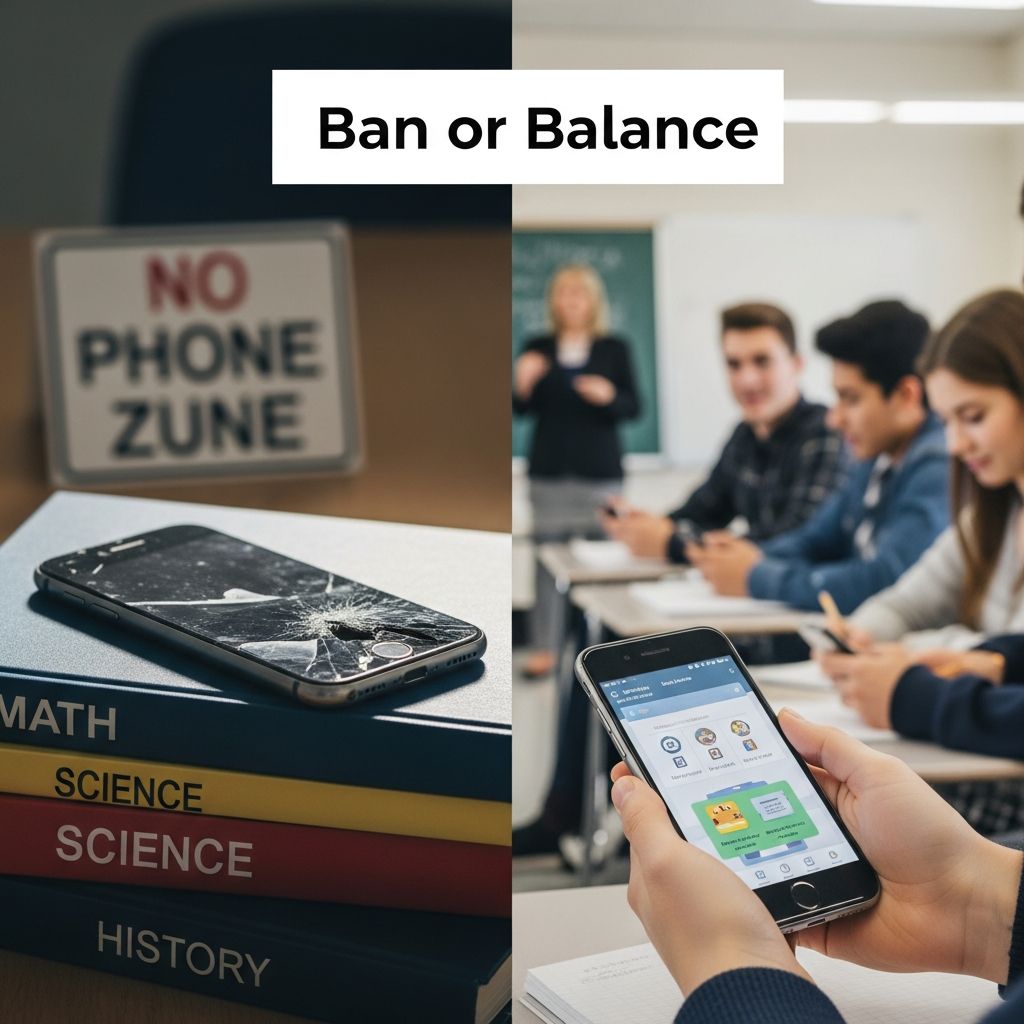
Cell phones have become ubiquitous among students, sparking intense debates about their place in educational settings. As schools grapple with distractions, mental health concerns, and safety issues, many are considering outright bans. This article delves into the evidence-based arguments on both sides, drawing from recent studies and real-world implementations to help parents, educators, and policymakers navigate this complex issue.
Why Cell Phones Disrupt the Learning Environment
One of the strongest cases for restricting cell phones centers on their impact on concentration. The human brain struggles with multitasking, and notifications or quick checks can derail focus for the entire class. Research shows that even the presence of a phone reduces cognitive performance, as students expend mental energy resisting temptation.
In classrooms without phones, teachers report higher engagement levels. Students take more notes, participate actively, and exhibit fewer behavioral disruptions. A study from the London School of Economics revealed that banning phones boosted test scores by up to 6.41%, with the greatest gains among lower-performing students who benefited most from fewer distractions. This effect extends to educators too—even teachers use their devices less when students’ phones are stored away.
Boosting Academic Achievement Through Restrictions
Beyond immediate focus, phone bans correlate with improved grades and reduced cheating. With instant access to answers via search engines or AI tools, students may skip genuine learning. Forcing reliance on memory and class materials encourages deeper understanding. Experiments, such as one by Rutgers psychologist Dr. Arnold Glass, demonstrated that phone access during lectures lowered end-of-term exam scores by at least 5%, highlighting the illusion of productive multitasking.
International evidence supports this: Australian schools saw a 6.4% rise in test scores for students aged 16 and older after implementing bans. In the U.S., states like New York are pushing statewide policies, with Governor Hochul proposing funding for phone storage to create distraction-free zones. These measures aim to level the playing field, ensuring all students develop critical thinking without digital crutches.
Mental Health and Social Dynamics: A Double-Edged Sword
Cell phones contribute to anxiety and cyberbullying, major hurdles in modern schools. Constant connectivity means students fear being recorded or mocked online, stifling participation. One Texas school noted plummeting anxiety levels post-ban, as students felt freer to engage without filming fears. Cyberbullying affects over 34% of 12-17-year-olds, often during school hours, and restrictions cut opportunities for such harm.
Heavy phone users are more prone to negative online behaviors—42% of intensive users vs. 18% of light users engage in inappropriate actions. Bans foster face-to-face interactions, building resilience and social skills that screens often erode. However, opponents argue this overlooks phones’ role in emotional support networks.
Safety Concerns: Emergencies and Equity Issues
A primary counterargument is safety. Parents prioritize contact during crises, with many citing emergencies as the top reason to allow phones. In active shooter scenarios or medical events, quick communication could save lives. Bans might exacerbate inequities too—students from unstable homes may need devices for coordination with guardians.
| Pro-Ban Safety Argument | Con-Ban Safety Concern |
|---|---|
| Reduces digital risks like sexting or stranger contact | Limits emergency calls to parents or authorities |
| Lowers mental health strains from social media | Essential for students in high-risk family situations |
This table illustrates the tension: while bans shield from online perils, they may hinder vital real-time connections.
The Challenge of Enforcement and Hidden Costs
Implementing bans isn’t straightforward. Teachers already overburdened with duties face added enforcement tasks, diverting time from instruction. Creative student workarounds, like hidden earbuds, complicate policing. Some districts, like those in Texas, note that battling devices consumes energy better spent on responsibility training.
Equity poses another hurdle. Not all students have phones, so bans could widen divides if access to educational apps is needed. Critics like Christopher Klein argue rigid policies make schools feel punitive, straining teacher-student bonds.
Potential for Educational Integration
Rather than outright bans, phones offer learning tools. UNESCO emphasizes teaching digital literacy alongside risks, preparing students for a tech-driven world. Controlled use—such as research apps or collaborative projects—builds self-regulation. Proponents of leniency note that banning fosters panic over innovation, depriving kids of citizenship skills.
- Pros of Limited Use: Enhances research and creativity
- Develops self-control through guided access
- Prepares for real-world tech reliance
Balanced policies, like phone hotels during class but access at lunch, maximize upsides while curbing downsides.
Global and State-Level Trends
Over 35 U.S. states regulate classroom phone use, with bans proposed in 40% of global education systems. New York’s 2025 initiative allocates $13.5 million for storage, signaling momentum. These trends reflect bipartisan consensus on curbing distractions amid rising mental health crises.
Strategies for Schools: Finding Middle Ground
Successful approaches blend restrictions with education:
- Pouch Systems: Lock phones during school hours, released at dismissal.
- Tech-Free Zones: Designate classrooms as no-device areas.
- Digital Citizenship Classes: Teach responsible use explicitly.
- Parental Buy-In: Communicate benefits via town halls.
Pilots show these hybrids improve focus without sacrificing safety nets.
Frequently Asked Questions
Do phone bans really improve test scores?
Yes, studies like those from the London School of Economics report 6-20% gains, especially for struggling students.
Can students contact parents in emergencies without phones?
Most schools provide office phones or emergency protocols; bans rarely eliminate all access.
What about cyberbullying prevention?
Bans reduce in-school incidents by limiting device access during peak hours.
Are bans hard to enforce?
They require consistent policies and tools like pouches, but teacher burden is a common complaint.
Should high schoolers have more phone freedom?
Many advocate age-based rules, with stricter limits for younger grades.
Navigating the Future of Phones in Education
The cell phone debate underscores broader tensions between technology and learning. While bans offer clear benefits in focus and well-being, thoughtful integration honors students’ needs. Schools succeeding treat phones as tools to master, not enemies to banish. Parents and educators must collaborate, prioritizing evidence over anecdote for healthier, higher-achieving classrooms.
References
- Pros and cons of banning cellphones in classrooms — The Week. 2024. https://theweek.com/education/pros-and-cons-cell-phone-ban-schools
- The Dangers and Benefits of Banning Cell Phones in Schools — MD Searchlight. 2024. https://mdsearchlight.com/uncategorized/the-dangers-and-benefits-of-banning-cell-phones-in-schools/
- The Plan to Ban Phones in all NYS Schools: Pros and Cons — Hendrick Hudson Anchor. 2025-01-22. https://hendrickhudsonanchor.org/4967/opinion/the-plan-to-ban-phones-in-all-nys-schools-pros-and-cons/
- Pros and Cons of Banning Cellphones in Schools — Congressional Digest. 2024. https://congressionaldigest.com/pros-and-cons-of-banning-cellphones-in-schools/
- Cell Phones in Schools | Pros, Cons, Debate — Britannica ProCon. 2024. https://www.britannica.com/procon/cell-phones-debate