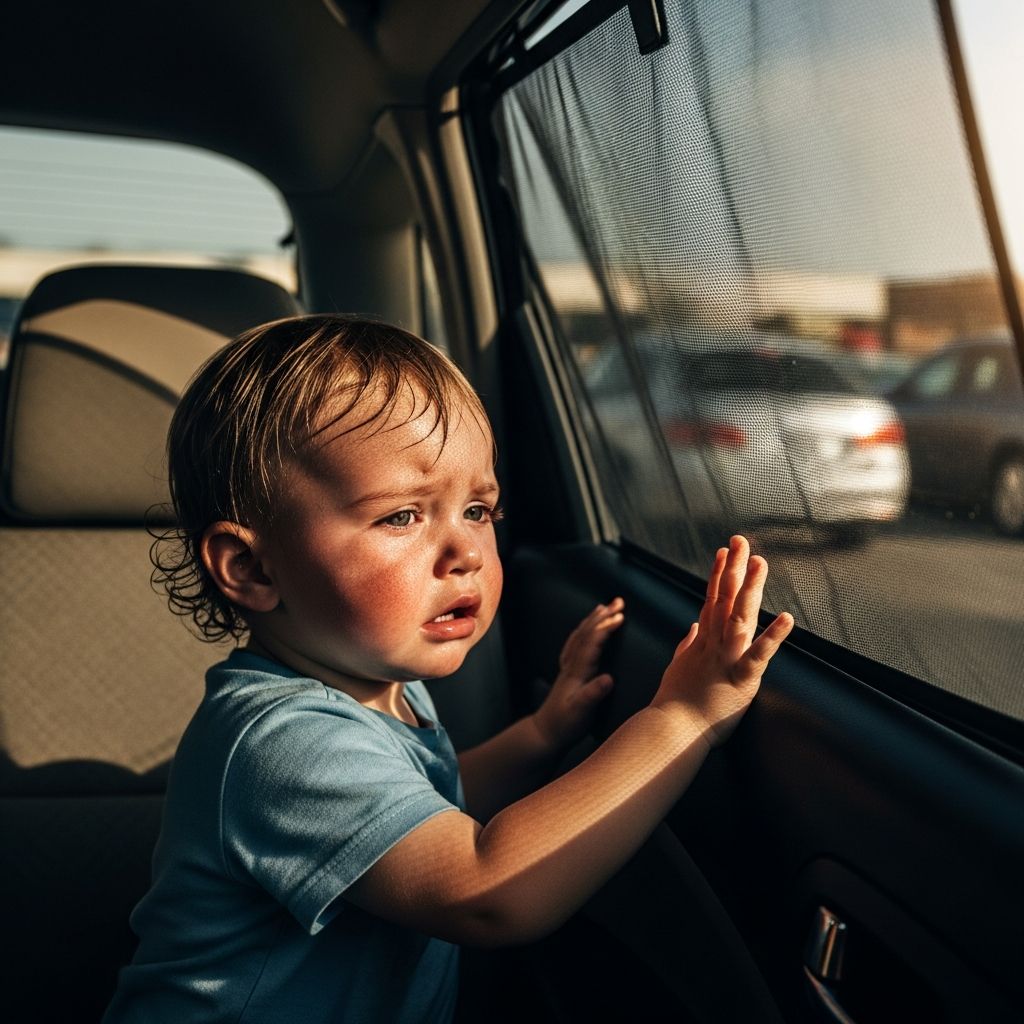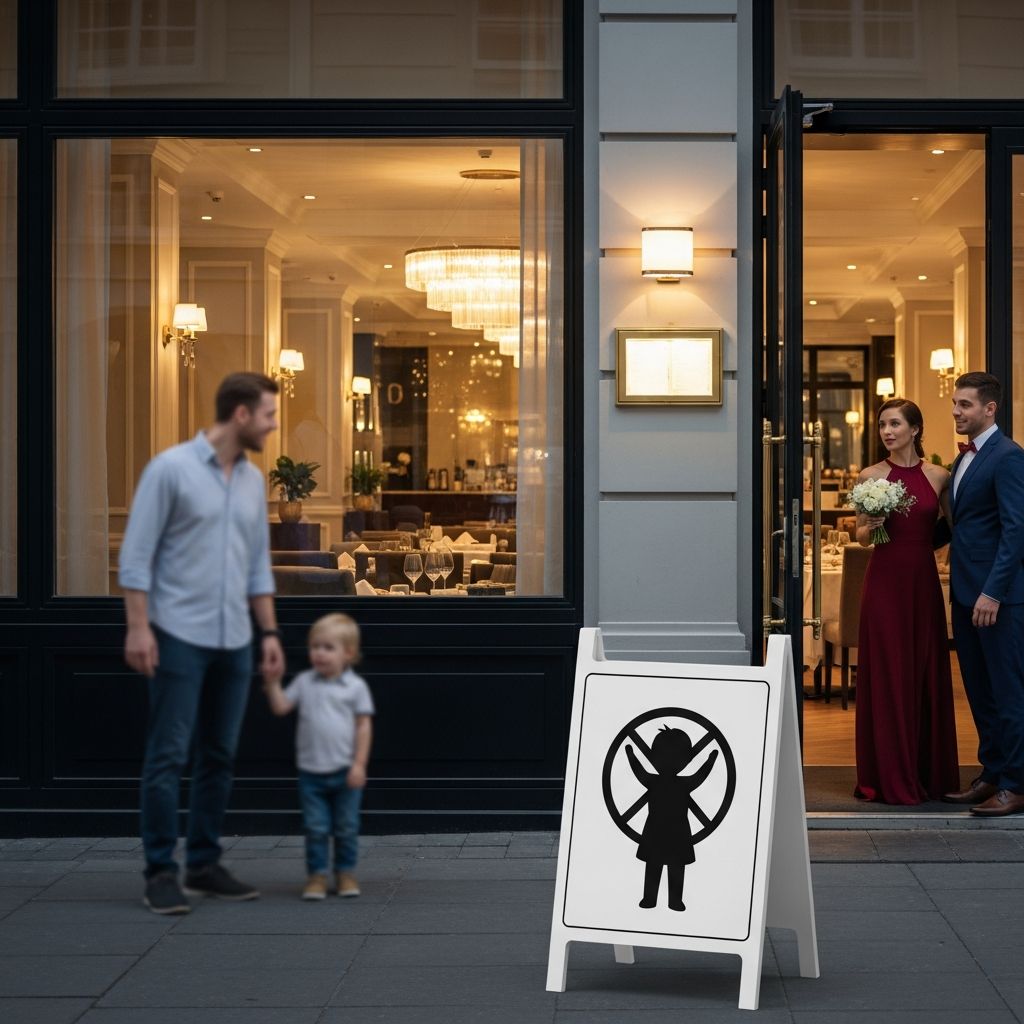
Establishments increasingly adopting policies to exclude diners under a certain age aim to foster serene atmospheres amid complaints about disruptions. This approach sparks intense discussions on fairness, family rights, and business autonomy.
Public Frustration with Children in Dining Venues
Surveys reveal substantial discontent among patrons regarding young children in restaurants. Over half of respondents express annoyance at the presence of kids nearby, with younger demographics showing heightened sensitivity. For instance, 52% overall dislike children at adjacent tables, climbing to 65% among those under 25. This sentiment persists across family sizes, though parents with more children display greater tolerance.
- 56% of respondents have one child and still favor restrictions.
- Parents with three or more kids are least bothered, at lower opposition rates.
Higher spending correlates with increased patience; those spending $41+ per person report fewer issues compared to budget diners. Disruptive episodes, like screaming or physical outbursts, amplify these concerns, prompting some to abandon meals altogether.
Parental Admissions and Observed Disruptions
A striking 75% of American parents acknowledge being confronted by others over their children’s poor conduct in eateries. This includes interventions by fellow diners, with variations by family size: 75% for one child, 78% for two, and 51% for larger families. Staff involvement is noted by 54% of observers, more common in upscale settings where checks exceed $41.
Younger patrons (under 25) witness staff actions most frequently at 23%, while seniors over 60 report it least at 6%. These encounters highlight a perceived lack of parental control, fueling demands for policy changes.
Support for Exclusionary Measures
Calls for adult-only restaurants gain traction, even among parents. Notably, 61% with one child, 58% with two, and 47% with three or more endorse bans in select venues. Surprisingly, only 52% of childless individuals agree, suggesting firsthand experience shapes views. Frequent diners (5+ visits monthly) are least supportive at 51%, versus 65% of infrequent ones.
| Group | Support for Bans (%) |
|---|---|
| One child | 61 |
| Two children | 58 |
| Three or more | 47 |
| No children | 52 |
| Frequent diners (5+ times/month) | 51 |
One in five diners backs a complete prohibition on young children, per additional polling. Voting on similar polls shows 64% approval for bans.
Alternative Solutions: Time-Based Restrictions
Rather than outright bans, ‘kid curfews’—limiting child access during peak evening hours—appeal widely. Support reaches 64% among single-child parents and 67% for two-child families, dipping to 44% for larger broods and 58% for non-parents. This compromise preserves daytime family dining while safeguarding quieter nights.
Arguments in Favor of Child Exclusions
Proponents argue that upscale dining demands peace, unfit for unpredictable young behaviors. High prices ($22+ entrees) justify expectations of tranquility, unmarred by tantrums or noise. Bringing infants to fine venues is deemed rude, prioritizing other patrons’ rare escapes from daily chaos. Owners echo this: “I love children, but they don’t belong in fine restaurants”. Even well-behaved kids induce anxiety, anticipating disruptions.
Teaching manners shouldn’t burden strangers; parents must prepare elsewhere. Blanket policies sidestep subjective judgments on ‘misbehavior.’
Counterarguments: Promoting Inclusivity and Etiquette
Opponents view age-based bans as discriminatory, akin to exclusion by protected traits. Families deserve varied dining beyond fast food, learning public decorum through exposure. European norms integrate children seamlessly via early training.
Targeted seating, priority kids’ meals, or family sections succeed, as in loyal Italian spots. Broader bans on disruptions—like loud phones or rowdy adults—address roots without ageism. Society should foster patience; public spaces inherently vary.
Children need restaurant experience to master etiquette; exclusion hinders growth.
Restaurant Strategies for Harmony
Successful venues balance needs:
- Designate family zones away from main areas.
- Offer kid menus and crayons for engagement.
- Enforce quiet hours post-7 PM.
- Train staff for polite interventions.
Parents counter by pre-feeding, using tablets judiciously, or exiting during meltdowns. Boomers’ tolerance (only 39% would leave) models grace. Gen Z’s 74% avoidance rate signals cultural shifts.
Global Perspectives on Family Dining
Unlike U.S. tensions, many cultures normalize children in fine dining. Japanese kaiseki houses welcome polite families; French brasseries expect decorum from all ages. U.S. individualism amplifies complaints, per cross-cultural analyses.
Post-pandemic, dining surges heighten sensitivities; families reclaim outings amid childcare shortages.
Business Implications of Child Policies
Bans risk backlash but attract serenity-seekers, boosting reviews. Family-friendly spots build loyalty via inclusivity. Data shows tolerance rises with spend; mid-tier places navigate best.
64% of parents avoid kid-adjacent tables, hinting self-selection. Policies must weigh demographics.
Frequently Asked Questions
Do most people support banning kids from restaurants?
Around 52-64% express support in surveys, varying by age and parenthood.
Are parents okay with adult-only venues?
Yes, 47-61% of parents endorse some child-free options.
What causes the most complaints about kids dining out?
Screaming, lunging, kicking—disruptions disturbing nearby meals.
Should restaurants intervene in child misbehavior?
54% have seen staff do so, more in pricier spots.
Are time-limited bans a good middle ground?
Strong support (44-67%) for kid curfews, especially among smaller families.
Navigating the Future of Dining Inclusivity
Eateries experiment: kid-free nights, all-ages days. Parents invest in prep—manners classes, quiet toys. Dialogue fosters empathy; no side monopolizes ‘right.’ Balanced policies ensure thriving for families and date-nighters alike. As surveys evolve, expect refined norms prioritizing mutual respect.
References
- American Children’s (Mis)Behavior in Restaurants: 2022 Study — HiJunior. 2022. https://hijunior.com/child/children-in-restaurants
- Should children be banned from restaurants? — GoCompare News. N/A. https://press.gocompare.com/news/should-children-be-banned-from-restaurants
- Touchy Subject: Should Restaurants Have the Right to Ban Kids? — ParentsCanada. 2015-11-01. https://parentscanada.com/family-life/touchy-subject-should-restaurants-have-the-right-to-ban-kids/
- No kids allowed — Nation’s Restaurant News. N/A. https://www.nrn.com/food-trends/no-kids-allowed