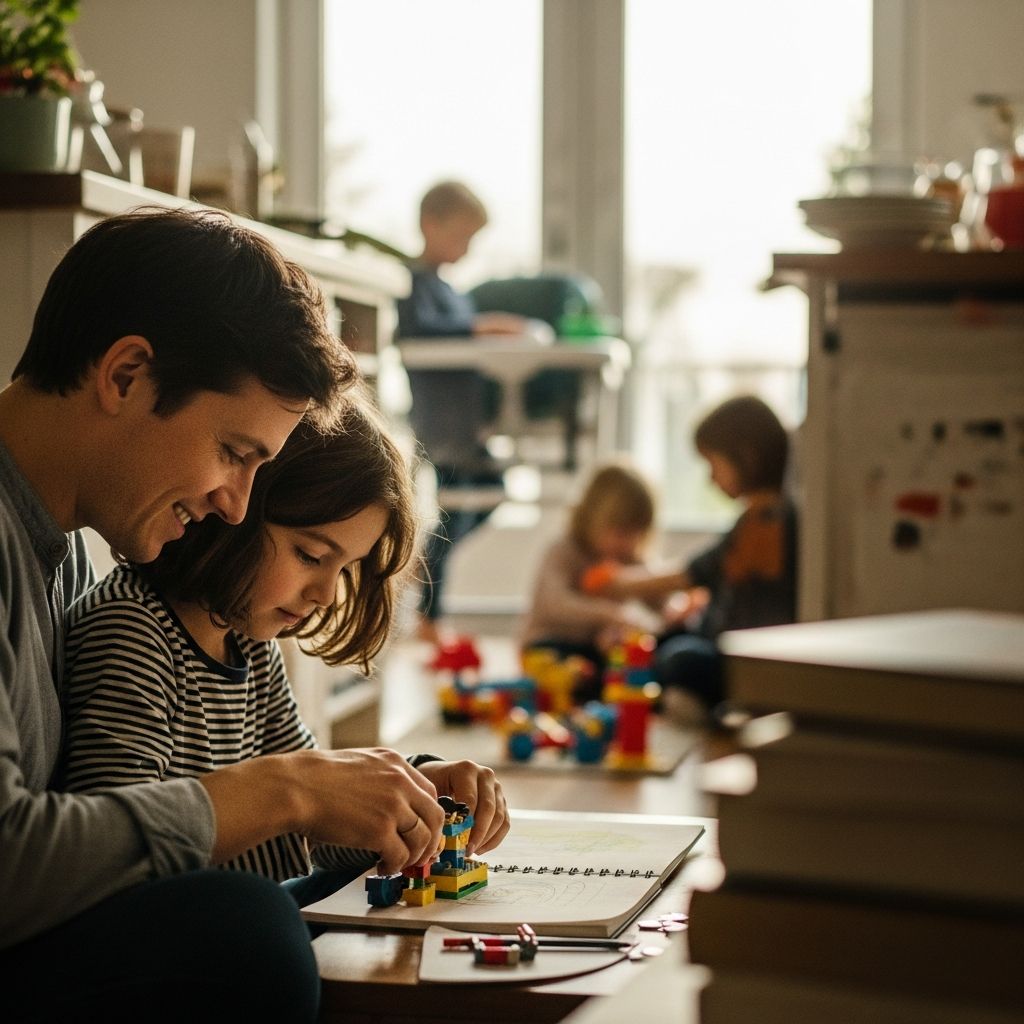
Understanding the Central Dilemma Facing Modern Parents
One of the most agonizing decisions parents confront involves whether to end an unhappy marriage or remain together “for the children’s sake.” This dilemma sits at the intersection of personal fulfillment, marital satisfaction, and parental responsibility. The question lacks a universal answer because families operate within distinct circumstances, emotional landscapes, and relationship dynamics. Rather than viewing this as a binary choice between staying or leaving, parents benefit from examining the specific conditions within their household and understanding the genuine impact of either decision on their children’s development and psychological wellbeing.
The prevailing cultural narrative has shifted considerably over recent decades. Previous generations often prioritized family unit preservation above individual happiness, operating under the assumption that any family structure was preferable to dissolution. Contemporary perspectives recognize that the quality of relationships and the emotional environment matter profoundly. Research increasingly demonstrates that children’s outcomes depend less on family structure itself and more on the presence of stability, emotional security, and healthy parental modeling.
The Case for Maintaining the Current Family Structure
Proponents of preserving marriages “for the children” advance several substantive arguments grounded in observable benefits that stable family arrangements can provide.
Consistency and Predictability in Daily Life
Children inherently benefit from predictable routines and consistent environments. When parents remain together, the household structure typically maintains established patterns for meals, bedtimes, transitions, and daily interactions. This consistency provides psychological anchoring, allowing children to redirect mental energy toward developmental tasks rather than expending emotional resources adapting to multiple household rules, schedules, or parental expectations. A single unified home environment reduces the cognitive load associated with managing dual households, different parental approaches, and fluctuating custody arrangements.
Financial Stability and Resources
Dissolution of a household inevitably introduces financial strain. Maintaining a single household allows consolidated resources, avoiding duplicate expenses for housing, utilities, and household operations. Families can invest more substantially in children’s education, extracurricular activities, and enrichment opportunities when financial resources remain concentrated. Additionally, the legal and logistical costs associated with separation—attorney fees, court proceedings, and modified living arrangements—divert resources that might otherwise benefit children directly.
Reduced Immediate Disruption
Separation constitutes a significant life transition accompanied by inherent stress. Children must adapt to modified living situations, potentially changing schools or neighborhoods, dividing time between households, and processing the emotional reality of family transformation. The transition period itself introduces anxiety, confusion, and adjustment challenges. For families experiencing mild to moderate marital discord without high-conflict dynamics, remaining intact circumvents this immediate disruption.
The Counterargument: When Staying Together Causes Harm
Conversely, considerable evidence suggests that remaining in unhappy or conflicted marriages can generate substantial negative consequences for children, potentially outweighing benefits of structural continuity.
Exposure to Unhealthy Relationship Models
Children serve as keen observers of adult interactions, absorbing messages about communication, conflict resolution, and relational dynamics through parental example. When children witness chronic tension, emotional distance, constant criticism, or unresolved conflict, they internalize these patterns as normative relationship behavior. This modeling can establish dysfunctional templates that children carry into their own future relationships, potentially perpetuating unhealthy cycles across generations. Children exposed to parents who communicate disrespectfully or manage disagreements through avoidance may struggle to develop healthy conflict resolution skills and realistic expectations for partnerships.
Psychological Impact of Household Tension
High-conflict home environments generate measurable stress responses in children. Chronic exposure to parental tension, even when overt arguments are infrequent, elevates children’s baseline anxiety levels and can interfere with emotional regulation. Children in conflicted households often experience guilt, feeling responsible for parental unhappiness or caught between divided loyalties. Some children become hypervigilant, constantly monitoring parental mood and interaction quality to anticipate potential escalation. These stress responses can manifest as behavioral problems, academic difficulties, sleep disruption, or social withdrawal.
Authenticity and Trust Erosion
When parents remain together while harboring resentment or dissatisfaction, they often present a facade of normalcy that perceptive children recognize as inauthentic. Children are remarkably attuned to emotional undercurrents, and when parental actions contradict emotional reality, children may internalize confusion about honesty and trust. Additionally, if staying together involves parents criticizing each other to the child or forcing the child to mediate or choose sides, the arrangement actively damages the child’s sense of security and forces them into developmentally inappropriate roles.
Key Factors Determining Outcomes for Children
Research increasingly points toward specific variables that predict children’s adjustment rather than family structure alone.
Presence of Conflict and Its Resolution
The frequency and intensity of marital conflict matters significantly more than marital status. Children whose parents maintain cordial relationships after separation often fare better than children in intact but conflicted homes. Conversely, couples who remain together while actively managing disagreements with respect and healthy communication provide genuinely beneficial environments. The critical variable is whether conflict gets resolved constructively or festers as chronic tension.
Quality of Parental Involvement
Children thrive when they receive consistent, engaged attention from parents who prioritize their emotional and developmental needs. Separation does not inherently diminish parental involvement—many separated parents develop even stronger one-on-one connections with children through intentional co-parenting arrangements. Conversely, parents in intact marriages but consumed by marital distress may provide less attentive, patient parenting. The investment parents make in their children’s lives supersedes the legal status of their relationship.
Economic Resources and Stability
Financial hardship following separation can create genuine challenges for children. However, some separated parents experience improved financial circumstances through new employment opportunities or reduced household expenses. For families where staying together perpetuates financial strain through unhealthy spending patterns or job dissatisfaction, separation might ultimately improve economic stability. The relationship between marital status and financial wellbeing varies considerably by circumstance.
The Case for Healthy Co-Parenting After Separation
An emerging perspective recognizes that separation need not diminish parental effectiveness or children’s wellbeing when managed with intention and cooperation.
Demonstrating Self-Respect and Healthy Boundaries
Parents who prioritize personal wellbeing and establish healthy boundaries model self-respect to children. Children benefit from witnessing adults who decline to accept unhappiness as inevitable and who actively pursue conditions supporting their flourishing. This modeling teaches children that self-care and establishing healthy relational boundaries represent legitimate priorities rather than selfish indulgences. Adults who leave untenable situations often demonstrate greater resilience, problem-solving capacity, and emotional authenticity—qualities that positively influence children.
Reduced Stress and Improved Parental Presence
Parents experiencing marital distress often feel emotionally depleted, affecting their patience, availability, and capacity for engaged parenting. Separation, once the acute transition concludes, frequently allows both parents to experience reduced baseline stress. Parents who feel less burdened often become more present, patient, and emotionally available during parenting time. This improved parental emotional capacity can outweigh the disadvantages of divided households.
Opportunity for Relational Growth
Separation creates space for children to develop individualized relationships with each parent, often unmediated by marital dynamics. Children sometimes experience increased one-on-one time with the previously less-involved parent, allowing relationship deepening. Additionally, children who navigate parental separation successfully often develop enhanced resilience, adaptive capacity, and understanding that life challenges can be managed constructively.
Practical Considerations for Making the Decision
Assessing Your Specific Situation
Rather than applying general principles, families benefit from honest evaluation of their particular circumstances. Consider whether your marriage involves:
- Chronic, unresolved conflict with poor communication patterns
- Emotional or physical abuse of any family member
- Substance abuse or addiction issues
- Emotional distance or disconnection despite absence of overt conflict
- Children explicitly expressing distress about household tension
- Parental unhappiness affecting engagement and patience with children
Families without these concerning patterns may genuinely benefit from preservation efforts, while families experiencing several of these conditions should carefully evaluate whether staying together serves children’s interests.
Exploring Therapeutic Resources
Professional support—whether marriage counseling, individual therapy, or family counseling—provides valuable perspective before making irreversible decisions. Therapists help couples distinguish between temporary relationship strain and fundamental incompatibility, improve communication, and honestly assess whether the relationship can meet both partners’ needs while maintaining a healthy family environment.
Developing Healthy Separation Plans
If separation emerges as the preferable option, intentional planning significantly impacts children’s adjustment. Effective co-parenting arrangements prioritize:
- Honest, age-appropriate communication with children about changes
- Consistent contact with both parents through reliable custody arrangements
- Absence of parental criticism or forced choice dynamics
- Unified parental messaging regarding expectations and values
- Cooperative decision-making about children’s education and healthcare
- Professional support through the transition period
Frequently Asked Questions
At what age are children most affected by parental separation?
Children across all developmental stages experience adjustment challenges, though the specific manifestations vary. Young children may regress in behaviors; school-aged children might experience academic difficulties; adolescents may struggle with identity development. However, research shows that with supportive co-parenting and appropriate professional support, children of all ages can navigate separation successfully.
How can parents minimize negative effects if they decide to separate?
Prioritize cooperative co-parenting, maintain consistent involvement from both parents, avoid parental conflict in children’s presence, provide honest age-appropriate explanations, ensure stable routines in both homes, consider family counseling during the transition, and demonstrate mutual respect despite the romantic relationship ending.
Is staying together in an unhappy marriage actually beneficial for children?
Research indicates that children in high-conflict intact homes often experience worse outcomes than children in separated but cooperative co-parenting arrangements. The presence of unhealthy modeling and chronic stress frequently outweighs the benefits of structural continuity. Children in stable, conflict-free homes—whether intact or separated—demonstrate the best outcomes.
What specific circumstances might warrant staying together?
Couples experiencing mild discord without high conflict, physical or emotional abuse, or severe incompatibility might benefit from preservation efforts, particularly if both partners remain committed to improving the relationship and creating a healthy family environment. Professional support through counseling can help couples rebuild connection and communication.
How important is co-parenting after separation?
Co-parenting quality strongly predicts children’s adjustment after separation. Parents who cooperate on parenting decisions, communicate respectfully, and present unified expectations help children adapt more successfully than parents who maintain high conflict or attempt to undermine the other parent’s relationship with the child.
Moving Toward Resolution
The decision to remain in or exit a marriage represents one of parenting’s most significant choices, and parents deserve support and perspective rather than judgment. Rather than seeking a universal answer, families benefit from carefully evaluating their specific circumstances, considering children’s actual experiences within the current arrangement, and exploring whether staying or leaving better serves the entire family’s wellbeing. Professional support from therapists, counselors, and family specialists provides invaluable guidance through this complex decision. Ultimately, children’s thriving depends less on family structure and more on the presence of stability, emotional security, healthy parental modeling, and consistent love—conditions that can emerge within various family configurations when parents intentionally prioritize their children’s needs.
References
- Should You Stay Together for the Kids? Pros and Cons from a Houston Marriage Therapist — Wilson Counseling. Accessed January 16, 2026. https://www.wilsoncounseling.org/wilson-counseling-blog/should-you-stay-together-for-the-kids-pros-and-cons-from-a-houston-marriage-therapist
- Staying Together for Kids: Pros and Cons — Affordable Divorce Center. Accessed January 16, 2026. https://www.affordabledivorcecenter.com/staying-together-for-kids-pros-and-cons/
- Should You Be Staying Together for the Kids? The Pros & Cons — Australian Family Lawyers. Accessed January 16, 2026. https://www.australianfamilylawyers.com.au/information-centre/staying-together-for-the-kids-pros-cons
- Should Co-Parents Spend Time Together? — Divorce Education. Accessed January 16, 2026. https://divorce-education.com/should-co-parents-spend-time-together/
- Benefits of Divorce on Children — Colorado Divorce Law Group. Accessed January 16, 2026. https://coloradodivorcelawgroup.com/benefits-of-divorce-on-children/
- Rethinking “Staying Together for the Kids” — Feinberg & Waller, APC. January 2025. https://www.feinbergwaller.com/blog/2025/january/rethinking-staying-together-for-the-kids-/