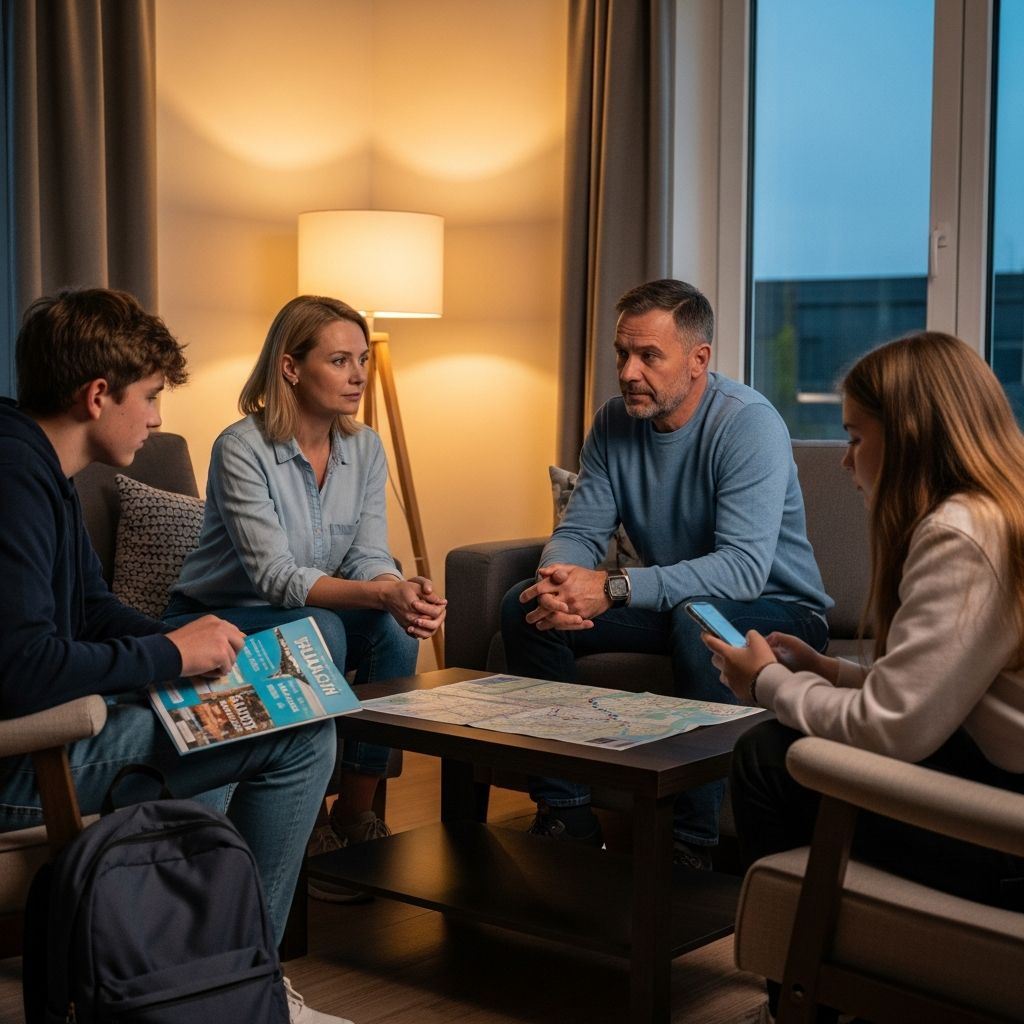
Deciding whether to allow teenagers to embark on unsupervised spring break trips involves weighing excitement against substantial risks. Parents often prioritize safety over autonomy, especially given statistics on substance abuse, accidents, and assaults during these periods.
The Allure and Perils of Spring Break for Adolescents
Spring break represents a coveted escape for teens, filled with visions of beaches, parties, and freedom from school routines. However, this time coincides with heightened vulnerabilities. Research indicates sharp rises in dangerous behaviors, including binge drinking and reckless activities, transforming what should be a refreshing break into a potential crisis.
Teenagers, typically aged 13-19, face immature brain development that impairs risk assessment. Combined with peer influence, this leads to poor choices. For instance, popular destinations see surges in emergency room visits related to alcohol and drugs.
Substance Abuse: A Leading Concern During Breaks
Excessive alcohol consumption dominates spring break statistics. Young men average 18 drinks per day, while women average 10, often resulting in blackouts or vomiting. This bingeing escalates the risk of alcohol poisoning, with thousands of college-aged individuals suffering injuries annually from such incidents.
Drug experimentation also spikes, contributing to addiction pathways. Early exposure increases long-term dependency risks, as compulsive use overrides rational decision-making despite evident harm. Parents denying trips aim to shield teens from these gateways to chronic issues like anxiety and depression.
- Binge Drinking Effects: Impairs judgment, leading to accidents and assaults.
- Drug Risks: From casual use to addiction, affecting mental stability.
- Mental Health Fallout: Temporary highs yield prolonged stress and mood disorders.
Physical Dangers: Accidents, Assaults, and Exploitation
Traffic fatalities in spring break hotspots increase by 9.1%, predominantly involving drivers under 25 from out-of-state. Unfamiliar environments exacerbate these dangers, with party modes fueling reckless driving.
Sexual assaults represent another grim reality. Polls reveal 12% of women feel pressured into encounters, often amid intoxication. Promiscuity, seen by 57% as a social norm, heightens vulnerability to exploitation.
| Risk Factor | Statistic | Source |
|---|---|---|
| Traffic Fatalities | +9.1% in hotspots | |
| Alcohol-Related Deaths (Annual) | 1,825 for ages 18-24 | |
| Sexual Pressure | 12% of women | |
| Binge Drinking Rates | Men: 18 drinks/day |
Mental Health Impacts of Unstructured Freedom
Beyond physical threats, unstructured time disrupts routines, fostering isolation and anxiety. Late nights and substance use irregularize sleep, amplifying stress and attention deficits. Social media amplifies pressures, promoting glamorous facades that induce FOMO and unhealthy comparisons.
Post-break crashes are common, with dopamine dips from partying leading to depression. Parents recognize these patterns, opting for supervised alternatives to maintain emotional equilibrium.
Why Parents Draw the Line: Building Responsibility
A parent’s refusal to permit an unsupervised trip underscores values like trust earned through maturity. Such decisions teach accountability, emphasizing that freedom accompanies demonstrated reliability. Open dialogues clarify boundaries, fostering resilience over rebellion.
Alternatives include family vacations or local outings, balancing fun with oversight. This approach mitigates risks while nurturing independence gradually.
Proven Strategies for Safer Spring Breaks
Parents can empower teens through preparation. Informed Families advocates clear rules: no underage drinking at home, supervised gatherings, and regular check-ins.
- Establish Rules: Define curfews, companions, and contact protocols.
- Discuss Pressures: Role-play refusal tactics for substances and risks.
- Ensure Transport: Promote sober drivers, rideshares, or public options.
- Buddy System: Insist on group accountability.
Virginia Tech Police recommend hydration, sunscreen, and personal alarms for added protection. Knowing itineraries reduces parental anxiety, allowing focus on enjoyment.
Navigating Family Discussions on Boundaries
Conversations about denials should validate teen excitement while articulating concerns factually. Use data to illustrate risks without scaremongering. Collaborative planning—suggesting compromises like day trips—builds mutual respect.
Experts stress ongoing communication over one-off talks. Addressing peer pressure equips teens to choose wisely, reinforcing parental guidance as supportive, not restrictive.
Long-Term Benefits of Protective Parenting
Firm stances today cultivate discerning adults tomorrow. Teens denied high-risk trips often report stronger family bonds and better decision-making skills later. This investment in safety yields dividends in emotional intelligence and self-reliance.
Statistics affirm supervised breaks correlate with fewer incidents, underscoring proactive parenting’s efficacy.
Frequently Asked Questions
Should parents always say no to teen spring break trips?
No, but unsupervised travel to party destinations warrants caution due to elevated risks like substance abuse and assaults. Opt for structured alternatives.
How can teens stay safe if allowed to go?
Follow the buddy system, avoid substances, use safe transport, and check in regularly. Carry protection like pepper spray.
What if my teen resents the decision?
Use empathetic dialogue, share evidence-based concerns, and propose fun local options to demonstrate care over control.
Are spring break risks exaggerated?
No—data shows spikes in fatalities, poisonings, and assaults, particularly from binge drinking.
How does denying trips affect teen independence?
It builds it gradually by tying privileges to responsibility, preventing premature exposure to dangers.
Empowering Teens for Responsible Fun
Balancing freedom and safety defines effective parenting during spring break. By understanding risks—from mental health strains to physical threats—families can craft enjoyable, secure experiences. Prioritizing dialogue and preparation ensures breaks build memories without regrets.
References
- Spring Break Mental Health Risks & Safety Tips for Teens — HUPCFL. 2023. https://hupcfl.com/spring-break-madness-mental-health-risks-teens-adults/
- Spring Break Safety: How to Keep Your Teen Safe & Responsible — Informed Families. 2024. https://www.informedfamilies.org/catalyst/spring-break-safety-tips-for-parents
- The Real Lowdown On Spring Break Safety — Security.org. 2023. https://www.security.org/blog/real-lowdown-spring-break-safety/
- Spring Break Safety: Travel Tips for Teens and Families — SSCC Center. 2024. https://sscc.center/spring-break-safety-travel-tips-for-teens-and-families/
- Spring Break Safety Tips — Virginia Tech Police Department. 2025-01-01. https://police.vt.edu/safety-security/safety-tips/spring-break.html
- Keeping Stress in Check During Spring Break — Prevent Child Abuse America. 2023. https://preventchildabuse.org/resources/keep-stress-in-check-spring-break/