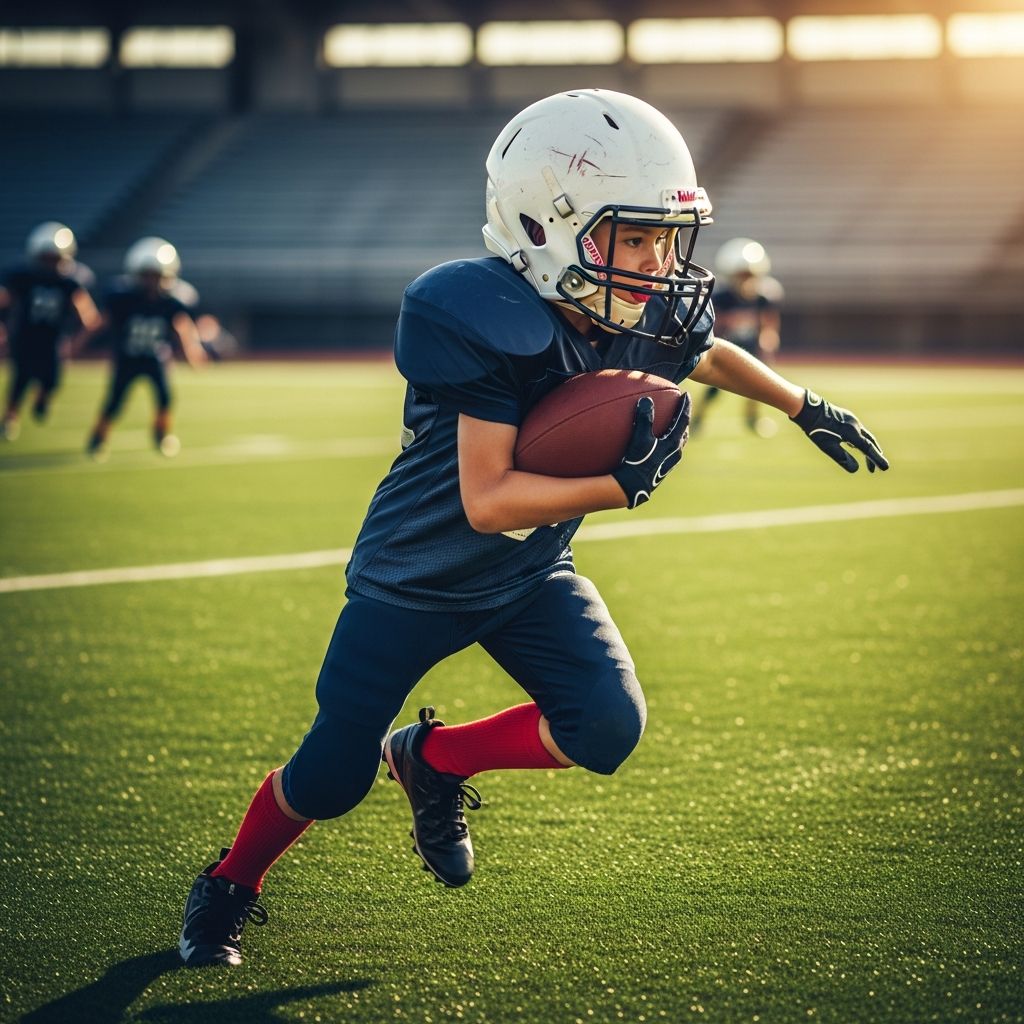
Deciding if your child should join a football team stirs deep emotions for many parents. The sport promises excitement, camaraderie, and skill-building, yet headlines about injuries loom large. This comprehensive guide draws from medical experts to help you evaluate the upsides, downsides, and practical steps forward.
Why Kids Gravitate Toward Football
Football captivates young athletes with its high-energy action and team spirit. Beyond the gridiron glamour, it fosters essential life skills from an early age.
- Teamwork and Social Bonds: Players learn to rely on teammates, communicate under pressure, and celebrate collective wins, building lifelong friendships.
- Leadership Opportunities: Captains emerge naturally, guiding plays and motivating peers, which boosts confidence and responsibility.
- Discipline Through Structure: Rigorous practices instill time management and rule-following, translating to better academic habits.
These elements create a supportive environment where children thrive emotionally, often crediting football for shaping their character.
Physical Gains from Gridiron Action
Football demands total-body engagement, yielding impressive fitness outcomes for growing bodies.
| Benefit | Description | Impact on Youth |
|---|---|---|
| Muscle and Endurance Building | Repeated sprints, blocks, and tackles strengthen core muscles and cardiovascular health. | Improves stamina; reduces obesity risk in active kids. |
| Motor Skill Enhancement | Hand-eye coordination sharpens through catching, throwing, and route-running. | Boosts agility applicable to daily activities and other sports. |
| Bone Density Increase | Weight-bearing impacts promote stronger skeletal development. | Supports long-term bone health during growth spurts. |
Studies affirm these adaptations make football a powerhouse for physical literacy, especially when combined with balanced training.
The Hidden Dangers: Injury Realities
No discussion of football skips its injury profile. Contact sports like this carry higher risks than non-contact alternatives.
Common Musculoskeletal Harm
Lower extremities bear the brunt: sprains, strains, fractures, and bruises dominate injury reports. Growing kids face growth plate disruptions, potentially needing surgery in severe cases. High schoolers encounter ACL tears and shoulder dislocations more frequently.
- Sprained ankles from twists during tackles.
- Knee ligament damage from pivots and collisions.
- Contusions leading to swelling and missed playtime.
Brain Health Concerns: Concussions and Beyond
Head impacts steal the spotlight. Youth players absorb 250-500 sub-concussive hits per season, with forces up to 80g—far exceeding everyday jolts like roller coasters.
Research reveals starting tackle football before age 12 doubles risks of adult cognitive issues like poor impulse control and triples depression odds. Repetitive trauma may cause cellular brain damage, impairing judgment long-term. Younger players show lower severe injury rates, but rates climb with age, size, and speed.
While catastrophic events are rare, the cumulative toll prompts experts to question early tackle involvement.
Age Matters: When to Introduce Tackle Play
Timing influences safety profoundly. Experts often advise delaying full-contact until high school.
- Under 12: Flag football minimizes head hits while delivering similar developmental perks.
- Teens: Stronger necks and bodies handle impacts better; proper coaching mitigates risks.
Pediatric guidelines stress understanding risks before suiting up, consulting specialists for personalized advice.
Safety Strategies That Make a Difference
Smart programs turn risky play into safer pursuits. Prioritize these red flags and green lights.
| Green Flags (Choose These) | Red Flags (Avoid These) |
|---|---|
| Coaches trained in concussion protocols (e.g., CDC HEADS UP). | Win-at-all-costs mentality ignoring player health. |
| Well-fitted, certified gear used consistently. | Excessive full-contact drills beyond guidelines. |
| Limits on contact practices (1-2x/week reduces impacts 40-67%). | Single-sport focus leading to overuse injuries. |
| Multi-sport encouragement for balanced development. | Playing through suspected head injuries. |
Rule changes by organizations like Pop Warner exemplify progress, slashing head exposures significantly. Proper warm-ups, hydration, and recovery further shield young athletes.
Flag Football: A Safer Gateway?
Non-contact versions explode in popularity, offering football’s essence without tackle dangers.
- Equal teamwork and strategy learning.
- Near-zero concussion risk.
- Inclusive for all sizes and skill levels.
NFL FLAG programs highlight how flag mirrors tackle benefits, making it ideal for elementary ages before transitioning if desired.
Parental Decision Framework
Weigh factors holistically:
- Child’s passion and maturity level.
- Program quality and safety record.
- Family values on risk tolerance.
- Alternatives like soccer or wrestling.
Discuss openly with your pediatrician. Monitor for signs like persistent headaches post-impact. Insurance for sports injuries adds peace of mind.
Long-Term Perspectives from Research
Orthopedic leaders urge caution for youth football due to early health risks like metabolic issues. Yet, with reforms, participation yields net positives for many.
Track records show safer eras: better helmets, biomechanics education, and medical sidelines transform the game.
Frequently Asked Questions
What age is safest for tackle football?
Experts recommend waiting until high school (age 14+), favoring flag for younger kids to avoid early brain hits.
Can football cause permanent brain damage?
Yes, repetitive sub-concussive impacts before age 12 link to later cognitive and mood disorders.
How to spot a concussion?
Watch for headache, dizziness, confusion, nausea, or balance issues. Sideline immediately and seek medical evaluation.
Is youth football getting safer?
Yes—practice limits and training cut head impacts by up to 67%; equipment advances continue.
What if my child insists on playing?
Choose top safety programs, enforce rest after hits, and consider multi-sport paths for resilience without specialization risks.
References
- Should Parents Let Their Child Play Football? Weighing the Pros and Cons — Children’s Hospital of Philadelphia (CHOP). 2023. https://www.chop.edu/news/should-parents-let-their-child-play-football-weighing-pros-and-cons
- Football: Have Fun, But Play Safe — American Academy of Pediatrics (HealthyChildren.org). 2024. https://www.healthychildren.org/English/healthy-living/sports/Pages/Tackling-Safety-Tips.aspx
- Should Young Children Play Tackle Football? — Pediatric Associates of Greater Salem (PAGS). 2023. https://www.pags.com/should-young-children-play-tackle-football
- Concussions, Culture, and Character in High School Football — American Orthopaedic Society for Sports Medicine (AOSSM). 2024. https://www.sportsmed.org/concussions-culture-and-character-in-high-school-football
- Youth Football Safety and Injury Prevention — NFL FLAG. 2025. https://nflflag.com/football-safety
- Editorial: Orthopaedic Surgeons Should Recommend That Children Avoid Football — PMC (National Library of Medicine). 2016-05-01. https://pmc.ncbi.nlm.nih.gov/articles/PMC4887376/