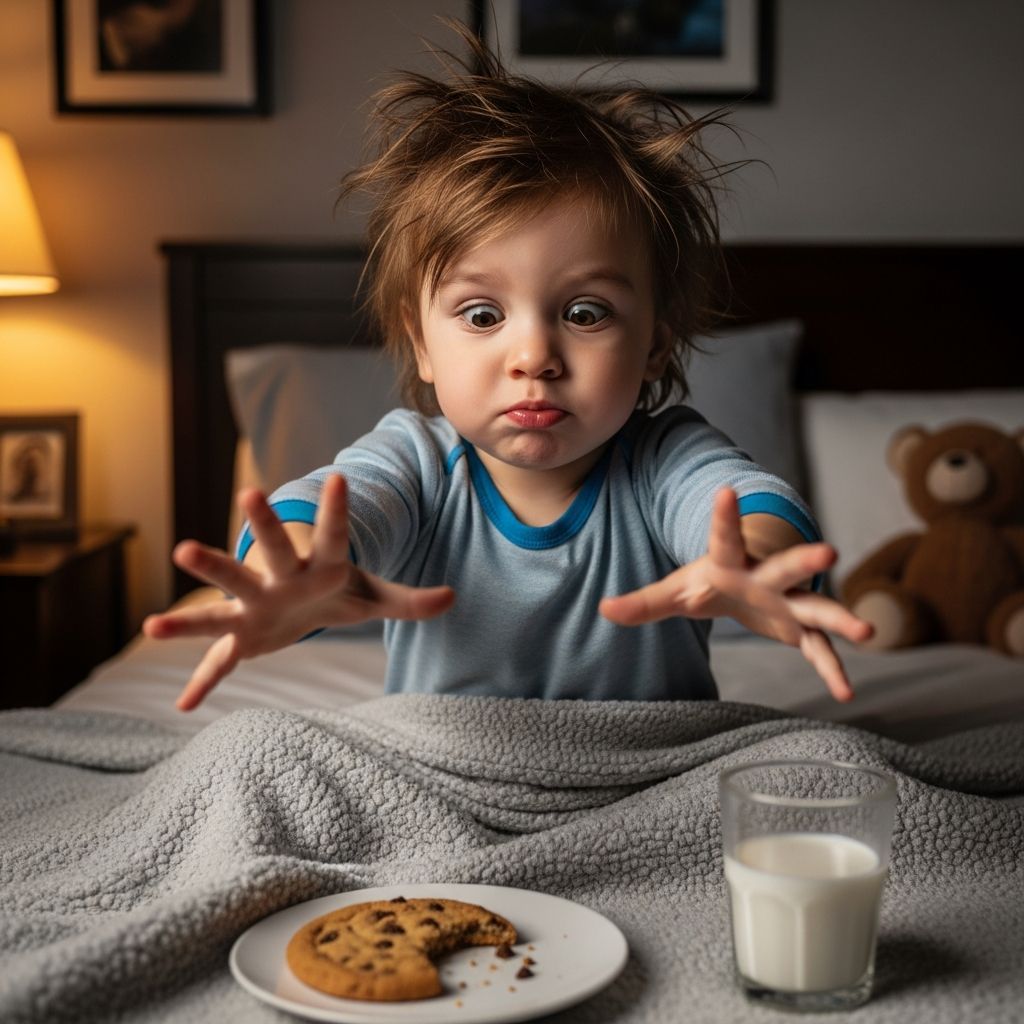
A clip of a baby passionately insisting on having cookies and milk before bed is hilarious to watch, but for many parents it feels uncomfortably familiar. That last-minute snack request, the tears, and the dramatic negotiations are a nightly reality in countless homes.
Why This Baby Cookies-and-Milk Moment Feels So Relatable
Parents connect so strongly with viral videos of babies demanding cookies at bedtime because they mirror the everyday struggle of saying “no” when everyone is tired. The sweetness of a tiny voice asking for a treat often collides with a parent’s worry about sugar, sleep, and setting a precedent.
These moments highlight several universal themes: toddlers testing boundaries, using food as comfort, and parents trying to balance empathy with consistency at the end of a long day.
- Toddlers are learning that they can influence the world by asking, crying, or negotiating.
- Parents are often torn between maintaining bedtime rules and keeping the peace.
- The bedtime hour magnifies everyone’s emotions, making tiny conflicts feel huge.
What Is Really Going On When Babies Beg for Cookies Before Bed?
A dramatic request for cookies and milk right before sleep is rarely just about the snack itself. Often, it is a mix of hunger, habit, emotional comfort, and a last attempt to delay bedtime.
By looking beneath the surface, caregivers can respond more calmly and thoughtfully, instead of getting pulled into a nightly power struggle.
Common Reasons Behind Bedtime Snack Pleas
- Genuine hunger: Dinner may have been too early, too small, or too exciting for the child to focus on eating.
- Thirst or dryness: Requests for milk or water can signal real physical needs, especially if the home is warm or dry.
- Comfort and routine: Sweet drinks or cookies may have become associated with feeling loved, safe, and sleepy.
- Delay tactics: Toddlers quickly learn that asking for food buys more time with parents.
- Attention seeking: Big reactions, laughter, or filming with a phone can unintentionally reward the behavior.
Are Cookies and Milk Before Bed a Good Idea?
Cookies before bedtime can be problematic because sugary, highly processed snacks may interfere with sleep quality, affect dental health, and create a habit of eating treats at night. Milk, on the other hand, can be neutral or even helpful for some children when used thoughtfully.
Rather than banning all snacks, a more realistic approach is to distinguish between calming, filling options and sugary treats that hype kids up or increase cavity risk.
Common Bedtime Snacks: Pros and Cons
| Snack | Potential Benefits | Possible Drawbacks |
|---|---|---|
| Plain milk | Can be soothing; provides protein, fat, and calcium; may help some kids feel full. | Too much close to brushing can increase cavity risk; may lead to nighttime diaper leaks. |
| Cookies | Tasty and emotionally rewarding; can feel like a special treat that ends the day on a fun note. | High in sugar; may cause energy spikes; linked to tooth decay if eaten after brushing; creates habit of nightly treats. |
| Whole grain toast or crackers | More stable energy; gentle on the stomach; less sugar; can help with genuine hunger. | Still adds extra calories if used daily; crumbs in bed can become a hygiene issue. |
| Fruit (e.g., banana slices) | Natural sweetness, fiber, and nutrients; often well-tolerated at night. | Natural sugars can still affect teeth; some fruits may cause tummy discomfort for sensitive kids. |
| Yogurt (low-sugar) | Contains protein and fat; can be satisfying and calming; easy to digest for many children. | Flavored varieties may be high in sugar; dairy can bother kids with sensitivities. |
Guidelines for Bedtime Snacks
- Offer any snack 30–60 minutes before lights-out, not seconds before sleep.
- Brush teeth after the final snack or drink that contains sugar, even natural sugar.
- Favor protein- and complex-carbohydrate-based snacks over candy or cookies.
- Keep portions small so that nighttime digestion does not disturb sleep.
How Bedtime Turns Into a Negotiation Zone
The baby in the viral cookies-and-milk video is not only cute; that baby is also learning how powerful bedtime can be as a moment of negotiation. For toddlers and preschoolers, bedtime is one of the few times each day when they can push back against a decision and get a big reaction.
Understanding the psychology of bedtime resistance helps parents step out of the tug-of-war and respond calmly.
Why Bedtime Battles Happen
- Fear of missing out: Kids sense that the world continues without them and want to be part of it.
- Separation anxiety: Going to sleep can feel like a long separation from parents.
- Newfound autonomy: Toddlers are wired to test their independence by saying “no” and making specific requests.
- Inconsistent boundaries: If snacks or extra stories are sometimes allowed and sometimes refused, kids keep trying.
Using Humor and Empathy Without Losing Boundaries
Part of the charm of bedtime-cookie videos is watching adults try not to laugh while standing firm, or occasionally giving in. Humor and tenderness can defuse tension, but parents still need a clear line so bedtime does not stretch endlessly.
The goal is not to shut down all feelings, but to acknowledge them while keeping the nighttime routine predictable.
Practical Ways to Respond
- Reflect feelings: “You really want cookies. Cookies are yummy. It’s hard to stop eating them.”
- Give structure: “We had our snack already. Now we brush teeth and read our book.”
- Offer a choice within limits: “No cookies, but you can have water or a short cuddle before bed.”
- Use gentle humor: A playful, exaggerated sigh or silly voice can reduce the emotional temperature.
- Stay consistent: Avoid changing the rule just because the meltdown is loud or cute.
Creating a Bedtime Routine That Reduces Snack Drama
One lesson from the cookies-and-milk bedtime scenario is that predictable routines can prevent last-minute requests. When children know exactly what to expect, they are less likely to search for loopholes right as the lights go off.
A solid evening routine also supports better sleep, calmer evenings, and fewer arguments over snacks, drinks, and screen time.
Sample Calm-Bedtime Routine
- Wind-down time: Turn off screens, dim lights, and switch to quiet play or reading.
- Offer a planned snack: Provide a light, healthy snack and a drink at the same time each evening if needed.
- Teeth and toilet: Brush teeth and offer a final potty or diaper change to reduce later requests.
- Connection ritual: Read books, sing songs, or tell a short story together.
- Clear goodnight: Use the same phrase or gesture every night so the child recognizes the final step.
By putting any acceptable snack into the routine—rather than allowing spontaneous cookie requests—parents can acknowledge hunger while limiting negotiations.
When a Bedtime Snack Might Actually Help
Not every nighttime snack request is purely a stall tactic. For babies and young toddlers, small, predictable snacks or feedings may still play a role in meeting nutritional needs and preventing middle-of-the-night waking from hunger.
In some families, a simple ritual like warm milk or a banana before bed becomes a calming cue that it is time to sleep, as long as dental hygiene and total sugar intake are managed.
Signs a Child May Need a Pre-Bed Snack
- Consistent waking shortly after bedtime, seeming hungry rather than just restless.
- Dinner is regularly small due to distractions, teething, or picky eating phases.
- A medical professional has noted high energy needs or slow weight gain that require extra calories.
- Parents notice calmer, more settled sleep on nights with a light snack.
Tips for Choosing and Timing Bedtime Snacks
Parents who decide to include a snack can reduce conflicts by being intentional and matter-of-fact about what is offered and when. The key is to treat snacks as part of the evening flow, not a negotiable reward tied to behavior.
At the same time, families can protect children’s teeth and sleep cycles with a few simple rules.
Healthy Bedtime Snack Strategies
- Set a specific “last call” time for snacks and drinks (other than water).
- Offer limited choices, such as “toast or yogurt,” instead of open-ended options.
- Keep sugar low and avoid foods with caffeine or strong artificial dyes.
- Brush teeth after the snack and make that the clear dividing line before stories.
- Use calm, neutral language—avoid calling the snack a “treat” to reduce emotional charge.
Balancing Real-Life Parenting With Expert Advice
Watching a parent in a viral video gently debate cookies and milk with their baby shows the gap between ideal recommendations and reality. Expert advice may urge strict avoidance of sugar before bed, but real-life parents sometimes choose peace over perfection.
Instead of judging these moments, it can be more useful to view them as snapshots of loving caregivers doing their best in imperfect conditions.
Finding Your Own Middle Path
- Decide which rules are non-negotiable for your family (for example, tooth-brushing after snacks).
- Allow some flexibility for special occasions or difficult phases, without turning them into everyday habits.
- Use viral stories as conversation starters with partners, caregivers, or friends about what feels realistic.
FAQs About Bedtime Snacks, Cookies, and Milk
Is it okay to let my toddler have cookies and milk before bed every night?
Having cookies and milk occasionally before bed is unlikely to cause major harm, but making it a nightly habit can increase sugar intake and affect dental health. It may also teach your child to expect a sweet treat as part of falling asleep, which can be hard to change later.
How can I stop my child from asking for snacks right before lights-out?
Move any acceptable snack earlier in the routine and clearly label it as the “last snack,” followed by brushing teeth. When your child asks again later, calmly remind them of the routine and offer comfort in non-food ways, such as cuddles or a short song.
What should I do if my child cries intensely when I say no to bedtime cookies?
Stay calm and empathize with their disappointment while holding your boundary. You can say that you understand they are upset, offer a hug or comfort item, and gently guide them back to the established routine without arguing.
Are there better alternatives to cookies and milk before sleep?
Yes, many families find that options like small servings of yogurt, whole grain toast, or a few slices of banana are more sleep-friendly. These snacks are usually less sugary and more filling, especially when paired with water or plain milk.
Can I still enjoy the silly, dramatic moments without encouraging more bedtime drama?
It is possible to laugh and enjoy your child’s personality while gently steering the situation back to the limits you set. Try saving your big reactions and storytelling about the moment for the next day, rather than in the heat of negotiation.
The baby who “really, really” needs cookies and milk before bed captures something deeply human: everyone, at every age, wants comfort and connection at the end of the day. With a thoughtful routine, a balanced approach to snacks, and a sense of humor, parents can honor that need while still guiding little ones toward healthy, peaceful sleep.