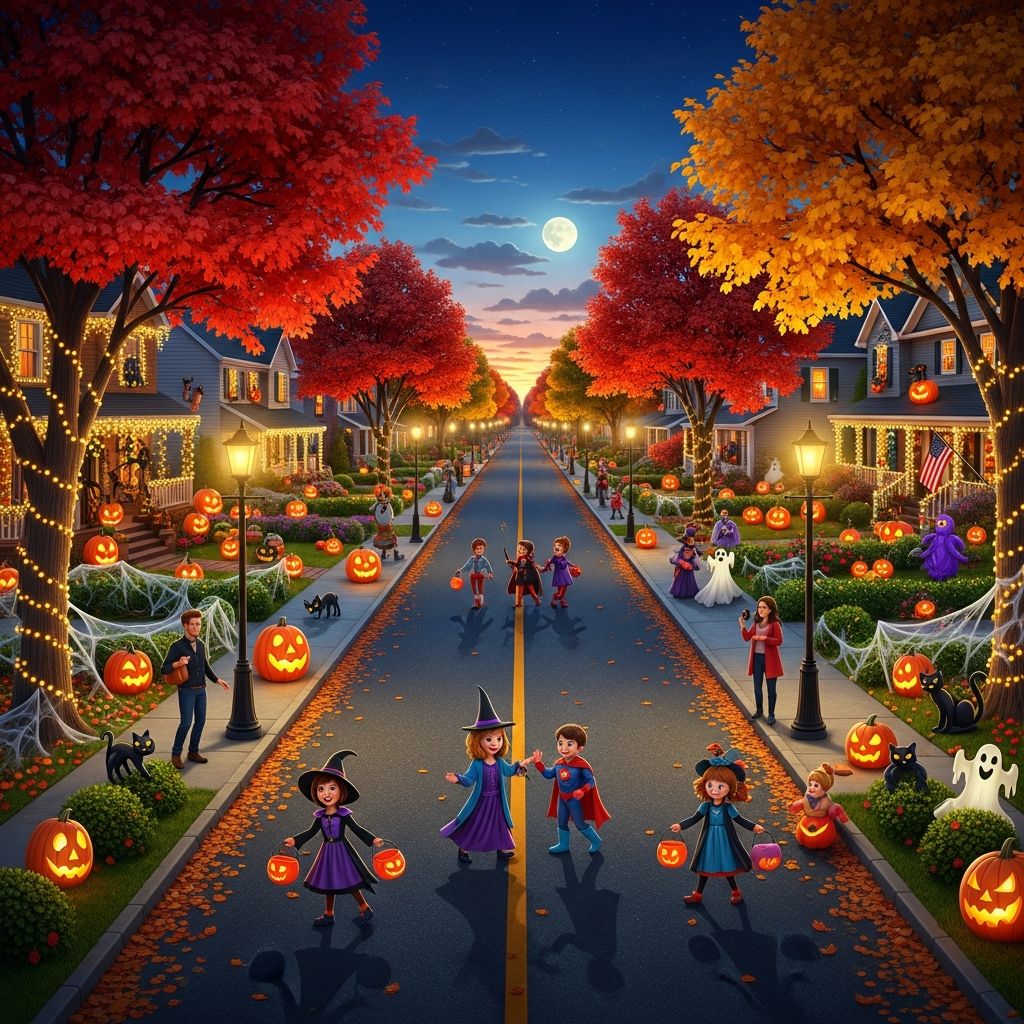
Every year on October 31, families across the U.S. don costumes, carve pumpkins, and embark on trick-or-treating adventures. But when this spooky celebration lands on a weekday, it sparks frustration among parents juggling school runs, work deadlines, and bedtime battles. A surging online petition proposes a bold fix: relocate Halloween to the last Saturday in October. Backed by tens of thousands of signatures, this idea promises longer evenings of fun, better safety, and reduced stress. Yet opponents cling to centuries-old customs, warning that tampering with tradition could dilute the holiday’s magic. This article unpacks the petition’s origins, compelling arguments on both sides, safety statistics, and what it all means for future celebrations.
The Rise of the Saturday Halloween Campaign
The push to weekend-ify Halloween gained traction through platforms like Change.org, where a dedicated campaign calls for shifting festivities to the final Saturday of the month. Launched by the Halloween and Costume Association, it has amassed over 33,000 signatures, urging the White House to reconsider the date for safer, extended revelry. Parents cite exhaustion from rushing kids out after dinner on school nights, only to wrangle overtired little ones back home for midnight bedtimes. Imagine instead starting at dusk on a Saturday, with no homework looming—pure, uninterrupted Halloween bliss.
This isn’t a fleeting whim. Media outlets from CBS News to TIME have amplified the debate, with TIME even launching its own petition in past years to rally support. The core pitch? Weekends allow families to savor the holiday without the weekday squeeze, potentially boosting participation and joy. As one advocate noted, activities could stretch from afternoon parades to late-night bonfires, free from Monday morning regrets.
Why Parents Are Signing On: Practical Perks
For busy families, a Saturday Halloween addresses real pain points. Here’s a breakdown of the top benefits proponents highlight:
- More Family Time: No clashing with work or school schedules means adults can join trick-or-treating fully, creating cherished memories without glancing at the clock.
- Extended Celebrations: Start early with neighborhood parties or pumpkin patches, transitioning seamlessly into evening door-to-door quests under safer twilight conditions.
- Reduced Fatigue: Kids get a full night’s rest post-holiday, dodging grumpy Mondays and sleepy classrooms. Parents avoid the post-trick-or-treat crash amid packed routines.
- Boosted Community Spirit: Weekends draw bigger crowds for block parties, contests, and events, fostering neighborhood bonds that weekdays stifle.
Surveys from industry groups reveal 70% of parents skip accompanying their children on weeknights, often due to time constraints—a gap a weekend shift could close. This resonates deeply in an era of dual-income households and extracurricular overloads.
Safety First: Does a Weekend Really Help?
Safety looms large in the petition’s rhetoric. Organizers claim 3,800 annual Halloween injuries, from trips in the dark to car accidents amid costumed pedestrians. A Saturday could mitigate this by allowing daytime starts, better visibility, and soberer drivers post-party. Yet data paints a nuanced picture. The National Safety Council reports Saturday nights as the riskiest for pedestrian incidents, potentially amplifying dangers if revelry peaks late.
Consider this comparison of Halloween risks:
| Factor | Weekday Halloween | Saturday Halloween |
|---|---|---|
| Pedestrian Visibility | Post-dusk rush in dark | Possible daytime extension |
| Driver Impairment | Lower alcohol rates | Higher weekend drinking |
| Child Supervision | Rushed parent oversight | Relaxed, full-family watch |
| Injury Stats | 3,800 yearly cases | Potentially mixed |
While no study directly tests a Saturday shift, proponents argue proactive planning—like community lights and sober transport—could offset risks. Critics, however, point to unchanging core hazards: costumes impairing vision, streets clogged with groups, and inevitable sugar highs leading to daring dashes.
Historical Roots: Why October 31 Sticks
Halloween’s date isn’t arbitrary; it’s woven into ancient Celtic lore. Originating as Samhain, a Gaelic festival marking summer’s end around November 1, it honored the dead when spirits roamed. Christians later overlaid All Saints’ Eve on October 31, blending pagan fires with holy vigils. By the 19th century, Irish immigrants brought it to America, where it evolved into our pumpkin-lit, candy-fueled bash.
Unlike movable feasts like Thanksgiving (fourth Thursday in November), Halloween remains fixed. Historian Kenneth C. Davis notes federal holidays demand massive coordination—bank closures, mail halts, payroll shifts—making Halloween an unlikely candidate. Tradition binds it too: fixed dates build anticipation, sync global events, and preserve folklore ties to the calendar’s end.
Voices from the Debate: Pros, Cons, and Real Talk
Supporters gush over practicality. ‘It’d be a game-changer for working moms,’ one signer shared on social media. Media personalities like those on local news have chimed in, debating the merits with humor and heart.
Opponents fire back fiercely:
- Tradition Erosion: Altering dates risks commodifying a cultural icon, like shifting Christmas for convenience.
- Logistical Nightmares: Retailers stockpile October 31 merch; schools plan parties. A floating Saturday disrupts supply chains and prep.
- Safety Myths: Weekend data suggests more DUIs and rowdy crowds, not fewer mishaps.
- Slippery Slope: If Halloween moves, what about Easter or Valentine’s? Holidays lose meaning without anchors.
Petitions to the White House need 100,000 signatures for review, but non-federal status dooms official change. Still, local adaptations—like ‘Beggars’ Night’ on weekdays in some Ohio towns—show flexibility without national overhaul.
Global Perspectives: How Others Handle It
Halloween isn’t uniquely American. In the UK, it’s October 31 with mischief night pranks. Mexico’s Día de los Muertos spans days around November 1-2, accommodating weekends naturally. Canada mirrors U.S. customs but experiments with ‘witching hours’ for safety. These variations hint at room for evolution without abandoning roots.
Alternative Fixes Without Date Changes
Not ready for a full shift? Families improvise:
- Host pre-Halloween weekend parties with games and crafts.
- Opt for community events with lit paths and wristbands for kids.
- Use glow sticks, reflective tape on costumes, and apps for safe routes.
- Push schools for half-days or evening dismissals on the 31st.
Some cities already tweak: trick-or-treat on Sundays if October 31 is Monday. These tweaks deliver weekend vibes minus the controversy.
Public Opinion Snapshot
Polls are scarce, but petition traction—33,000+ strong—signals momentum. Social media buzzes with memes: ‘Halloween on Tuesday? My kids need a holiday after the holiday!’ Versus purists: ‘October 31 or bust—it’s the witching hour for a reason.’
Frequently Asked Questions
Can the government actually move Halloween?
No, as it’s not a federal holiday. Changes would require cultural consensus, not legislation.
Is trick-or-treating safer on weekends?
Mixed evidence: better supervision yes, but higher drunk driving risks.
How many have signed the petition?
Over 33,000 via Change.org, with more campaigns echoing the call.
What if Halloween falls on a weekend naturally?
Bonus! Those years see record turnout and fun, validating the gripe.
Alternatives to October 31?
Local ‘safe nights’ or Friday eves work in many areas without nationwide shifts.
Final Thoughts on Halloween’s Future
The Saturday petition spotlights timeless tensions: honoring past rituals while adapting to modern lives. Whether it sparks reform or fades, it underscores Halloween’s enduring pull. As families light jack-o’-lanterns this October, the debate reminds us: the scariest part isn’t ghosts, but squeezing joy into jammed schedules. For now, October 31 holds, but who knows what All Hallows’ Eve might evolve into?
References
- Thousands sign petition to move Halloween to a Saturday — CBS News. 2016-10-20. https://www.cbsnews.com/news/halloween-thousands-sign-petition-to-move-holiday-to-a-saturday/
- Move Halloween to Saturday? There’s a Petition for That — TIME. 2016-10-28. https://time.com/4553080/halloween-on-saturday-petition/
- National petition proposes moving Halloween to last Saturday in October — YouTube (WKYC Channel). 2016-10-21. https://www.youtube.com/watch?v=hQxin_PiWsQ
- Move Halloween Celebration to the Last Saturday of October — Change.org. Accessed 2026. https://www.change.org/p/move-halloween-celebration-to-the-last-saturday-of-october
- There’s a petition to move Halloween to Saturdays—but would it really be safer? — Mother.ly. 2016-10-25. https://www.mother.ly/life/petition-to-move-halloween-to-saturdays/