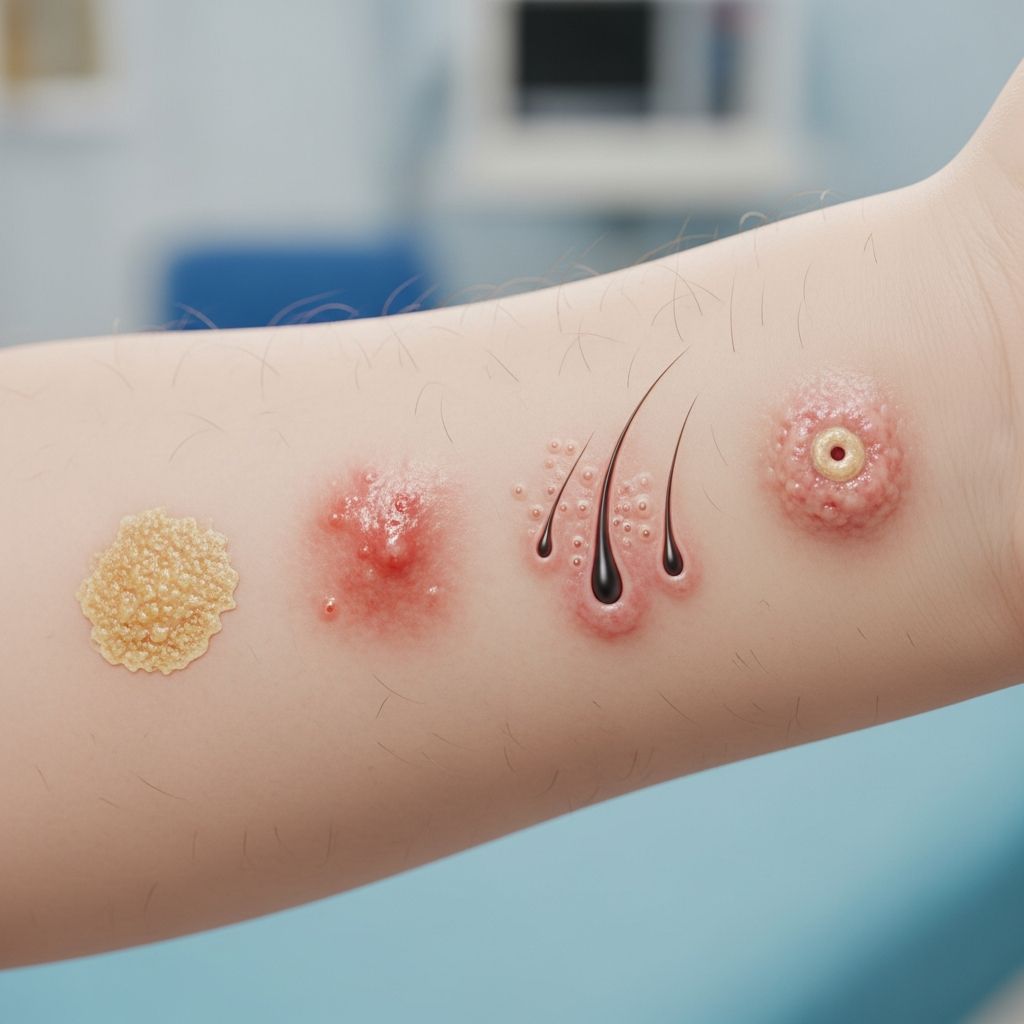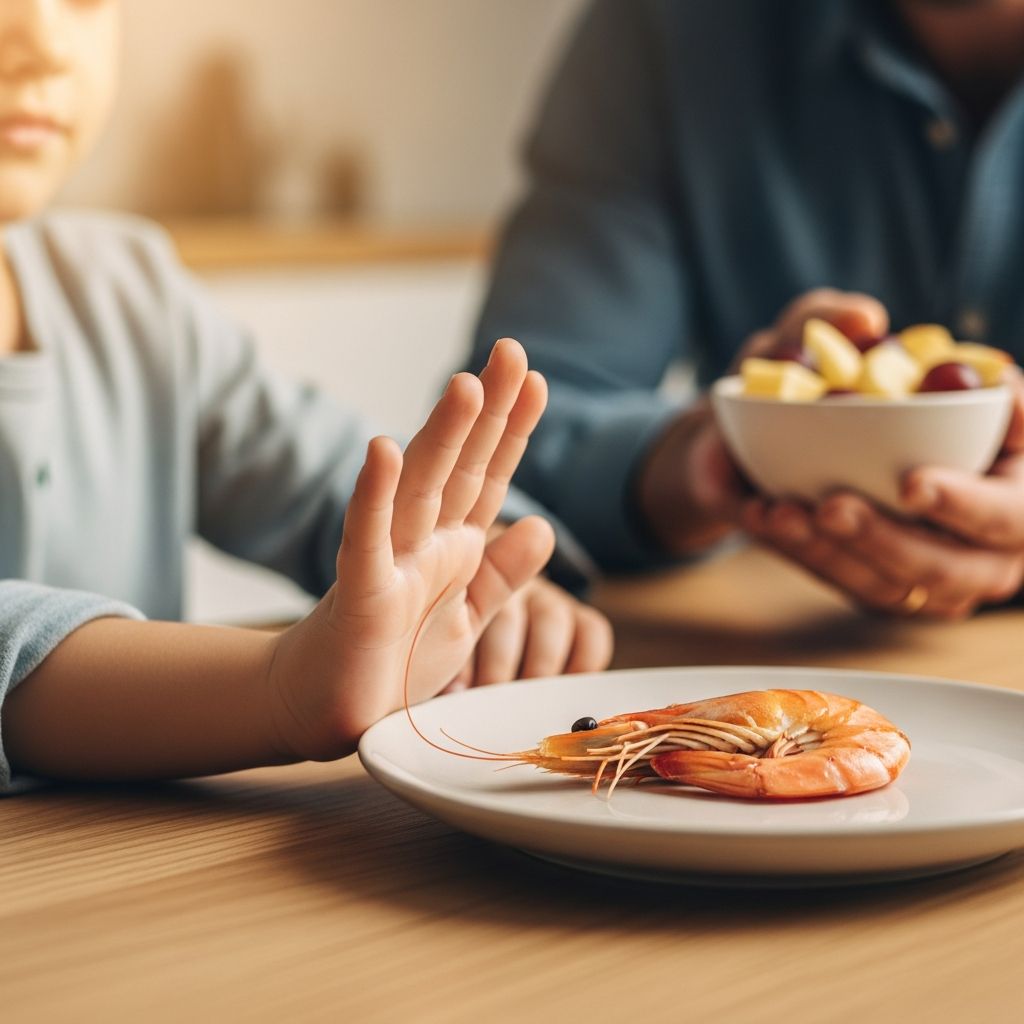
Shellfish allergies affect numerous children worldwide, often emerging in early childhood and persisting lifelong, making it vital for parents to understand this condition thoroughly. This guide explores symptoms, underlying mechanisms, diagnostic approaches, emergency responses, and practical strategies for safe living with allergic kids.
Understanding What Triggers Shellfish Reactions in Kids
Shellfish encompass two main groups: crustaceans like shrimp, crab, lobster, and crayfish, and mollusks including clams, mussels, oysters, scallops, squid, and octopus. Children may react to one or both categories due to specific proteins, notably tropomyosin, which the immune system misidentifies as dangerous.
The immune overreaction involves IgE antibodies that prompt histamine release upon exposure, sparking allergic symptoms. Genetics heighten risk if family members have allergies, and reactions can arise from ingestion, inhalation of cooking vapors, or skin contact.
- Crustacean shellfish: Shrimp, prawns, crab, lobster—most common triggers.
- Mollusks: Clams, oysters, mussels—less frequent but still risky.
- Cross-reactivity: Allergy to one crustacean often means avoiding all due to similar proteins.
Common Warning Signs and Symptoms in Young Ones
Reactions typically begin minutes to an hour post-exposure, varying from mild discomfort to severe emergencies. Parents must spot early cues, especially since kids may not articulate sensations clearly.
| Symptom Category | Examples in Children | Severity Level |
|---|---|---|
| Skin Reactions | Hives, redness, itching, eczema flare-ups | Mild to Moderate |
| Digestive Distress | Nausea, vomiting, belly pain, diarrhea | Moderate |
| Respiratory Issues | Nasal congestion, sneezing, wheezing, cough | Moderate to Severe |
| Swelling (Angioedema) | Lips, tongue, face, throat puffiness | Severe |
| Anaphylaxis | Breathing difficulty, blood pressure drop, dizziness, fainting | Life-Threatening |
Skin symptoms like hives appear rapidly, while gastrointestinal woes often follow meals. Respiratory signs demand urgency, as throat swelling can obstruct airways. Anaphylaxis, marked by multi-system involvement, affects up to 30% of shellfish-allergic kids and requires immediate action.
Why Do Children Develop This Allergy?
The root lies in an aberrant immune response where harmless shellfish proteins are deemed threats. Upon first exposure, the body produces IgE antibodies; subsequent encounters trigger massive chemical releases like histamine, leukotrienes, and prostaglandins, causing inflammation.
Factors boosting susceptibility include:
- Family allergy history—increasing odds significantly.
- Other allergies like dust mites or cockroaches, sharing tropomyosin.
- Age—rare under 6 months, peaks in school-age kids.
- Geographic prevalence—higher in coastal Asia-Pacific regions due to diet.
Diagnosing Shellfish Sensitivity Accurately
Suspected allergies warrant allergist consultation. Diagnosis blends history, physical exams, and tests:
- Skin Prick Testing: Drops of shellfish extracts pricked into skin; wheal formation indicates positivity (highly sensitive).
- Blood Tests: Measure specific IgE levels to shellfish proteins.
- Food Challenges: Supervised gradual feeding if tests equivocal—gold standard but risky.
[10]
Accurate diagnosis prevents unnecessary restrictions while confirming true allergies, as false positives occur.
Immediate Response to Allergic Episodes
For mild reactions (hives, itchiness), antihistamines like diphenhydramine offer relief. Severe cases, especially anaphylaxis, demand epinephrine auto-injectors (EpiPen, Auvi-Q)—first-line treatment reversing airway constriction and shock.
Post-injection protocol:
- Call emergency services immediately—even if symptoms ease.
- Position child comfortably; monitor vitals.
- Follow with antihistamines, corticosteroids if prescribed.
Parents must train on device use and ensure kids carry two doses always.[10]
Long-Term Control and Avoidance Strategies
No cure exists; strict avoidance is cornerstone. Educate on hidden sources:
- Processed Foods: Check labels for shrimp in sauces, fish stock, imitation crab.
- Dining Out: Inform servers; beware cross-contamination from shared grills/fryers.
- Home Cooking: Separate utensils, cutting boards; ventilate to avoid steam inhalation.
Label reading tips:
| Term to Watch | Potential Risk |
|---|---|
| Shrimp | Direct allergen |
| Crab extract | Flavoring agent |
| Oyster sauce | Common Asian ingredient |
| Surimi | Crab/lobster substitute |
Navigating School and Social Life Safely
Collaborate with schools via allergy action plans detailing symptoms, treatments, staff training. Provide epinephrine; host nut-free events or safe snacks.
- Teach kids self-advocacy: “I can’t eat shellfish.”
- Pack safe lunches; verify party foods.
- Travel prep: Carry meds, research international labels.
Emerging Treatments and Future Outlook
Oral immunotherapy builds tolerance gradually under supervision, though not standard for shellfish yet. Anti-IgE drugs like omalizumab aid desensitization. Research advances promise options beyond avoidance.
Parents should follow allergist updates; vaccines unrelated to allergies.
Frequently Asked Questions About Shellfish Allergy in Kids
Can children outgrow shellfish allergy?
Rarely; unlike milk/egg allergies, shellfish ones endure lifelong in most cases. Annual re-testing advised.
Is anaphylaxis inevitable?
No, but 30-50% of allergic kids experience it eventually. Prevention via avoidance key.
What if my child reacts to shellfish fumes?
Possible; stay distant during cooking. Epinephrine for severe responses.
How to handle restaurant dining?
Alert staff early, request no shellfish prep nearby, opt for simple dishes.
Does dust mite allergy relate?
Yes, cross-reactivity via tropomyosin; common in sensitized kids.
References
- Shellfish Allergy: Symptoms, Causes, And Treatments — McGovern Allergy & Asthma Clinic. 2023. https://mcgovernallergy.com/shellfish-allergy/
- Shellfish Allergy Symptoms and Treatment — Food Allergy Institute. 2024. https://foodallergyinstitute.com/severe-food-allergies/shellfish-allergy-symptoms-and-treatment
- What you need to know about shellfish allergy diagnosis, treatment — UC Davis Health. 2022-10-26. https://health.ucdavis.edu/news/headlines/what-you-need-to-know-about-shellfish-allergy-diagnosis-treatment/2022/10
- Shellfish Allergies: Symptoms and Treatments — Healthline. 2023. https://www.healthline.com/health/allergies/shellfish
- Shellfish allergy – Symptoms and causes — Mayo Clinic. 2024-01-12. https://www.mayoclinic.org/diseases-conditions/shellfish-allergy/symptoms-causes/syc-20377503
- Overcoming Shellfish Allergy: How Far Have We Come? — PMC – NIH. 2020-04-06. https://pmc.ncbi.nlm.nih.gov/articles/PMC7139905/
- Shellfish Allergy: Causes, Symptoms, Diagnosis & Treatment — Cleveland Clinic. 2023. https://my.clevelandclinic.org/health/diseases/11319-allergies-shellfish