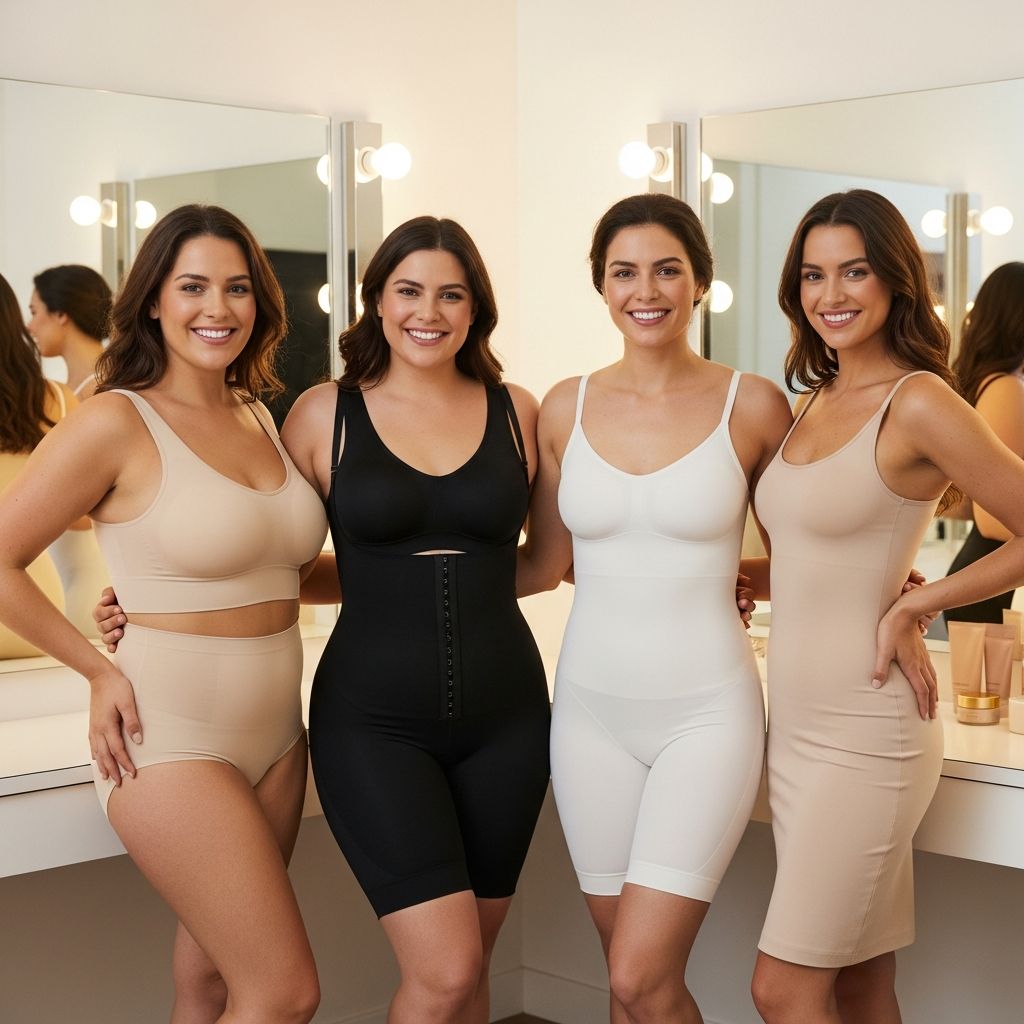
Shapewear and slimming undergarments promise smoother lines, a more defined silhouette, and that subtle boost of confidence when a favorite outfit suddenly fits just a little better. Yet anyone who has done the awkward shimmy-dance into a pair of ultra-tight shorts knows there is a fine line between “supportive” and “why is my spleen in my throat?” This guide explores how to enjoy the benefits of shapewear without sacrificing comfort, health, or self-respect.
What Shapewear Really Does (and Doesn’t)
Shapewear does not change your body; it redistributes and smooths it. Think of it as very firm tailoring built into a garment that lives under your clothes. It can lift, compress, and contour, but once it comes off, your body is exactly as it was before. That distinction matters, because it keeps expectations realistic and prevents disappointment when a single garment doesn’t deliver an overnight transformation.
Most modern shapewear uses high-stretch synthetic fabrics combined with strategic paneling. Different zones offer different levels of compression, targeting areas like the lower stomach, waist, hips, and thighs. The result is less about making you smaller and more about reducing visible lines, smoothing bulges, and helping clothes drape more cleanly over your frame.
- Shapewear smooths and supports; it does not permanently slim.
- It can improve how clothes hang, especially clingy or thin fabrics.
- The right piece should feel snug but still allow deep breathing and full movement.
Common Types of Slimming Undergarments
Walk into any lingerie aisle and it can feel like an alphabet soup of shorts, slips, bodysuits, and tanks. Understanding your options makes it easier to pick a piece that works with your wardrobe instead of against it.
| Type | Coverage | Best For | Watch Out For |
|---|---|---|---|
| High-waist shorts | Waist to mid-thigh | Bodycon dresses, pencil skirts, clingy pants | Rolling waistbands, thigh chafing if too short |
| Shaping briefs | Lower tummy and bum | Everyday wear under jeans, work trousers | Digging elastic at leg openings |
| Bodysuits | Bust to bum (sometimes thighs) | Streamlined look under dresses and jumpsuits | Bathroom logistics, torso length issues |
| Camis and tanks | Bust to hips | Smoothing bra lines and upper tummy | Riding up if too short or too tight |
| Shaping slips | Bust/underbust to mid-thigh | Under sheer or clingy dresses | Static cling, straps showing with tricky necklines |
Each style has strengths. Shorts are great for thigh smoothing and preventing chafing, while bodysuits eliminate the dreaded gap between bra and waistband. Slips work well for dresses that cling to everything, and shaping briefs offer a small smoothing effect with minimal fuss.
Choosing Your Level of Control
Not all shapewear is meant to feel like a corset from a historical drama. Brands usually describe their pieces using terms like light, medium, firm, or extra-firm control. Understanding what those actually feel like helps you make better choices for real life, not just for special events.
- Light control: Feels like a slightly snug layering piece. Ideal for smoothing minor lines under T-shirts, thin sweaters, and day dresses. Comfortable for all-day wear.
- Medium control: Noticeably smoothing with gentle shaping at the waist or hips. Good for office outfits, date nights, and occasions when you want a bit more structure without full-on compression.
- Firm control: You will feel this. It sculpts and holds, often with reinforced panels. Best for special occasions or short stretches of time when you want maximum contouring.
- Extra-firm control: Specialized garments designed for major shaping. These can be difficult to put on and may not be comfortable for extended wear.
As a general guideline, light to medium control works better for your daily wardrobe, reserving firm styles for specific outfits or events. If breathing deeply or sitting comfortably becomes a challenge, the garment is too tight or too intense for the situation.
Comfort First: How to Get the Fit Right
The most common shapewear mistake is buying a smaller size in the hope of more dramatic slimming. In reality, sizing down can create bulges, rolling waistbands, and discomfort that undermines any confidence boost. A well-fitting piece should hug your curves, not punish them.
Use your current measurements, not your aspirational ones, when checking size charts. If you are between sizes, many people have more success sizing up rather than down for shorts and bodysuits. Paying attention to fabric composition helps too; garments with higher elastane content usually feel stretchier but may also feel warmer.
- Measure your waist, hips, and sometimes bust, then compare to the brand’s chart.
- Test fit by sitting, bending, and walking; nothing should pinch, roll, or cut into skin.
- Check that seams and panels lie flat against the body without creating ridges.
Health Considerations You Shouldn’t Ignore
Shapewear is safe for most people when worn in moderation and in the correct size, but overly tight pieces can cause issues. Prolonged compression may contribute to numbness, tingling, or discomfort in the legs and lower abdomen, especially if you sit for long periods. People with existing circulation problems, nerve conditions, or digestive issues should be particularly cautious and may want to talk to a healthcare professional before using firm-control garments.
Listen carefully to the signals your body sends. If you experience aching, breathing difficulties, heartburn, or unusual pressure, it is time to take the garment off. Skin irritation can also occur, especially in hot weather or with fabrics that do not breathe well. Choosing moisture-wicking materials and avoiding all-day wear in extreme heat can help reduce these problems.
- Avoid sleeping in high-compression shapewear.
- Take breaks during long events, especially if you are standing or sitting in one position.
- Seek medical advice if you have varicose veins, nerve issues, or chronic digestive problems and still want to wear tight undergarments.
Shapewear and Body Image: A Balanced Perspective
There is an ongoing debate about whether shapewear empowers or pressures people. Both perspectives can be true, depending on why and how it is used. When worn as a tool that helps you feel more polished in a particular outfit, it can boost confidence and encourage you to enjoy your clothes instead of dreading them.
Problems arise when shapewear becomes a requirement for feeling acceptable in public or when it is used to hide perceived “flaws” rather than simply styling a look. The goal is not to shrink into someone else’s idea of perfection but to feel more at ease in the body you already live in. You can enjoy a smoothing garment and still work on accepting softness, curves, and natural body changes.
- Treat shapewear as optional styling, not a mandatory part of getting dressed.
- Allow yourself days without any compression garments to reconnect with your natural shape.
- Notice whether you feel more powerful and comfortable, or more anxious and self-critical, while wearing it.
When to Wear Shapewear (and When to Skip It)
Not every outfit calls for control wear. Knowing when it will actually enhance your look can prevent you from defaulting to uncomfortable layers out of habit. Certain fabrics, such as thin knits or clingy jersey, benefit more from a smoothing layer than structured denim or thick wool.
You might choose shapewear for big events—weddings, photo shoots, formal parties—or for clothes that otherwise make you self-conscious. On the other hand, casual days, errands, or long travel are often better served by breathable, non-compressive undergarments. Your comfort and ability to move freely are worth prioritizing.
- Opt in: special occasions, tight dresses, or outfits made from very thin or clingy fabrics.
- Opt out: long flights, physically demanding days, hot weather, or when you already feel bloated or uncomfortable.
Practical Styling Tips for Real Bodies
The right pairing of shapewear and clothing can make a noticeable difference. For example, high-waist shorts that end mid-thigh work well under pencil skirts and bodycon dresses because they reduce visible seam lines and provide both tummy and thigh smoothing. Shaping briefs tend to pair well with jeans and high-waist trousers because they prevent waistband spillage without adding bulk to the legs.
If you are wearing a dress with cut-outs, a low back, or a tricky neckline, consider mix-and-match options instead of one full bodysuit. Sometimes a shaping brief plus a separate, low-cut bra or bandeau gives the look you want with far fewer bathroom acrobatics. Nude tones close to your actual skin color are the most versatile under light or semi-sheer fabrics, while black or deeper tones disappear under dark clothes.
- Match the leg line of your shapewear to the leg line of your outfit to avoid visible edges.
- Try the full outfit on at home first, including shoes, and move around to check for rolling and shifting.
- Use anti-static spray or a slip if your dress clings to your shapewear fabric.
Care, Cleaning, and Longevity
Because shapewear relies on elasticity, how you wash and store it can dramatically affect how long it keeps its shape. High heat from dryers can break down stretch fibers quickly, leaving you with a garment that bags out at the knees or waist after a few wears. Gentle handling, on the other hand, can extend the useful life of a piece.
Most manufacturers recommend hand-washing or using a delicate machine cycle with cool water and mild detergent. Air-drying is usually best. Rotating between a few pieces, instead of wearing the same one every day, also helps the fabric recover and retain its compression.
- Wash after a few wears, or more often in hot weather or after sweating.
- Avoid fabric softener, which can coat and weaken elastic fibers.
- Store flat or gently folded; avoid stretching garments over hangers.
FAQs About Shapewear and Slimming Undergarments
Is it okay to wear shapewear every day?
Light to medium-control pieces that fit well are usually fine for regular wear for many people. However, your body needs freedom of movement and good circulation, so mixing shapewear days with non-compression days is a wise approach, particularly if you tend to sit for long periods.
Can shapewear actually help me lose weight?
No. Shapewear is a cosmetic garment, not a weight-loss tool. It may make you more aware of posture or encourage you to stand taller, but it does not burn calories or shrink fat cells. Any long-term changes to body composition come from nutrition, movement, sleep, and other health habits.
What is the best shapewear for a first-time wearer?
Start with light or medium-control styles, such as a shaping brief or a simple high-waist short. These options are easier to put on, more breathable, and less likely to feel overwhelming. Once you know how your body responds, you can decide whether you want to experiment with firmer garments.
How do I know if my shapewear is too tight?
If you struggle to pull it on even when it is fully unrolled, cannot sit comfortably, notice red marks that last long after removal, or feel tingling, numbness, or shortness of breath, it is too tight. A supportive piece will feel snug but not painful or restrictive.
Will shapewear show under my clothes?
That depends on the cut of your clothing and the design of the garment. Seamless styles and pieces that end at natural transition points—like just under the bust or mid-thigh—tend to be less visible. Always do a mirror check in natural light and move around to spot any lines or edges that might show.
Final Thoughts: Dress for Your Life, Not the Label
Shapewear can be a helpful part of a modern wardrobe when it serves your life rather than dictating it. The most empowering approach is to treat these garments as options in your style toolkit—much like a good bra, a favorite blazer, or the perfect pair of shoes—not as a requirement for being seen or photographed.
When you choose pieces that respect both your body and your comfort, you are far more likely to forget about what is happening underneath your clothes and focus on what you are actually doing in them. That, ultimately, is the point: clothing should support your experiences, not overshadow them.