Cerebral palsy represents a group of neurological conditions stemming from early brain damage, often impacting movement, posture, and coordination. Shannon’s experience exemplifies how timely interventions and supportive environments can transform challenges into triumphs.
Understanding the Roots of Hemiplegic Cerebral Palsy
Hemiplegic cerebral palsy affects one side of the body, typically resulting from events like strokes during fetal development. In Shannon’s case, a prenatal stroke led to right-side hemiplegia, manifesting in muscle weakness and coordination difficulties that went unnoticed until she was two years old.
Early signs can be subtle, such as delayed motor skills or asymmetrical movements. Parents might observe a child favoring one side or struggling with grip strength. According to medical experts, cerebral palsy arises from non-progressive brain disruptions before, during, or shortly after birth, with strokes accounting for a significant portion in utero cases.
- Common causes: Prenatal strokes, oxygen deprivation, infections.
- Prevalence: Affects about 1 in 345 children in the U.S., per recent health data.
- Types: Spastic (stiff muscles), dyskinetic (involuntary movements), ataxic (balance issues), with hemiplegic falling under spastic.
Navigating Delayed Diagnosis and Initial Challenges
Diagnosis often occurs between 12-24 months when motor delays become evident. For Shannon, reaching this milestone at age two marked the beginning of a structured care journey. Initial assessments involve neurological exams, imaging like MRIs, and developmental screenings to pinpoint brain abnormalities.
Families face emotional hurdles, including uncertainty and adjustment to therapies. Shannon’s parents sought specialized care, leading them to Shriners Children’s Philadelphia when she was eight. This facility specializes in orthopedic and rehabilitative services for children with complex conditions.
| Diagnostic Stage | Typical Timeline | Key Assessments |
|---|---|---|
| Initial Suspicion | 6-12 months | Motor milestone checks, parental reports |
| Confirmation | 12-24 months | MRI, EEG, physical exams |
| Ongoing Monitoring | Throughout childhood | Therapy progress, genetic tests if needed |
Transformative Care at Specialized Pediatric Centers
Shriners Children’s stands out for its holistic approach, providing multidisciplinary teams including orthopedists, physical therapists, and psychologists. Shannon recalls the vibrant, child-friendly atmosphere—colorful spaces filled with toys and peer interactions—that eased her hospital visits.
Transportation support from Shriners International alleviated logistical burdens for families traveling far, like Shannon’s 2.5-hour commute. This mission-driven model ensures access regardless of financial status, emphasizing family-centered care.
During a snowstorm post-surgery, staff extended their stay, prioritizing safety—a small gesture underscoring their commitment. Such environments foster trust and compliance in young patients.
Surgical Interventions That Changed Everything
Shannon underwent two pivotal surgeries. At third grade, wrist surgery improved rotation and grip, transforming her from barely holding objects to functional hand use. The fourth-grade leg surgery addressed halted growth in her right leg, which caused toe-walking and limping. Post-op braces restored alignment and gait.
These procedures, common in cerebral palsy management, involve tendon releases, osteotomies, or lengthening to optimize biomechanics. Recovery includes intensive physical therapy to build strength and prevent contractures.
- Wrist surgery benefits: Enhanced pronation/supination, better fine motor skills.
- Leg surgery outcomes: Improved stride length, reduced pain, normalized growth.
- Customization: Braces with color/pattern options empowered Shannon’s autonomy.
Empowerment Through Adaptive Technologies and Therapies
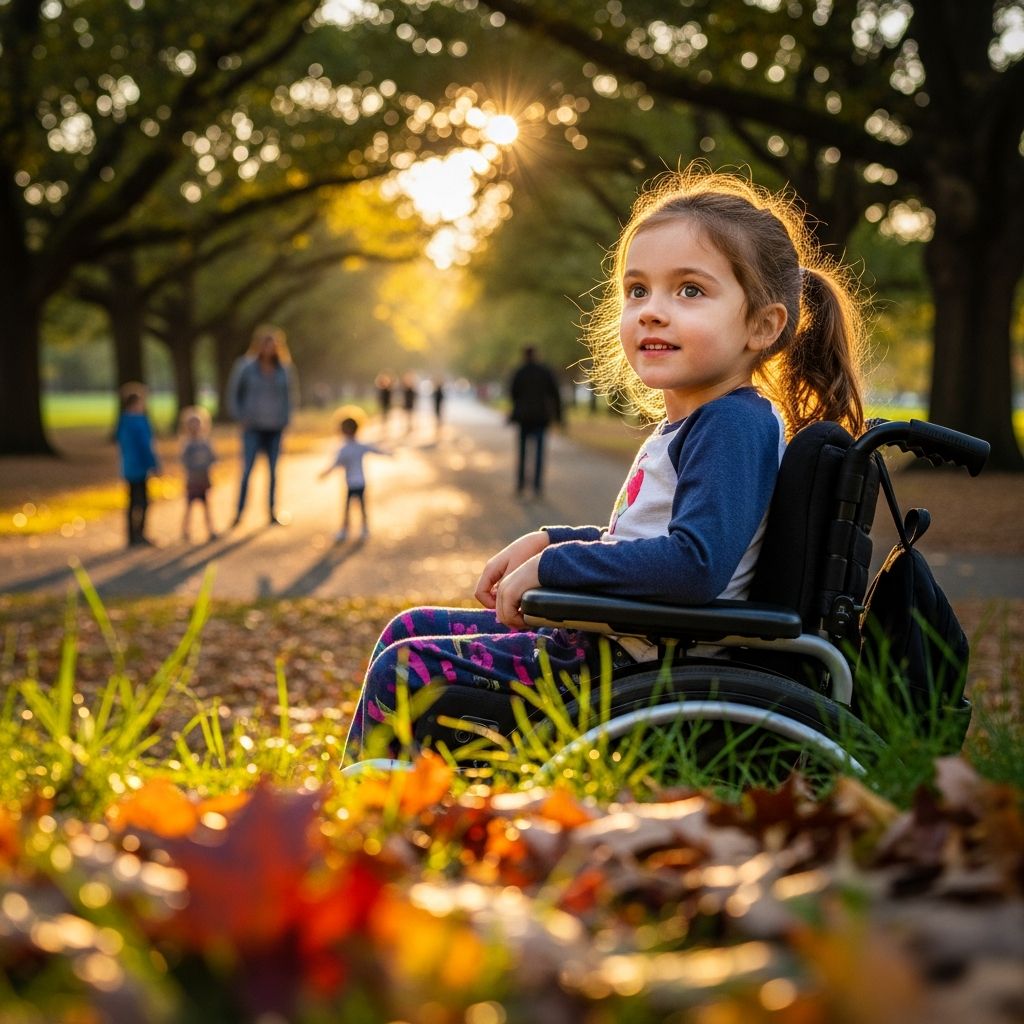
Beyond surgery, assistive devices play crucial roles. While Shannon’s story highlights braces, others with severe cerebral palsy benefit from wheelchairs and communication aids, granting independence and expression.
Physical, occupational, and speech therapies are cornerstones. Weekly sessions build endurance, coordination, and daily living skills. Shannon’s care enabled pursuits like aerial acrobatics—a demanding sport requiring grip and balance she once lacked.
Patient autonomy matters: choices in brace designs boost engagement and self-esteem, as Shannon notes. Programs at centers like Shriners integrate play-based therapy to make rehabilitation enjoyable.
From Patient to Advocate: Shaping a Career in Social Work
Now a University of Pennsylvania master’s student in social work, Shannon draws directly from her experiences. Shriners’ compassionate model inspires her to “pay it forward,” advocating for child-centered medical environments.
Her journey illustrates long-term impacts: early interventions yield adults who contribute meaningfully. Cerebral palsy doesn’t define limits; with support, individuals pursue higher education and careers.
Living Fully: Pursuits and Personal Growth
Aerial acrobatics exemplifies Shannon’s vitality. This hobby demands upper-body strength and precise movements—achievements rooted in surgical and therapeutic gains. Shriners supports such passions, adapting care to align with patients’ interests.
Resilience shines through: Shannon overcame physical barriers, turning potential obstacles into motivators. Her story encourages families facing similar diagnoses.
Family Roles and Support Systems
Parental involvement is vital. Shannon’s family navigated appointments, therapies, and emotional shifts. Specialized centers offer respite through comprehensive services, reducing caregiver burnout.
Community resources, peer support groups, and financial aid programs further bolster families. Education on cerebral palsy equips parents to advocate effectively.
Future Horizons in Cerebral Palsy Management
Advancements like robotics, stem cell research, and AI-driven therapies promise enhanced outcomes. Yet, personalized care remains key. Stories like Shannon’s highlight the power of integrated, compassionate systems.
Frequently Asked Questions (FAQs)
What is hemiplegic cerebral palsy?
A form affecting one body side, often from early brain injury like strokes, causing weakness and spasticity.
How is cerebral palsy diagnosed in toddlers?
Through developmental assessments, imaging, and ruling out other conditions, typically by age 2.
What surgeries help children with CP?
Tendon transfers, bone realignments, and lengthening to improve mobility and function.
Can kids with cerebral palsy do sports?
Yes, with adaptive equipment and therapy; examples include aerial arts and swimming.
How do centers like Shriners support families?
Via transport, holistic care, financial aid, and family-inclusive environments.
References
- Cerebral Palsy — Paley Orthopedic & Spine Institute. 2023. https://paleyinstitute.org/cerebral-palsy/
- From Patient to Social Worker: Shannon’s Story of Paying It Forward — Shriners Children’s. 2025-12-01. https://www.shrinerschildrens.org/en/news-and-media/patient-stories/2025/12/shannon-cerebral-palsy-care
- Cerebral Palsy: Shannon’s Story (Video) — Rady Children’s Health. Accessed 2026. https://www.rchsd.org/health-article/cerebral-palsy-shannons-story-video/
- Cerebral Palsy: Shannon’s Story (Video) (for Parents) — KidsHealth. Accessed 2026. https://kidshealth.org/Advocate/en/parents/cpshannons-story.html