Heel pain in children can be alarming, especially when it appears suddenly in an active child who loves sports or outdoor play. Sever’s disease, also called calcaneal apophysitis, is one of the most common causes of heel pain in growing kids and early teens. It is not a dangerous condition, but it can be very uncomfortable and may limit a child’s ability to run, jump, and participate in activities they enjoy.
This guide explains Sever’s disease in clear language, including why it happens, how it is diagnosed, and what parents can do at home and with medical support to help their child heal and stay active safely.
What Is Sever’s Disease?
Sever’s disease is an overuse injury that affects the growth plate at the back of the heel bone in children and adolescents who are still growing. The term “disease” is a bit misleading; it is not an infection or a long-term joint disease, but rather an irritation and inflammation of a growing area of bone.
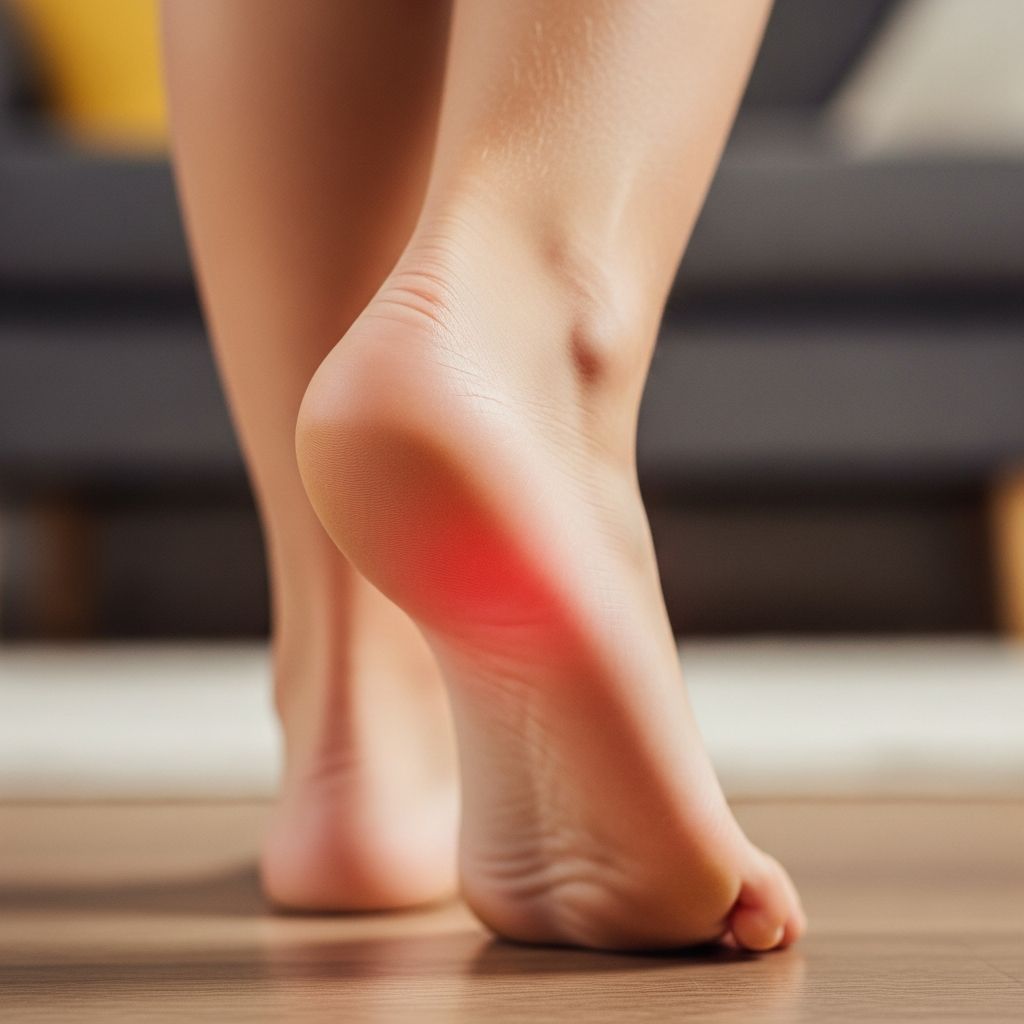
The heel bone (called the calcaneus) has a growth plate near its back where new bone is forming during childhood. In Sever’s disease, this growth plate becomes irritated because of repeated pulling and stress from the Achilles tendon and impact from weight-bearing activities like running and jumping.
- Most commonly affects children roughly between the ages of 8 and 14 who are still growing.
- Frequently seen in kids who play high-impact sports such as soccer, basketball, gymnastics, track, or dance.
- Can involve one heel or both heels at the same time.
Once growth of the heel bone is complete, Sever’s disease does not occur, which is why this condition is rarely seen in older teenagers or adults.
Why Sever’s Disease Happens
To understand why Sever’s disease develops, it helps to picture what is happening at the back of the heel. The calf muscles in the lower leg join into the Achilles tendon, which attaches to the back of the heel bone at the growth plate. When a child runs or jumps, the calf muscles contract, pulling on this tendon and, in turn, on the growth plate.
During growth spurts, bones may lengthen more quickly than the muscles and tendons can stretch. This can leave the Achilles tendon relatively tight, increasing the tension where it attaches to the heel. When this tight tendon repeatedly tugs on a still-developing growth plate, small amounts of stress and irritation can build up, leading to pain and inflammation.
Common Risk Factors
- Rapid growth spurts: Periods when a child suddenly gets taller in a short time can increase strain on the heel.
- High-impact sports: Activities that involve repetitive running, sprinting, or jumping put extra pressure on the heel.
- Hard playing surfaces: Training or playing on concrete or other hard ground increases impact with every step.
- Poor or worn-out footwear: Shoes without cushioning or proper support do not absorb shock well.
- Tight calf muscles: Less flexibility in the lower leg can lead to extra pulling on the Achilles tendon.
- Higher body weight: Extra weight adds more force through the feet with each step and jump.
Recognizing Symptoms in Your Child
Parents often first notice Sever’s disease when a child begins complaining of heel pain after sports or physical education class. Sometimes the child may try to avoid running or may limp after practice. Symptoms can range from mild soreness to sharp pain that makes it difficult to put weight on the heel.
Typical Symptoms
- Heel pain at the back or bottom of the heel, usually just in front of where the Achilles tendon attaches.
- Pain that worsens with physical activity such as running, jumping, or climbing stairs.
- Discomfort that may ease with rest but return when activity starts again.
- Tenderness when the heel is squeezed from both sides.
- Mild swelling or warmth around the back of the heel.
- Limping, walking on toes, or avoiding putting weight on the heel in severe cases.
Symptoms may affect one foot or both. Pain can appear gradually over days or weeks, or more suddenly after a period of intense training or a growth spurt.
How Doctors Diagnose Sever’s Disease
There is no single blood test or scan that alone “proves” Sever’s disease. Diagnosis is usually based on a combination of the child’s age, activity level, symptoms, and a simple physical examination.
What to Expect at the Appointment
- Medical history: The clinician will ask about when the pain started, what activities worsen it, sports played, recent growth, and whether one or both heels are affected.
- Physical exam: The heel is gently pressed and squeezed to locate the most painful area, and the Achilles tendon is checked for tightness. The provider may watch the child walk or run.
- Range of motion tests: The child may be asked to stand on tiptoe or perform stretches to check calf and ankle flexibility.
In many children, these steps are enough to make a diagnosis. X-rays or other imaging may be ordered if the doctor wants to rule out other causes of heel pain, such as a fracture, infection, or less common bone conditions. However, imaging is often normal in Sever’s disease and is not always necessary.
Conditions That Can Look Similar
Not all heel pain in children is Sever’s disease, so it is important not to assume the diagnosis without an evaluation, especially if symptoms are severe, sudden, or accompanied by fever or general illness. Other possibilities include stress fractures, tendonitis, bruising of the heel bone, or inflammatory conditions.
Because some of these problems need different treatment, persistent or intense heel pain should always be checked by a health professional.
Quick Comparison Table
| Feature | Sever’s Disease | Stress Fracture of Heel |
|---|---|---|
| Typical Age Group | Growing children and early teens with open growth plates | Older teens and adults, often with high training loads |
| Pain Onset | Gradual, usually linked to sports and growth spurts | May be gradual or follow a sudden increase in activity |
| Pain Location | Back of heel at growth plate, often tender to side squeeze | Deeper in heel bone, worse with direct pressure from below |
| Imaging Findings | Often normal or only subtle changes | May show a visible fracture line on imaging |
| Typical Treatment | Activity modification, stretching, shoe support | More strict rest or immobilization, sometimes crutches |
Treatment Goals and General Approach
The main goals of treating Sever’s disease are to reduce pain, protect the irritated growth plate, and keep the child as active as is safely possible. Treatment almost always begins with simple, non-surgical steps and focuses on managing symptoms while the heel continues to grow and mature.
Because Sever’s disease stems from stress on a growing structure, it usually improves as growth slows and the growth plate closes. With the right management, most children are able to return to their usual sports and activities without long-term problems.
Key Principles of Management
- Reduce the intensity and frequency of painful activities until symptoms improve.
- Improve flexibility and strength in the calf and foot muscles to reduce strain on the heel.
- Use supportive shoes and cushioning to absorb impact and protect the growth plate.
- Address training errors, such as sudden jumps in sports volume or intensity.
Home Care Strategies for Parents
Many aspects of managing Sever’s disease can be done at home with guidance from a healthcare professional. These strategies focus on rest, stretching, support, and pain relief, particularly during flare-ups.
Activity and Rest
- Temporarily reduce or stop high-impact sports (running, jumping, competitive games) that clearly trigger pain.
- Encourage lower-impact activities such as swimming or cycling while the heel recovers.
- Allow short periods of activity as long as pain remains mild and does not worsen afterward.
- If the child is limping or unable to participate without significant pain, rest from impact sports is essential.
Cold Therapy and Pain Relief
- Apply a cold pack wrapped in a cloth to the back of the heel for about 10–15 minutes after sports or at the end of the day.
- Do not place ice directly on the skin to avoid frostbite or irritation.
- Over-the-counter pain relief medicines may be recommended by a healthcare provider; always follow dosing instructions and age guidelines.
Footwear and Heel Support
- Choose shoes with good cushioning in the heel and a firm, supportive sole.
- Avoid flat, thin-soled shoes or worn-out sneakers with little padding.
- Heel cups, heel lifts, or cushioned insoles can reduce impact and relieve tension on the Achilles tendon.
- Discuss orthotic inserts with a healthcare professional if pain is persistent or if your child has flat feet or very high arches.
Stretching and Strengthening Exercises
Gentle stretching and strengthening can play a major role in easing pain and preventing future flare-ups. These exercises are typically introduced once the most intense pain has started to settle. A physical therapist or sports medicine professional can create a plan tailored to your child’s needs, but some common examples include:
Useful Stretching Exercises
- Wall calf stretch: The child stands facing a wall with one leg behind the other, the back knee straight and heel flat on the floor, then leans forward until a stretch is felt in the calf.
- Soleus stretch: Similar to the wall stretch, but with the back knee slightly bent to target deeper calf muscles and reduce tension on the heel.
- Towel stretch: Sitting with the leg straight, the child loops a towel around the ball of the foot and gently pulls back to stretch the calf and Achilles tendon.
Strengthening and Balance
- Calf raises from a flat surface, starting with both legs and progressing to one leg as tolerated.
- Exercises to strengthen the small muscles in the foot, such as picking up marbles or a towel with the toes.
- Balance activities, like standing on one leg, to improve control around the ankle and foot.
Exercises should be done without causing sharp pain in the heel. Mild pulling or discomfort during stretching is acceptable, but activities should be stopped if pain significantly increases.
When to Seek Further Medical Help
While many children improve with rest, footwear changes, and simple home treatments, some cases need more focused medical support. Parents should contact a healthcare professional if:
- Pain is severe, interferes with walking, or causes the child to avoid weight-bearing altogether.
- Symptoms do not begin to improve after several weeks of appropriate activity modification and home care.
- There is redness, warmth, or significant swelling that does not settle, or if the child has a fever.
- Heel pain follows a specific injury, fall, or impact.
- The child has heel pain along with other joint pain, morning stiffness, or general illness.
In more persistent cases, doctors may recommend a period of more complete rest, use of a walking boot, or referral to physical therapy. Surgery is very rarely needed for Sever’s disease.
Outlook: Will Sever’s Disease Come Back?
Sever’s disease is considered a self-limiting condition, which means it eventually resolves as the growth plate in the heel matures and closes. Pain may last for several weeks or a few months at a time, and it can reappear during later growth spurts or periods of intense sports activity.
With consistent management—especially activity modification, stretching, and proper footwear—most children recover fully and return to their usual sports without long-term heel problems. Ongoing attention to training habits and foot care can reduce the chances of future flare-ups.
Practical Prevention Tips for Active Kids
Although no strategy can guarantee that a child will never develop Sever’s disease, parents and coaches can reduce the risk and lessen the severity of symptoms with sensible training and footwear choices.
Everyday Prevention Strategies
- Encourage a gradual build-up of sports intensity and duration, rather than sudden spikes in training volume.
- Make sure your child warms up and stretches before sports and cools down afterward.
- Rotate activities so the same muscles and joints are not stressed every single day.
- Have your child wear supportive, well-fitted sports shoes that match the demands of their activity.
- Replace shoes when they become worn out, especially if the heel cushioning is flattened.
- Encourage regular calf and hamstring stretching to maintain flexibility through growth spurts.
Frequently Asked Questions (FAQs)
Is Sever’s disease a permanent condition?
No. Sever’s disease is tied to the presence of an open growth plate in the heel. Once the heel bone finishes growing and the growth plate closes in the mid-teen years, this specific problem does not recur. The pain can persist or recur over months to a few years while the child is still growing, but it does not typically lead to long-term damage.
Can my child keep playing sports with Sever’s disease?
Many children can continue some level of activity as long as pain remains mild and does not cause limping or altered movement. The key is to reduce high-impact activities that clearly trigger symptoms and to allow enough rest for the heel to recover. If your child cannot participate without significant pain, a temporary break from sports is usually recommended.
Does Sever’s disease affect both heels?
It can affect one heel or both. Some children have alternating episodes, where one side is painful and later the other side becomes sore. The underlying issue—stress at the heel growth plate in a rapidly growing child—can occur on either or both sides.
Are custom orthotics necessary?
Not all children with Sever’s disease need custom orthotic inserts. Many improve with simple heel cups or over-the-counter cushioned insoles. Custom devices may be recommended if the child has ongoing symptoms, significant foot alignment issues, or if basic measures have not helped enough.
When will my child feel better?
Improvement often begins within a few weeks of adjusting activity levels, using supportive shoes, and beginning stretching. However, full resolution can take longer, and symptoms may return during later growth spurts or intense sports seasons. Consistency with management strategies is important for long-term comfort.
Key Takeaways for Parents
- Sever’s disease is a common, temporary cause of heel pain in growing children, especially those who are very active.
- The condition results from stress and irritation of the heel’s growth plate due to repeated impact and tightness in the Achilles tendon.
- Most cases improve with rest from painful activities, stretching, better footwear, and simple pain-relief measures.
- Medical evaluation is important if pain is severe, persistent, or associated with other symptoms.
- With proper care and sensible training habits, children can usually return to their favourite activities without long-term problems.
By understanding what Sever’s disease is and how to manage it, parents can help their children stay active, safe, and supported through the rapid changes of growth and development.