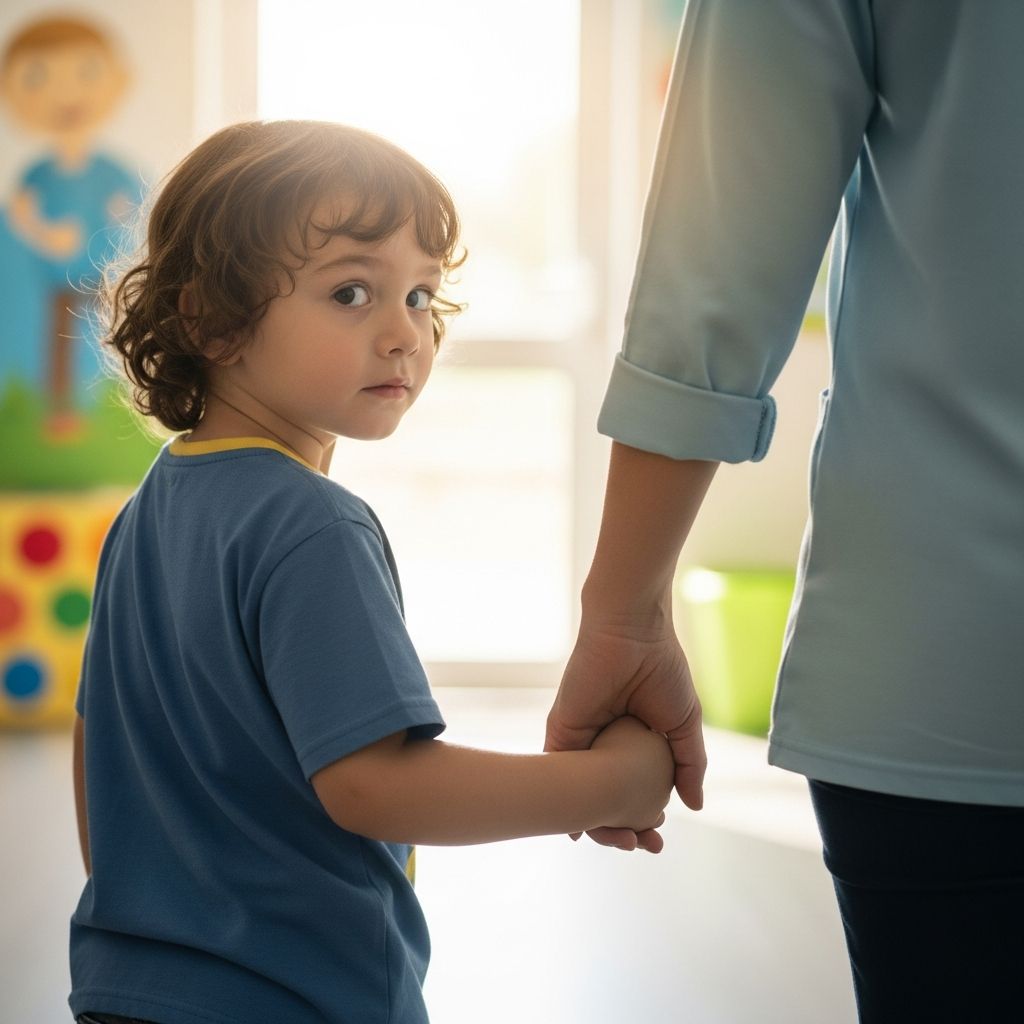
Separation anxiety is a normal developmental phase where children experience distress when apart from primary caregivers, often peaking between 8-18 months but persisting or reemerging in older kids during transitions like starting school.
Understanding the Roots of Separation Anxiety
Children feel secure when close to parents, viewing them as a safe base. When separated, fear of loss or harm triggers intense worry, manifesting as crying, clinging, or tantrums. This response stems from the child’s limited understanding of time and danger, making brief absences feel endless.
For toddlers, it’s tied to object permanence development; older children may face it due to stress like new schools or family changes. Recognizing it as a healthy attachment sign helps parents respond supportively rather than dismissively.
Age-Specific Manifestations and Responses
Anxiety varies by age. Infants cry upon parental exit, toddlers cling and protest loudly, while school-age kids might complain of stomachaches or refuse school. Tailor strategies accordingly:
- Infants (6-12 months): Short separations build tolerance; use familiar caregivers.
- Toddlers (1-3 years): Quick rituals and consistency reduce prolonged distress.
- Preschoolers (3-5 years): Role-play scenarios and transitional objects aid coping.
- School-age (6+ years): Address fears verbally, avoid avoidance to prevent escalation.
Core Strategies for Easing Daily Separations
Effective management involves preparation, consistency, and positive reinforcement. Key approaches include:
Gradual Exposure to Independence
Start with brief absences to desensitize children. Begin in low-stress settings like leaving them with grandparents for an hour, gradually extending time. This builds tolerance, proving returns are reliable.
For bedtime or playdates, sit nearby first, then step out briefly, increasing duration as comfort grows.
Establishing Reliable Goodbye Rituals
Short, predictable farewells signal transitions. A hug, kiss, and phrase like “I’ll see you after nap” provide security without lingering, which heightens anxiety.
Practice these rituals in advance during play to familiarize children, reinforcing parental return.
Maintaining Consistency and Specificity
Describe returns in child-friendly terms: “back after lunch” beats vague promises. Repeat routines daily to foster trust. Inconsistency erodes confidence.
Building Emotional Resilience in Children
Empower kids beyond rituals. Teach coping skills like deep breathing or positive self-talk.
Positive Reframing and Confidence Boosting
Reframe separations: “You’ll play with friends and I’ll pick you up for storytime.” Highlight strengths: “You’re brave and can handle this.” Avoid parental anxiety transmission; model calm.
Transitional Objects and Comfort Items
A favorite toy, photo, or jewelry piece symbolizes ongoing connection. For camp or school, pack a small item from home.
Preemptive Planning for Transitions
Visit new environments beforehand. Walk through routines: “We’ll hug, you’ll go to Miss Jen, play blocks, then I return.” Involve friends as motivators.
Collaborating with Schools and Caregivers
Inform teachers about anxiety for unified support. Share triggers and successful strategies. A consistent drop-off to a designated caregiver eases entry.
Parents and educators should communicate openly, ensuring the child bonds quickly with activities post-drop-off.
Addressing Persistent or Severe Cases
If anxiety disrupts daily life, like school refusal, seek professional help. Cognitive behavioral therapy (CBT) teaches anxiety management.
| Symptom | Home Strategy | When to Seek Help |
|---|---|---|
| Daily crying at drop-off | Quick ritual + gradual exposure | Persists >1 month |
| Physical complaints (e.g., stomachache) | Reframe + comfort object | Accompanied by avoidance |
| Nighttime fears | Bedtime practice separations | Interferes with sleep routinely |
Stick to therapy plans and model bravery.
Parental Self-Care and Mindset
Parenting through anxiety is taxing. Stay composed; reassure without accommodating avoidance, which hinders growth. Build your support network for respite.
Frequently Asked Questions (FAQs)
What if my child cries every drop-off?
Persist with short goodbyes and rituals. Most outgrow with consistency; comfort peaks first 10 minutes post-separation.
Is separation anxiety a sign of poor parenting?
No, it’s developmental. Responsive parenting aids resolution.
How long does it typically last?
Peaks at 18 months, fades by 3 years; stressors can revive it.
Should I sneak away?
No, honesty builds trust. Visible goodbyes prepare them better.[10]
Can older kids get it?
Yes, during changes like new schools. Use tolerance-building and planning.
Long-Term Benefits of Proactive Management
Navigating anxiety fosters resilience, independence, and secure attachments. Children learn to self-soothe, face challenges confidently, reducing future mental health risks.
References
- Older kids and separation anxiety: How it happens and what to do — Riley Children’s Health. Accessed 2026. https://www.rileychildrens.org/connections/older-kids-and-separation-anxiety-how-it-happens-and-what-to-do
- Navigating separation anxiety: 5 strategies to help children cope — Mount Nittany Health. Accessed 2026. https://mountnittany.org/news-stories/health-and-wellness/navigating-separation-anxiety/
- Helping Kids Cope with Separation Anxiety — Stanford Children’s Health. Accessed 2026. https://healthier.stanfordchildrens.org/en/helping-kids-cope-with-separation-anxiety/
- Easing Your Child’s Separation Anxiety — Kids Mental Health Foundation. Accessed 2026. https://www.kidsmentalhealthfoundation.org/mental-health-resources/anxiety/easing-separation-anxiety
- Separation Anxiety Disorder in Children — Nationwide Children’s Hospital. Accessed 2026. https://www.nationwidechildrens.org/conditions/health-library/separation-anxiety-disorder-in-children
- How to Ease Your Child’s Separation Anxiety — American Academy of Pediatrics (HealthyChildren.org). Accessed 2026. https://www.healthychildren.org/English/ages-stages/toddler/Pages/Soothing-Your-Childs-Separation-Anxiety.aspx
- Separation anxiety disorder – Diagnosis and treatment — Mayo Clinic. Accessed 2026. https://www.mayoclinic.org/diseases-conditions/separation-anxiety-disorder/diagnosis-treatment/drc-20377457