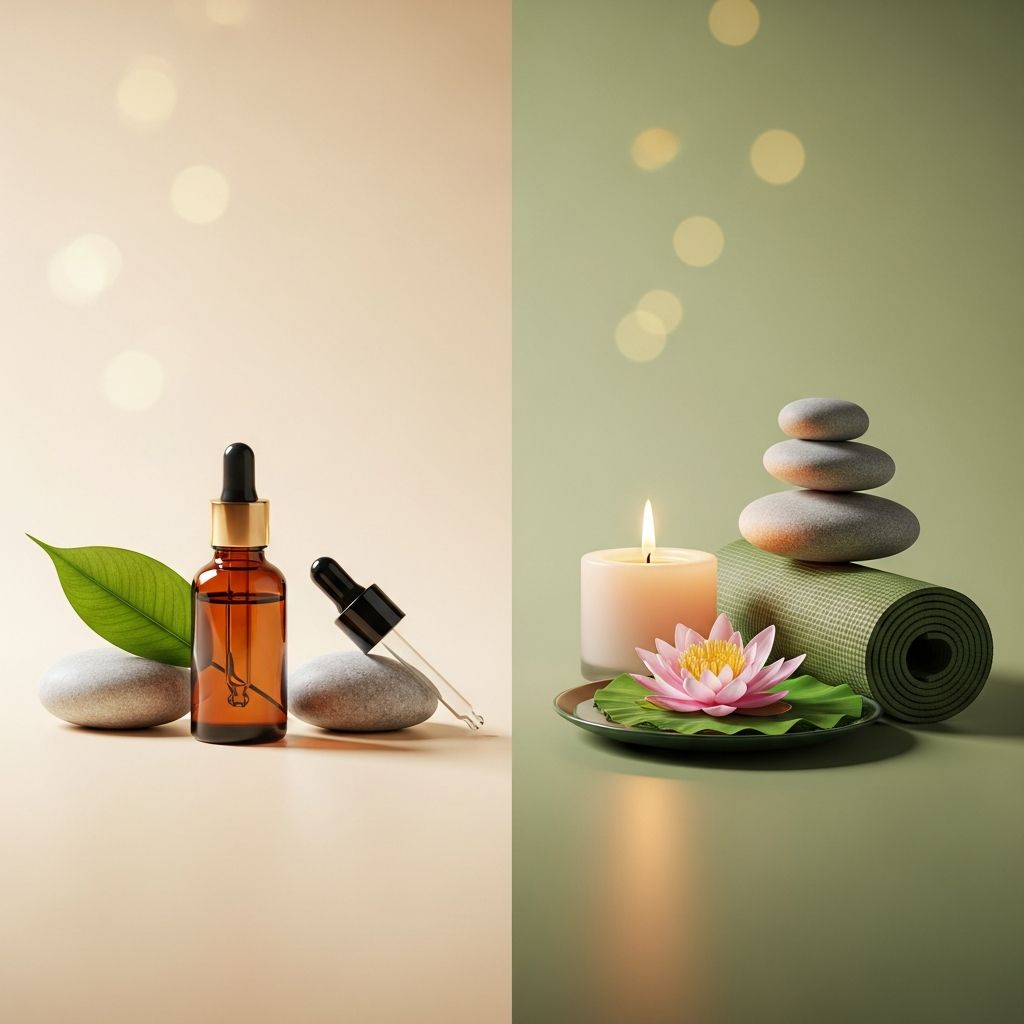
Redefining Wellness: Moving Beyond Surface-Level Indulgence
In contemporary discussions about personal wellness, the terms “self-care” and “pampering” are frequently used interchangeably, creating significant confusion about what genuine wellness actually entails. While both practices contribute to our overall well-being, they serve fundamentally different purposes and operate on different timescales. Understanding this distinction is essential for anyone seeking to develop a sustainable and meaningful approach to their health and happiness.
The modern wellness conversation has become saturated with images of spa days, facial masks, and luxurious baths, leading many people to equate self-care exclusively with these indulgent activities. However, this narrow interpretation misses the deeper and more transformative aspects of true self-care practices. Real wellness involves intentional, consistent actions that strengthen your physical, emotional, and mental foundations over time.
The Core Philosophy Behind Self-Care Practices
Self-care represents a comprehensive approach to maintaining and enhancing your overall well-being through deliberate, ongoing practices integrated into your daily life. These practices address your fundamental needs across multiple dimensions: physical health, emotional resilience, mental clarity, and spiritual alignment. The primary objective of self-care is not temporary relief but rather the establishment of sustainable habits that strengthen your baseline wellness.
When you engage in genuine self-care, you’re making conscious decisions that reflect your values and priorities. This might include maintaining consistent sleep schedules, nourishing your body with balanced nutrition, setting healthy boundaries in relationships, pursuing activities that bring fulfillment, or speaking to yourself with kindness and encouragement. These actions may not feel particularly exciting or luxurious, yet they create a foundation upon which all other wellness efforts rest.
The distinguishing characteristic of authentic self-care is that it’s not contingent on feeling bad or needing recovery. Rather, it’s a proactive investment in your well-being. You engage in self-care because you recognize that these practices prevent deterioration and promote continuous improvement in your quality of life.
Understanding Pampering as Temporary Relief
Pampering, by contrast, serves as an occasional respite from daily demands and stressors. It involves indulging in activities that feel luxurious, unusual, or special—activities you wouldn’t engage in regularly but instead reserve for particular moments. Getting a professional massage, enjoying a spa treatment, taking a leisurely bubble bath with candles, or treating yourself to a meal at your favorite restaurant all fall into this category.
The crucial distinction lies in the purpose and frequency of these activities. Pampering is fundamentally reactive; you engage in it when you feel depleted, stressed, or when you want to reward yourself for enduring challenging circumstances. These practices aim to shift your emotional or physical state temporarily, providing relief from stress or dissatisfaction. The benefits are real but often short-lived—the polish chips, the relaxation fades, and you return to your normal state.
Pampering carries an element of indulgence that inherently suggests it’s not essential for basic functioning. You might describe a pampering activity as something you’ve been “looking forward to” or something you “deserve” after difficult experiences. This framing reflects the true nature of pampering: it’s a treat, not a necessity.
Key Differences in Purpose and Implementation
| Aspect | Self-Care | Pampering |
|---|---|---|
| Primary Purpose | Build and maintain baseline wellness | Provide temporary relief and indulgence |
| Frequency | Daily or regular practice | Occasional or infrequent |
| Goal Outcome | Elevate overall well-being baseline | Return to existing baseline state |
| Motivation | Proactive prevention and growth | Reactive compensation and reward |
| Duration of Effects | Cumulative and long-lasting | Temporary and short-lived |
| Examples | Exercise, healthy eating, boundary-setting, hobbies | Massages, spa treatments, special purchases |
The Comprehensive Spectrum of Self-Care Practices
Self-care encompasses far more than many people realize. While pampering focuses on external luxuries, self-care addresses internal needs and foundational wellness requirements. Understanding the full scope of self-care helps you build a robust wellness strategy that actually supports your well-being.
Emotional and Mental Self-Care
This dimension includes setting boundaries with people and situations that drain your energy. Self-care means learning to decline requests without guilt, recognizing when relationships are harmful and taking steps to distance yourself from toxic influences, and speaking to yourself with compassion rather than criticism. When you notice you’ve reached your emotional limit in a conversation or situation, removing yourself demonstrates self-care. Treating yourself with the same kindness you’d offer a good friend—rather than harsh self-judgment—represents genuine emotional self-care.
Physical Self-Care
Beyond occasional spa treatments, physical self-care involves consistent practices that support your body’s functioning. This includes regular physical activity that feels enjoyable rather than punitive, consuming nutritious foods that fuel your body, prioritizing adequate sleep, attending medical appointments, and managing your health proactively. These practices don’t always feel glamorous, but they form the foundation of genuine wellness.
Creative and Social Self-Care
Allocating time for activities that bring you joy, whether artistic pursuits, hobbies, or creative expression, represents essential self-care. Similarly, nurturing meaningful relationships and spending time with people who uplift you contributes significantly to your well-being. Disconnecting from draining social obligations and investing energy in relationships that reciprocate care is self-care in action.
Behavioral Self-Care
Sometimes self-care involves making choices that don’t feel immediately gratifying but serve your long-term interests. Paying bills on time, managing your responsibilities, organizing your environment, and following through on commitments all constitute self-care. Additionally, permitting yourself to enjoy simple pleasures—eating a dessert without shame, watching your favorite show, resting when needed—without guilt is also self-care.
The Relationship Between Self-Care and Pampering
While these concepts are distinct, they’re not mutually exclusive. All pampering can technically fall within the broader umbrella of self-care activities, but not all self-care is pampering. Think of pampering as a subset of self-care rather than synonyms. When you treat yourself to a massage, you’re engaging in a self-care activity, but specifically one that involves pampering elements.
The important recognition is that pampering shouldn’t replace foundational self-care practices. Many people mistakenly believe that occasional indulgent activities compensate for neglecting their basic wellness needs. This creates a problematic pattern where individuals skip exercise, ignore sleep deprivation, or tolerate harmful relationships, then attempt to “fix” themselves with a spa day. While pampering activities feel wonderful, they cannot substitute for the consistent practices that actually build wellness.
Assessing Your Current Balance
Evaluating whether you’re maintaining an appropriate balance between self-care and pampering requires honest self-reflection. Consider these questions:
- Are you engaging in consistent daily or weekly practices that support your physical and mental health?
- Do you set boundaries in your relationships and work, or do you frequently overextend yourself?
- Are you using occasional pampering activities to compensate for neglecting basic wellness needs?
- How frequently are you engaging in activities purely for pleasure and relaxation?
- Do you speak to yourself with compassion, or do you engage in self-criticism?
- Are your indulgent activities truly occasional, or have they become a primary coping mechanism?
Your answers to these questions will reveal whether you need to strengthen your foundational self-care practices or increase your pampering frequency. Most people benefit from substantially more foundational self-care than they currently practice, while pampering remains appropriately occasional.
Building a Sustainable Wellness Framework
Developing genuine wellness requires integrating self-care practices into your daily life rather than treating them as optional extras. Start by identifying which self-care practices resonate most with you and feel sustainable. Perhaps you prioritize morning movement, perhaps you value creative time, perhaps you focus on nutrition or sleep quality. The specific practices matter less than their consistency and personal relevance to your life.
Next, establish non-negotiable commitments to your foundational self-care. These become as essential as any other important responsibility. When your baseline self-care is solid, you’ll notice improved resilience, better emotional regulation, and greater overall satisfaction. From this strengthened foundation, pampering activities become genuine treats rather than desperate attempts to feel better.
Finally, regularly reassess your wellness approach. Your needs evolve with life circumstances, so your self-care and pampering practices should adapt accordingly. During high-stress periods, you might increase self-care frequency while recognizing that pampering alone won’t address underlying stress.
The Science Behind Balanced Wellness Practices
Research demonstrates that people who maintain consistent wellness practices experience improved mental health, increased longevity, and greater overall life satisfaction. Studies on happiness reveal that individuals who feel regularly happy tend to live longer and healthier lives. This connection between consistent self-care and measurable health improvements underscores why foundational practices matter more than occasional indulgences.
Pampering activities do provide real benefits by temporarily reducing anxiety and stress through sensory engagement. They serve valuable functions as coping mechanisms for managing daily stressors. However, they work most effectively when integrated into a comprehensive wellness approach rather than relied upon as the primary stress management tool.
Frequently Asked Questions
Can pampering activities count as self-care?
Yes, pampering activities technically fall under the broader self-care category. However, true self-care extends far beyond pampering to include consistent daily practices that build wellness. While getting a massage can be self-care, it shouldn’t substitute for foundational practices like sleep, nutrition, and boundary-setting.
How often should I engage in pampering activities?
The appropriate frequency varies by individual and circumstances. Pampering is meant to be occasional or infrequent—something special you look forward to rather than a regular routine. Most people benefit from pampering monthly or quarterly, though this depends on your preferences and resources.
Is self-care selfish?
Not at all. Self-care is essential for maintaining your capacity to care for others and meet your responsibilities. Setting boundaries, prioritizing rest, and investing in your well-being enables you to show up better in all areas of your life. This is sometimes framed as refilling your own cup so you can pour from it for others.
Can self-care improve my mental health?
Yes, consistent self-care practices significantly support mental health. Regular exercise, quality sleep, meaningful relationships, boundary-setting, and engaging in enjoyable activities all contribute to improved emotional resilience and psychological well-being. While self-care isn’t a replacement for professional mental health treatment when needed, it serves as a crucial foundation.
What if I can’t afford regular pampering?
Pampering can be expensive, but it’s not necessary for wellness. Foundational self-care practices—many of which are free or low-cost—are what actually sustain your well-being. Walking, cooking nutritious meals, quality time with loved ones, pursuing hobbies, and reading all represent self-care without significant expense. Occasional affordable treats can provide pampering benefits without breaking your budget.
References
- Self-Care Versus Pampering — Medical Minds Consulting. Accessed 2026-04-02. https://medicalmindsconsulting.com/journal/self-care-pampering
- Self-Care Or Self-Pampering: What’s the Difference? — Enso Learning. June 15, 2020. https://www.ensolearning.com/blog/2020/6/15/self-care-self-compassion-self-pampering-or-selfish-whats-the-difference
- The Difference Between Self-Care And Pampering — The Self Care Suite. Accessed 2026-04-02. https://www.theselfcaresuite.com/blog/the-difference-between-self-care-and-pampering
- Self-Care vs Self-Pampering: Understanding the Differences — Simply Stated Creations. Accessed 2026-04-02. https://simplystatedcreations.com/blogs/simplystatedbathandbody/self-care-vs-self-pampering
- Self-Care Is Not Pampering — Motherly. Accessed 2026-04-02. https://www.mother.ly/life/the-important-difference-between-self-care-and-pampering
- Self Care vs Self Pampering — Warren County Extension Agent for Family and Consumer Sciences. Accessed 2026-04-02. https://www.youtube.com/watch?v=DTHJRTPonlg