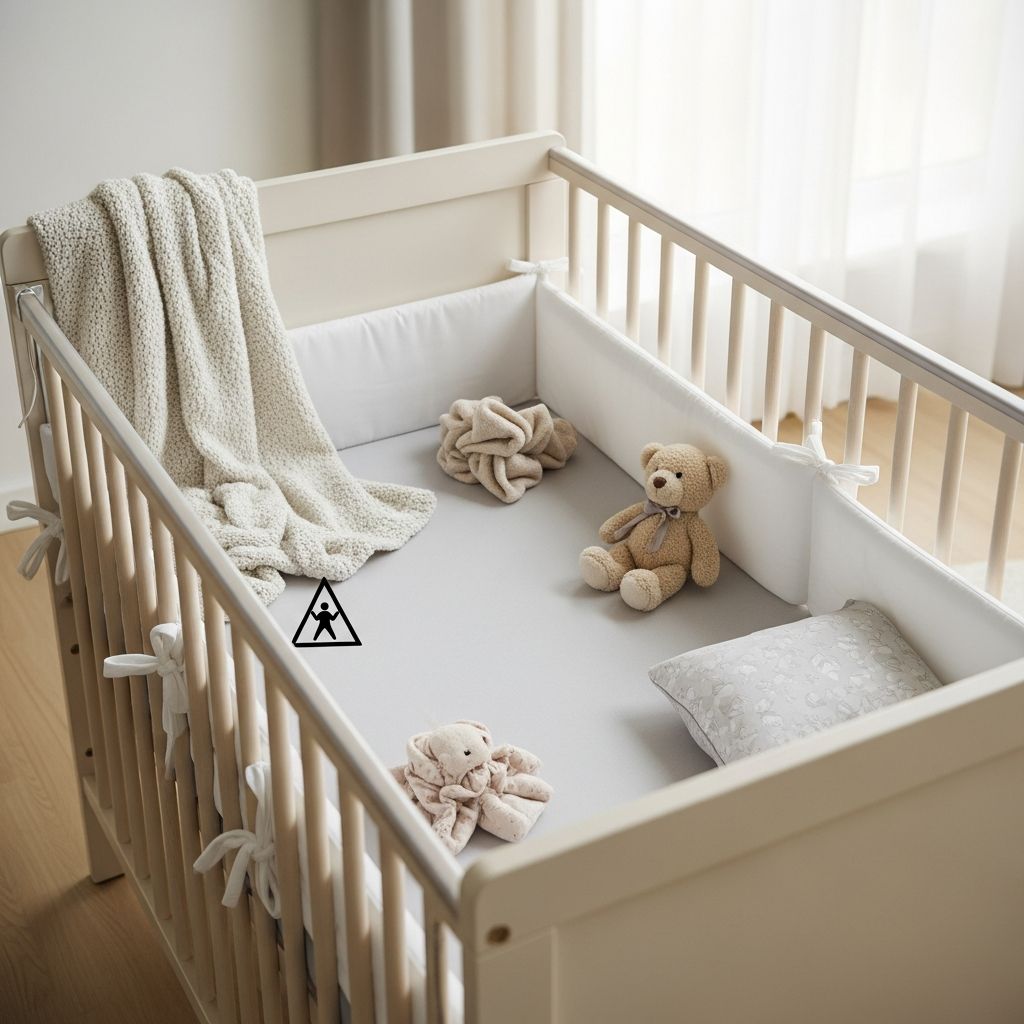
Parenting demands constant energy, often leaving little room for personal recharge. Yet, consistent self-care enhances resilience, improves mood, and models healthy habits for children. This guide offers actionable, time-efficient approaches drawn from expert insights to integrate wellness into packed schedules.
Understanding Self-Care in the Parenting Context
Self-care extends beyond occasional treats; it involves deliberate acts that sustain physical, emotional, and mental health. For parents, it counters burnout by fostering small, repeatable habits. Research from the Cleveland Clinic emphasizes discarding lavish expectations, focusing instead on accessible practices like brief breathing exercises or short walks. These micro-interventions accumulate to yield significant benefits, such as reduced stress hormones and heightened emotional regulation.
Busy schedules amplify the need for flexibility. Unlike traditional spa days, effective strategies fit into transitions like meal prep or bedtime routines. Mental Health First Aid highlights creating supportive home environments and mindful mornings to build foundational calm. By prioritizing these, parents report greater patience and joy in family interactions.
Building a Foundation: Essential Daily Habits
Start with non-negotiable basics often overlooked in chaos. Adequate sleep, hydration, and nutrition form the bedrock. The Child Mind Institute advises treating these as self-care priorities, as neglecting them erodes overall capacity. Aim for seven to nine hours of sleep by establishing wind-down rituals, like dimming lights an hour before bed.
- Hydrate intentionally: Keep a reusable bottle nearby; sip during every diaper change or laundry load.
- Nourish mindfully: Prepare one nutrient-dense snack daily, eaten without screens.
- Rest strategically: Nap when children do, even for 10 minutes, to restore alertness.
These habits prevent depletion, creating bandwidth for more engaging self-care.
Micro-Moments for Instant Reset
Time scarcity calls for “exercise snacks” or breath breaks—short bursts yielding outsized results. Tava Health lists 30 affordable ideas, including five deep breaths with eyes closed to calm the nervous system. Such practices activate the parasympathetic response, lowering cortisol in under a minute.
| Activity | Duration | Benefit |
|---|---|---|
| Deep breathing | 1-2 min | Reduces anxiety instantly |
| Fresh air step-out | 2 min | Boosts oxygen, clears mind |
| Gratitude jot | 1 min | Shifts to positive mindset |
| Quick stretch | 3 min | Releases tension |
Incorporate these during mundane waits, like coffee brewing or traffic lights. Consistency trumps duration; South Hills Counseling notes five minutes daily outperforms sporadic longer sessions.
Harnessing Movement for Energy and Clarity
Physical activity combats parental fatigue without gym commitments. Cleveland Clinic recommends body movement for endorphin release, suggesting walks or at-home yoga. Hearth Display echoes this, promoting runs or walks as escapes that blend exercise with solitude.
Integrate family-friendly options: Dance parties to upbeat music engage kids while elevating your heart rate. Good Therapy San Diego suggests yoga videos with children for shared fun and flexibility gains. Outdoors, opt for the longer route on errands to savor scenery and vitamin D.
- Post-dinner family strolls: 15 minutes builds bonds and burns energy.
- Solo power walks: During school drop-offs, extend by looping the block.
- Desk stretches: Roll shoulders hourly if working from home.
These sustain stamina, with studies linking regular movement to lower depression risk in caregivers.
Cultivating Mindfulness Amid Chaos
Mindfulness anchors parents in the present, diffusing overwhelm. Apps like Insight Timer offer free guided sessions under 10 minutes, ideal for Tava Health’s quick resets. Mental Health First Aid advocates mindful mornings: Journal or stretch before to-do lists.
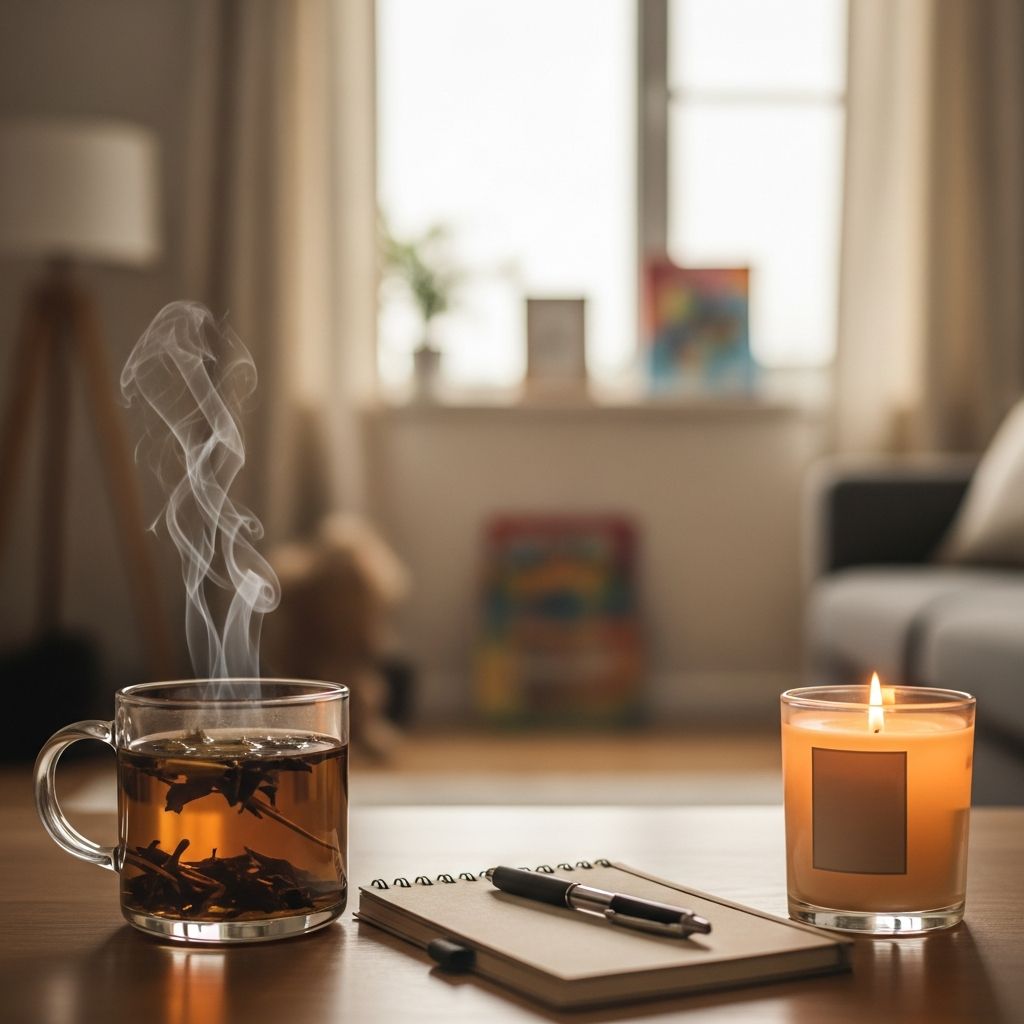
Practice sensory grounding: Savor a warm tea’s aroma under a soft blanket, as per Good Therapy ideas. During child naps, sit in silence rather than scrolling. Country Home Learning Center promotes stretches while kids dress, merging tasks with presence.
Creative Outlets for Emotional Release
Creativity processes emotions efficiently. Doodle in a child’s book, curate uplifting playlists, or maintain a one-line journal, inspired by Tava Health. Hearth Display favors gratitude journals or adult coloring for screen-free decompression.
Voice notes to friends replace draining calls; share laughs in seconds. Writing affirmations reinforces self-worth: “I nurture myself to better nurture others.” These outlets spark joy, countering monotony.
Optimizing Your Environment for Calm
Home setup influences well-being profoundly. Declutter key spaces for instant peace, per Mental Health First Aid. Designate a “calm corner” with candles, cozy socks, or essential oils—low-cost mood enhancers from Tava Health.
Micro-boundaries protect energy: Phone-free dinners or no emails post-7 PM, as South Hills suggests. Comfort items like favorite pajamas signal rest time to your body.
Leveraging Connections and Support
Social ties buffer stress. Text kind words to friends or schedule brief check-ins. Child Mind Institute stresses phoning loved ones as vital self-care. Hire a sitter occasionally for uninterrupted time, blending recharge with realism.
Community walks at farmers markets expose you to adults and sensory delights, boosting serotonin. These interactions remind you of identity beyond parenthood.
Overcoming Common Obstacles
Guilt often blocks self-care; reframe it as family investment. Start tiny to build momentum—reject one non-essential task daily. Track progress in a journal to celebrate wins, fostering habit adherence.
For exhaustion, pair self-care with child routines: Bedtime stories become your quiet read-aloud. Adapt to seasons; winter favors indoor stretches, summer outdoor soaks.
Frequently Asked Questions (FAQs)
What if I can’t find even 5 minutes?
Combine with existing tasks: Breathe deeply while chopping vegetables or stretch during microwave waits. Micro-moments add up without extra time.
Is self-care selfish?
No—replenished parents model balance and show up better for kids. It’s essential maintenance, not indulgence.
How do I involve kids without losing ‘me time’?
Turn it shared: Family yoga or dance parties double as bonding. Solo pockets emerge naturally.
What apps help beginners?
Insight Timer for free meditations, Day One for journaling—both quick and parent-friendly.
Can self-care fix burnout?
It prevents and mitigates; severe cases warrant professional support alongside habits.
Sustaining Long-Term Wellness
Weekly reviews adjust strategies: What energized most? Scale successes. Pair with hobbies rediscovered pre-kids, even briefly. Over time, these weave into identity, yielding sustained vitality.
Parents practicing routinely report sharper focus, deeper sleep, and harmonious homes. Commit today—one breath, one walk—and watch ripples extend to family thriving.
References
- 30 Easy and Affordable Self-Care Activities for Busy Parents — Tava Health. 2023. https://www.tavahealth.com/blogs/30-self-care-activities-busy-parents
- 10 Ways to Practice Self-Care as a Parent — Cleveland Clinic. 2023-10-12. https://health.clevelandclinic.org/realistic-ways-to-practice-self-care-as-a-parent
- 8 Self-Care Ideas for Busy Parents — Good Therapy San Diego. 2022. https://www.goodtherapysandiego.com/8-self-care-ideas-for-busy-parents-by-camile-carter-lmft/
- Prioritizing Your Well Being: 13 of Our Favorite Self-Care Tips for Busy Moms — Hearth Display. 2024. https://hearthdisplay.com/blogs/hearth-at-home/prioritizing-your-well-being-13-of-our-favorite-self-care-tips-for-busy-moms
- How to Practice Self-care as a Busy Parent — Mental Health First Aid. 2023. https://mentalhealthfirstaid.org/news/how-to-practice-self-care-as-a-busy-parent/
- Realistic Self-Care for Busy Families — South Hills Counseling. 2024-01-15. https://southhillscounseling.com/blog/realistic-self-care-for-busy-families
- 8 Self-Care Tips for Parents: Practical Advice — Child Mind Institute. 2023-05-20. https://childmind.org/article/self-care-for-parents-tips-advice/